Climate Change Mitigation & Adaptation
Community-driven solutions that reduce emissions and strengthen adaptation.
Sironko District, Eastern Uganda
Foundation for Sustainable Environment (FSE) is a local non-profit dedicated to empowering sustainable communities to address climate change, conserve biodiversity, and promote social and gender equity in Uganda.
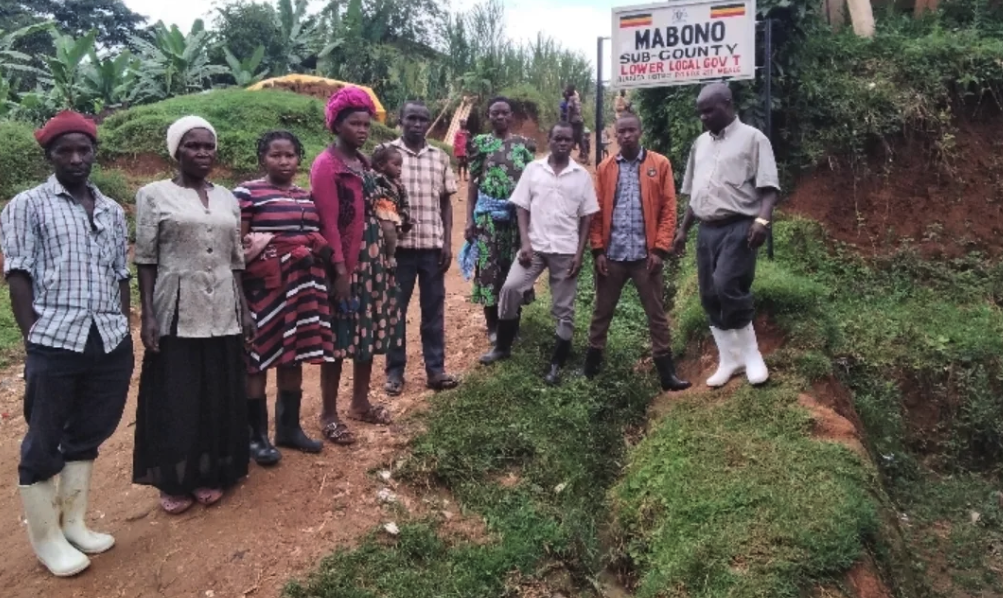
Serving communities across Bumasifwa Sub-county, Sironko District.
Established by indigenous people led by women in Bunamahande.
Affiliated to the National Environment Authority of Uganda.
Welcome to FSE
Foundation for Sustainable Environment (FSE) is a civil society non-profit committed to informing, educating and empowering citizens of Uganda to help indigenous communities continue living meaningful lives.
We exist to work as a team for improved service delivery and are committed to healthy relationships with other development-oriented organizations and partners across the world in the struggle to address challenges that threaten our environment.
About FSE →“A sustainable environment for present and future generations”
Empowering sustainable communities to address climate change and environmental devastation through environmental stewardship, integrating native knowledge, skills and initiatives underpinned by gender equitable community-led approaches.
From the field
What guides us
We cherish transparency, honesty, and ethics in all our interactions, engagement and decision-making processes.
We prioritize protection and preservation of natural resources, ecosystems and biodiversity.
We foster a culture of diversity, collaboration, equity, and social justice in pursuit of environmental sustainability.
We responsibly manage, protect and preserve natural resources for future generations.
We proactively plan and adapt to address environmental challenges and uncertainties with innovative solutions.
Where we focus
FSE’s work is organized around interconnected programs addressing climate, ecosystems, gender equity, livelihoods, research, and community resilience.
Community-driven solutions that reduce emissions and strengthen adaptation.
Protecting forests, water, soil, and biodiversity through sustainable practice.
Ensuring women, girls, and marginalized groups lead and benefit equally.
Your partnership helps FSE deliver safe water, clean energy, reforestation, and women-led livelihoods across Bumasifwa Sub-county.
Who we are
Foundation for Sustainable Environment (FSE) is a local non-profit organization established to address climate change crisis, environment conservation, gender justice, ecosystem protection, energy saving, community economic transformation, research and innovation, capacity building and policy support for the environment in Uganda through working with communities to build a firm foundation for sustainable communities.
FSE was established in May 2020 by indigenous people led by women in Bunamahande community with a vision of contributing to a community that strives towards achieving protection of the environment and addressing climate change crisis in a manner that promotes equity and social justice, with sustainable lives focused on implementing practical hands-on community-driven projects aimed at sustainable environment.
After realizing that community needs are diverse and the government of Uganda alone cannot fulfill every individual need, FSE adopted a concept where communities undertake series of activities that result in sustainable environmental conservation and natural resource management.
FSE is located in Kijewa Village, Bunamahande Parish, Bumasifwa Sub-County, Sironko District, Uganda - approximately 2 kilometers from Masaba Senior Secondary School along Budadiri road.
FSE is a civil society non-profit committed to informing, educating and empowering citizens of Uganda with the purpose of helping indigenous communities in order to continue living a meaningful life. We exist to work as a team for improved service delivery and are committed to healthy relationships with other development-oriented organizations and partners across the world in the struggle to address challenges that threaten the environment.
FSE is composed of:
Empowering communities to address climate change, conserve natural resources, and promote sustainable livelihoods, sustainable environment, environmental conservation, with a focus on gender equity and social inclusion. Dedicated to empowering women, girls, and indigenous people to take care of the environment, mitigate climate change leveraging on indigenous people's knowledge, make informed decisions, and ensure equitable access to resources and opportunities to address current and future environment needs.
We strive to balance human needs with environmental stewardship, ensuring a thriving planet for present and future generations, where women and men have equal opportunities to contribute, benefit, lead and are committed to "driving positive change for a healthier planet."
Ensure local voices and perspectives drive decision making.
Encourage broad community engagement and participation.
Honor local customs, traditions, and values.
Prioritize eco-friendly practices and sustainable resource management.
Maintain open communication and responsible stewardship of resources.
Build strong relationships with communities, organizations, and stakeholders for collective impact.
FSE focuses its work on supporting vulnerable and marginalized groups including:
FSE's work is organized around six interconnected thematic areas, each designed to address critical environmental and social challenges in our communities.
Promote community-driven solutions to reduce emissions, enhance adaptation, and position indigenous communities as climate leaders.
Protect forests, water, soil, and biodiversity through sustainable environmental practices.
Ensure women, girls, and marginalized groups have equitable access to resources, opportunities, and decision-making.
Support sustainable income-generating activities and eco-enterprises that combine economic empowerment with environmental stewardship.
Build local capacity by integrating indigenous knowledge with research and innovative solutions.
Strengthen community resilience to environmental and climate shocks through policy engagement, education, and partnerships.
FSE implements a range of community-driven environmental projects designed to address local challenges while building long-term sustainability.
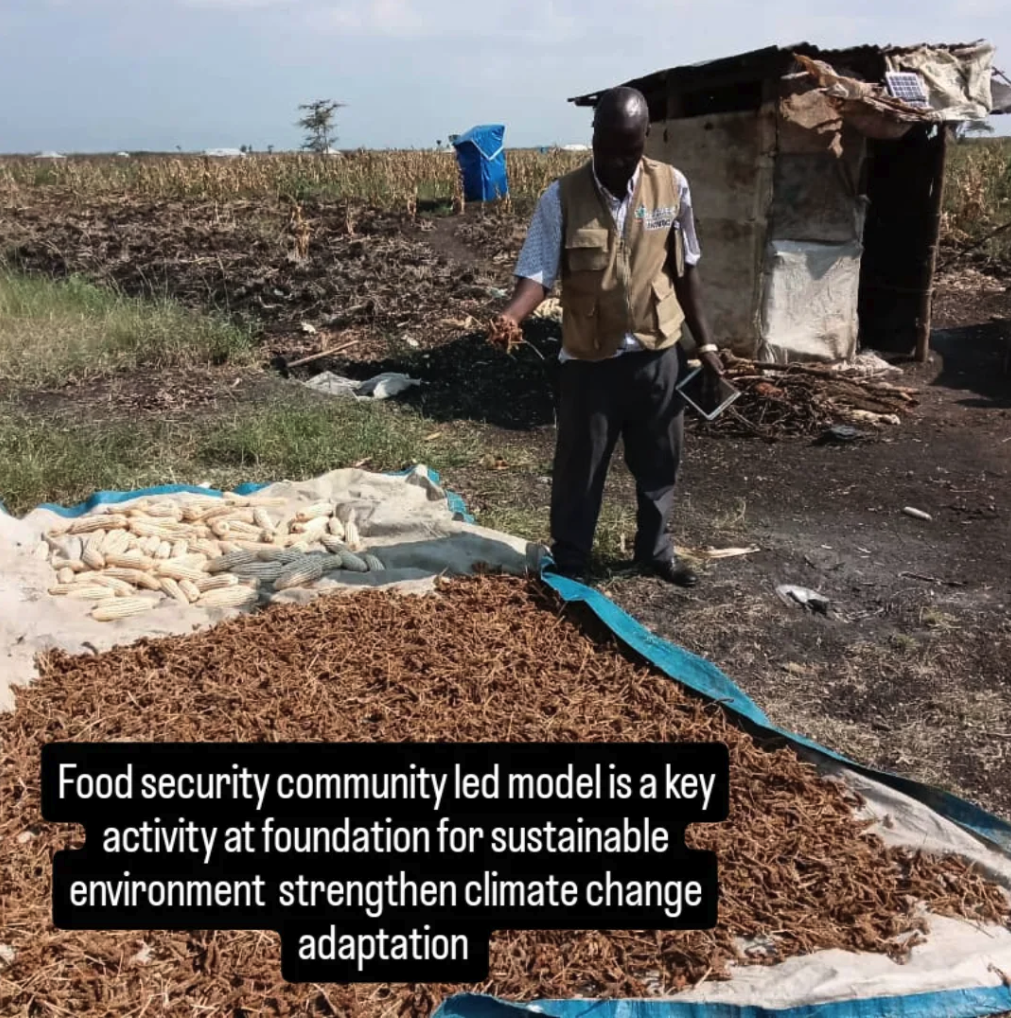
Partnering with schools and communities to establish productive gardens that enhance food security and promote sustainable agriculture practices.
Addressing plastic pollution through community-based collection, recycling, and awareness programs in markets, schools, and communities.
Teaching communities and schools practical methods for collecting and storing rainwater to improve water access and reduce dependency on distant water sources.
Based on our October 2025 community dialogue meeting with 23 participants (16 women and 7 men) from Bunamahande Parish, the following projects were identified through participatory ranking as top priorities for immediate support and implementation:
Focus Area: Health, gender, and environmental sustainability
Constructing and rehabilitating protected water points and installing rainwater harvesting systems in schools and community centers. Most households currently lack access to safe water, relying on unprotected springs and contaminated sources, with women and girls bearing the burden of walking long distances to fetch water.
Focus Area: Climate change mitigation and gender equality
Introducing energy-saving cooking technologies, promoting clean cook stoves and briquette production. Over 90% of households depend on firewood as their main source of cooking energy, leading to deforestation, carbon emissions, and exposing women and girls to violence during firewood collection.
Focus Area: Reforestation and income generation
Establishing tree nurseries for reforestation and agroforestry integration. Promoting indigenous tree species and fruit trees to combat deforestation while providing sustainable income opportunities for communities.
Focus Area: Education, awareness and school children engagement
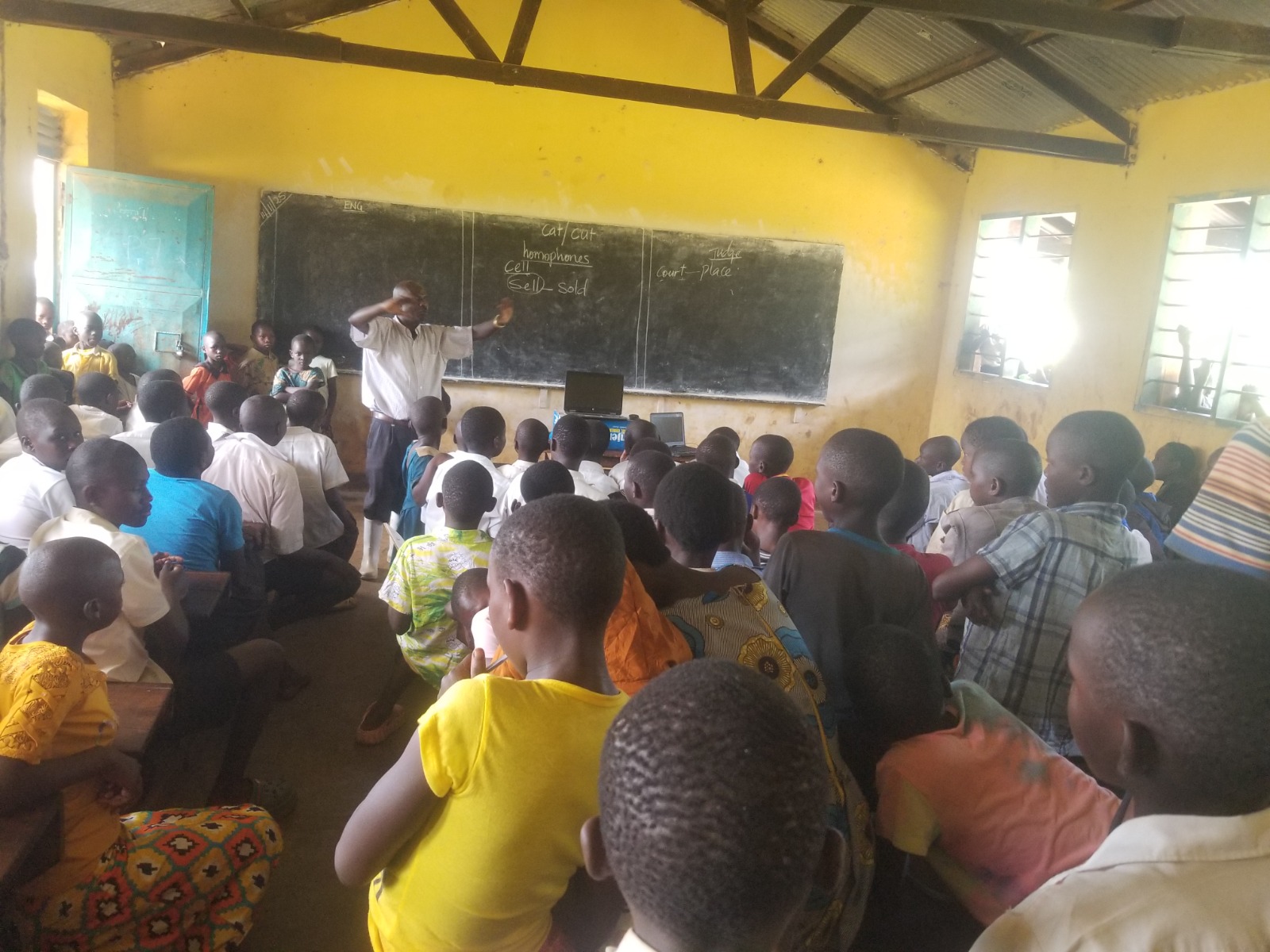
Launching environmental education campaigns and establishing environmental clubs in schools to instill sustainable energy practices and climate change awareness among pupils, building the next generation of environmental stewards.
Focus Area: Food security and livelihoods
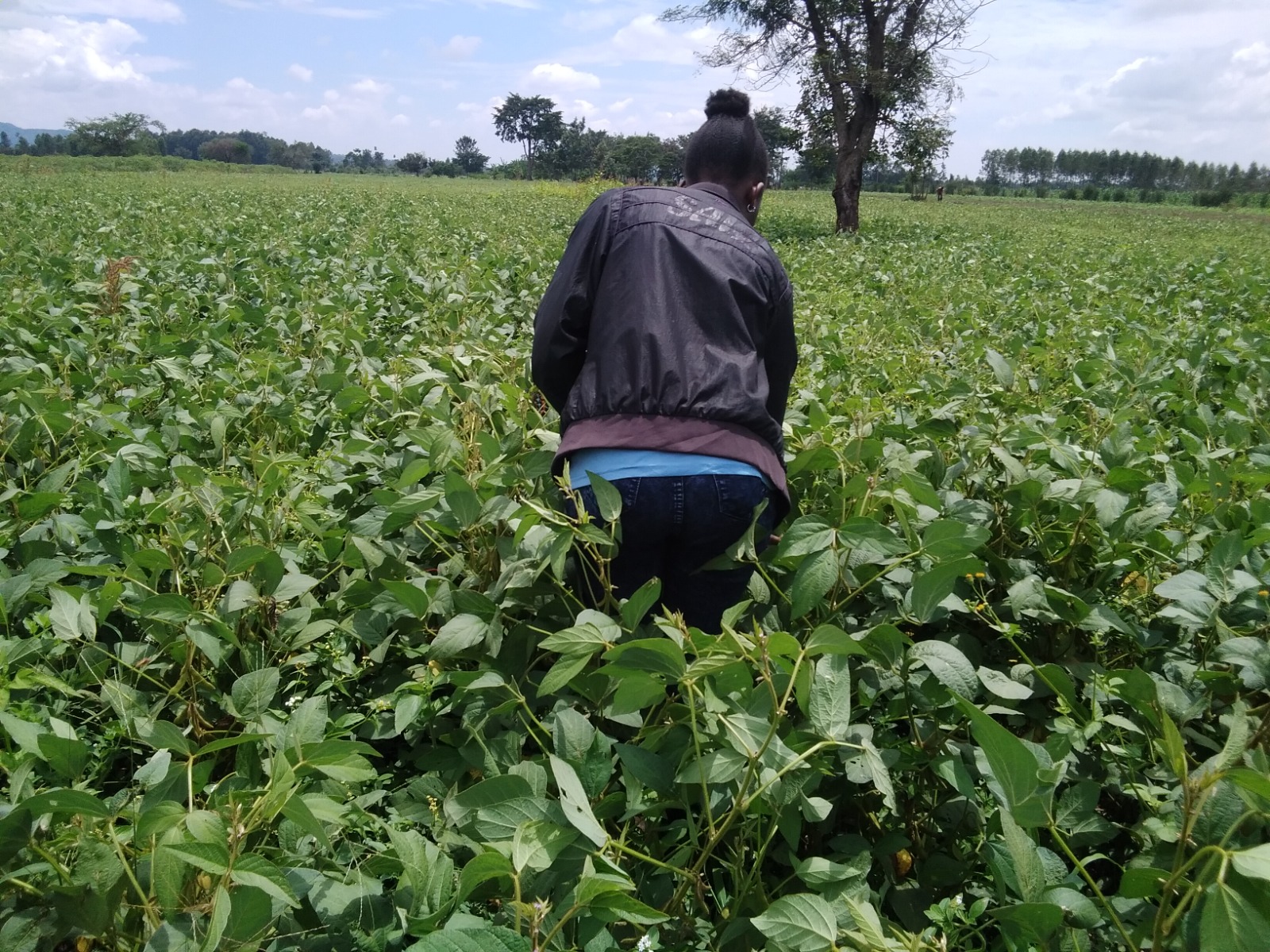
Launching climate-smart agriculture initiatives to supply high-quality, drought-resistant seeds and training on sustainable farming practices. Addressing erratic rainfall patterns, poor-quality seeds, and pest infestations that have led to reduced crop yields and food insecurity.
Focus Area: Economic empowerment and social inclusion
Establishing women-led community village savings and loan groups to promote financial inclusion, literacy, savings culture, and access to micro-loans for green enterprises. Addressing high poverty levels especially among women-headed households.
Our projects respond to critical challenges identified through community dialogue:
Over 90% of households depend on firewood for cooking, leading to severe scarcity, deforestation, and exposing women and girls to violence, harassment, and exhaustion during firewood collection.
Most households lack access to safe water, relying on unprotected springs. Women and girls bear the burden of walking long distances, exposing them to health and safety risks.
Erratic rainfall patterns, poor-quality seeds, and pest infestations have led to reduced crop yields and food insecurity among subsistence farming families.
High poverty levels, especially among women-headed households, limit access to farm inputs, education, and health services.
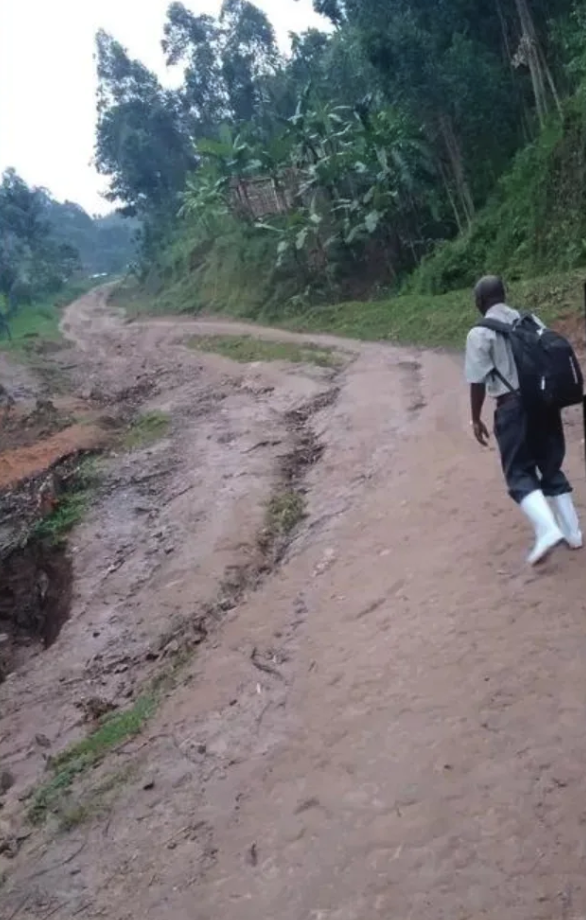
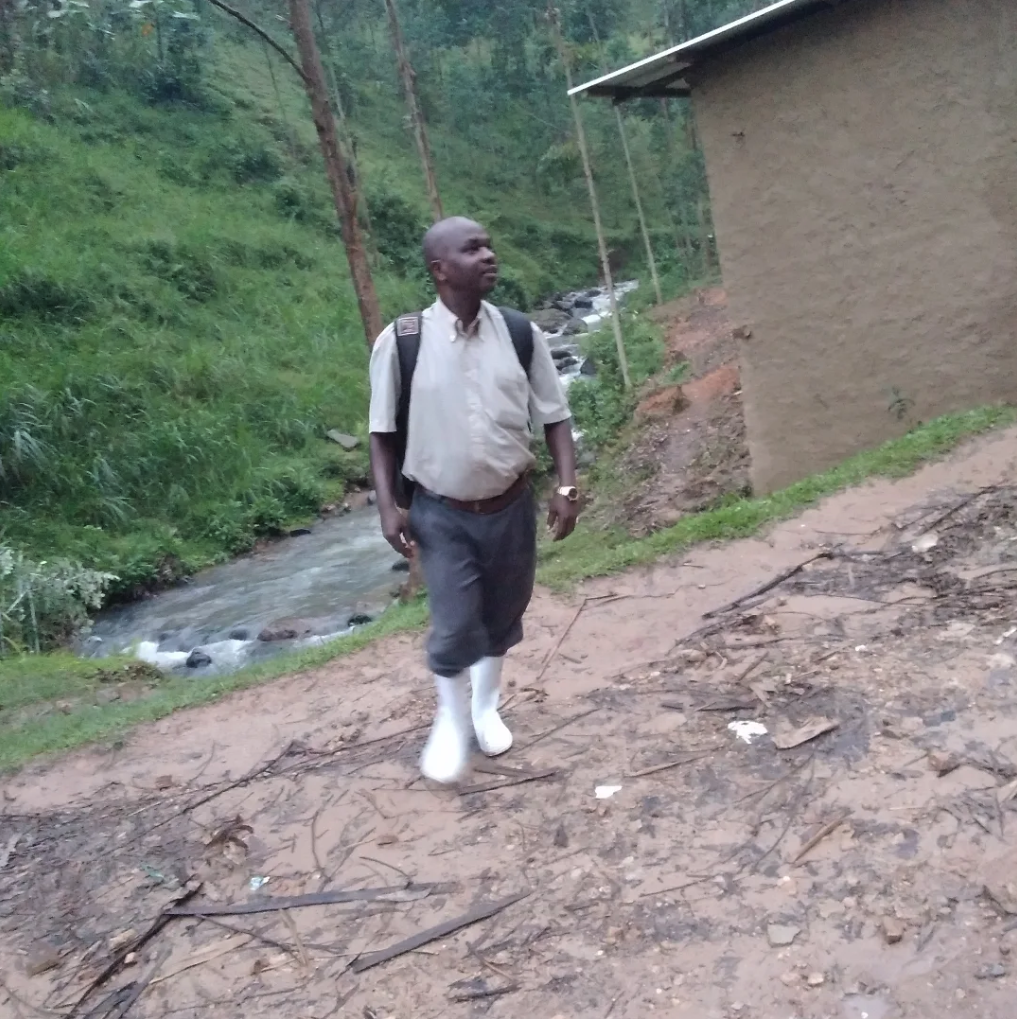
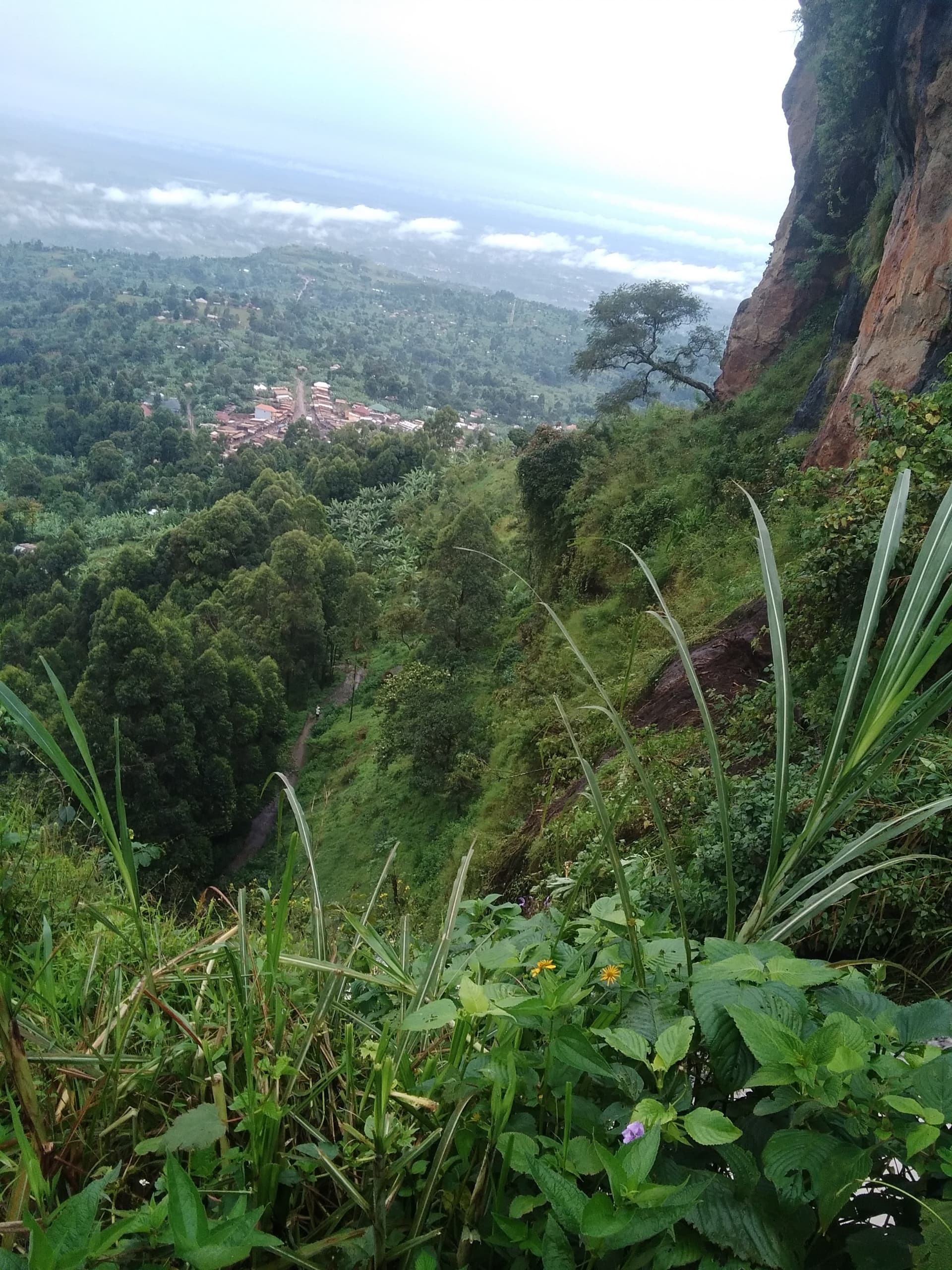
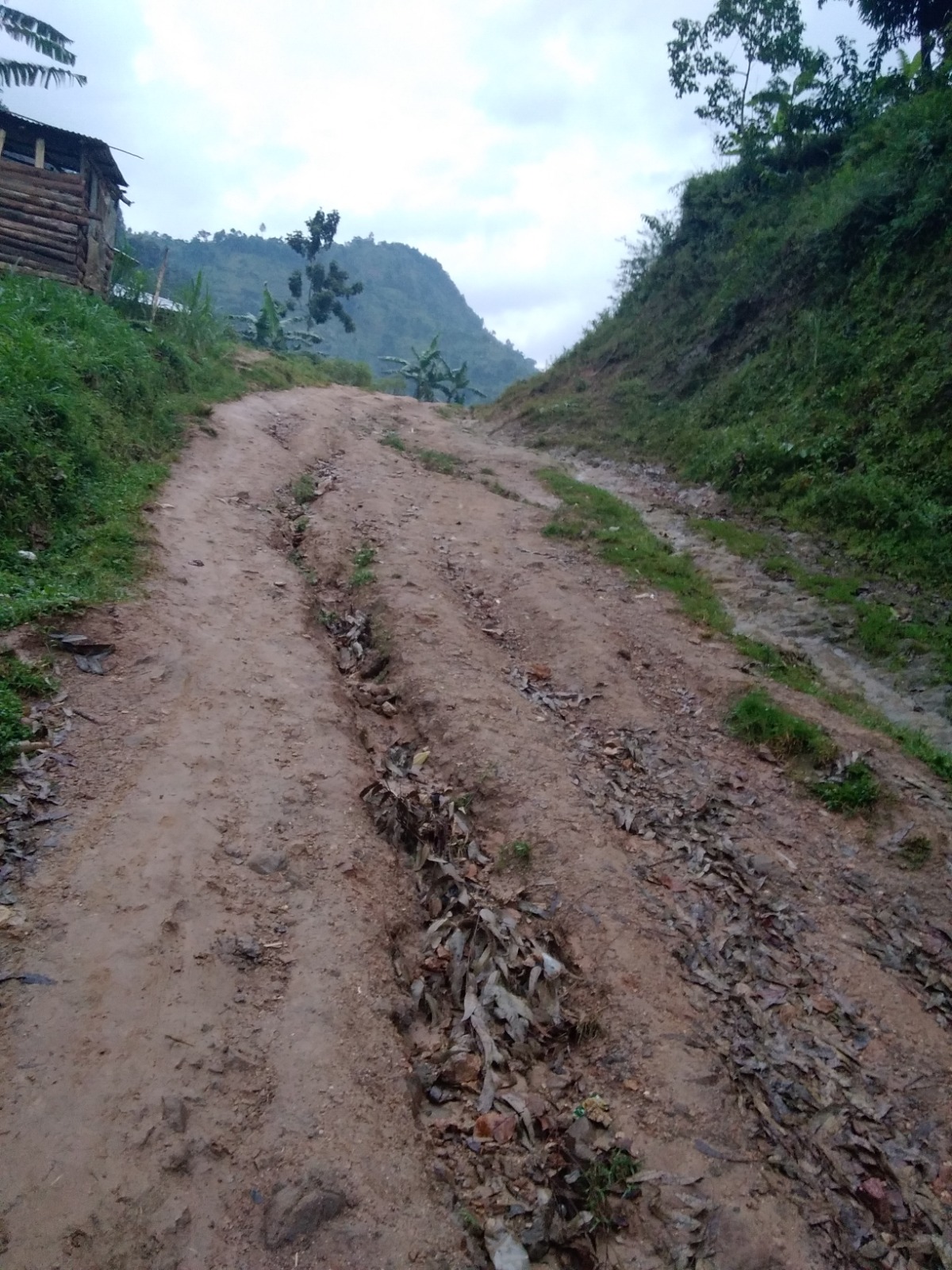
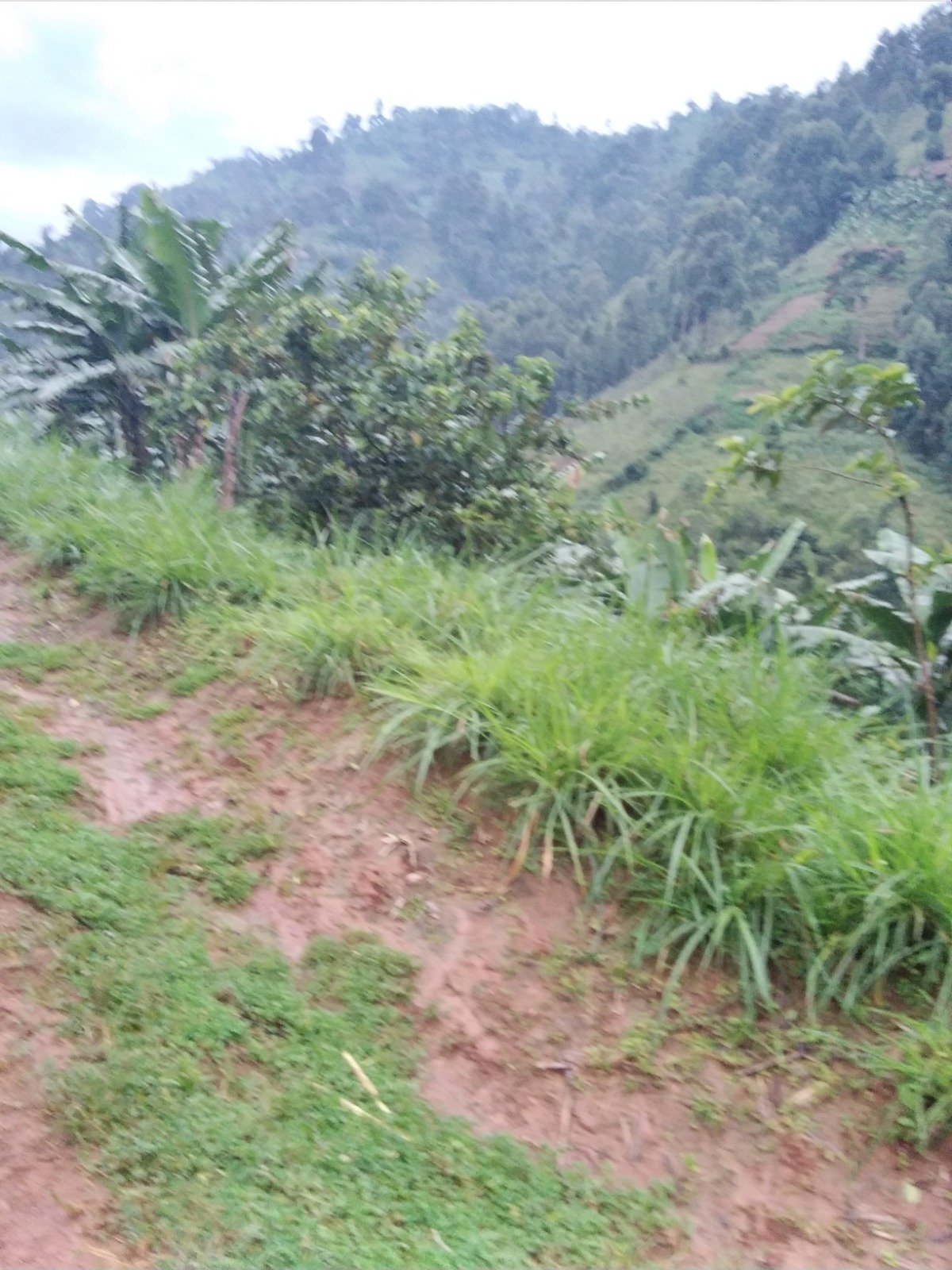
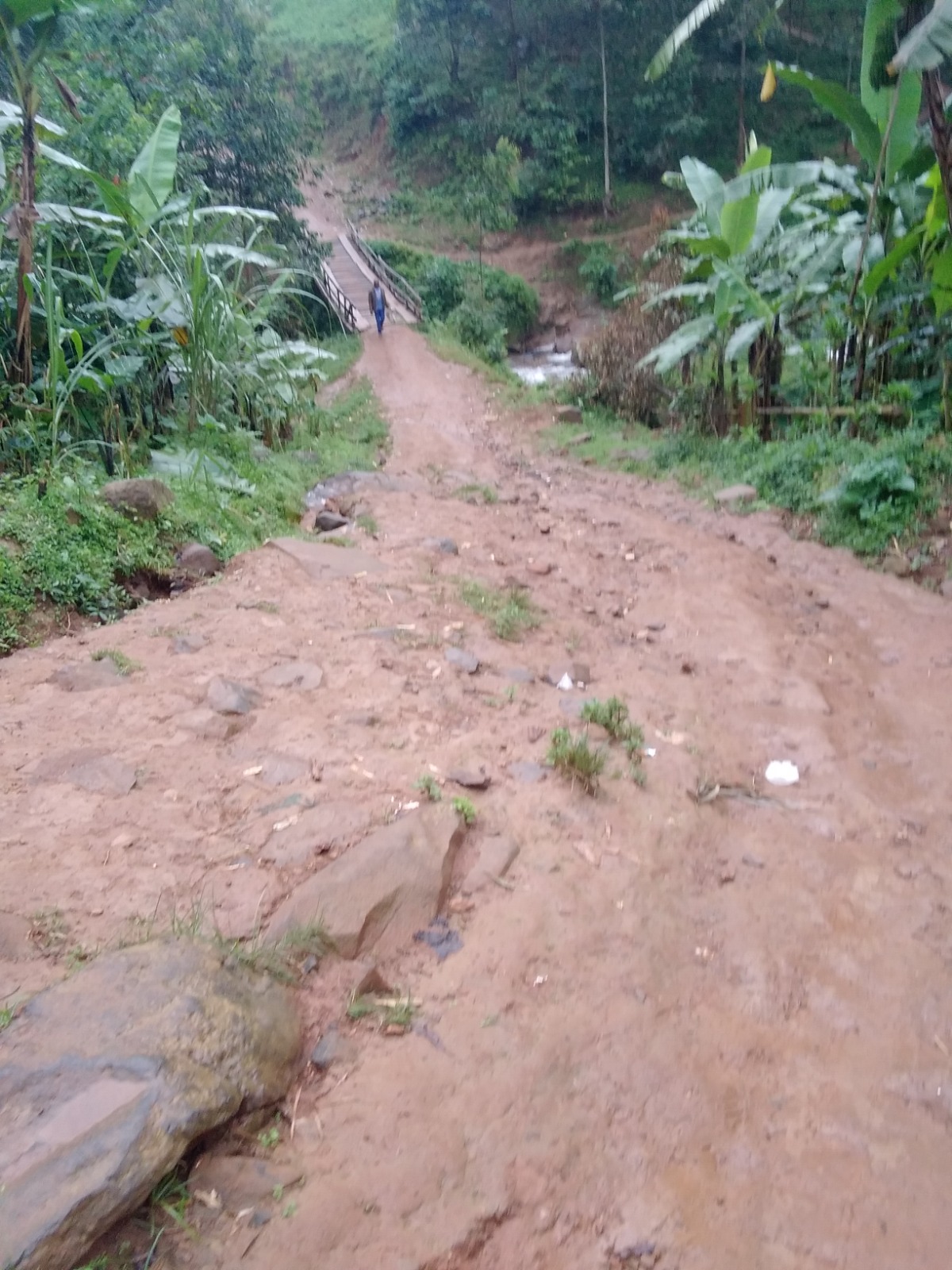
The steep topography of Bumasifwa Sub-county makes it prone to landslides and soil erosion during heavy rains, destroying homes, water sources, and farmlands.
Since our establishment in May 2020, FSE has made significant strides in environmental conservation and community empowerment.
Currently serving more than 200 members based in all communities of Bumasifwa Sub-county.
Established partnerships with local leaders, schools, district environmental officers, and affiliated with National Environment Authority (NEMA).
Conducted community dialogue meetings with 70% female participation, reflecting recognition of women as primary environmental stewards.
FSE is committed to expanding its impact through strategic partnerships and community-driven initiatives. The findings from our October 2025 community dialogue meeting revealed a community eager to take charge of its environmental future but constrained by limited resources, technical skills, and exposure.
FSE seeks partnerships to design and implement a multi-sectoral, four-year integrated community resilience project that holistically addresses environmental, climate, and socio-economic challenges and strengthens the resilience of vulnerable households in Bunamahande Parish and surrounding communities in Sironko District, Uganda.
FSE remains committed to working hand-in-hand with communities, government, and development partners to drive inclusive climate action and environment conservation to protect Uganda's natural heritage for generations to come.
Real-life stories from our communities showcasing the impact of our work, the voices of beneficiaries, and the transformative power of community-led environmental action.
Date: October 26, 2025 | Location: Bunamahande Parish, Bumasifwa Sub-county, Sironko District
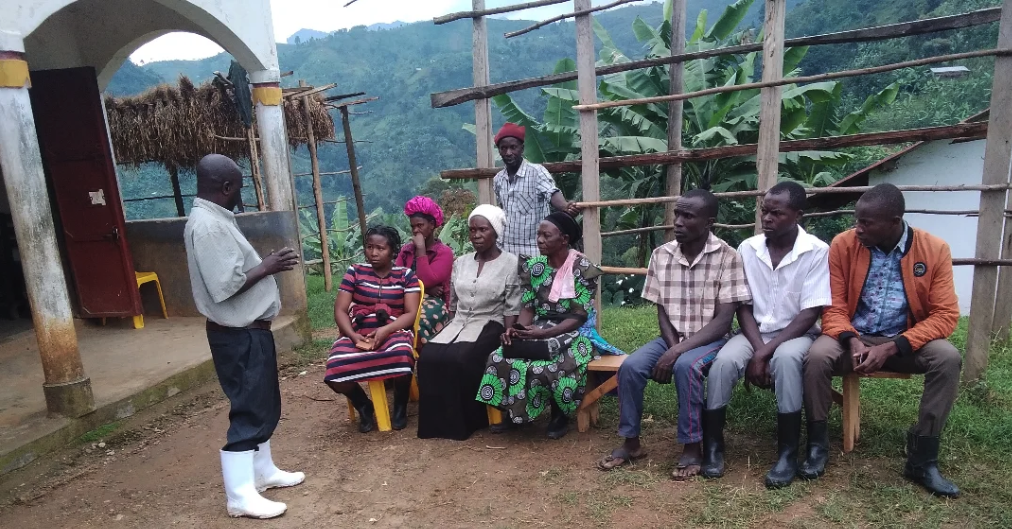
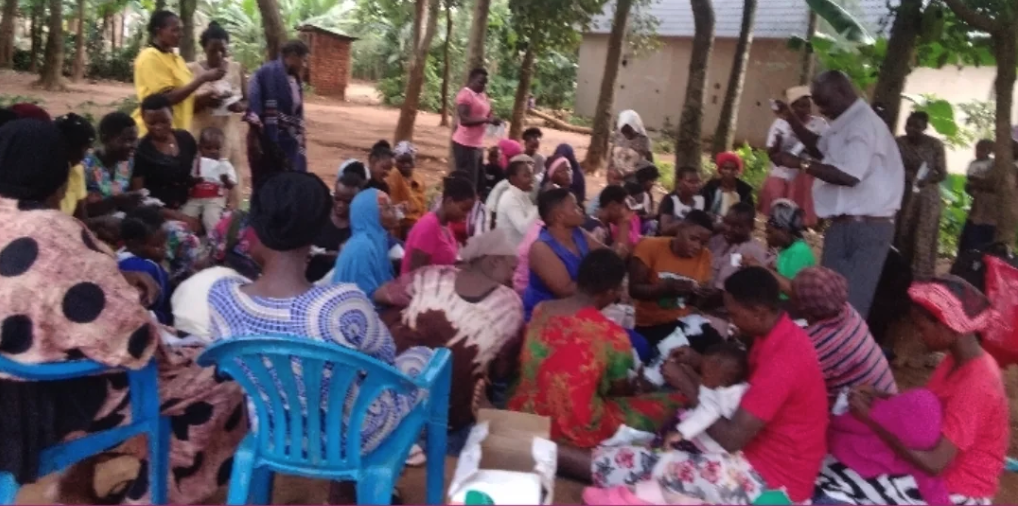
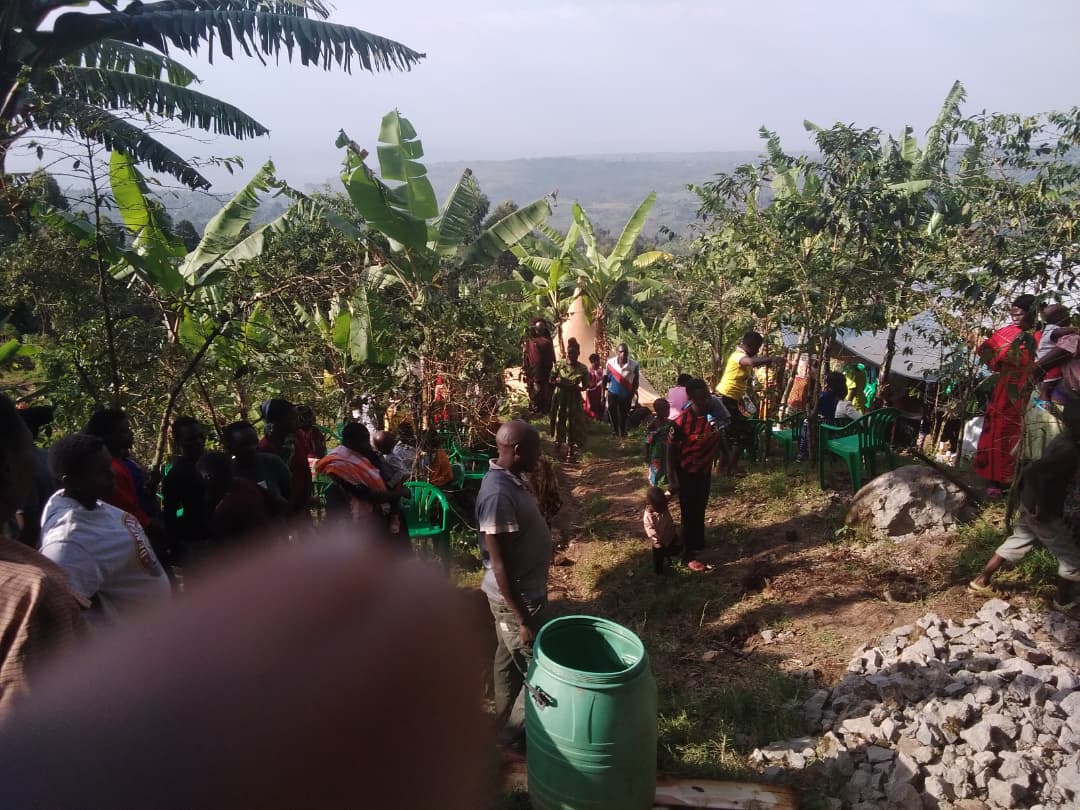
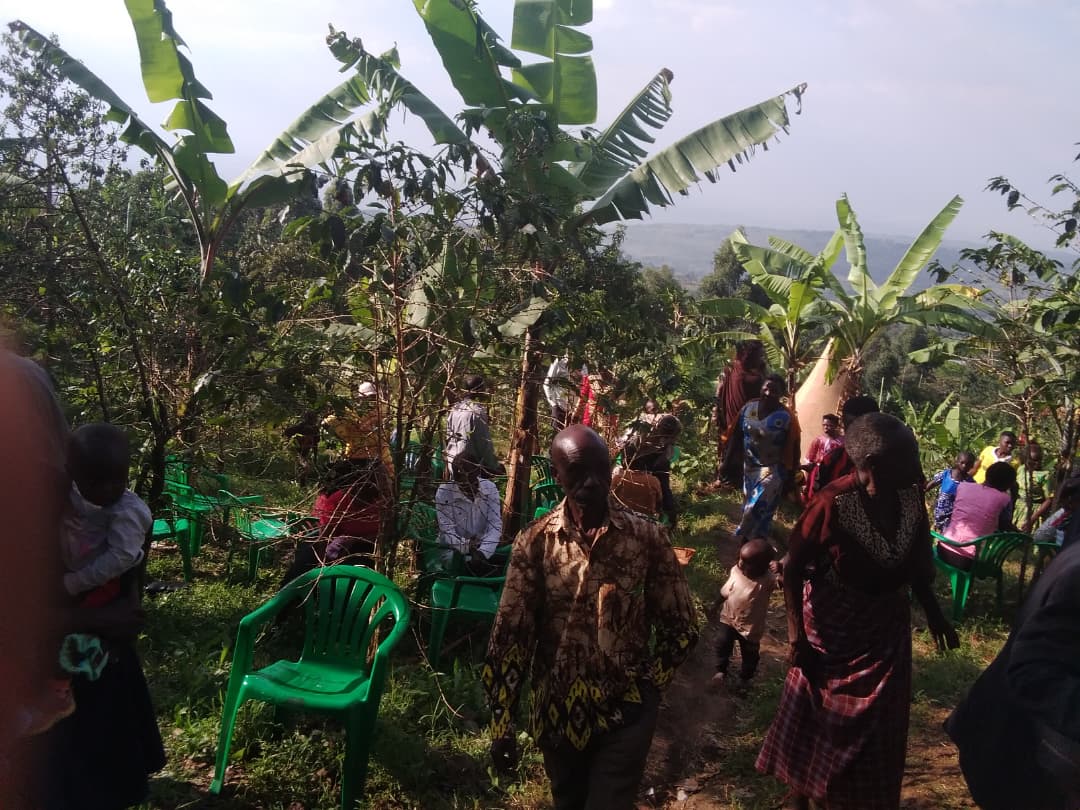
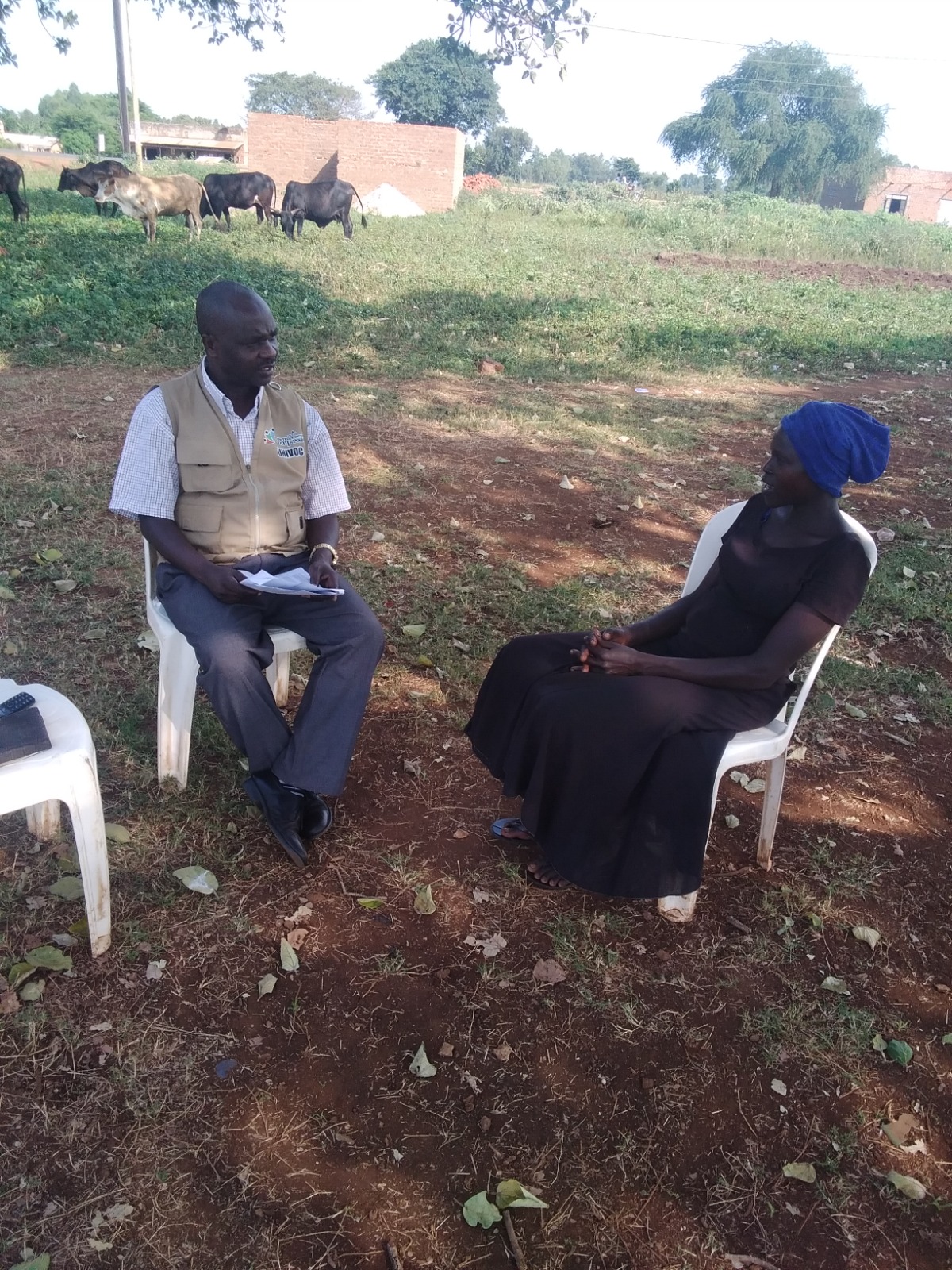
In October 2025, FSE convened a transformative community dialogue meeting at the Board Chairman's compound that brought together 23 participants representing diverse community categories including women, young girls, youth, persons with disabilities, elders, school-age children, and local leaders.
The meeting revealed something powerful: 16 of the 23 participants were women, representing 70% of attendees. This high female turnout reflects the community's recognition of women as primary environmental stewards and frontline responders to climate change impacts.
The women's voices were clear and urgent. They spoke about walking long distances to collect firewood because over 90% of households depend on it for cooking. This daily burden exposes them and their daughters to sexual violence, harassment, and exhaustion from hard labor.
"When we can't find firewood quickly, meals are delayed," one participant shared. "This causes conflict at home and sometimes leads to violence."
The stories revealed interconnected challenges: girls missing school to collect firewood, contaminated water sources forcing long walks for water, crops failing due to erratic rainfall, and the constant threat of landslides destroying homes and farmlands on the steep slopes of Bumasifwa.
What made this meeting remarkable was not just the identification of problems, but the community's active participation in co-creating solutions. Through participatory ranking, community members themselves identified and prioritized six key projects, with safe water access emerging as the top priority.
This wasn't a top-down process where outsiders told the community what they needed. This was the community taking ownership of their environmental future, leveraging indigenous knowledge, and demanding their right to participate in decision-making about their resources and environment.
The dialogue demonstrated a community eager to take charge of its climate adaptation and environmental future. While constrained by limited resources and technical skills, their determination, indigenous knowledge, and readiness to act provide a strong foundation for sustainable change.
As one elderly woman stated at the closing: "We have lived with this land for generations. We know what it needs. Now we need partners who will walk with us, not ahead of us."
This is the essence of FSE's community-led model: empowering local voices, respecting indigenous knowledge, and ensuring women and marginalized groups lead the way in environmental stewardship and climate action.
Reflecting on Five Years of Community-Driven Environmental Conservation
When a group of indigenous women in Bunamahande community came together in May 2020 to establish the Foundation for Sustainable Environment, they recognized a fundamental truth: the government of Uganda alone cannot fulfill every community's environmental needs. Communities must take ownership of their environmental future.
The founding principle was simple yet powerful: communities undertaking series of activities that result in sustainable environmental conservation and natural resource management. This wasn't about waiting for external solutions; it was about leveraging indigenous knowledge and community capacity to address environmental challenges head-on.
Since establishment, FSE has worked in partnership with local leaders to deliver a wide range of services to the community of Bunamahande. The organization has provided psycho-social support to indigenous populations, conducted community mobilization efforts, led tree planting initiatives, implemented soil erosion management practices, delivered hygiene and sanitation education, conducted gender-based violence screening and referral, and launched climate change campaigns.
The organization's affiliation with the National Environment Authority (NEMA) has provided legitimacy and technical guidance, while partnerships with district environmental officers and local leaders have ensured programs are grounded in local realities.
Today, FSE serves more than 200 members across all communities of Bumasifwa Sub-county. But these numbers represent more than statistics; they represent women who no longer walk dangerous distances alone for firewood, youth engaged in environmental clubs learning about climate action, elders sharing indigenous knowledge with younger generations, and communities actively participating in decisions about their environmental future.
FSE's October 2025 community dialogue meeting revealed both the magnitude of challenges ahead and the community's readiness to address them. From energy-saving cook stoves to safe water access, from tree nurseries to women-led savings groups, the priority projects identified by the community chart a clear path forward.
The journey from 2020 to today demonstrates that when communities are empowered to lead their own environmental conservation efforts, when indigenous knowledge is valued alongside modern approaches, and when women are recognized as environmental stewards, meaningful and sustainable change becomes possible.
FSE's story is ongoing, written daily by community members committed to ensuring a sustainable environment for present and future generations.
As FSE continues its work across Bumasifwa Sub-county, we will be sharing more stories of community resilience, environmental conservation success, and the lived experiences of those at the frontline of climate change. Check back regularly for updates from our field work, community voices, and beneficiary testimonials.
Access FSE's research reports, community assessments, and documentation of our environmental and climate action work.
Type: Community Assessment Report
Date: October 26, 2025
Location: Bunamahande Parish, Bumasifwa Sub-county, Sironko District
This comprehensive report documents findings from FSE's community dialogue meeting that brought together 23 participants (16 women and 7 men) to identify and analyze key environmental, climate change, and socio-economic challenges affecting households in Bunamahande Parish.
Prepared by: Charles Wanziima Samuel, Executive Director
Contact us for access to the full report
Type: Project Implementation Guide
Date: 2025
Detailed implementation guidelines for FSE's three initial community projects, providing step-by-step approaches for community-led environmental initiatives.
Each project includes: site identification processes, community engagement strategies, partnership development approaches, implementation steps, monitoring methods, and documentation requirements.
Contact us for access to the full project implementation guide
FSE is committed to evidence-based environmental action and transparent reporting. We are currently developing:
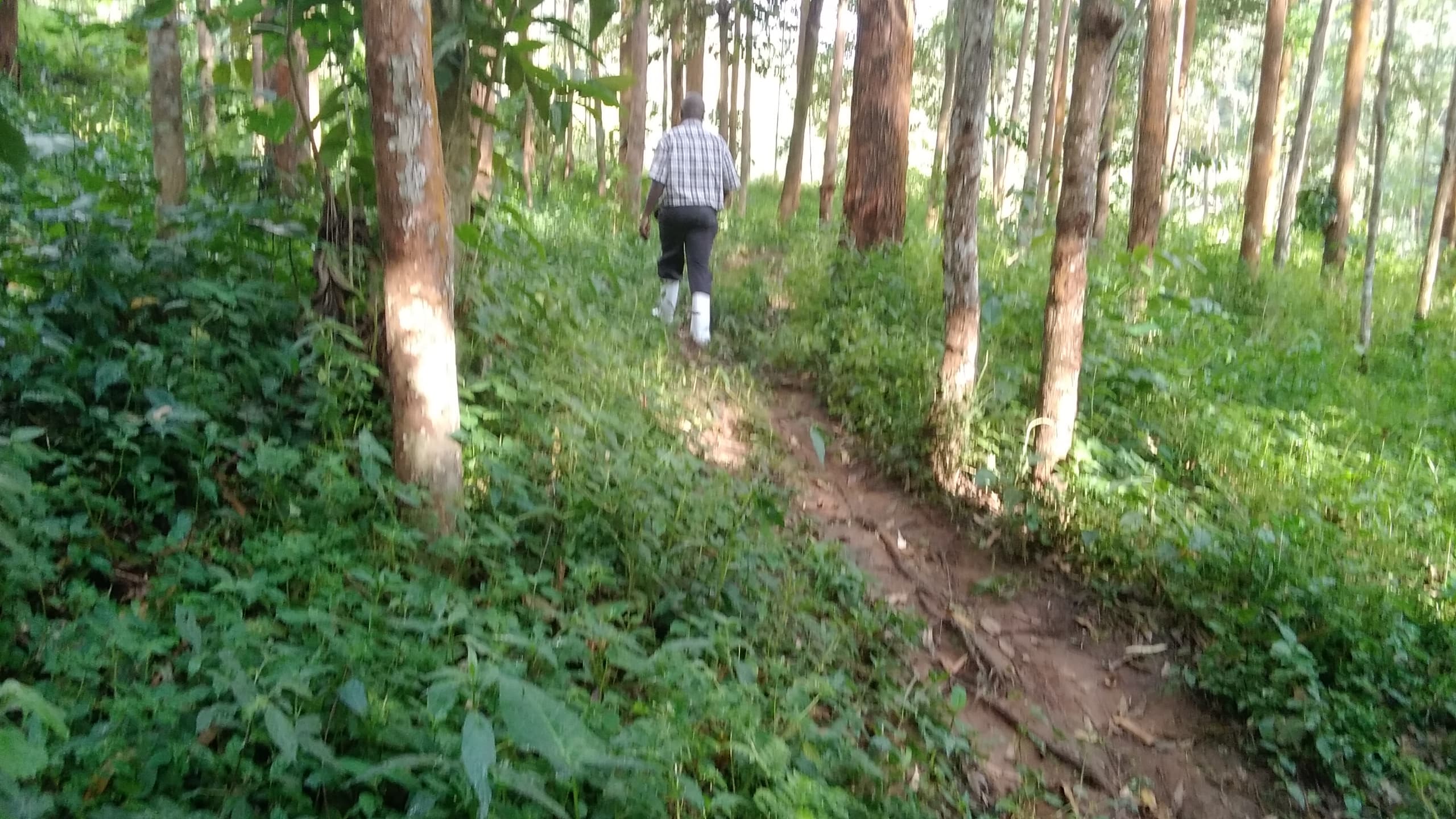
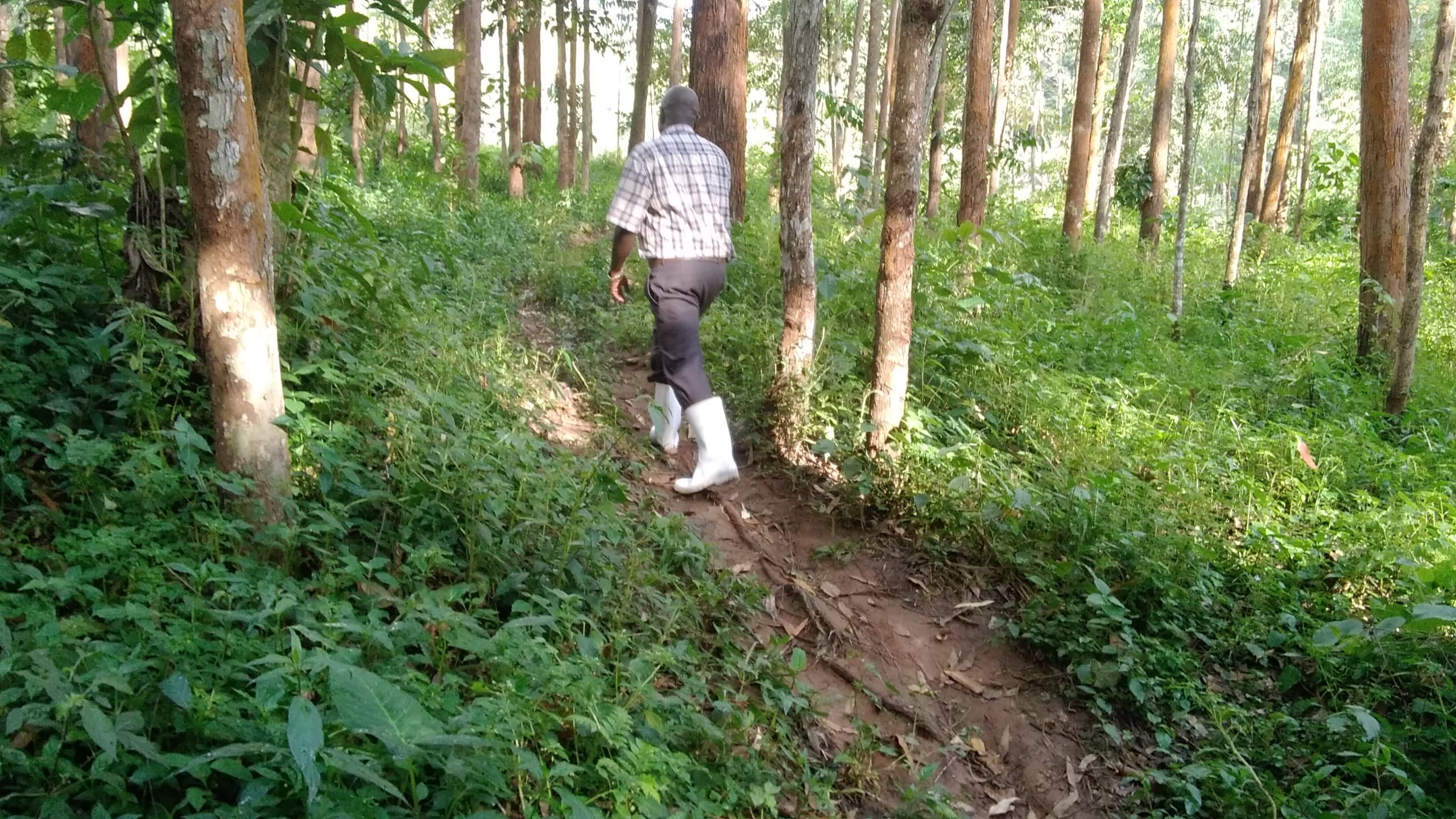
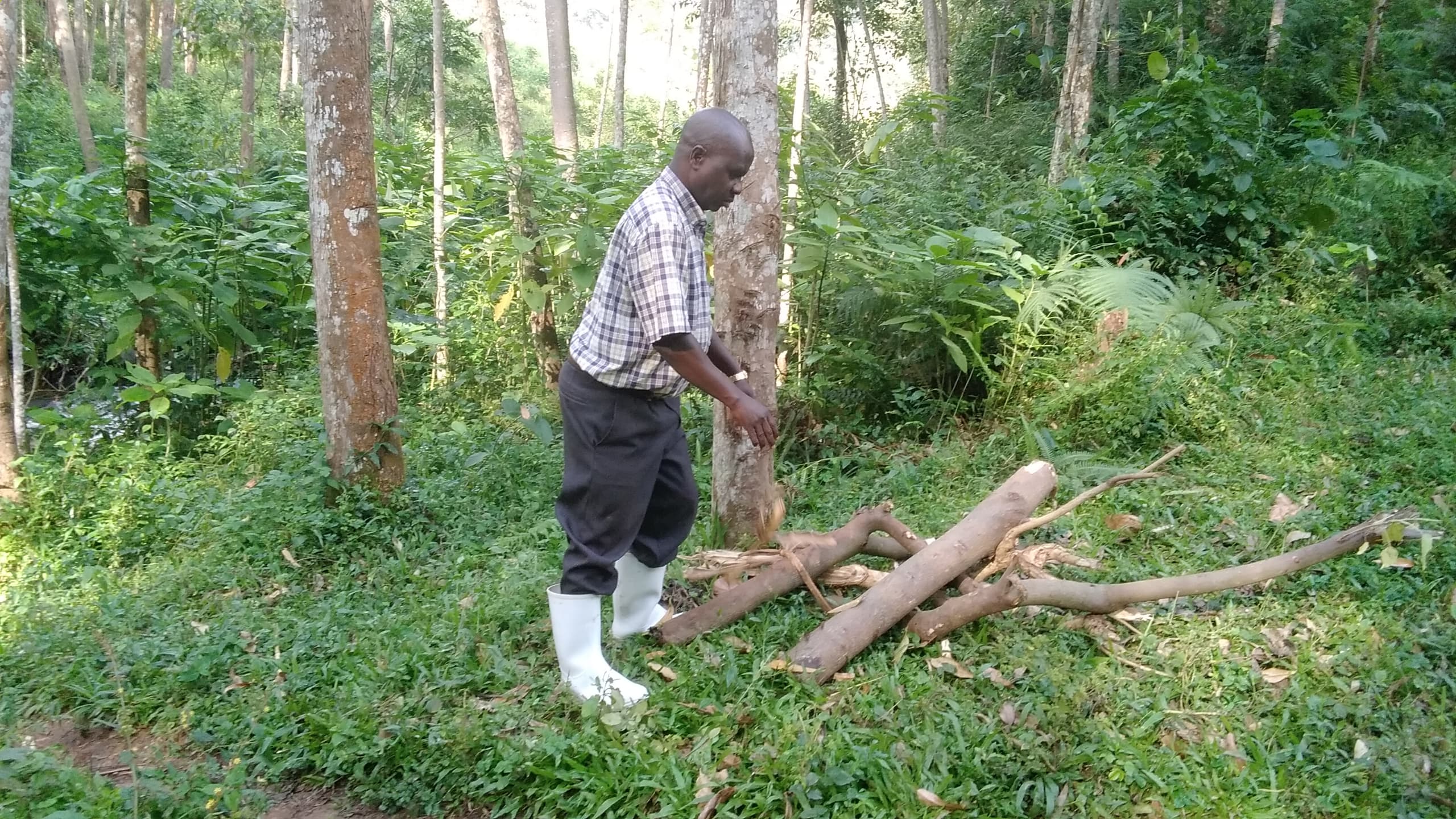
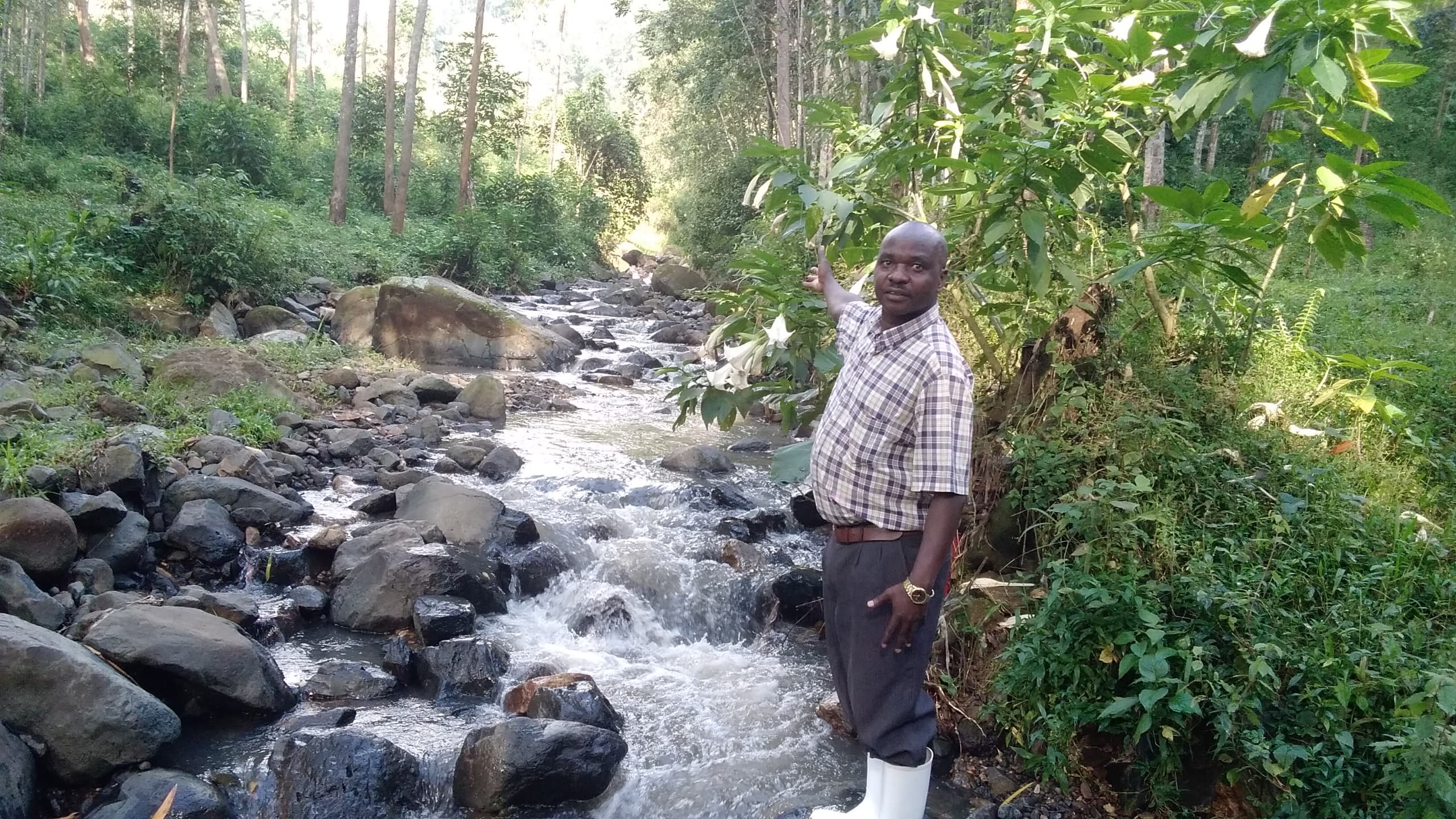
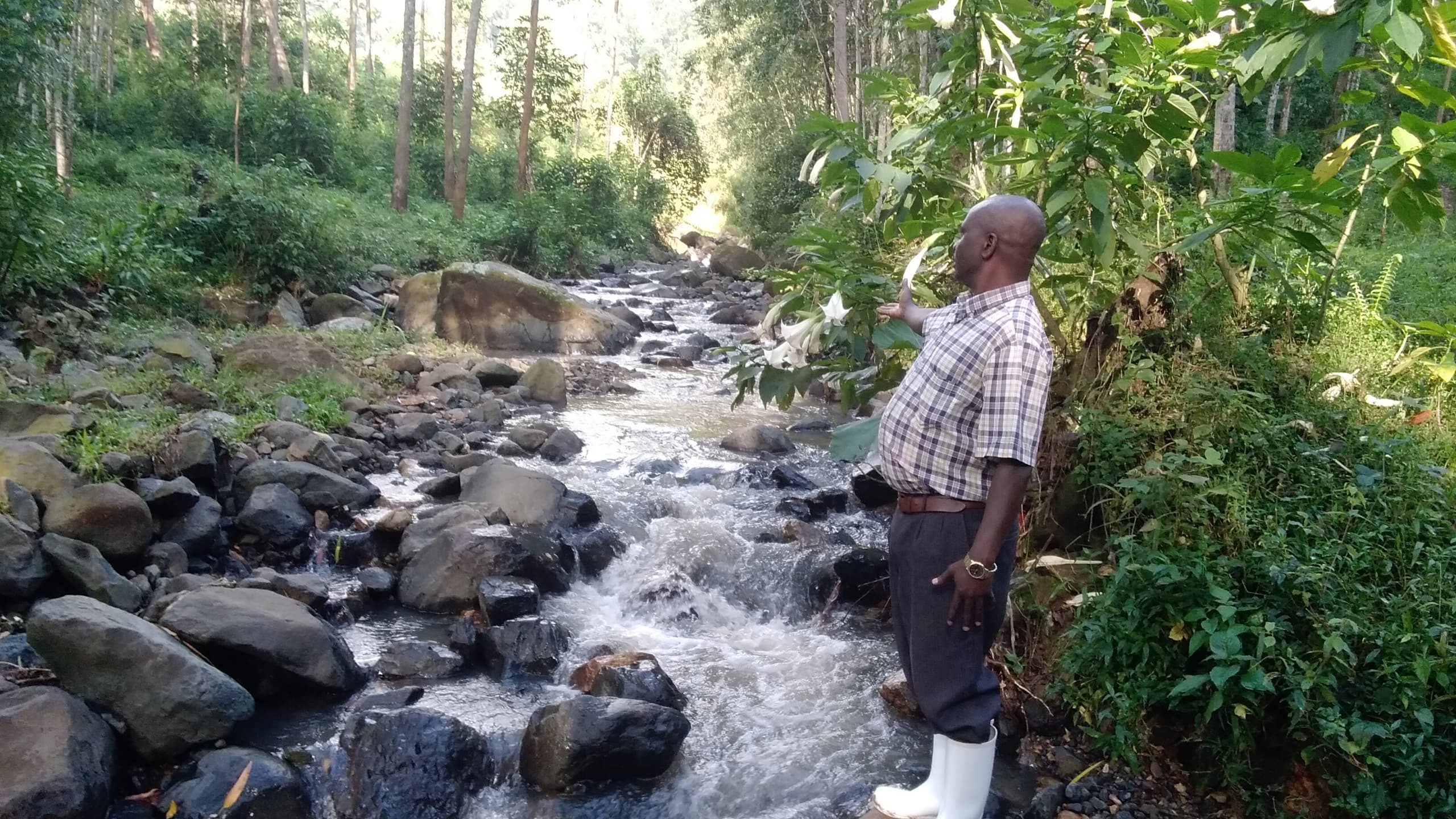
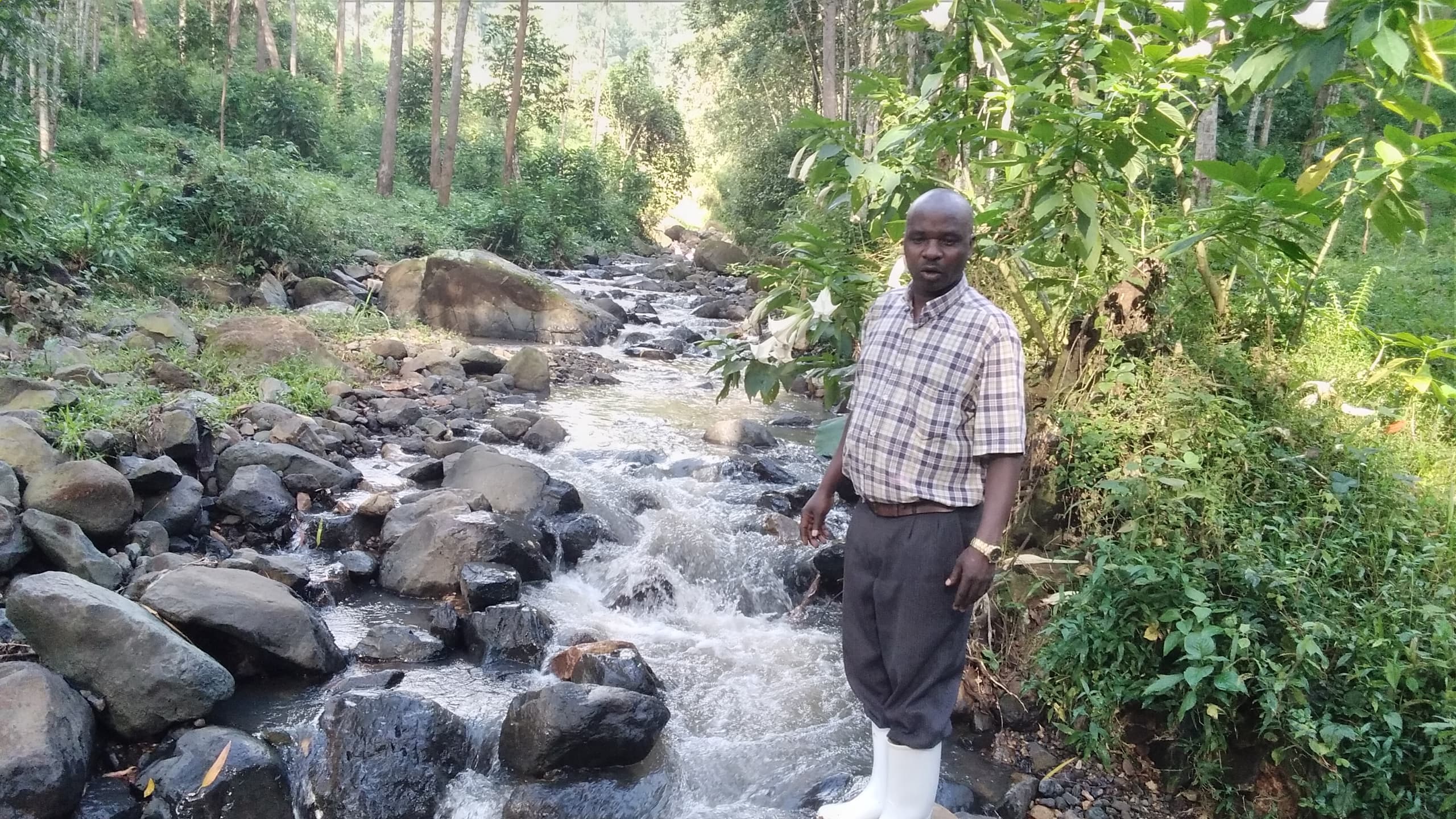
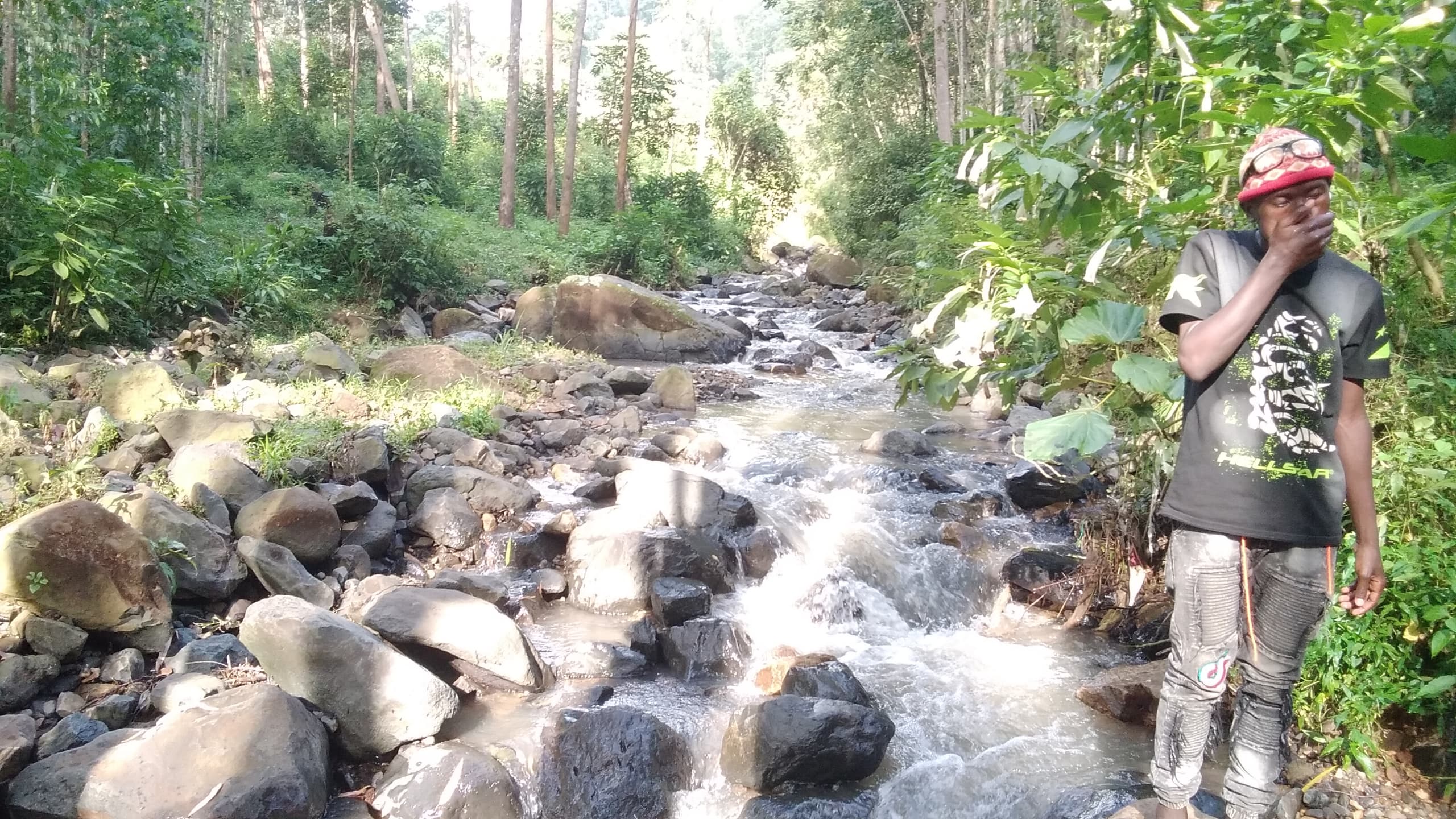
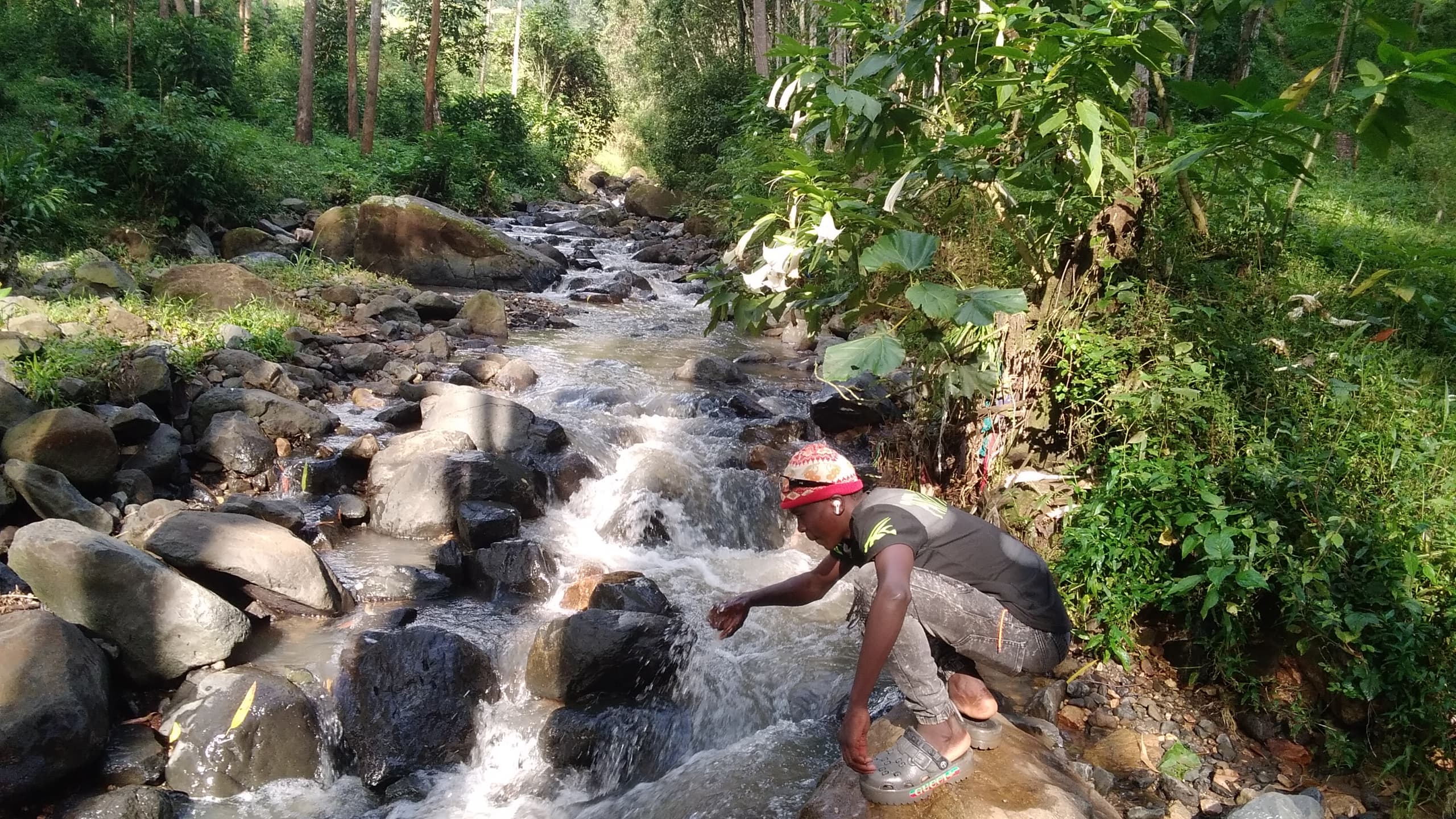
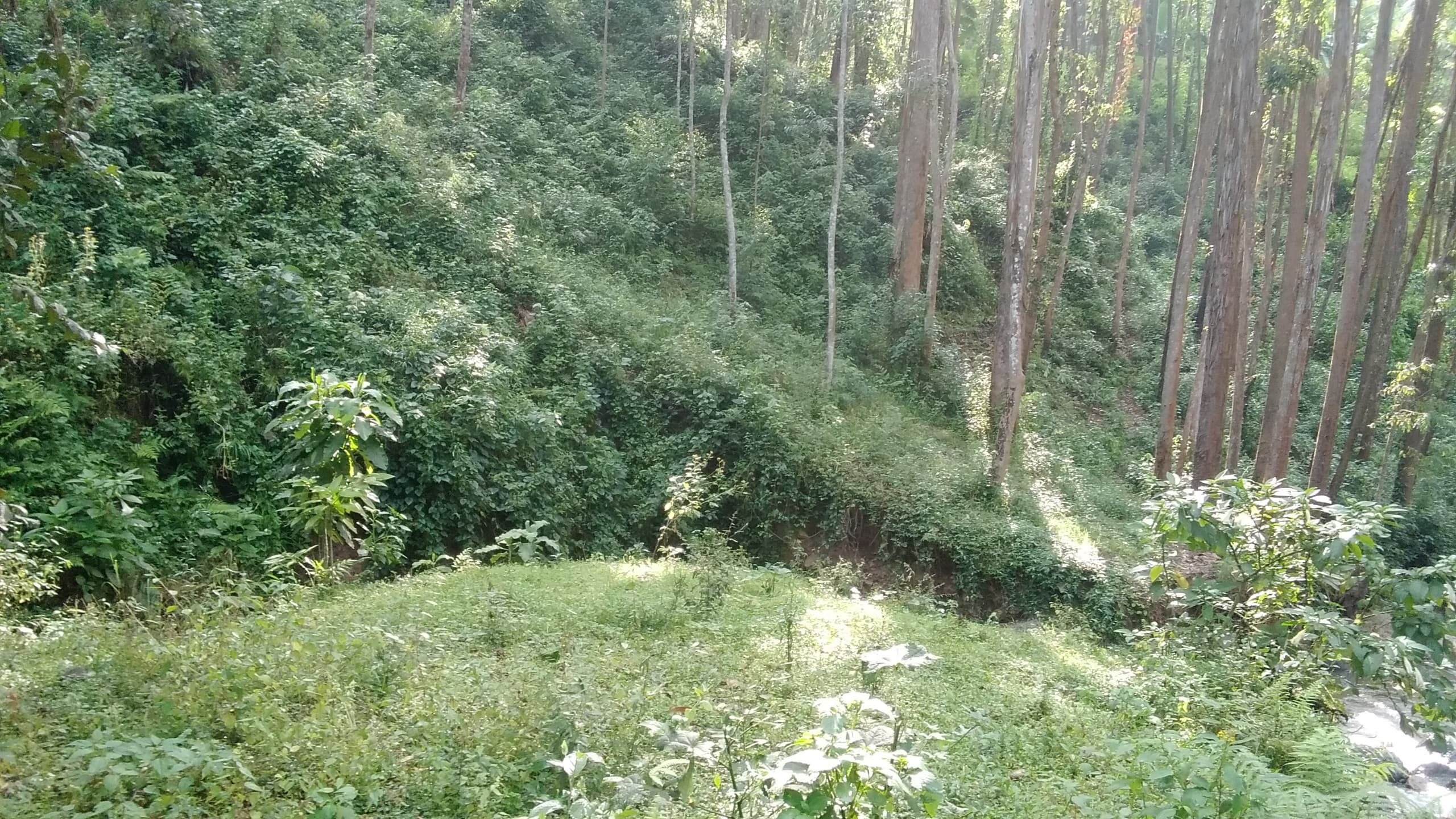
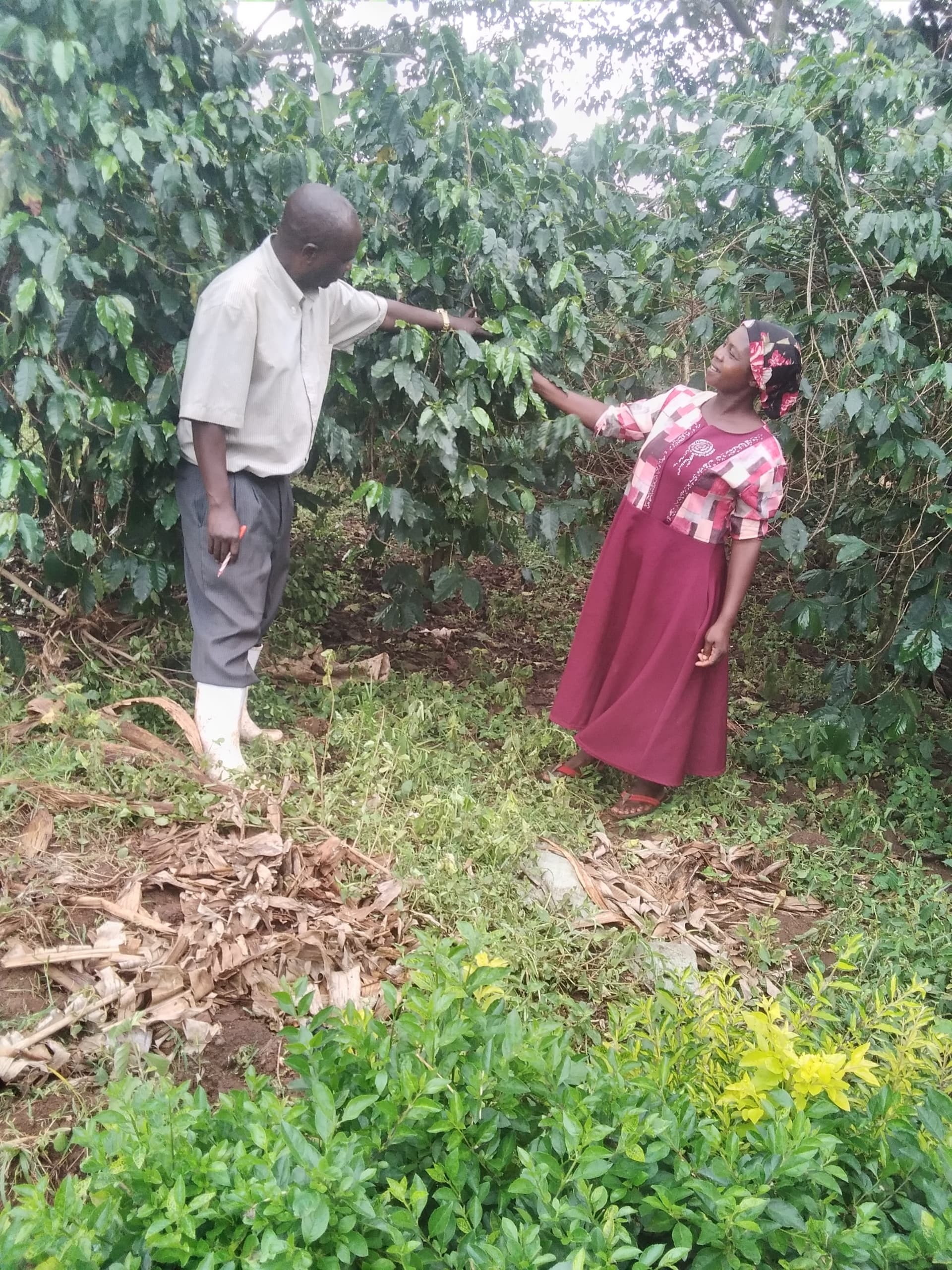
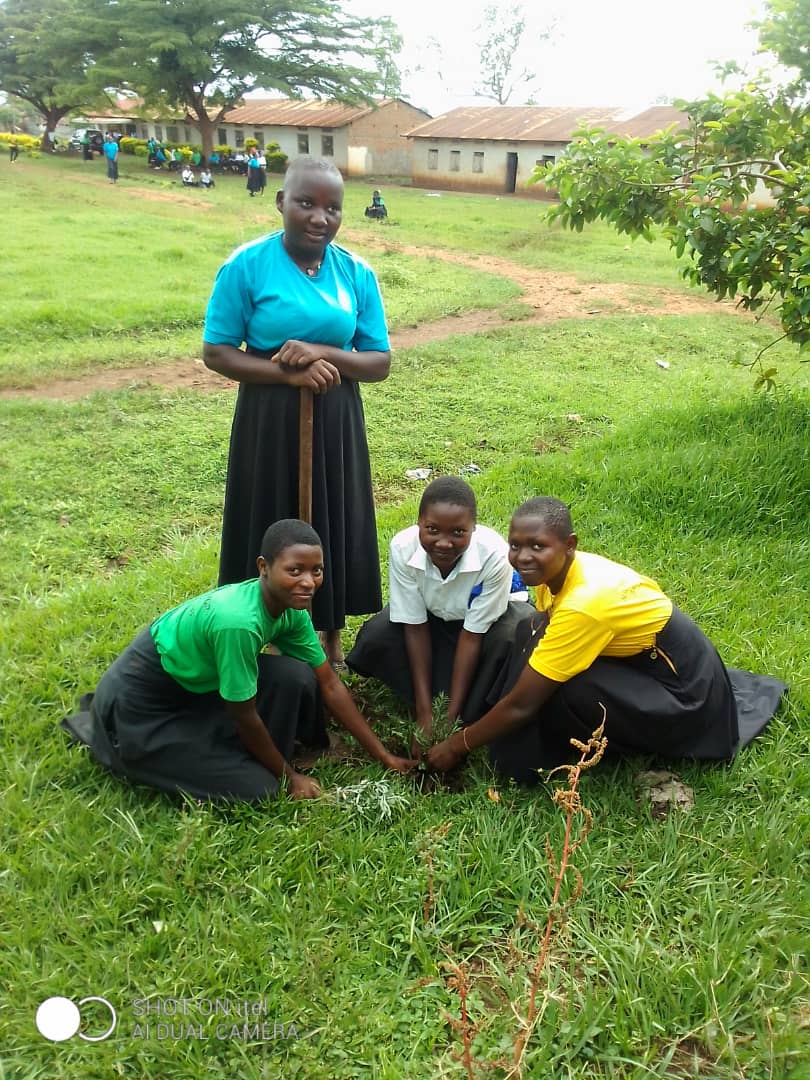
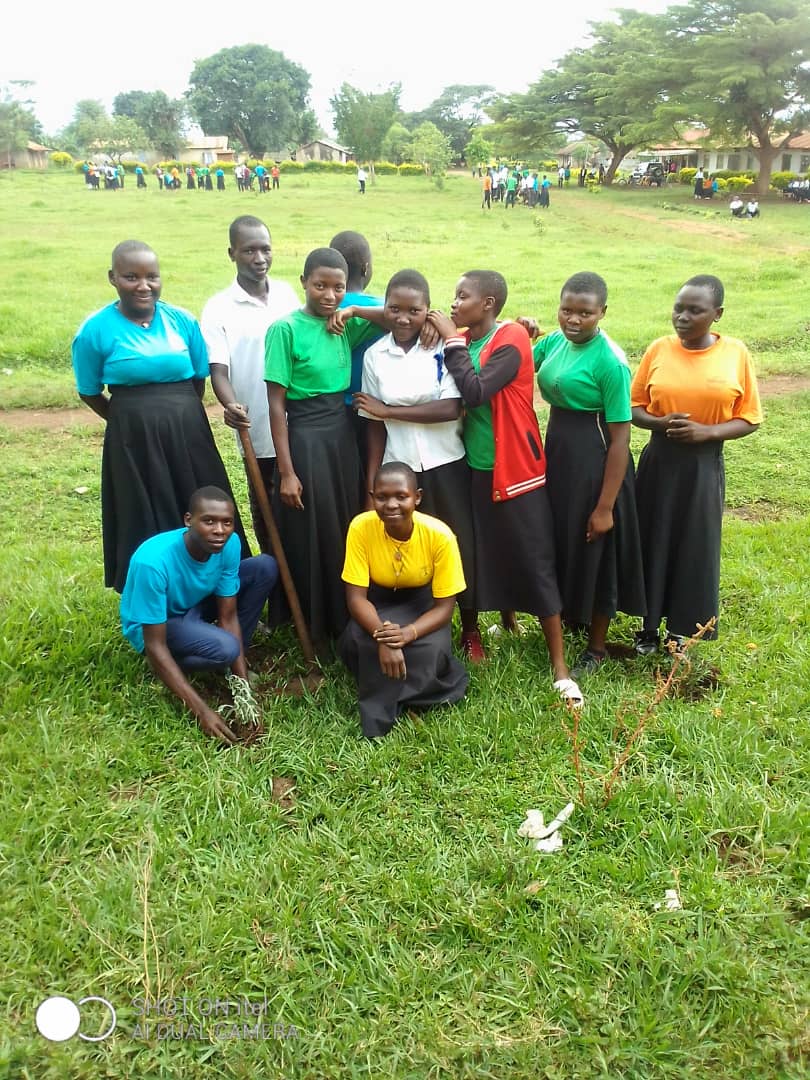
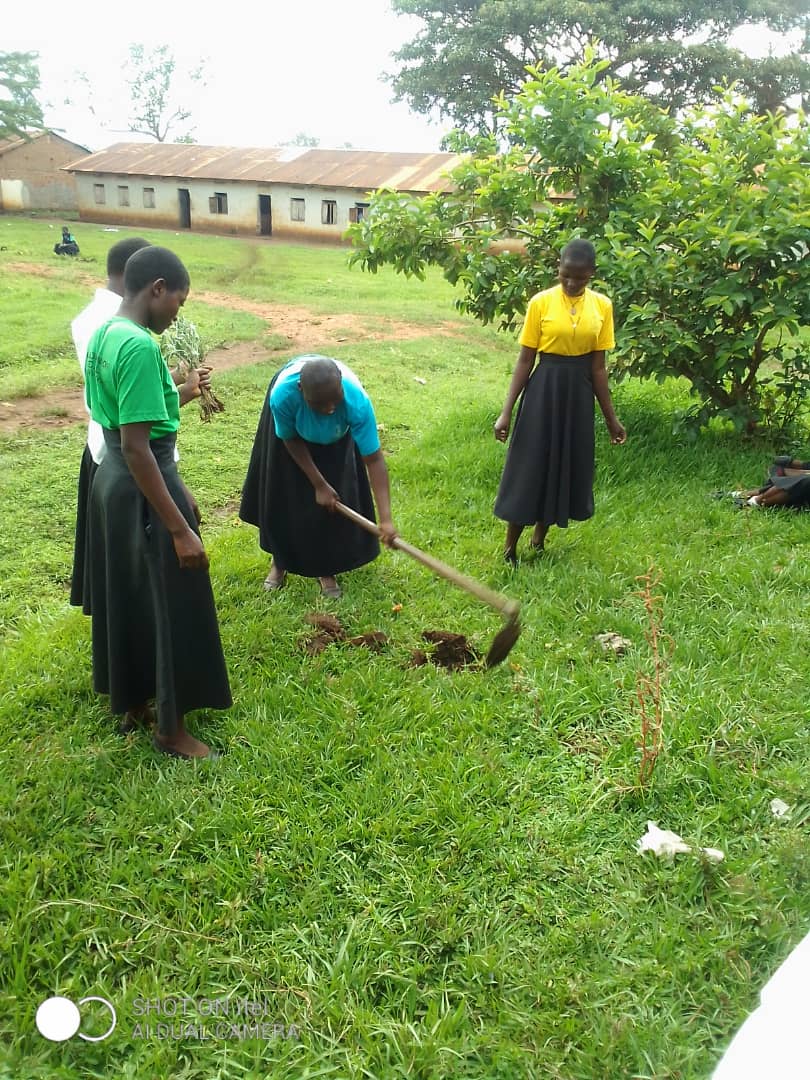
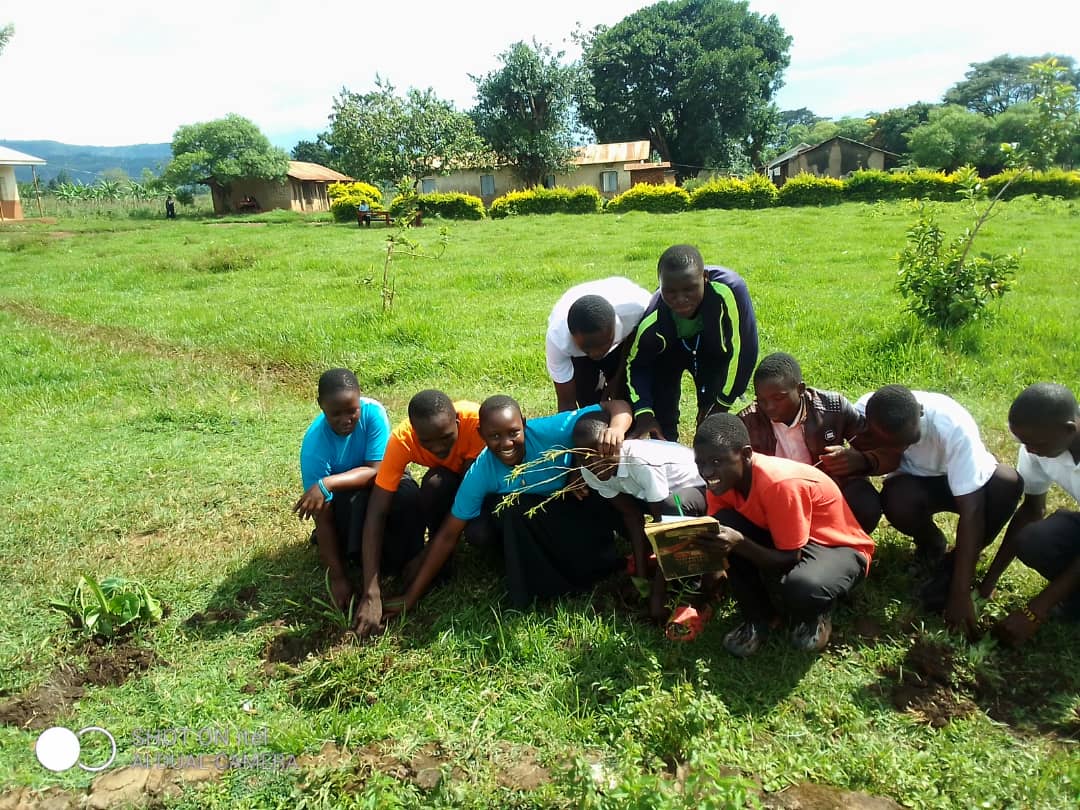
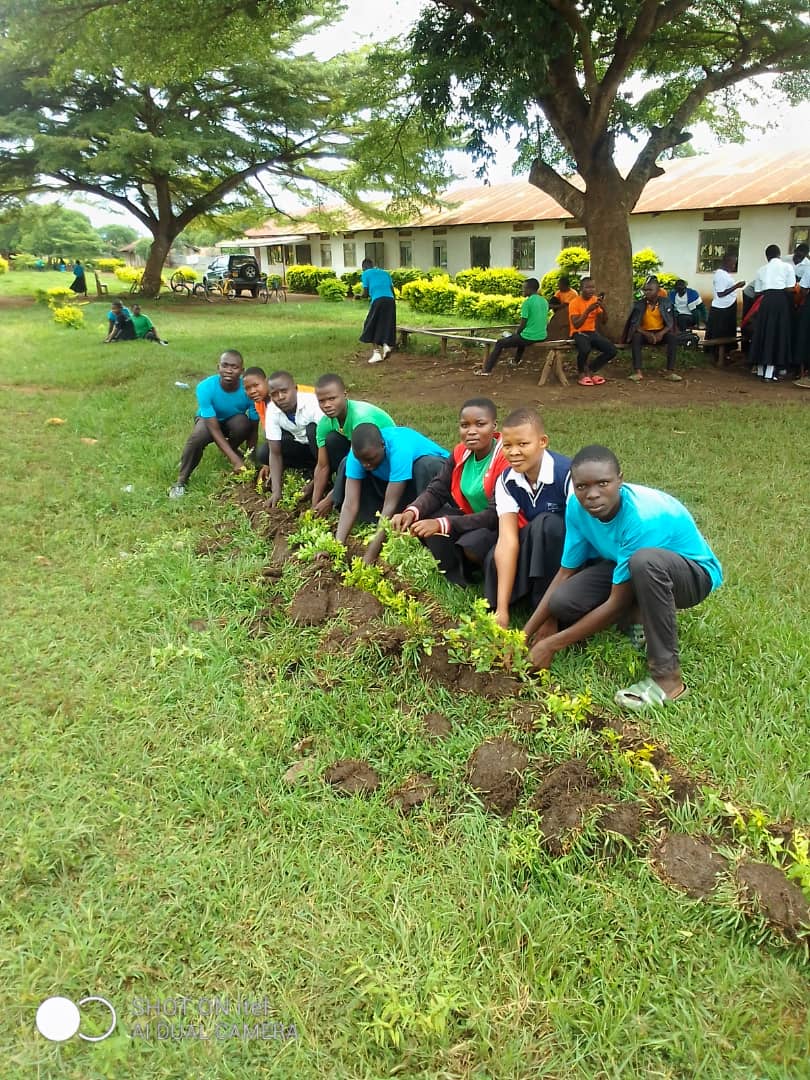
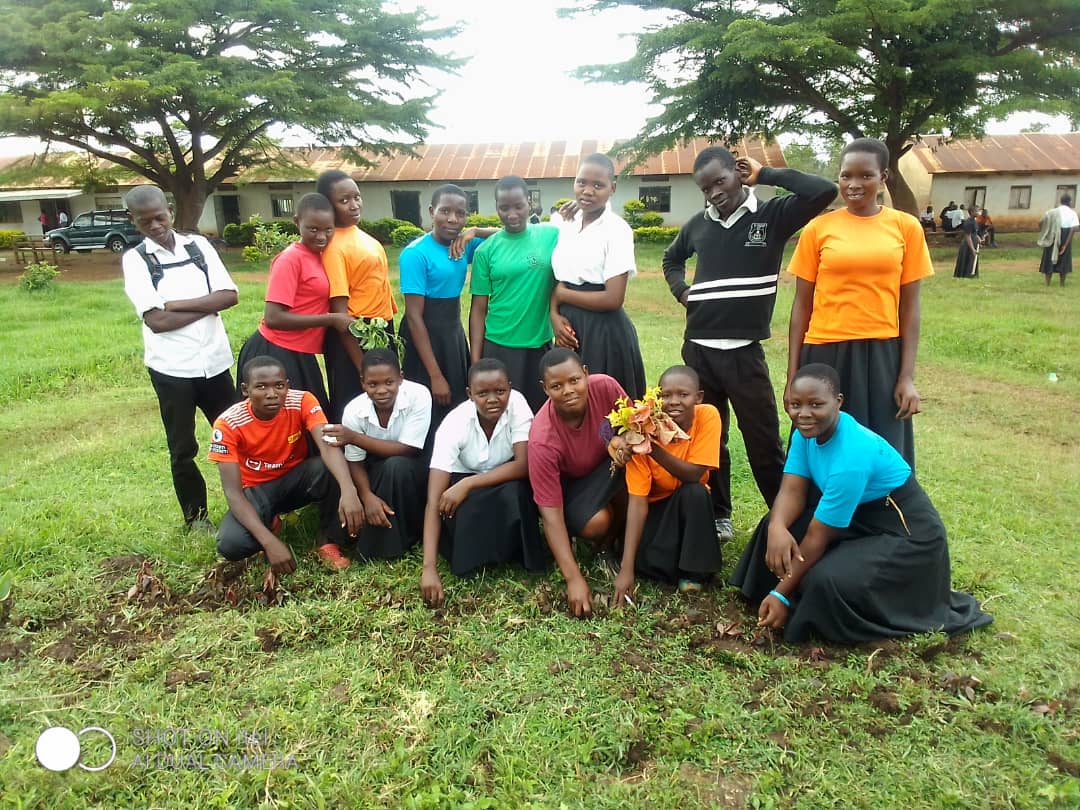
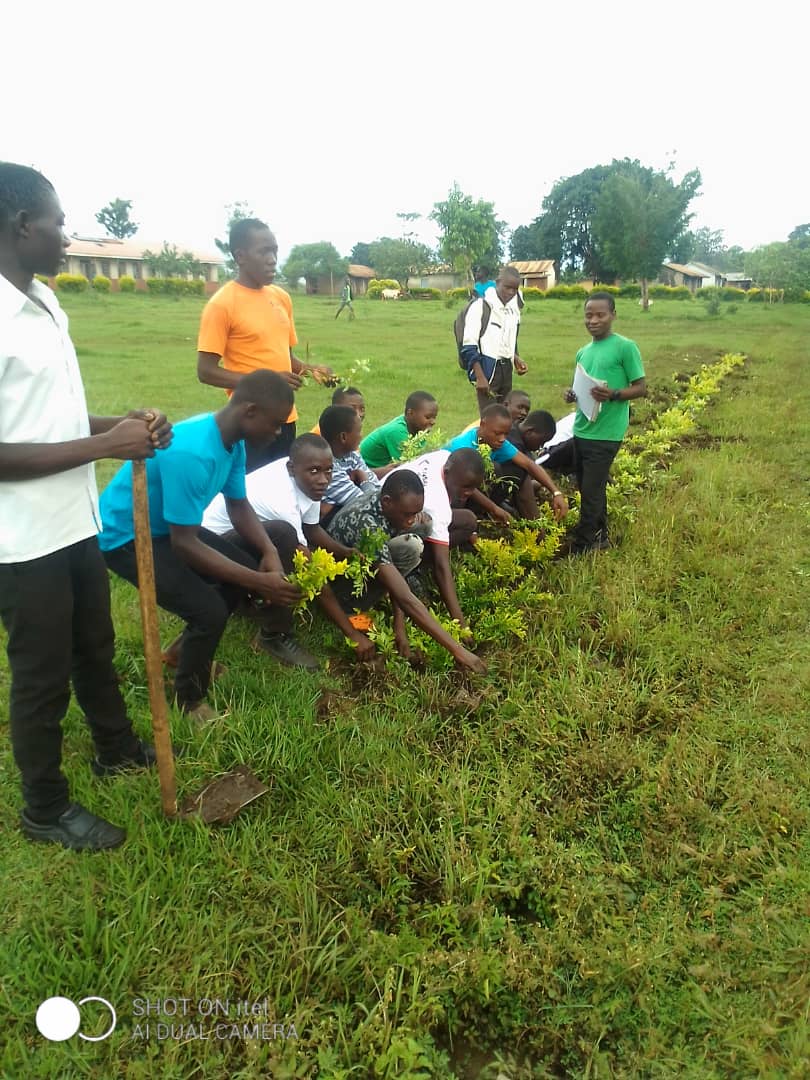
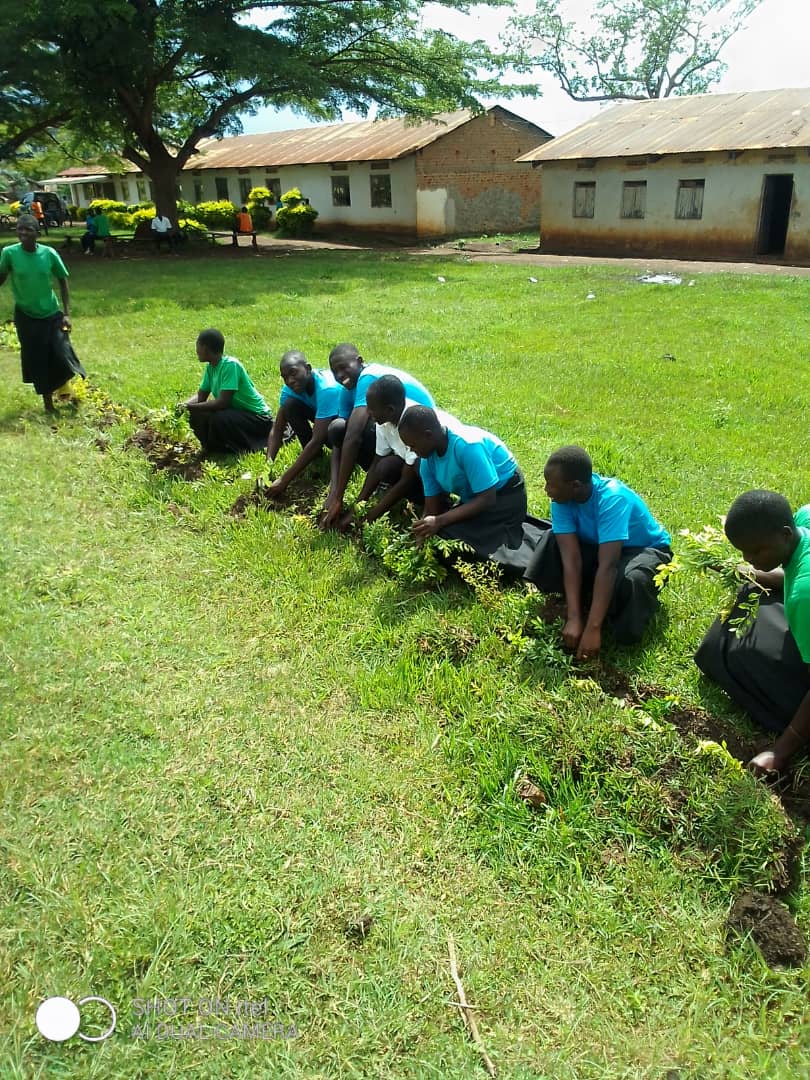
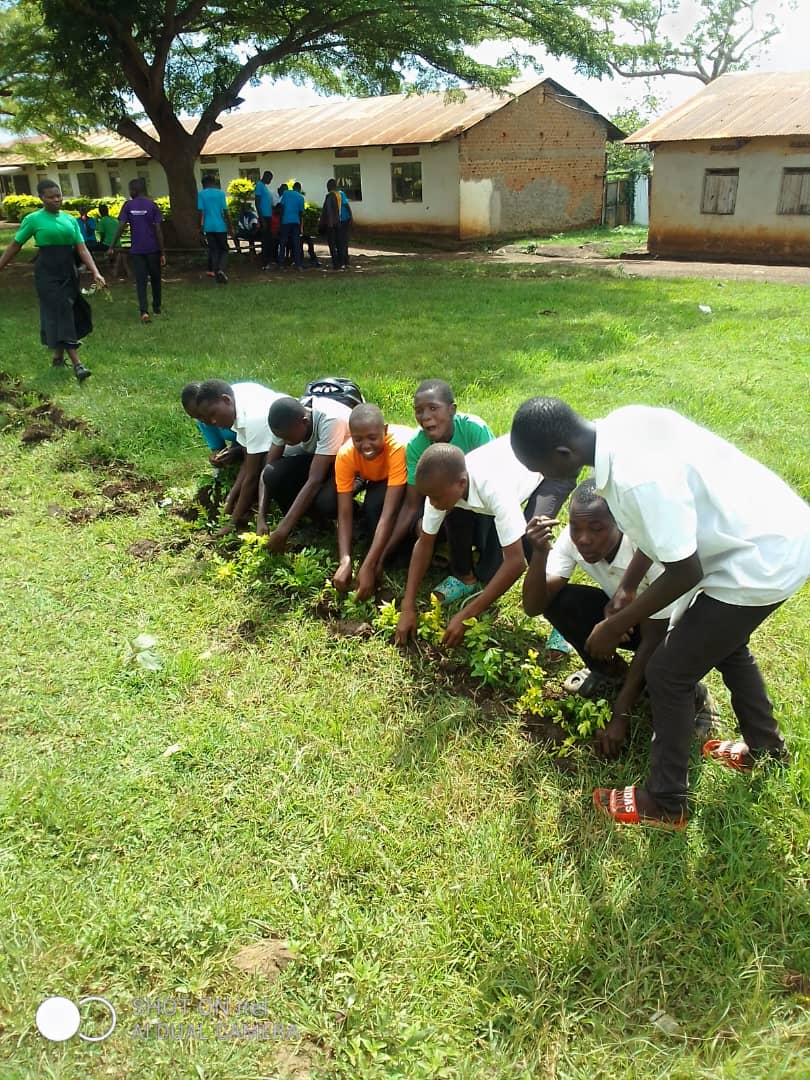
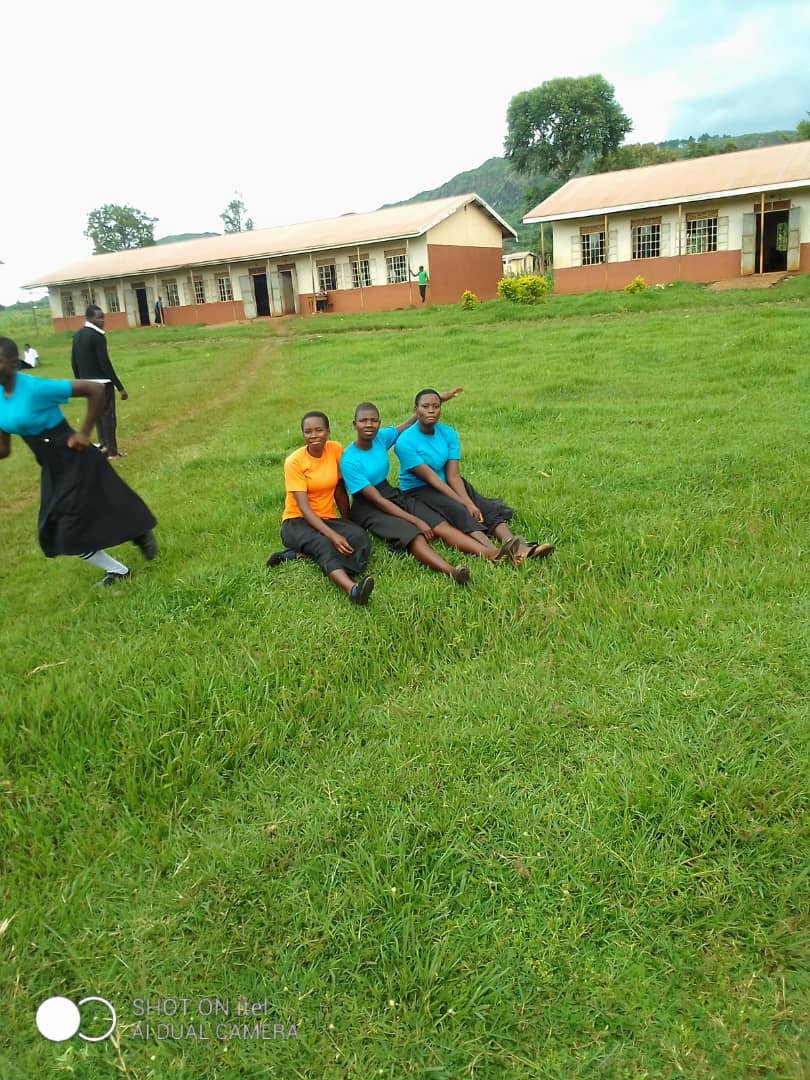
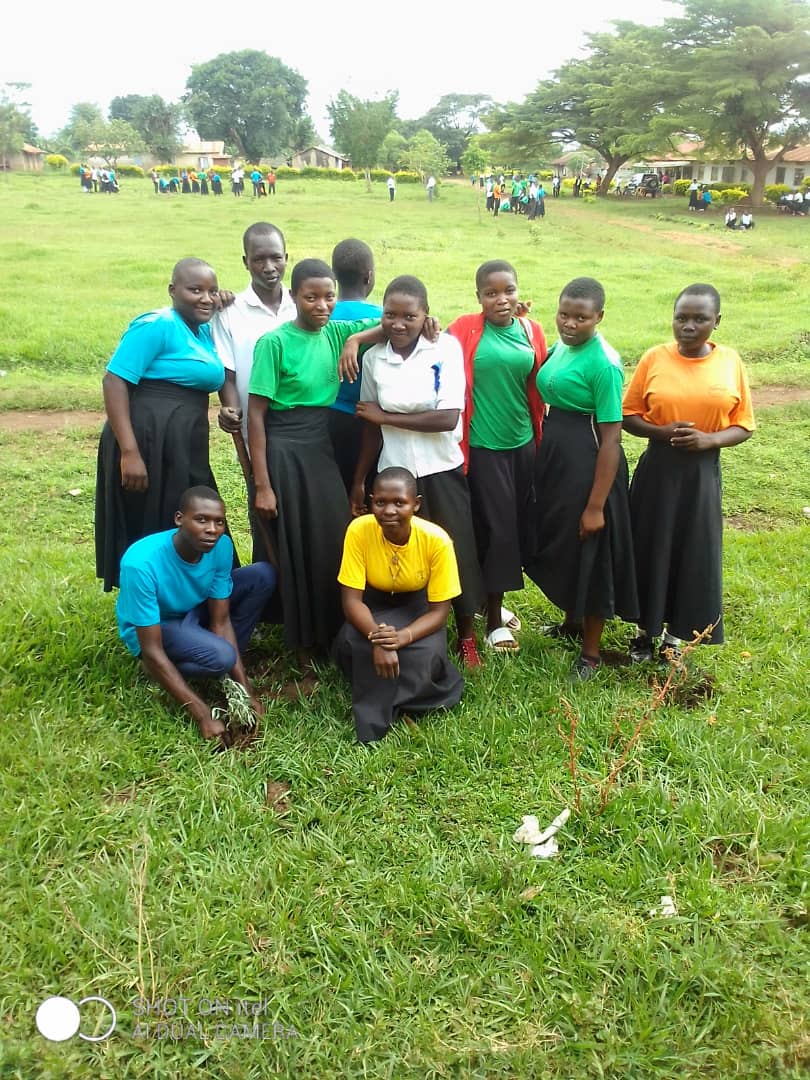
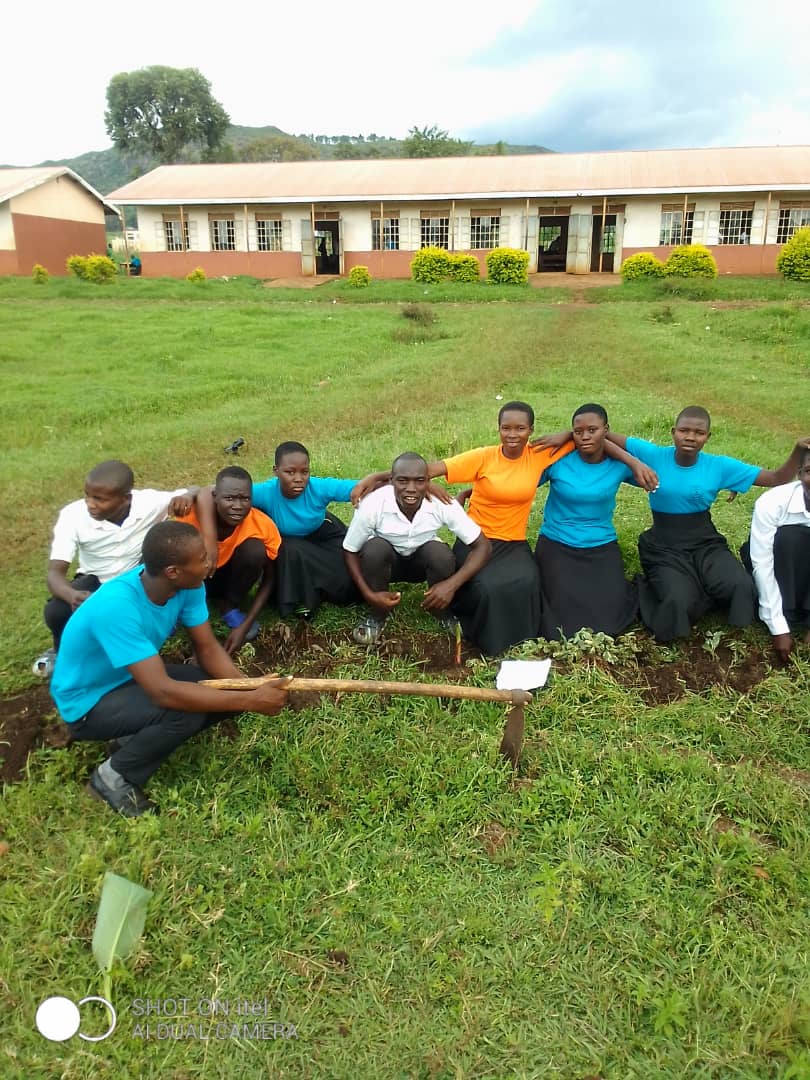
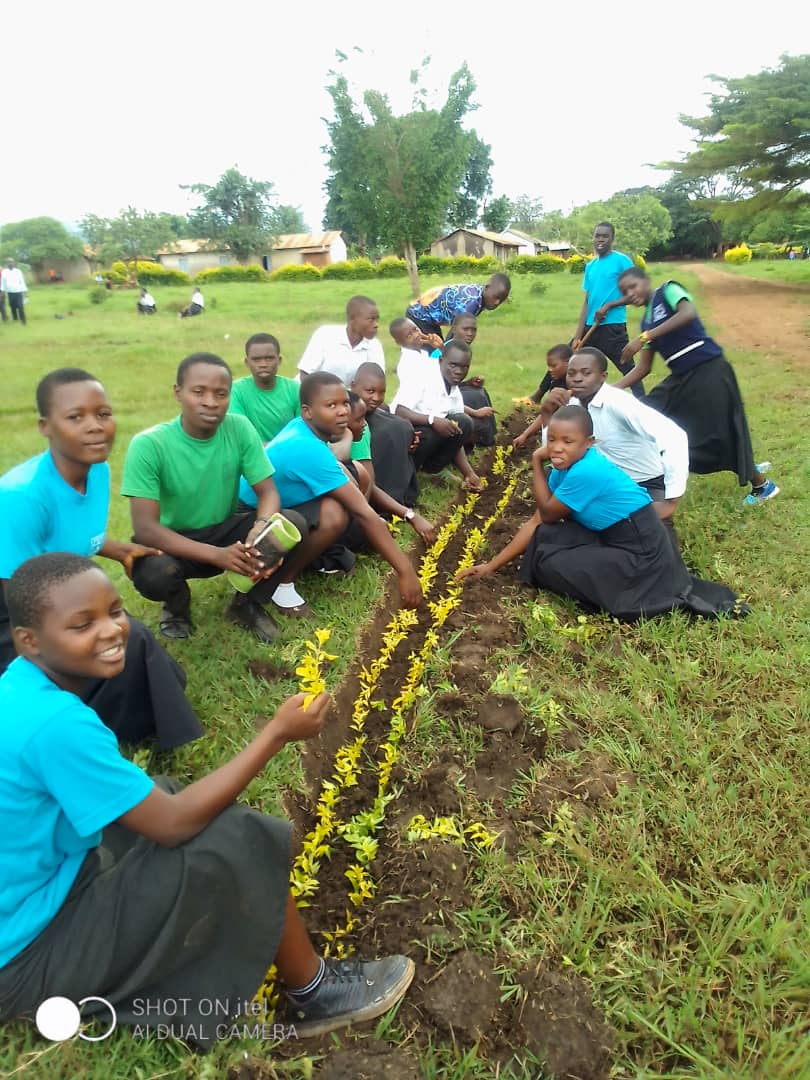
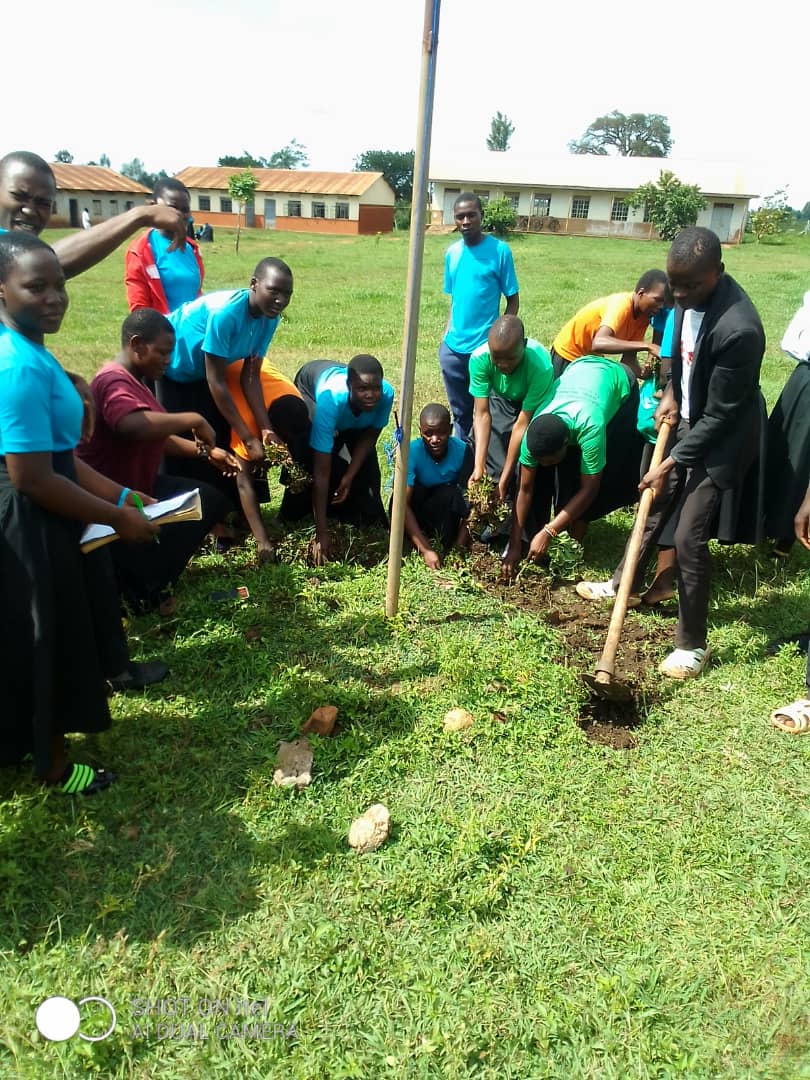
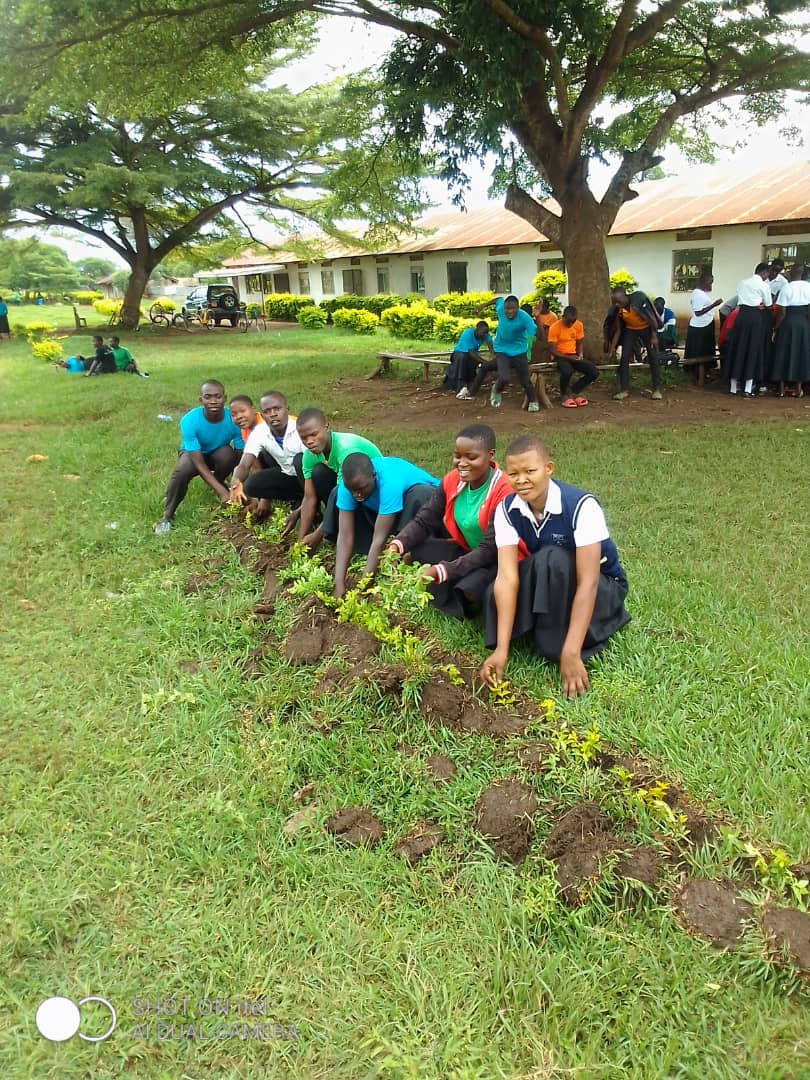
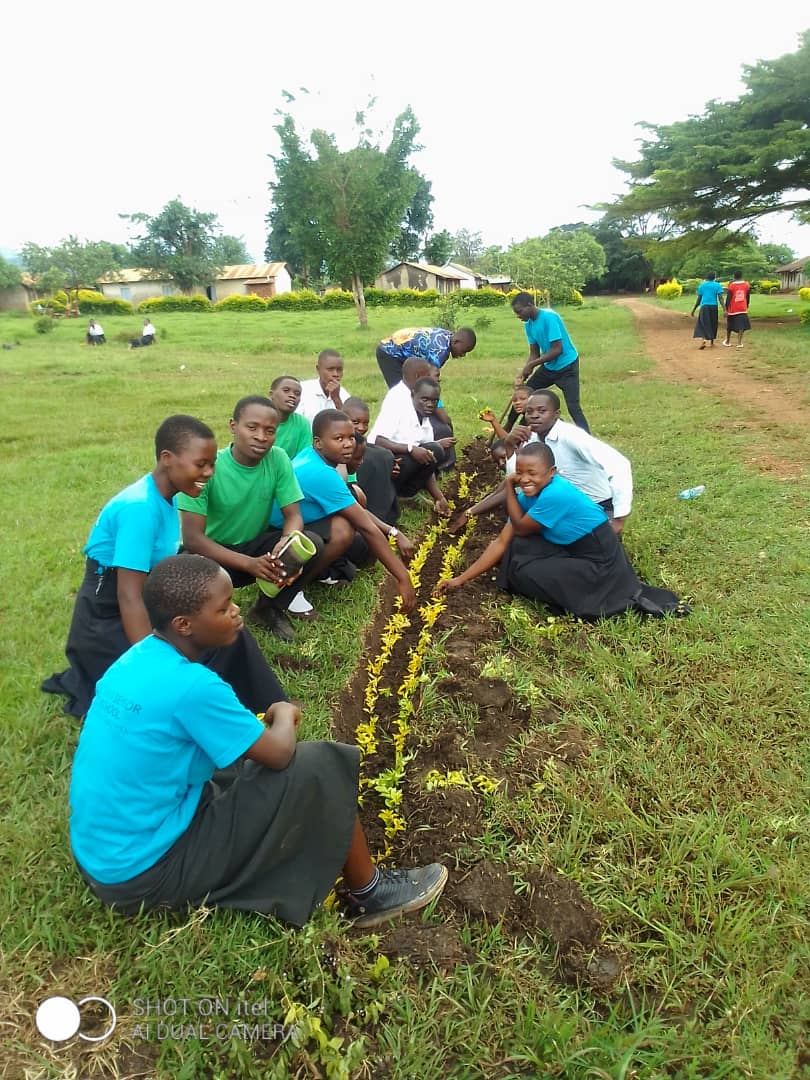
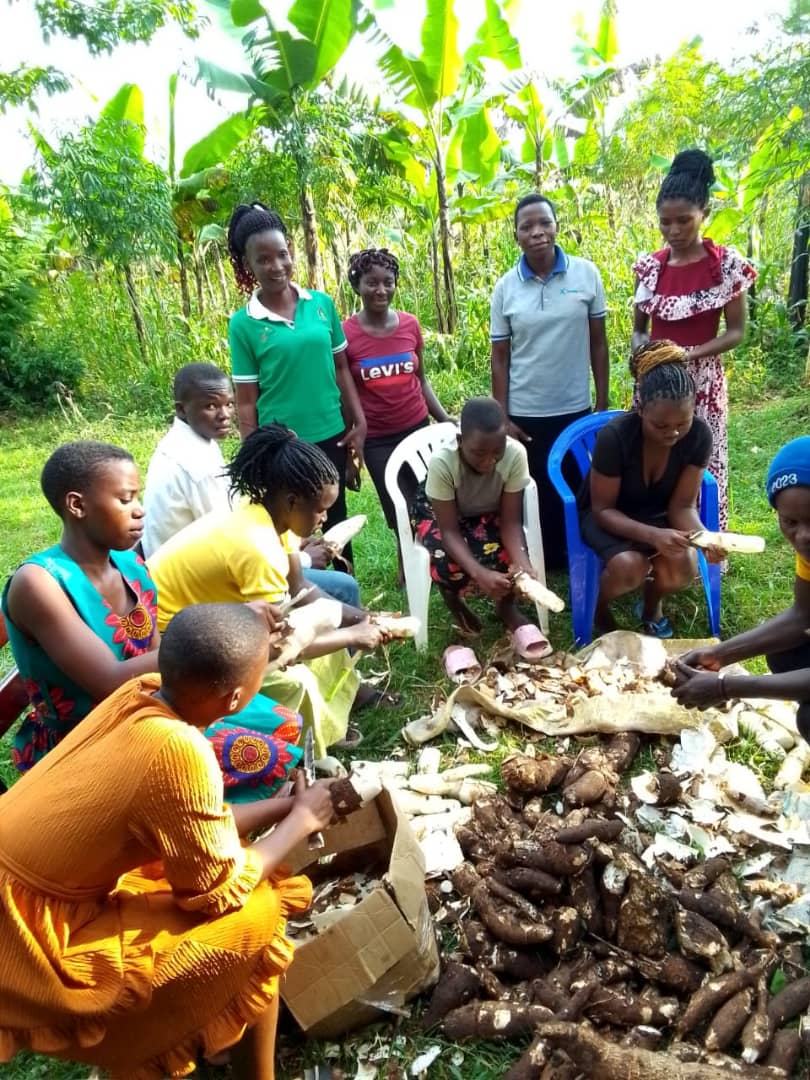
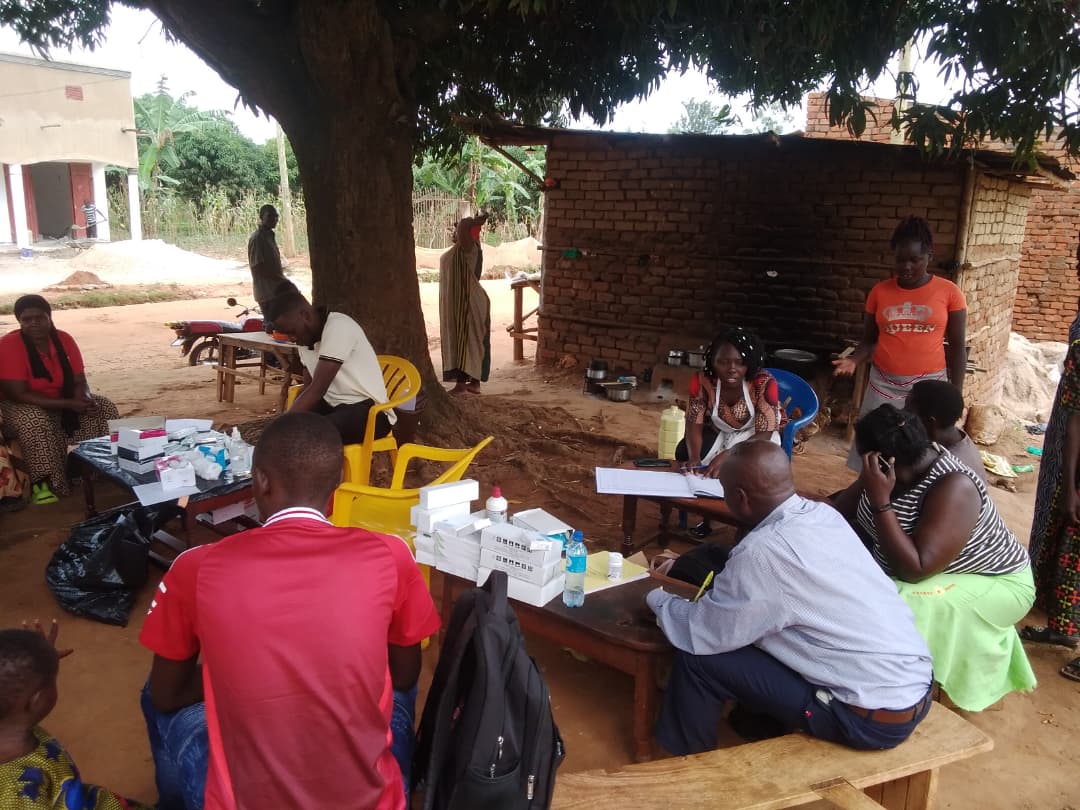
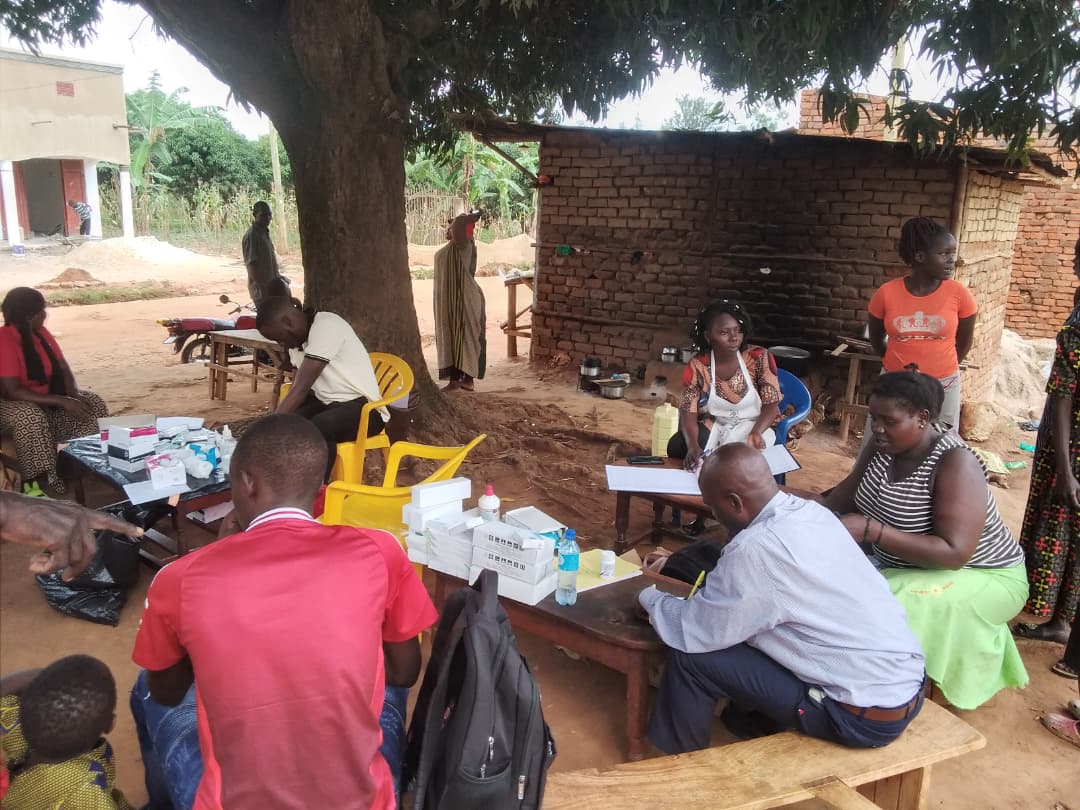
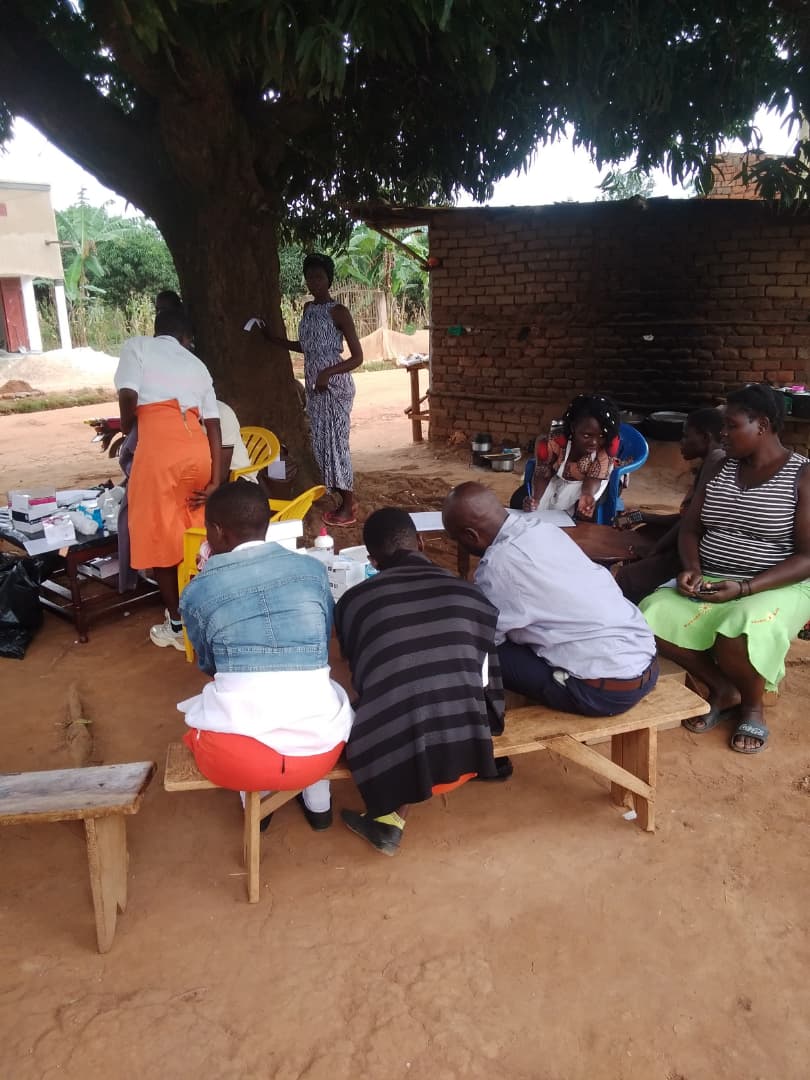
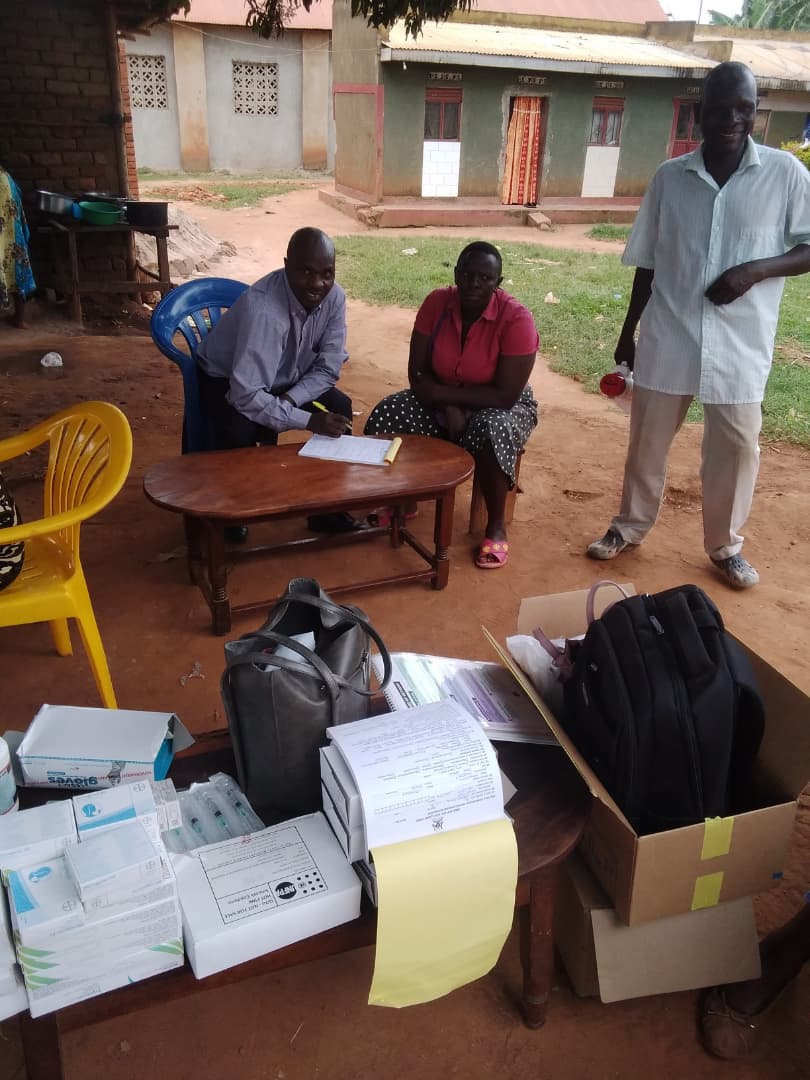
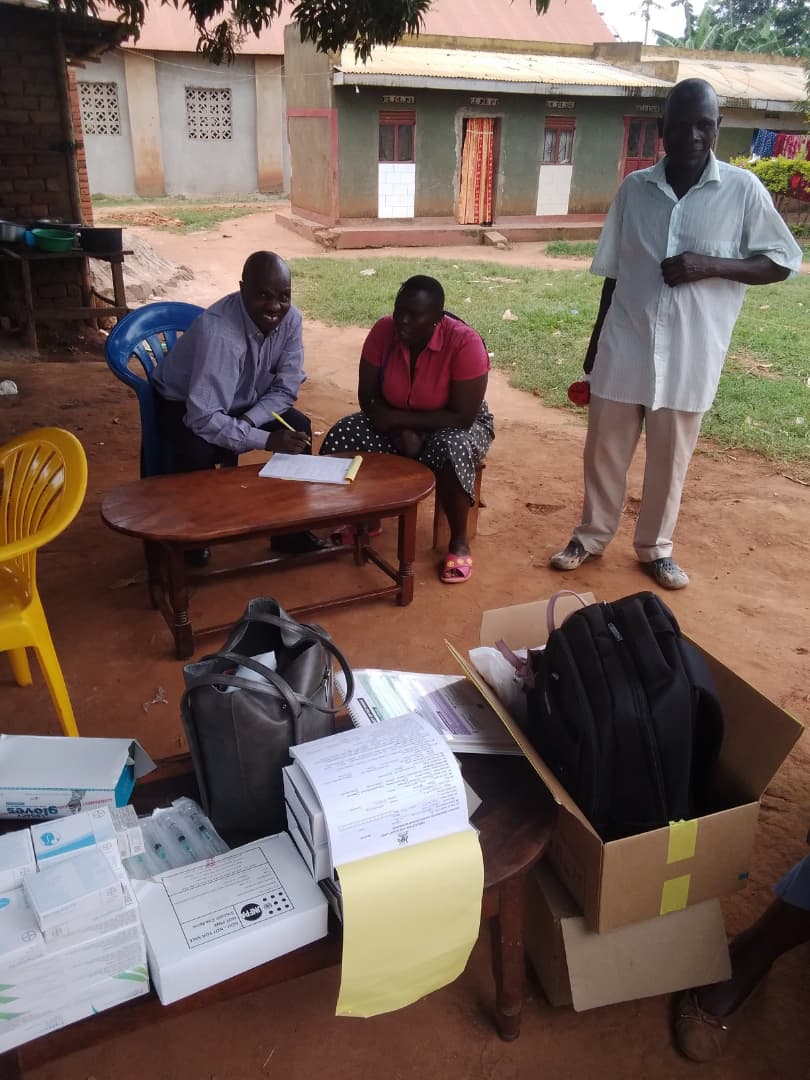
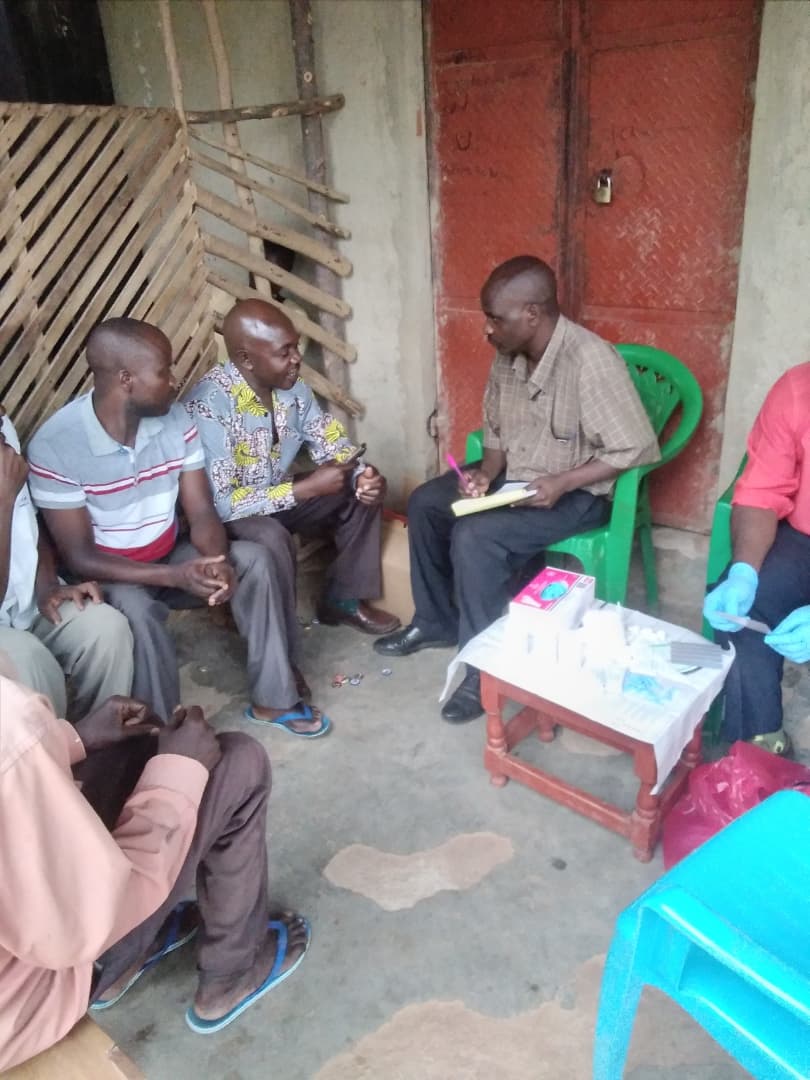
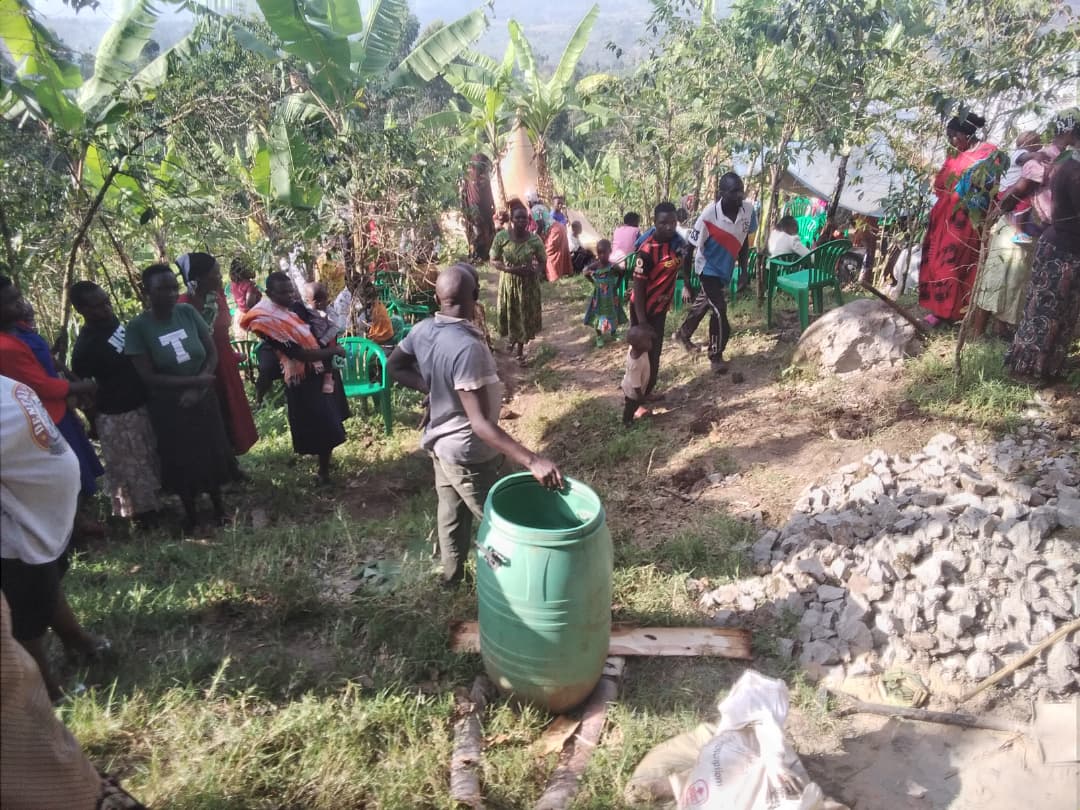
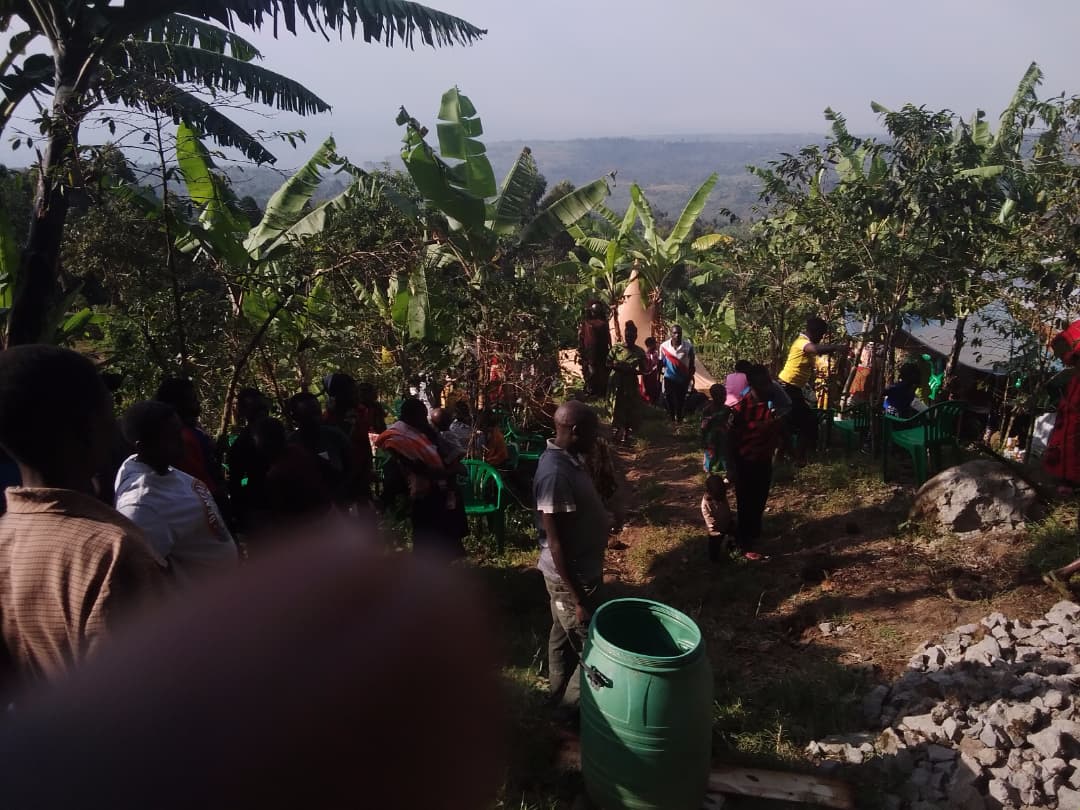
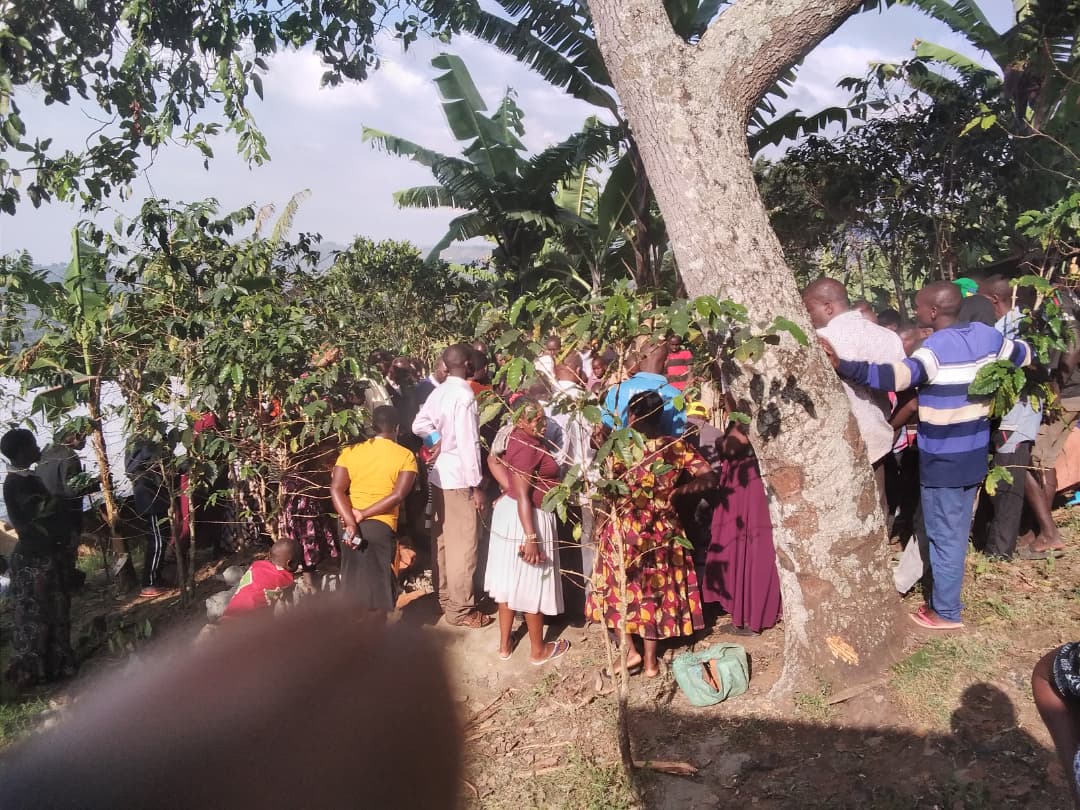
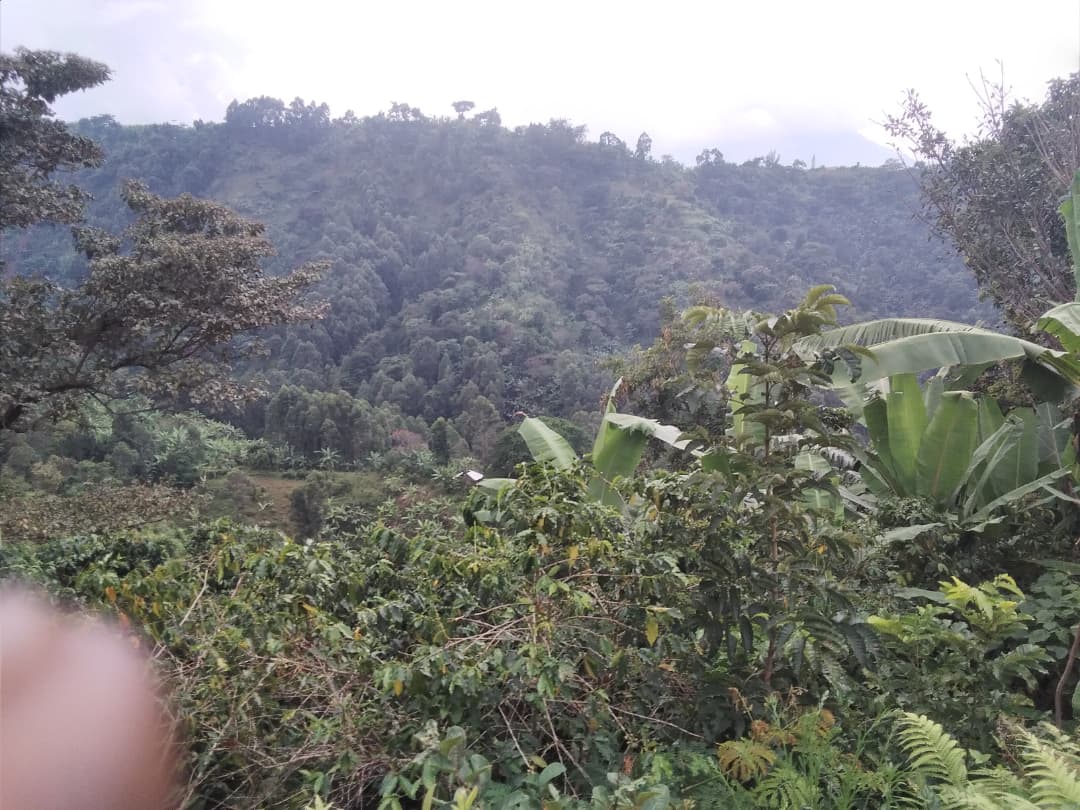
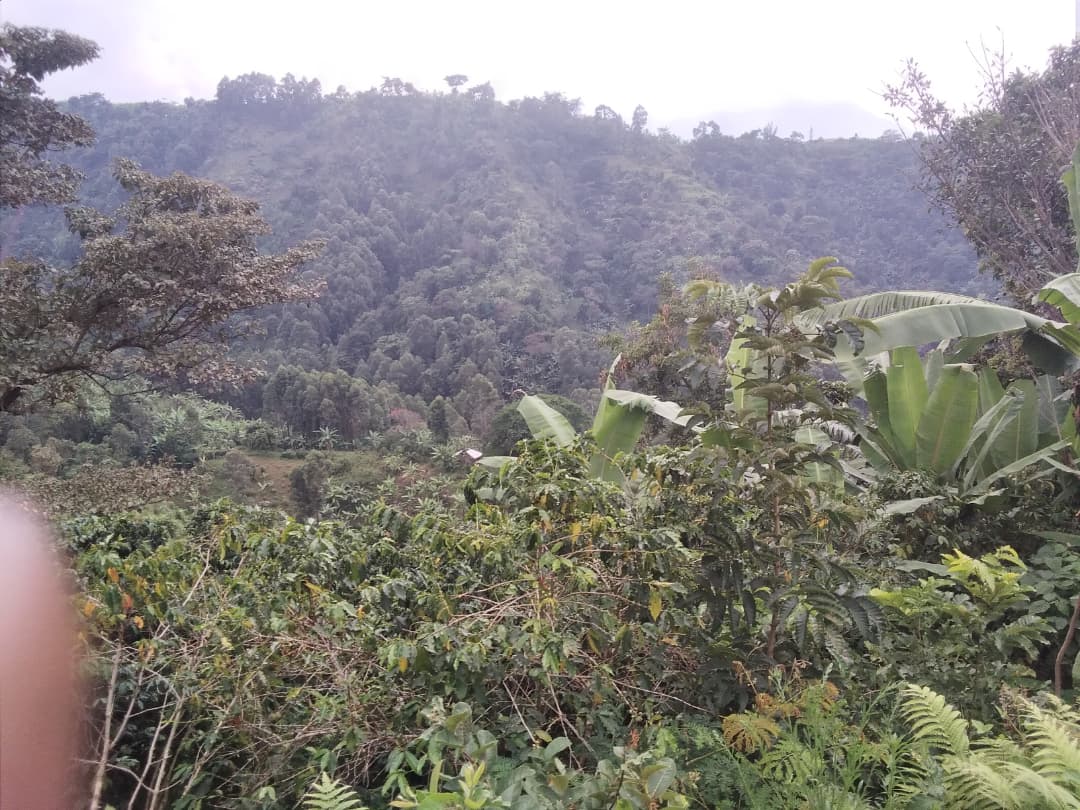
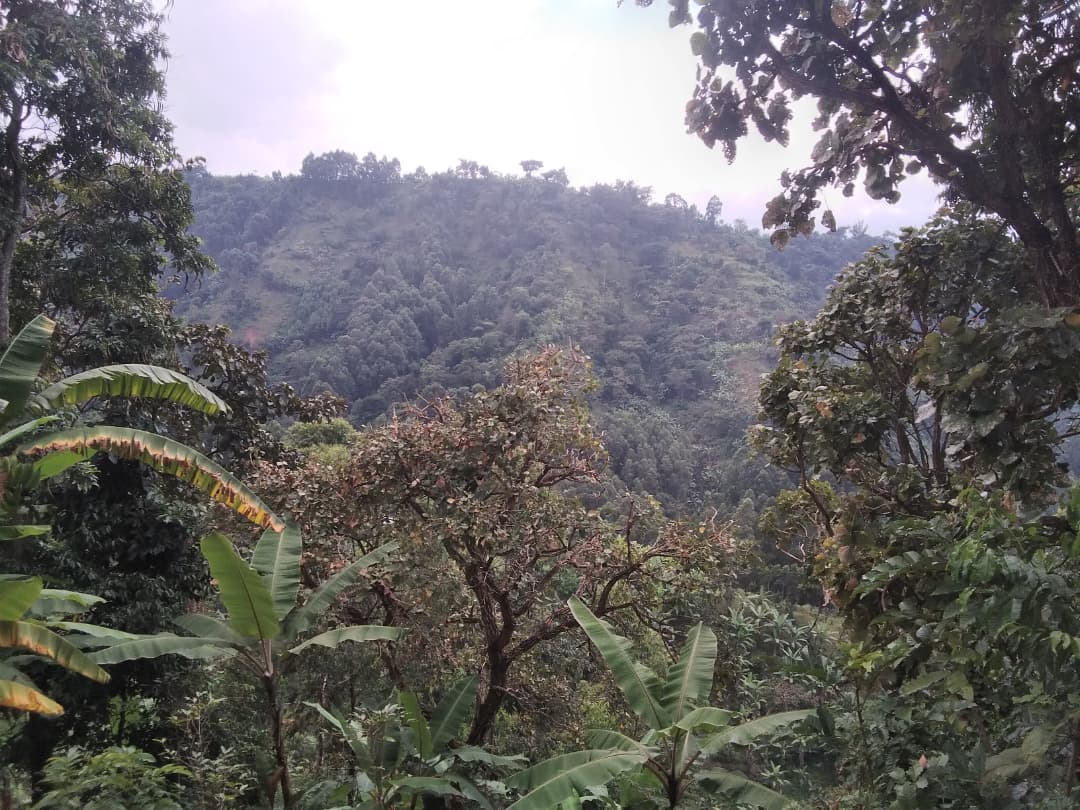
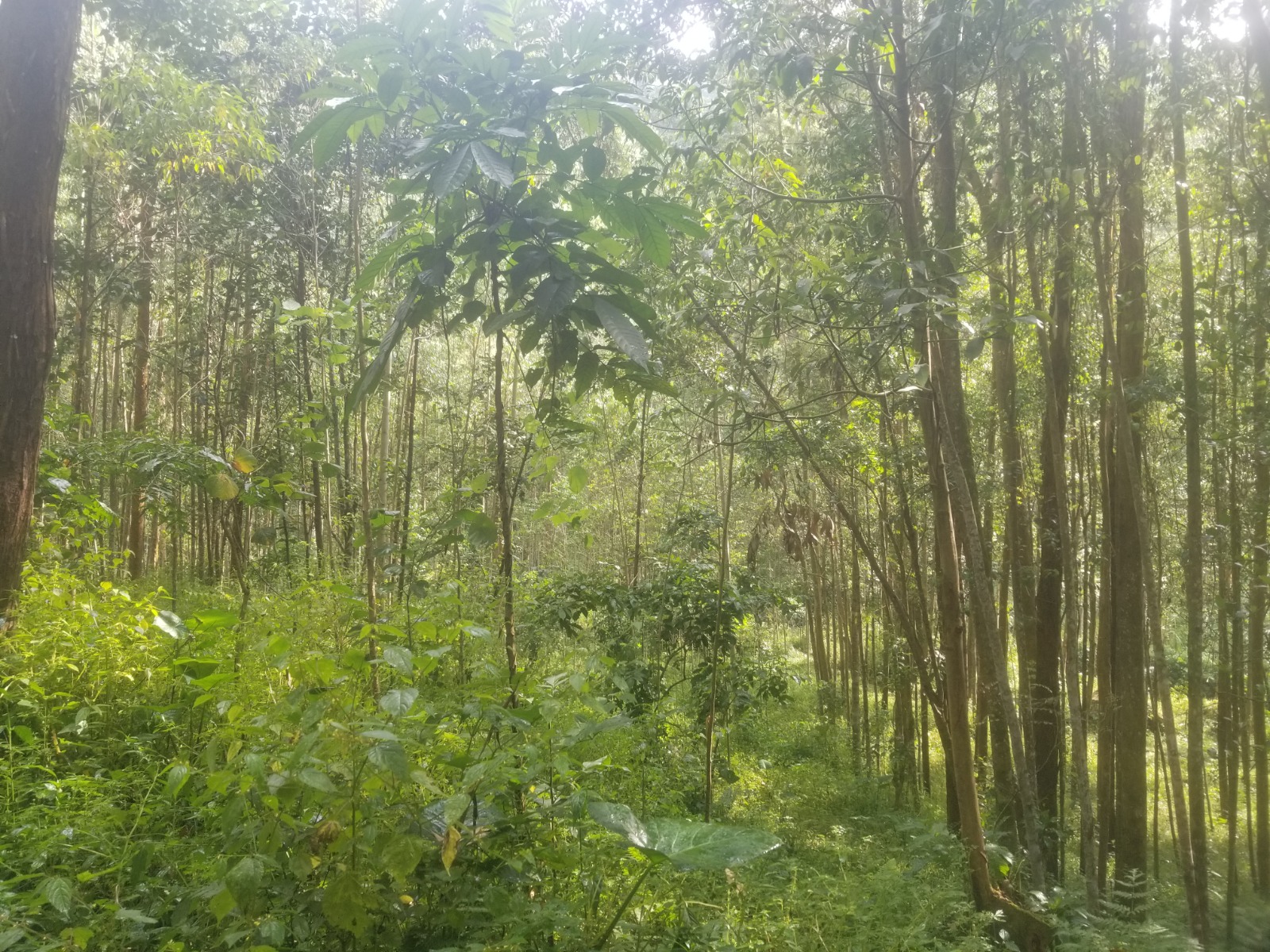
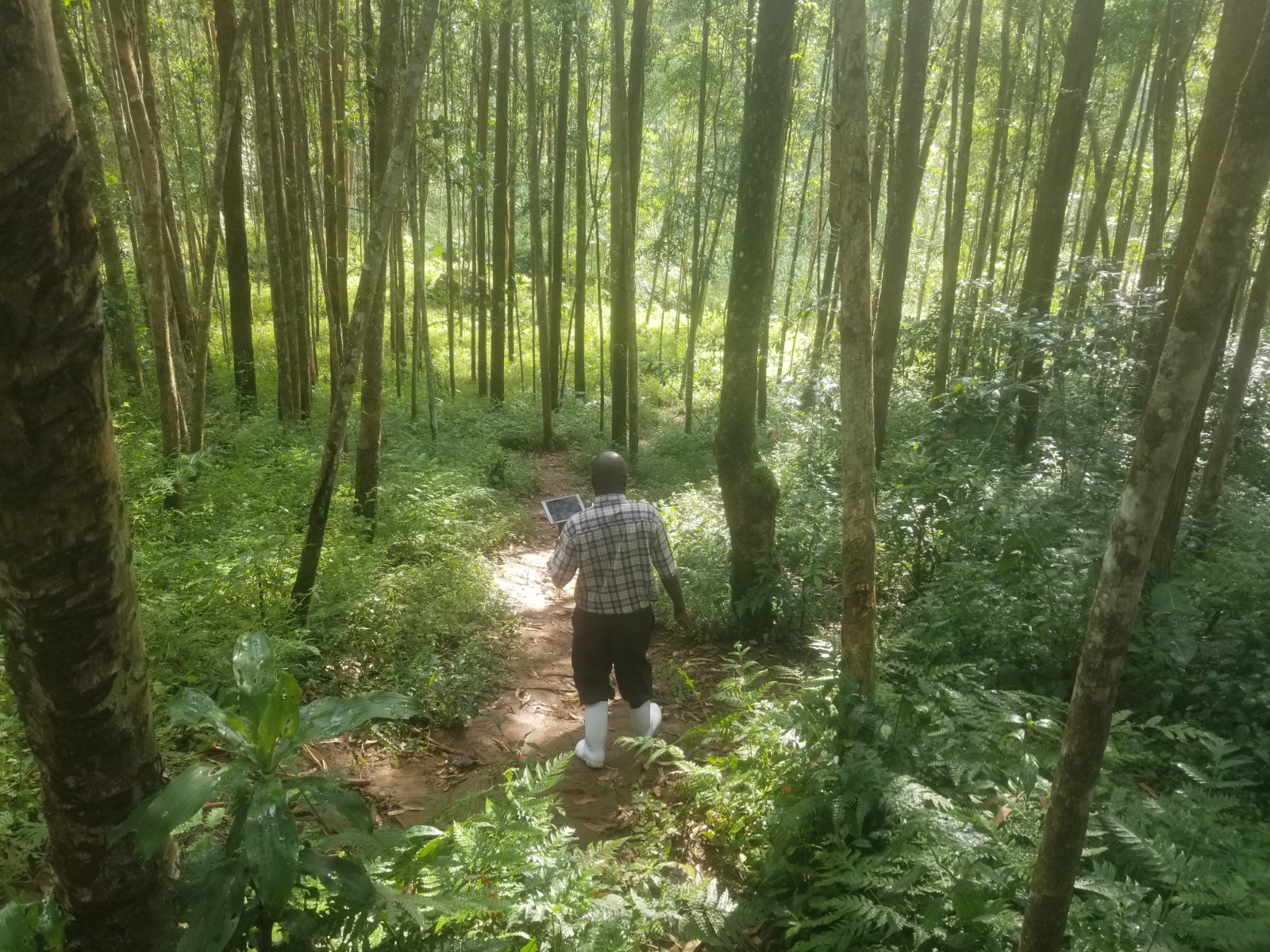
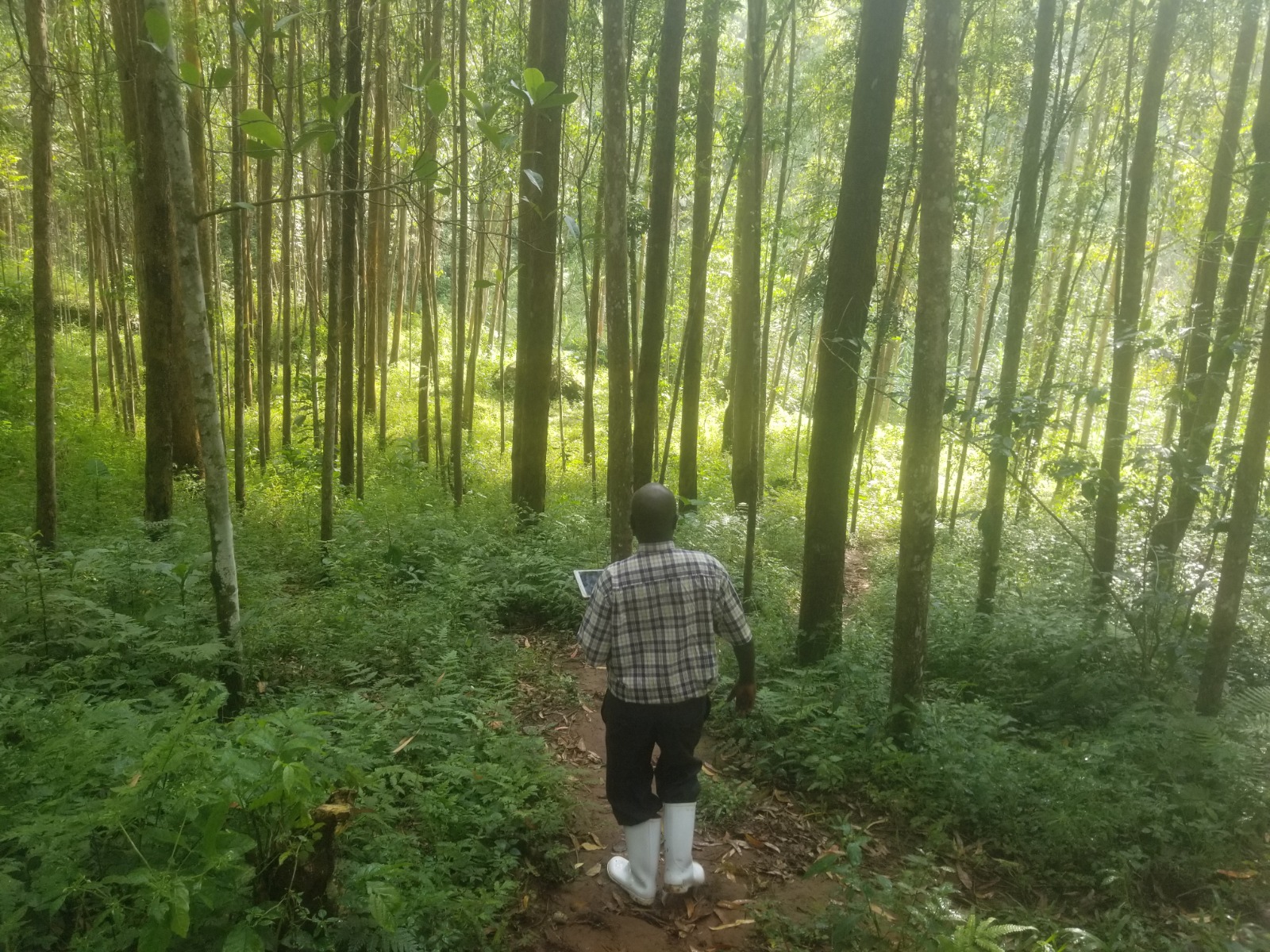
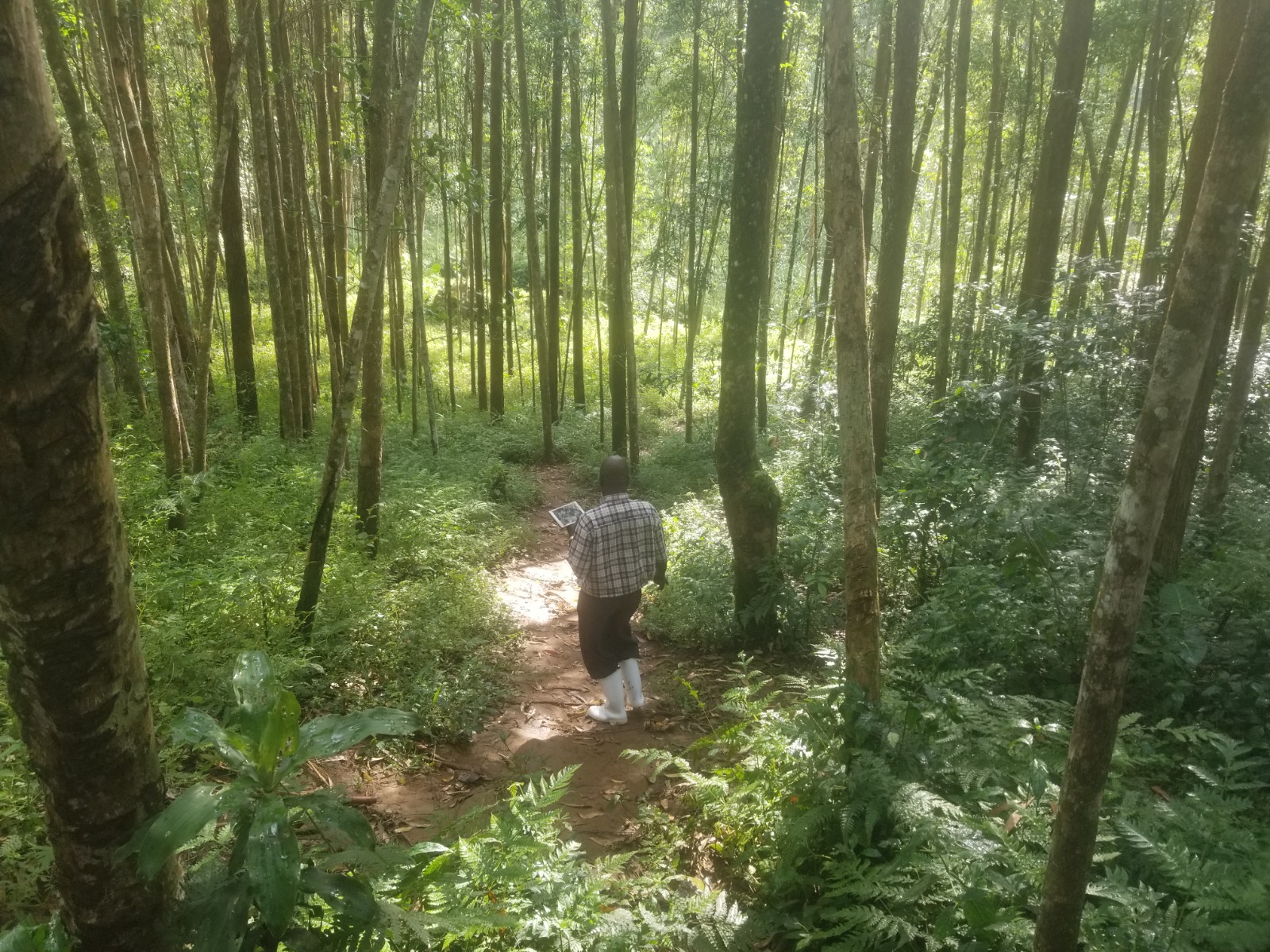
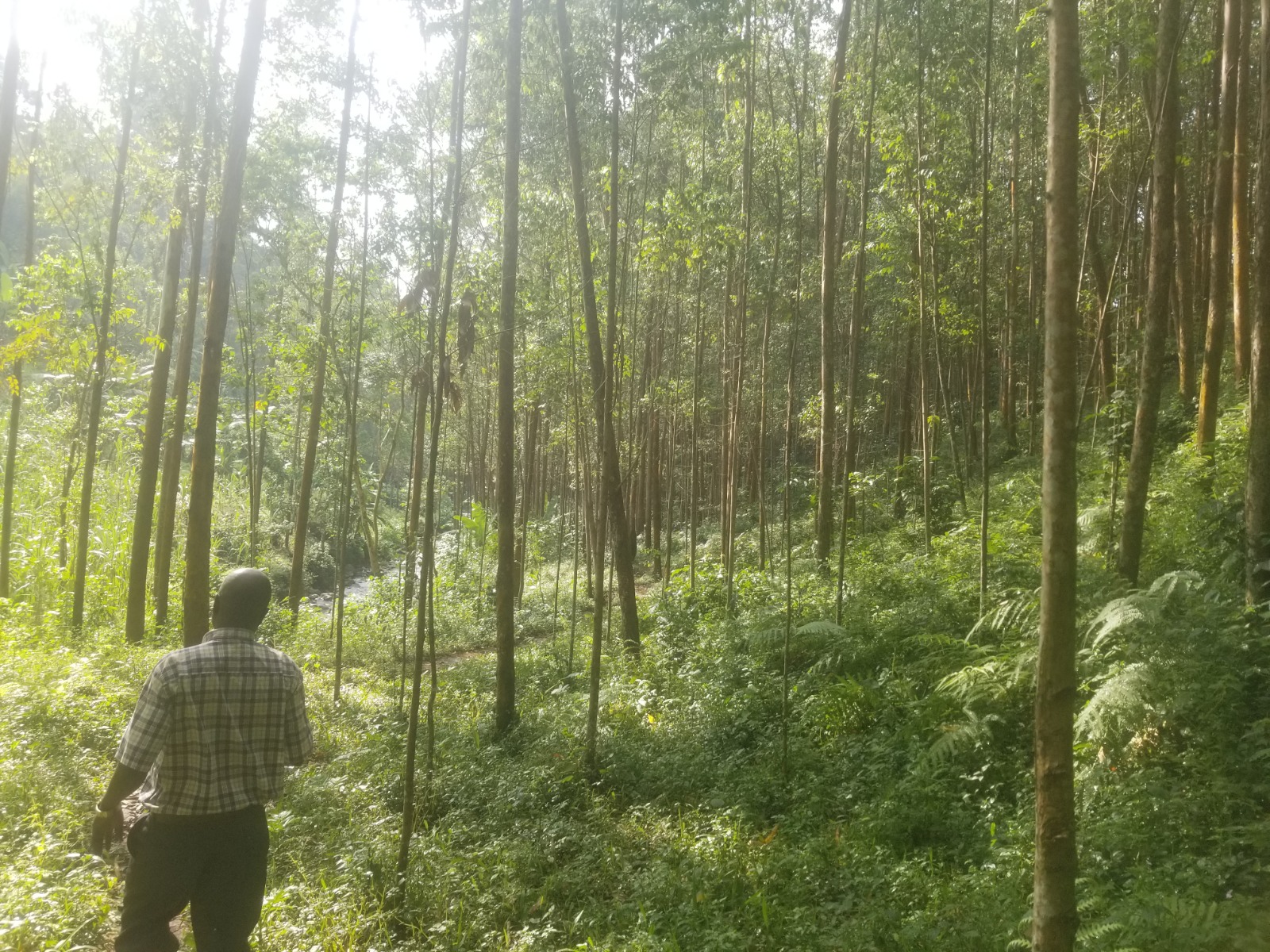
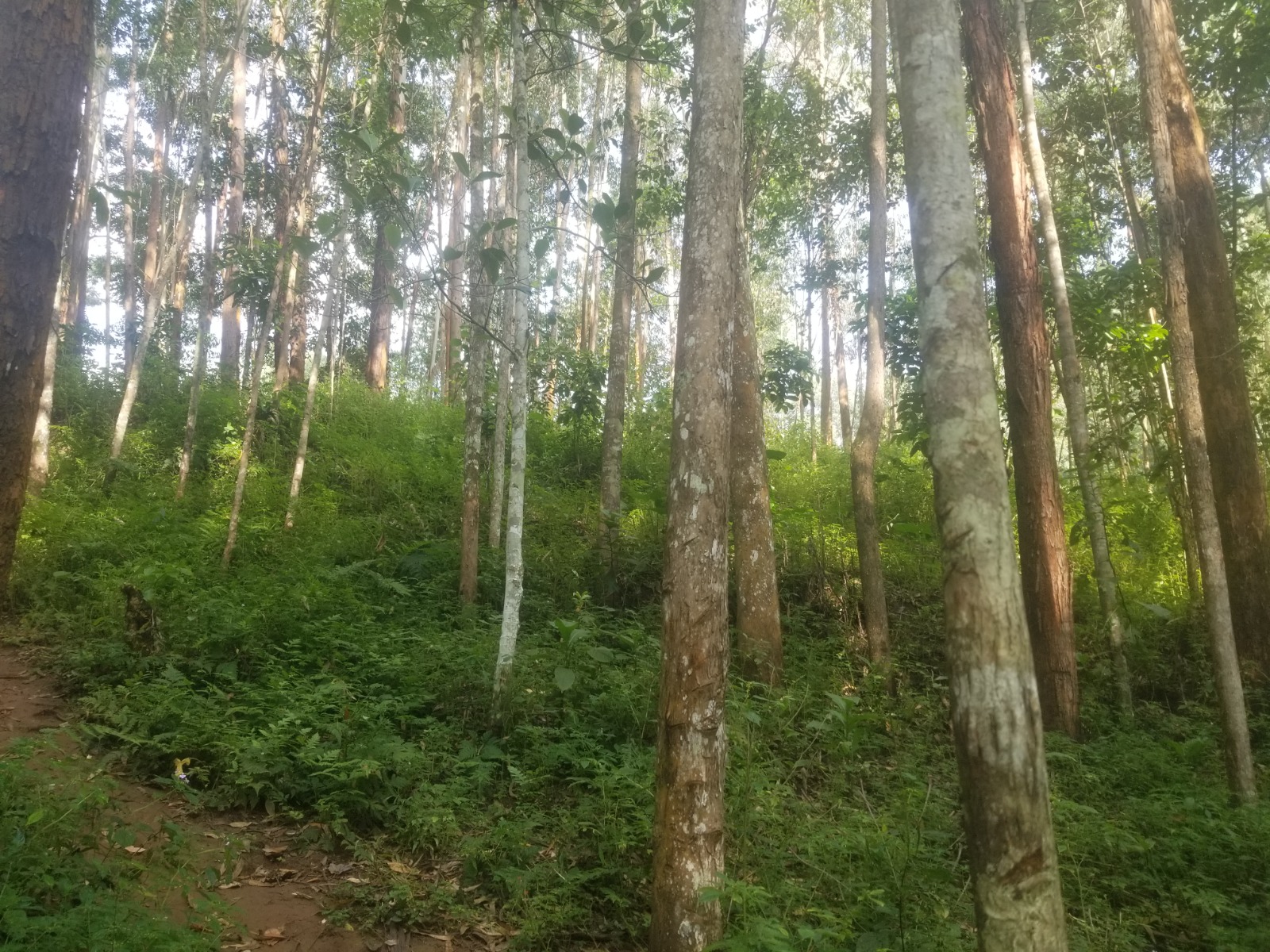
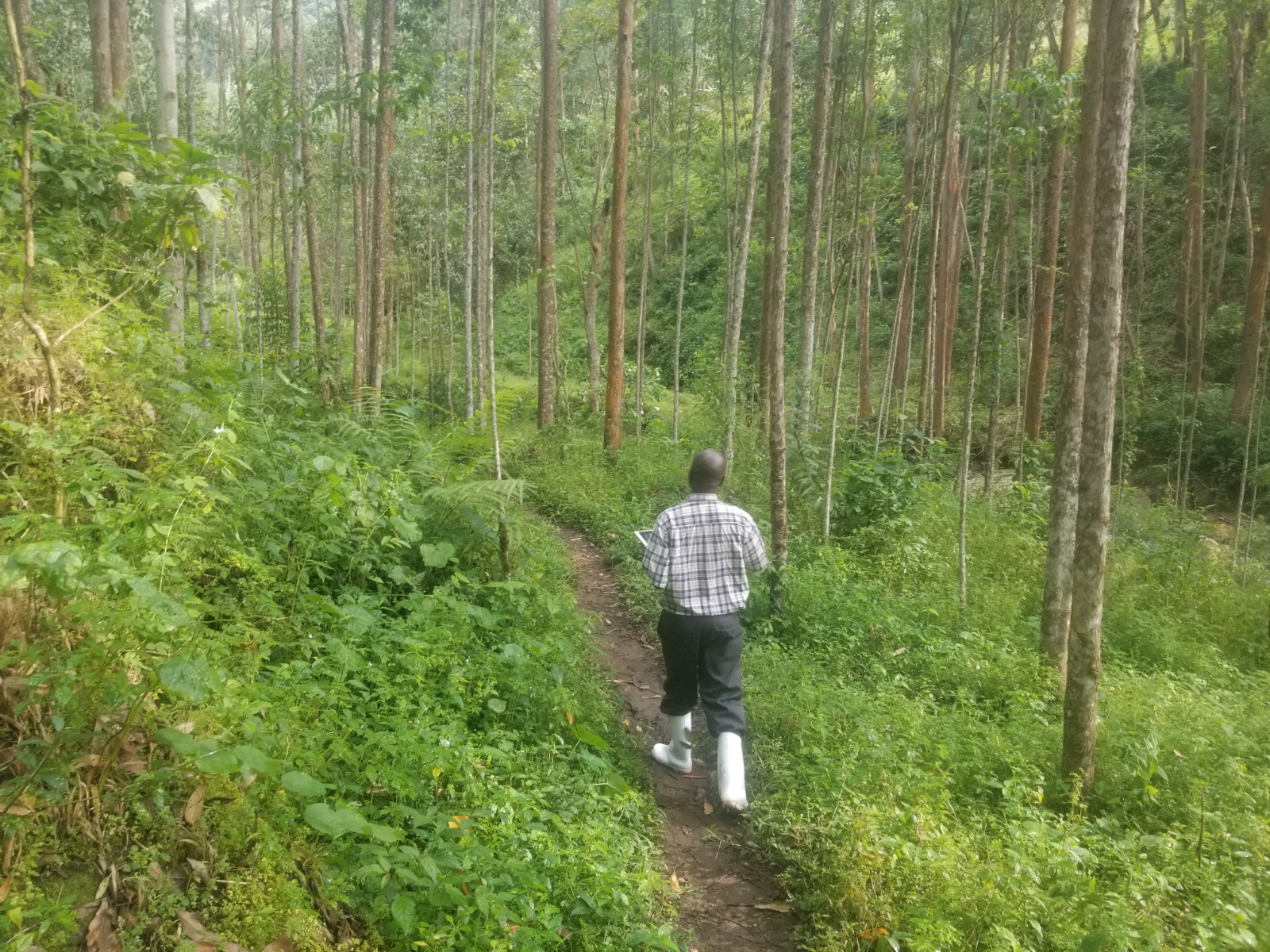
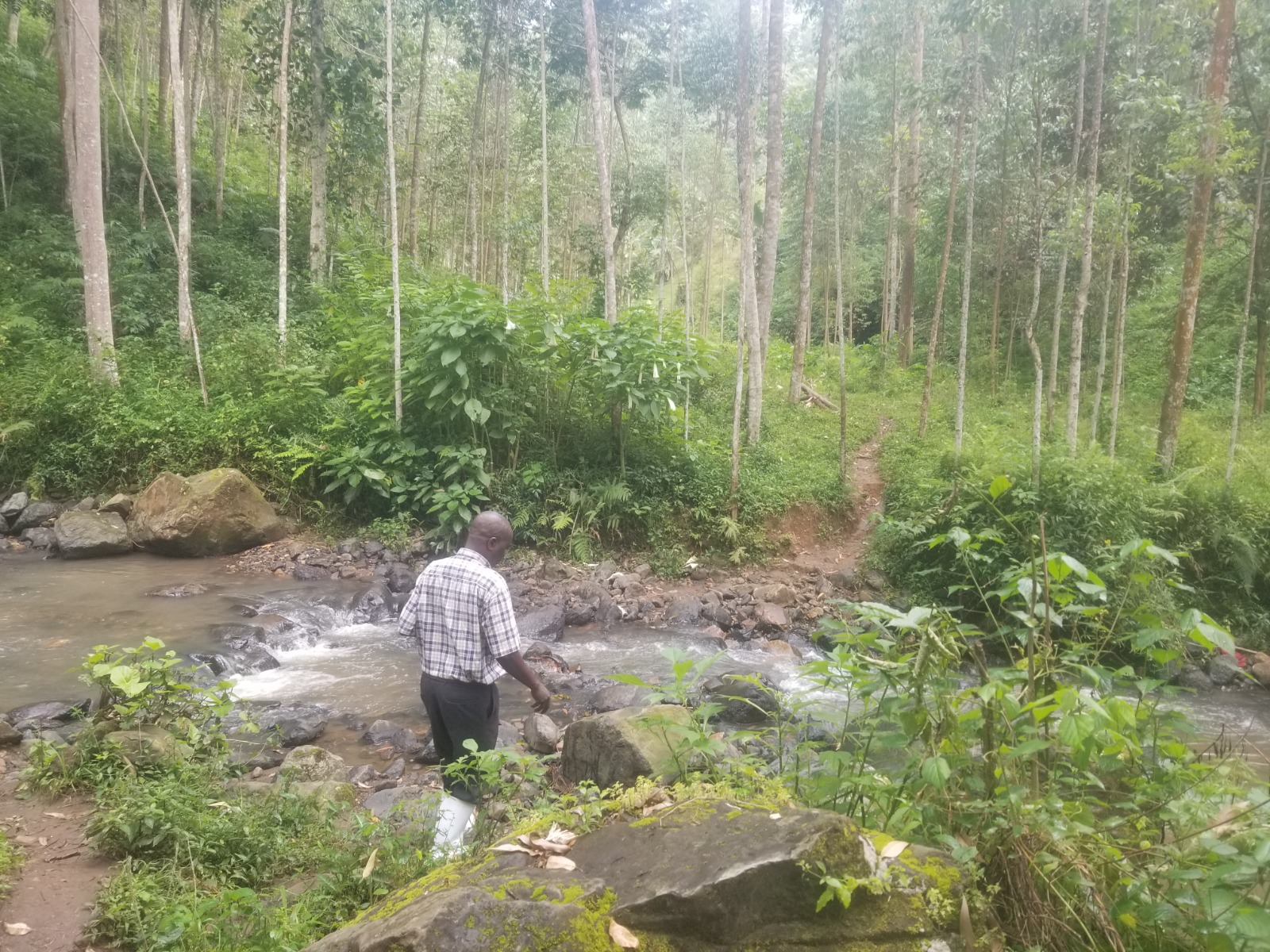
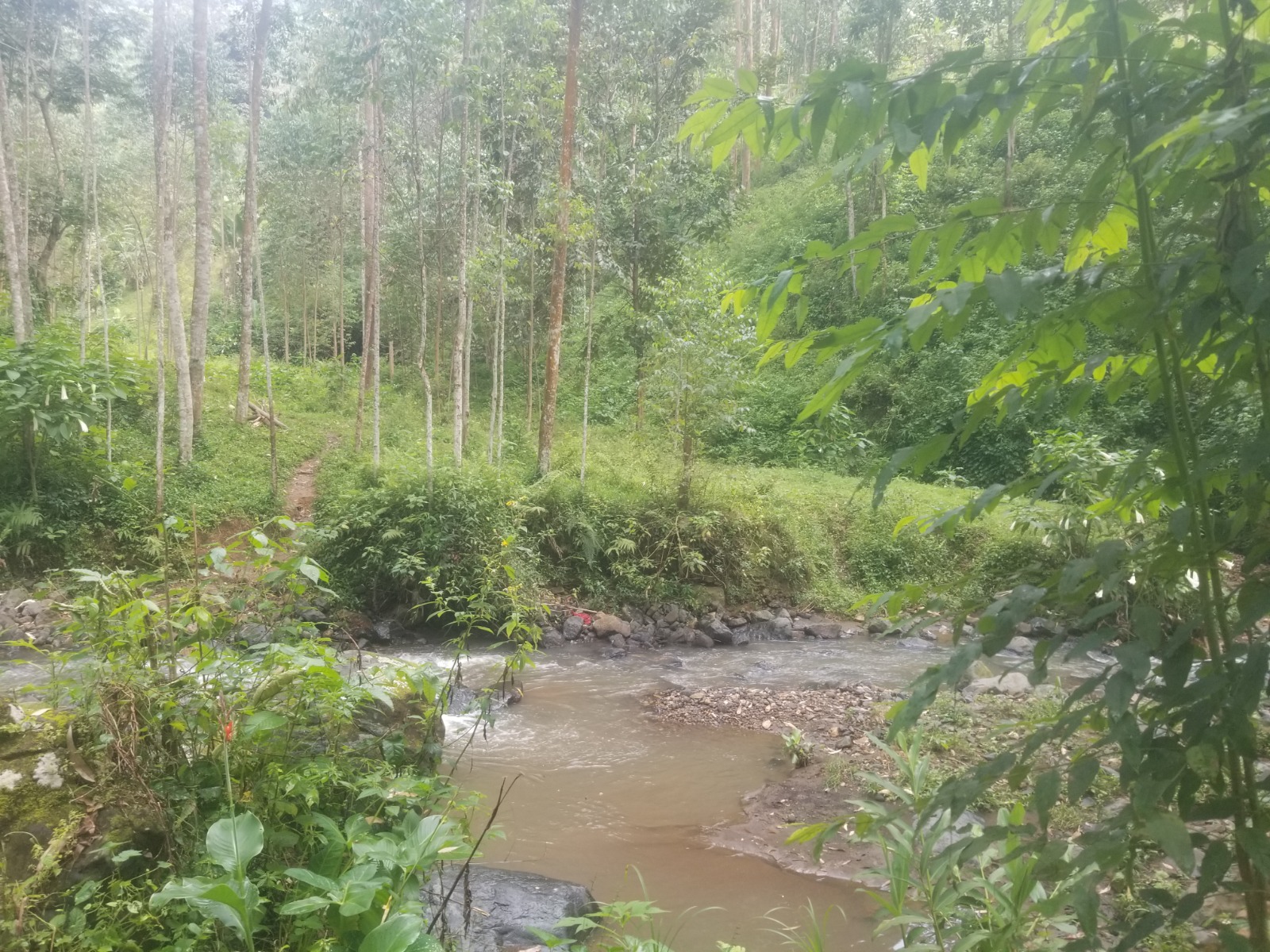
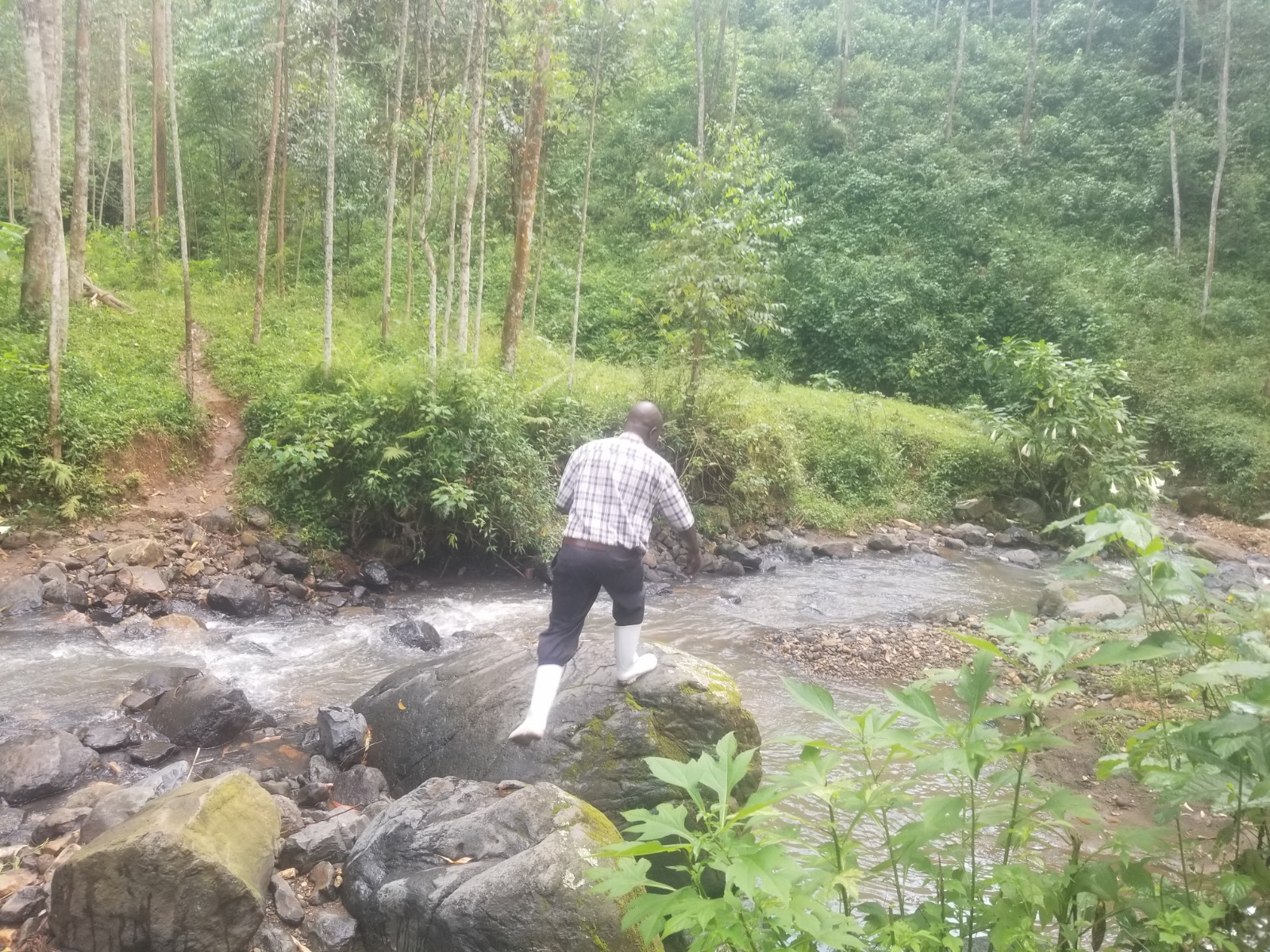
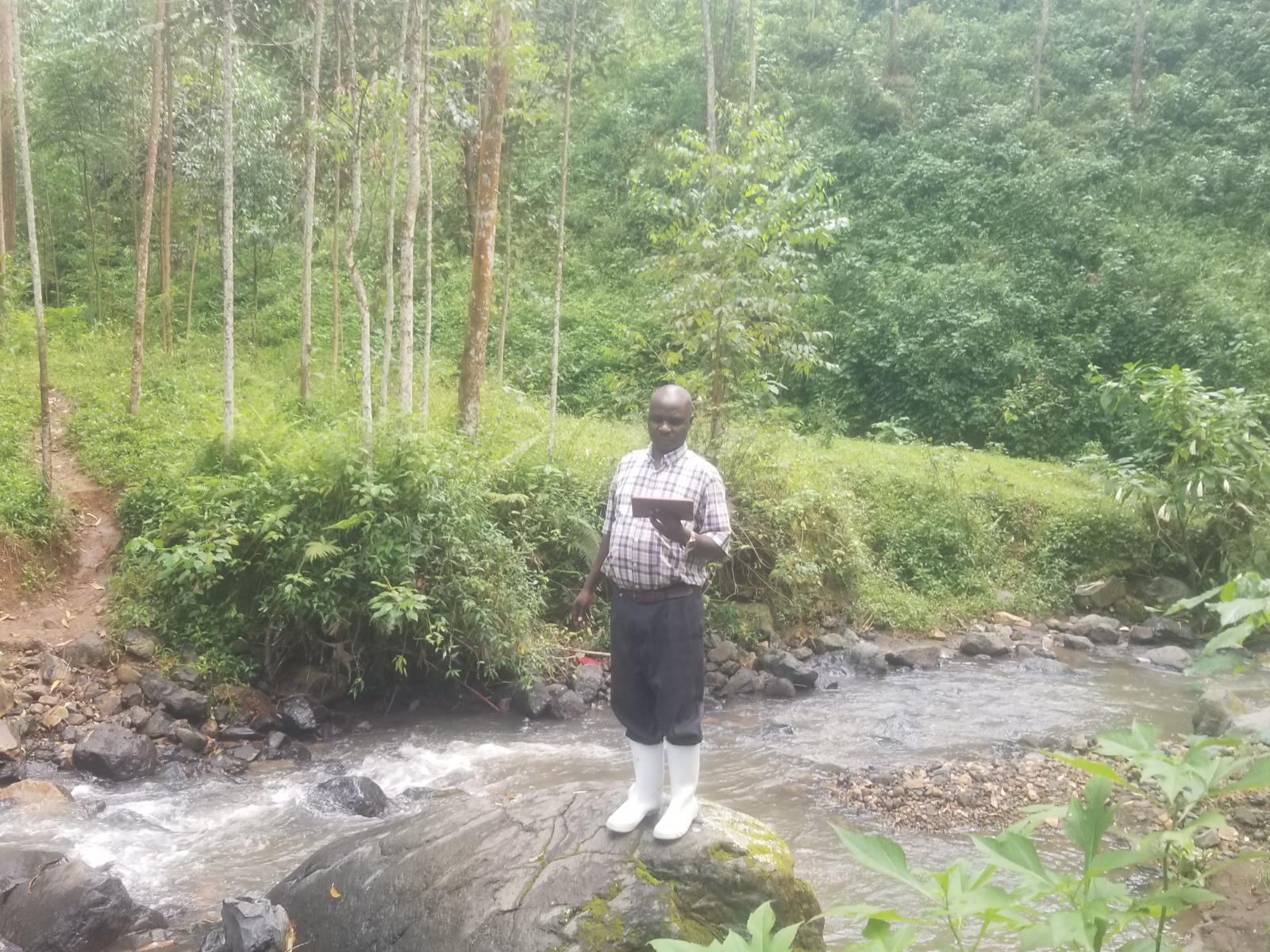
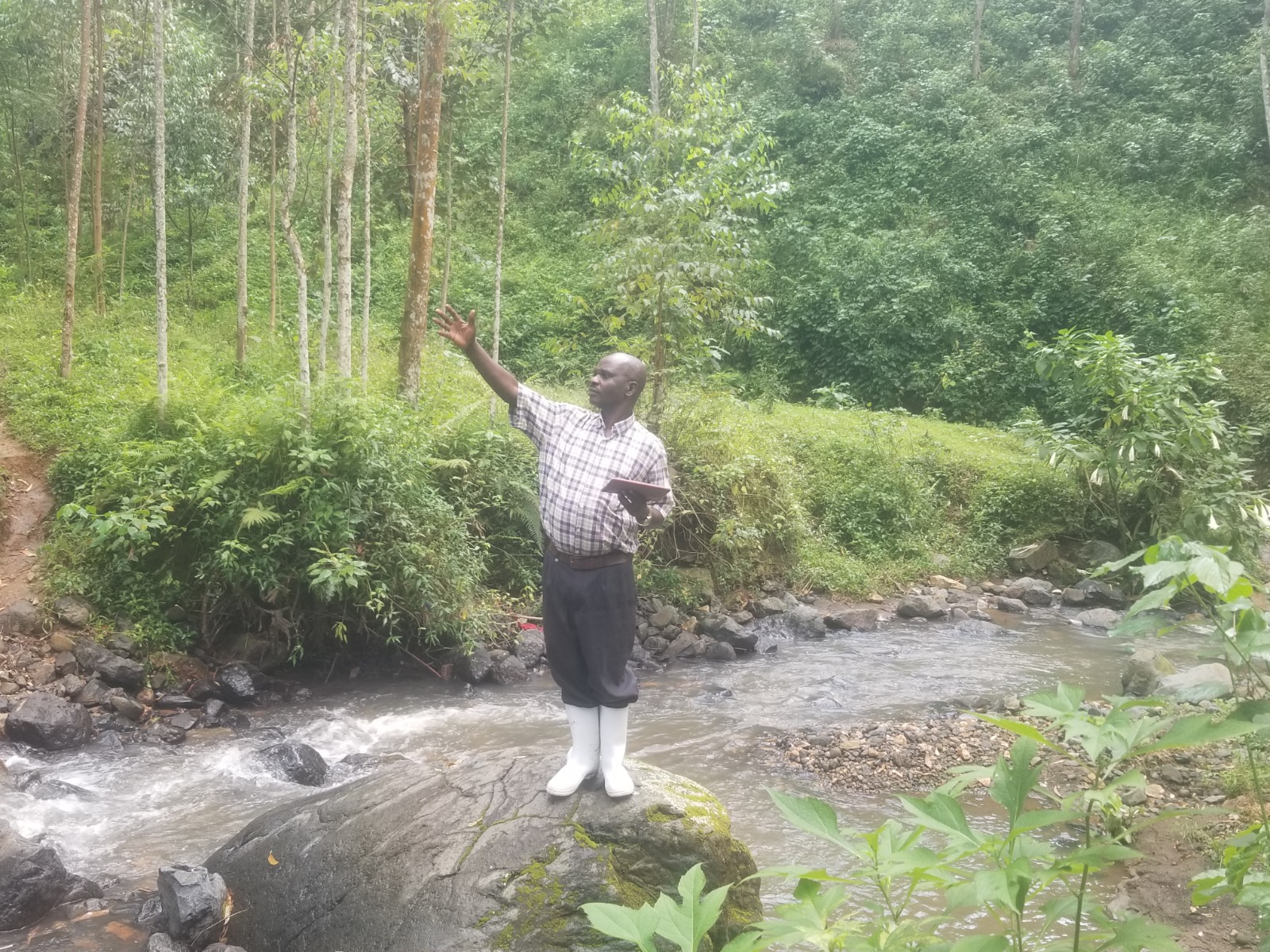
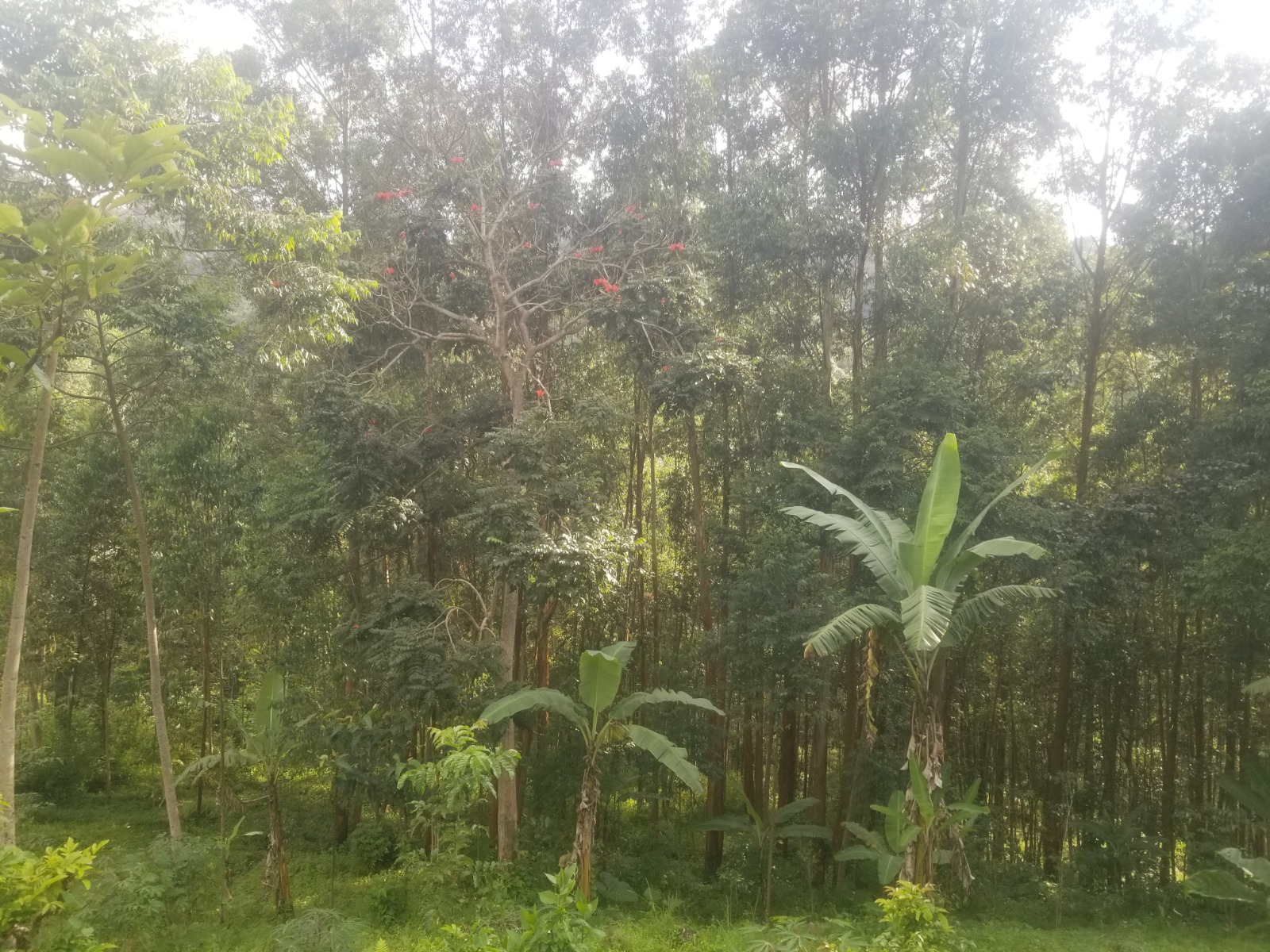
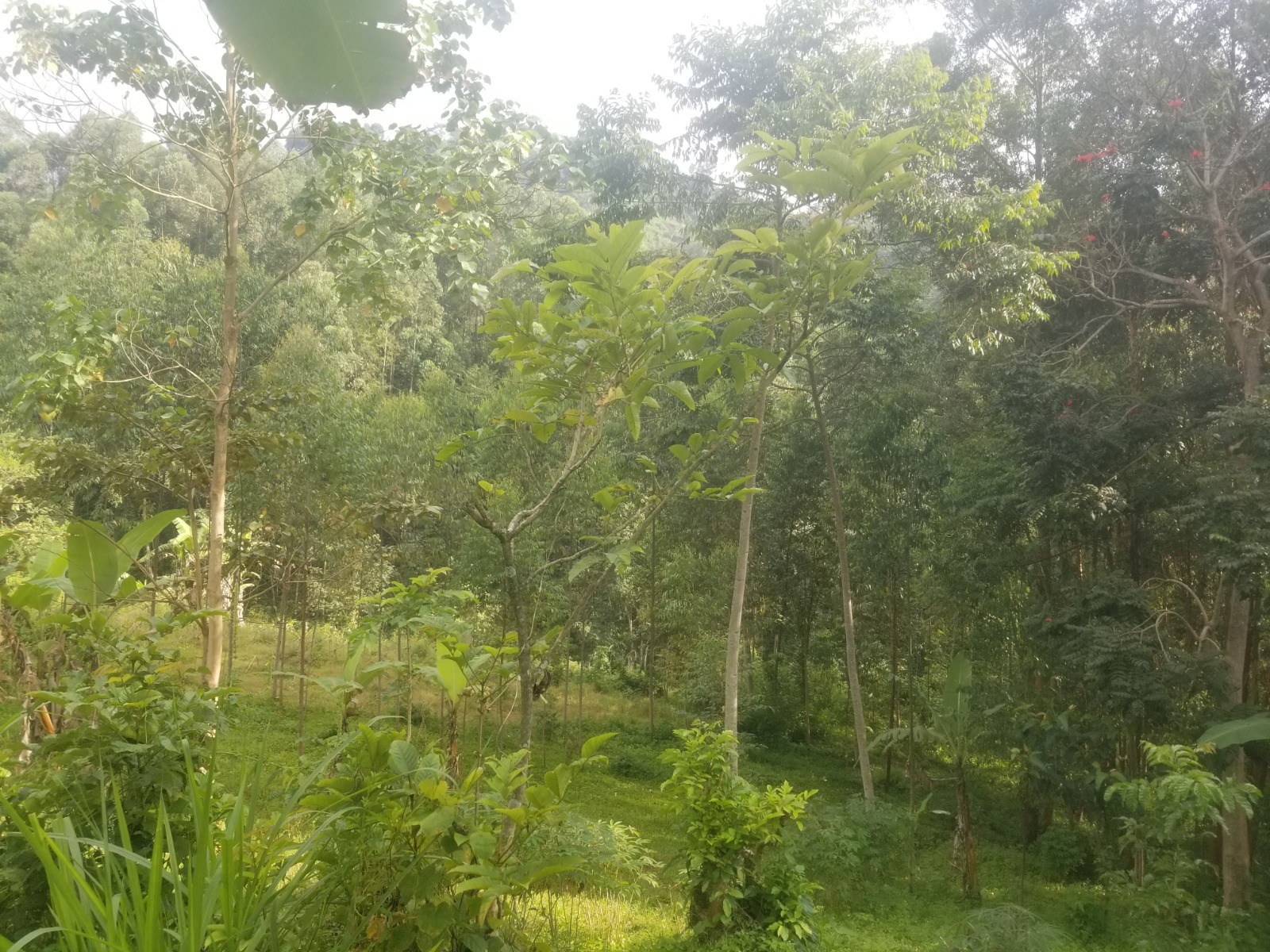
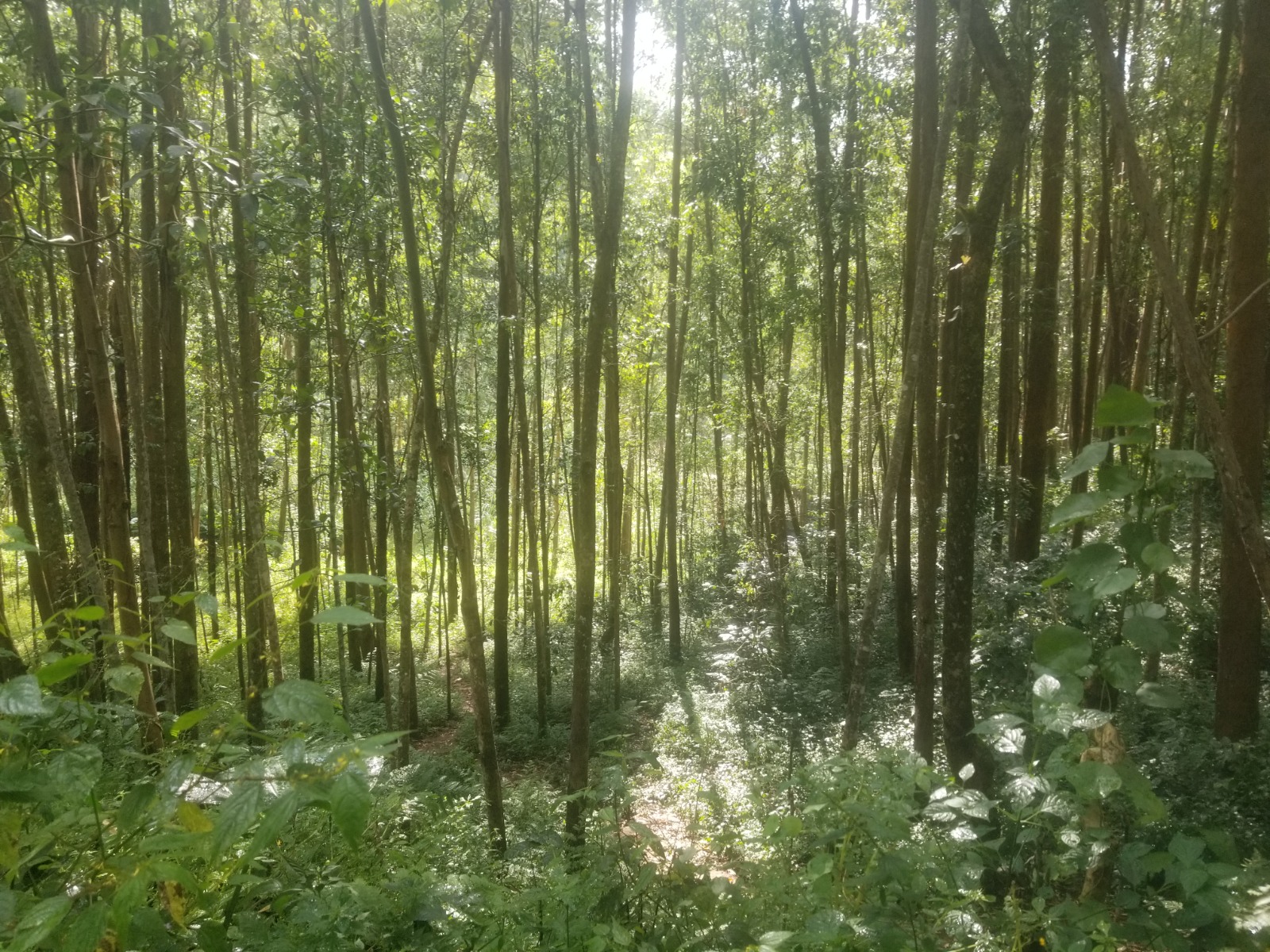
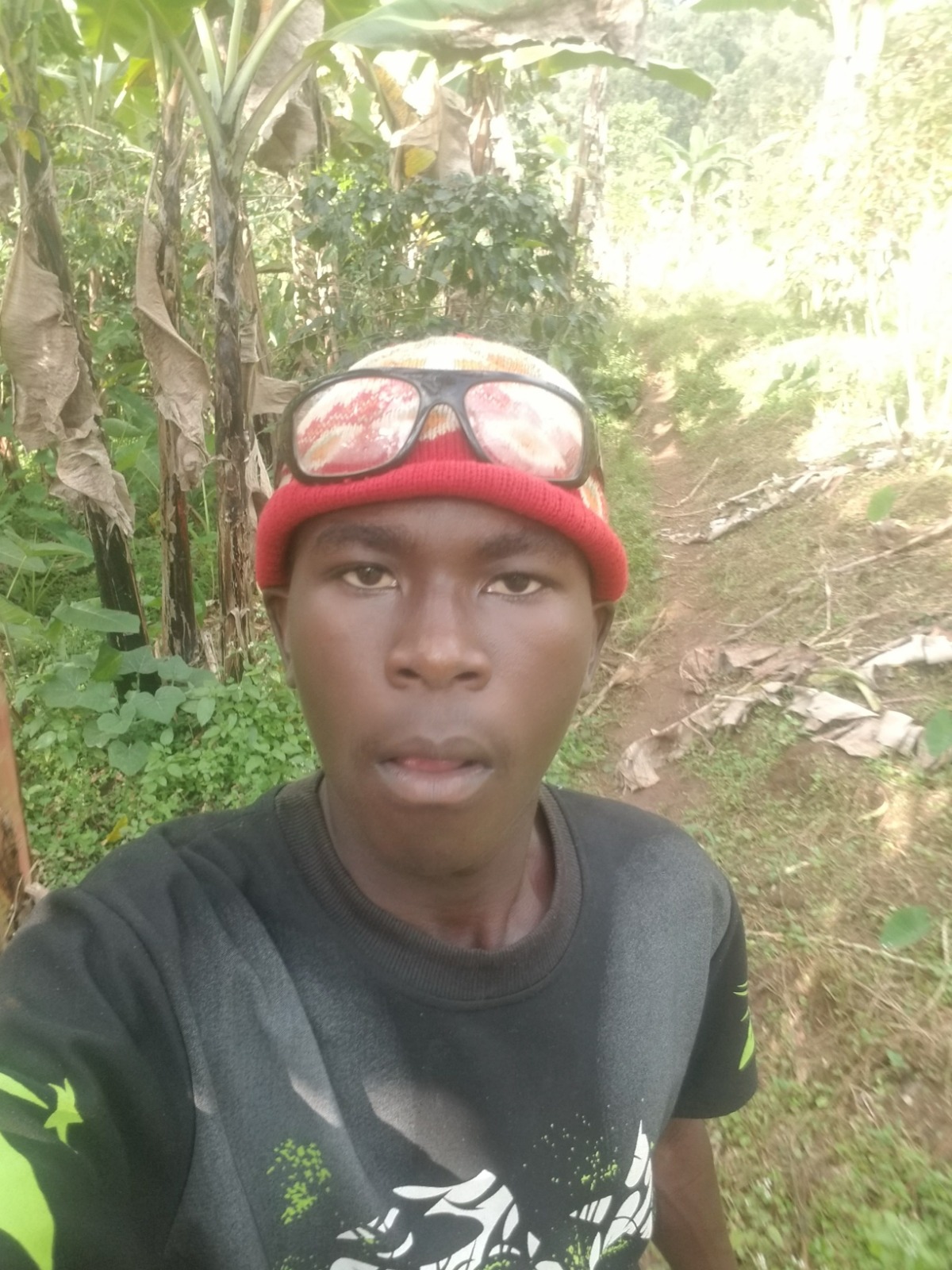
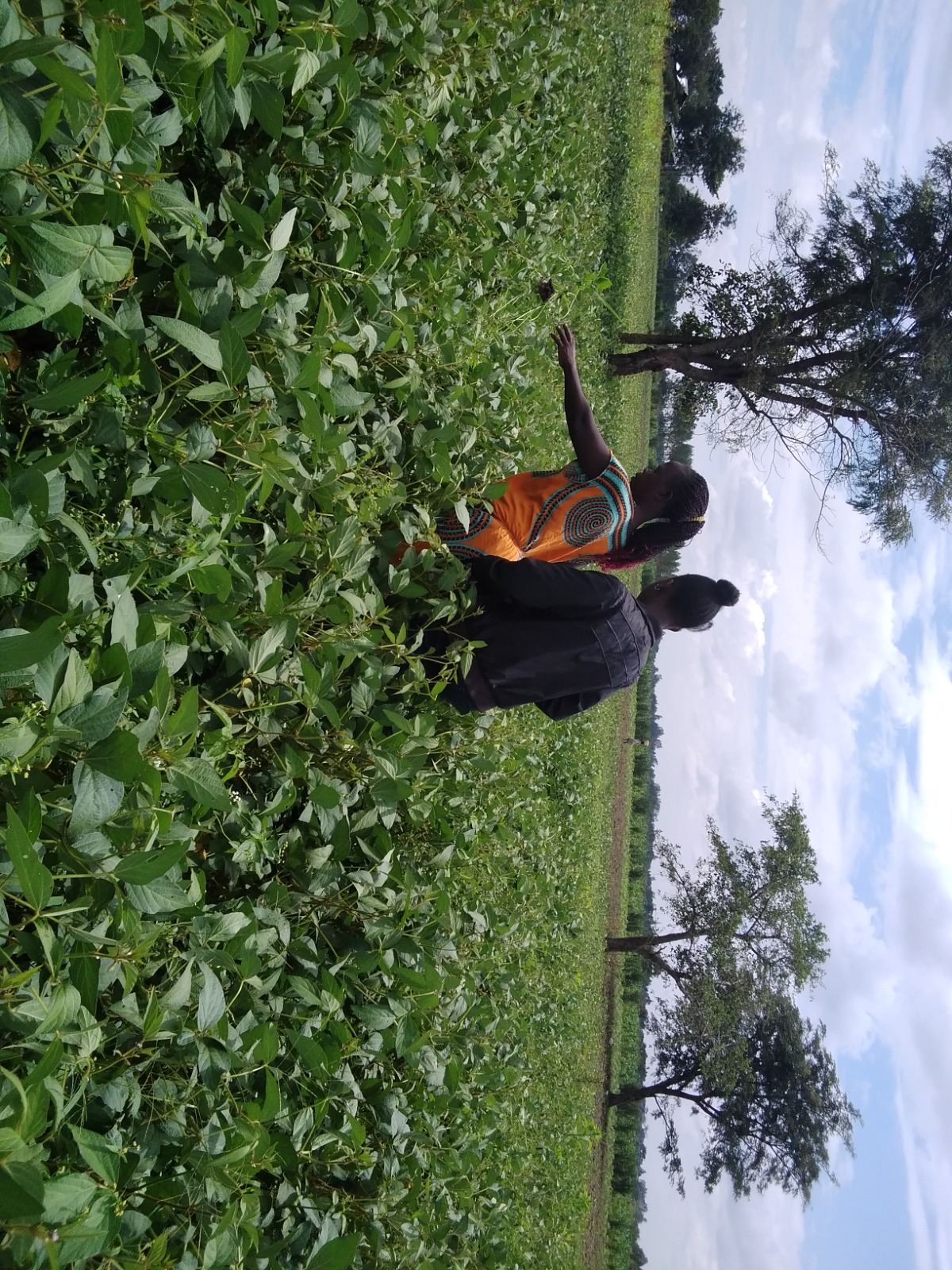
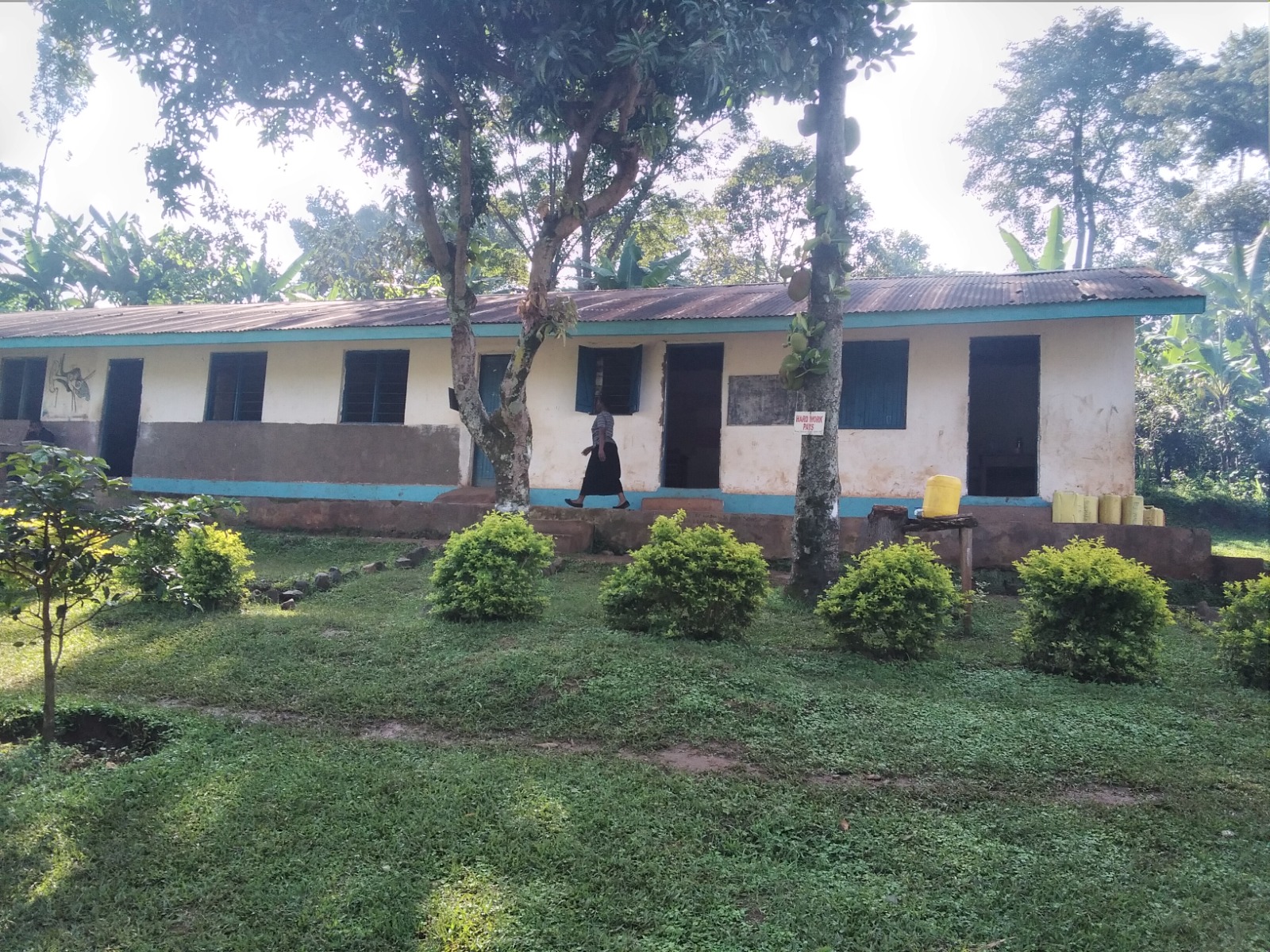
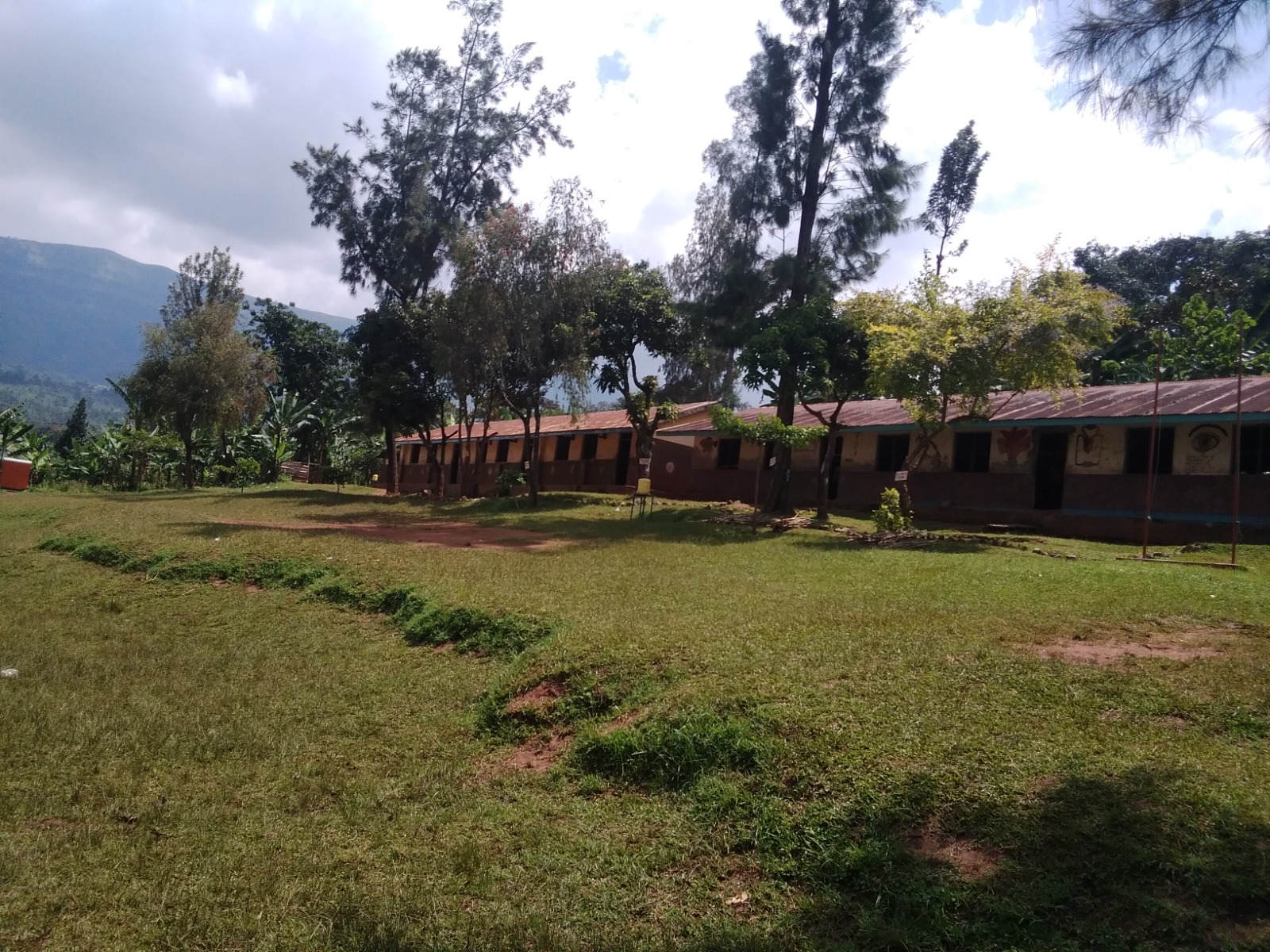
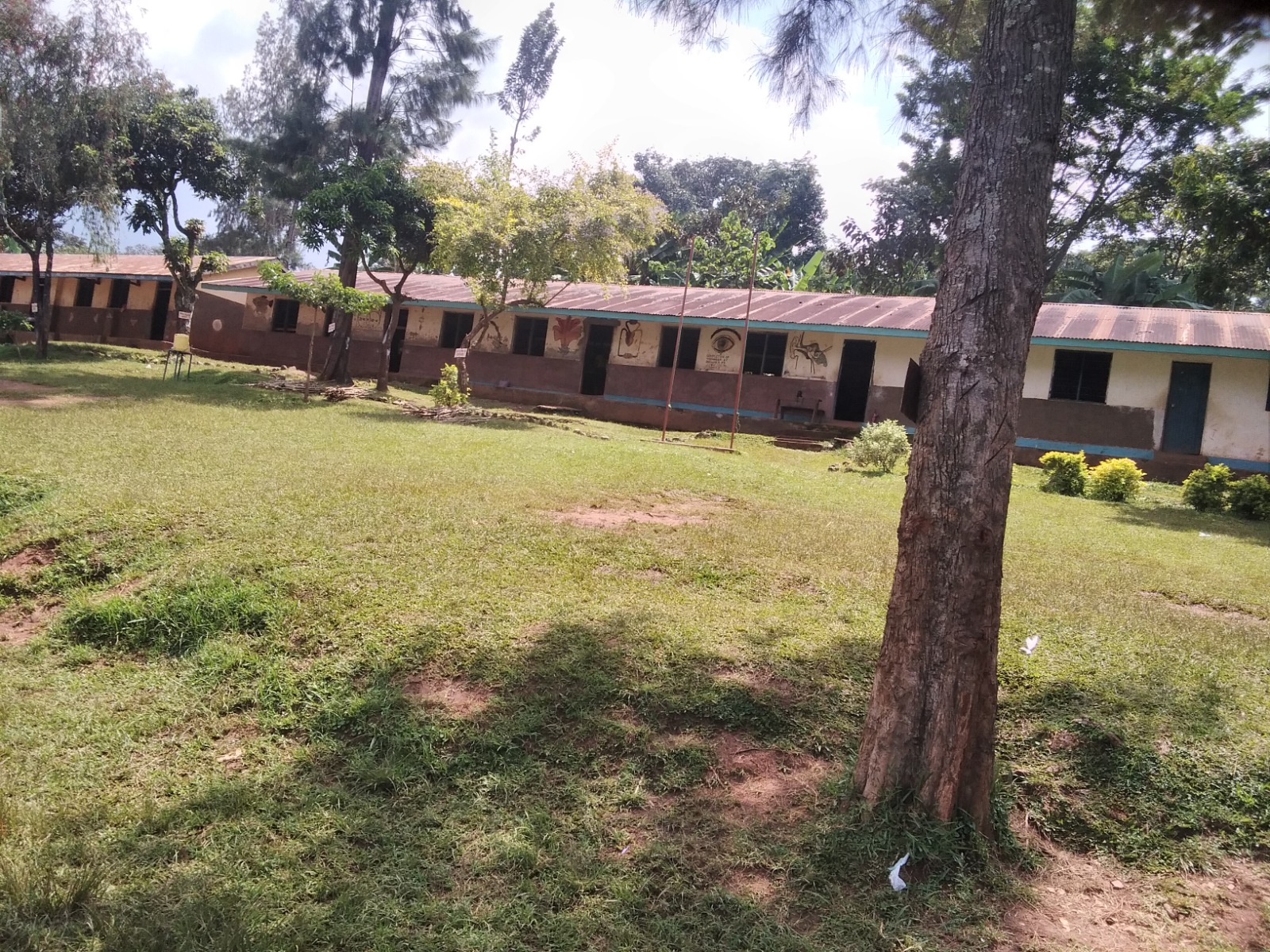
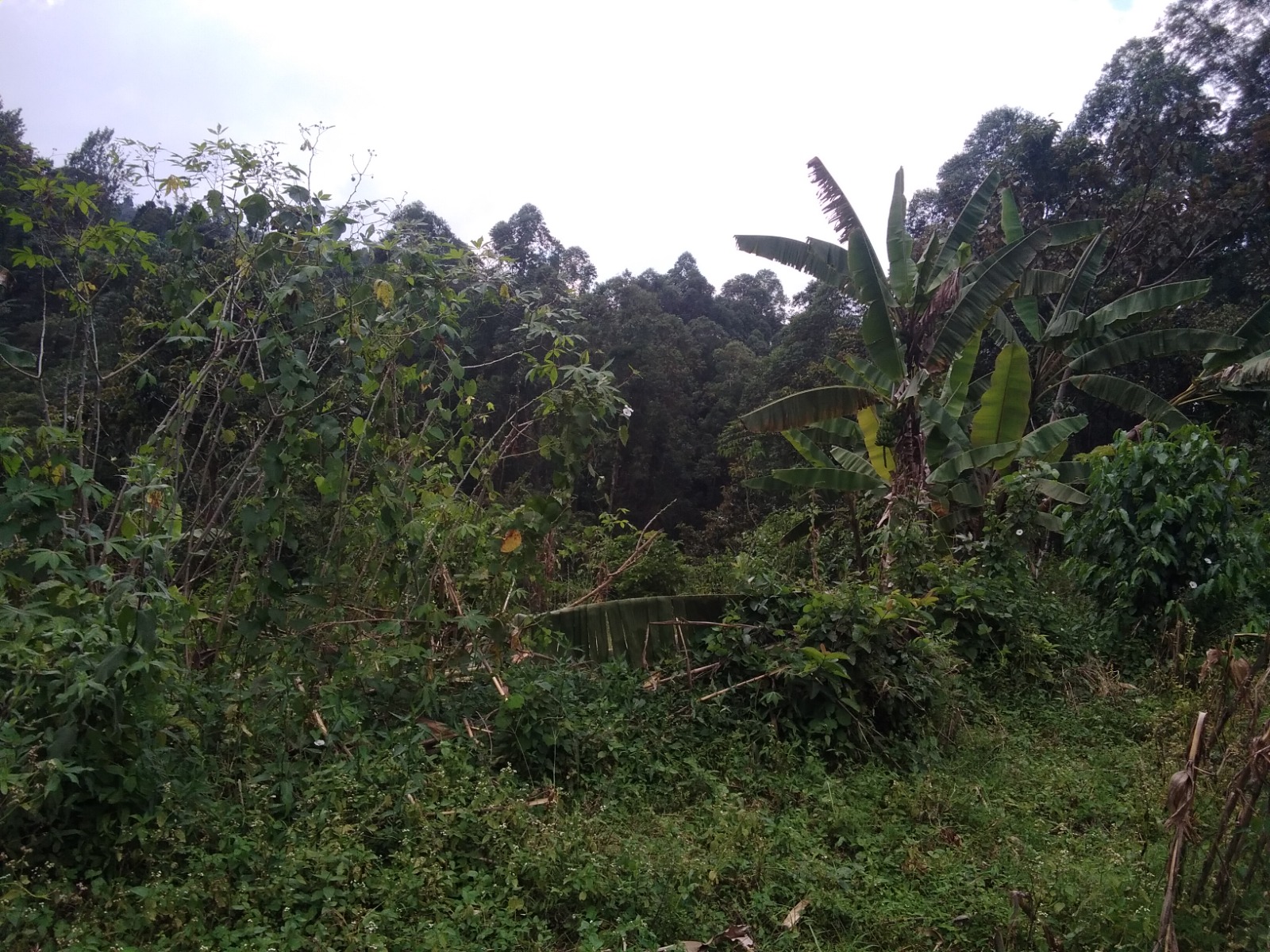
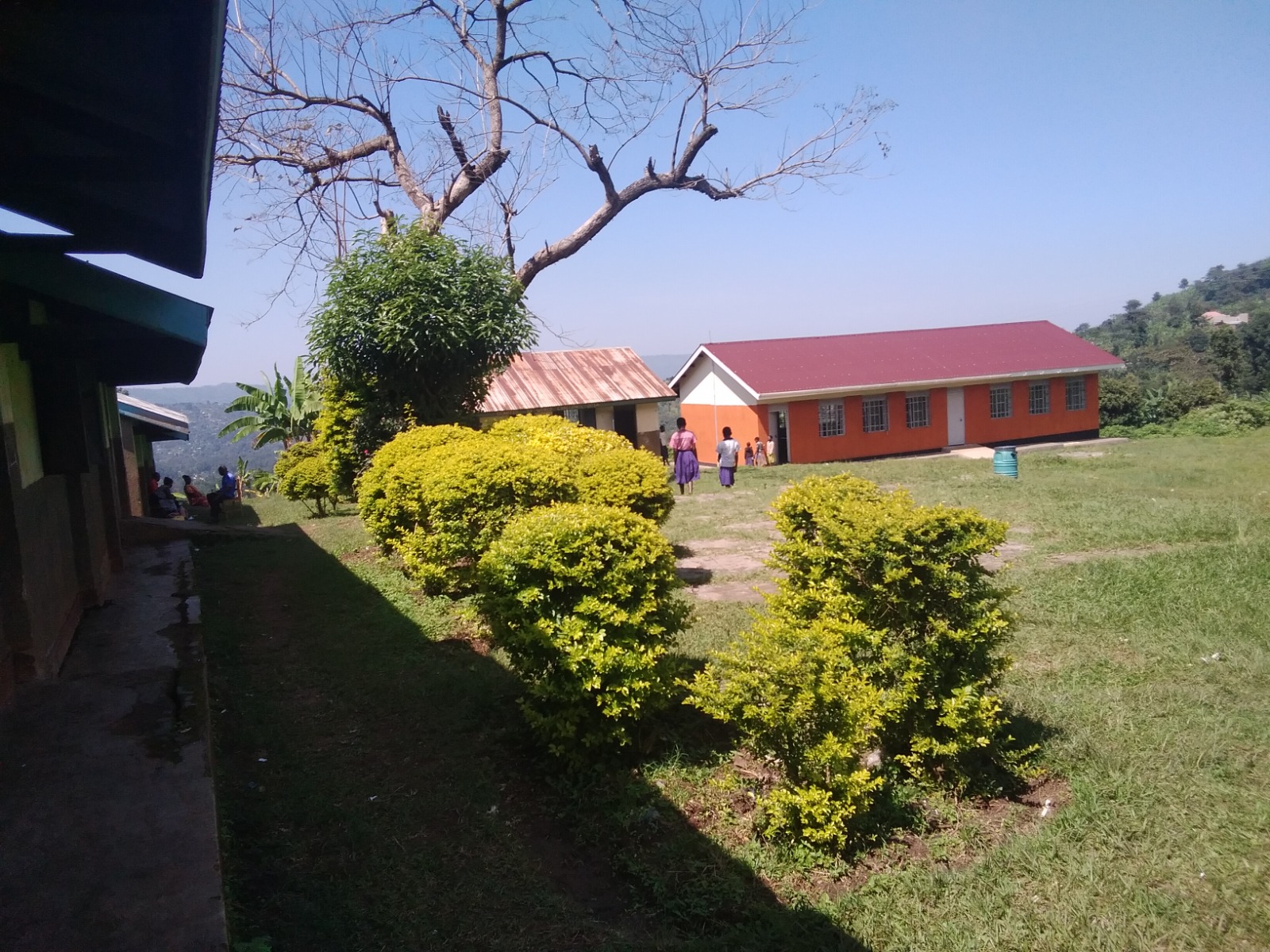
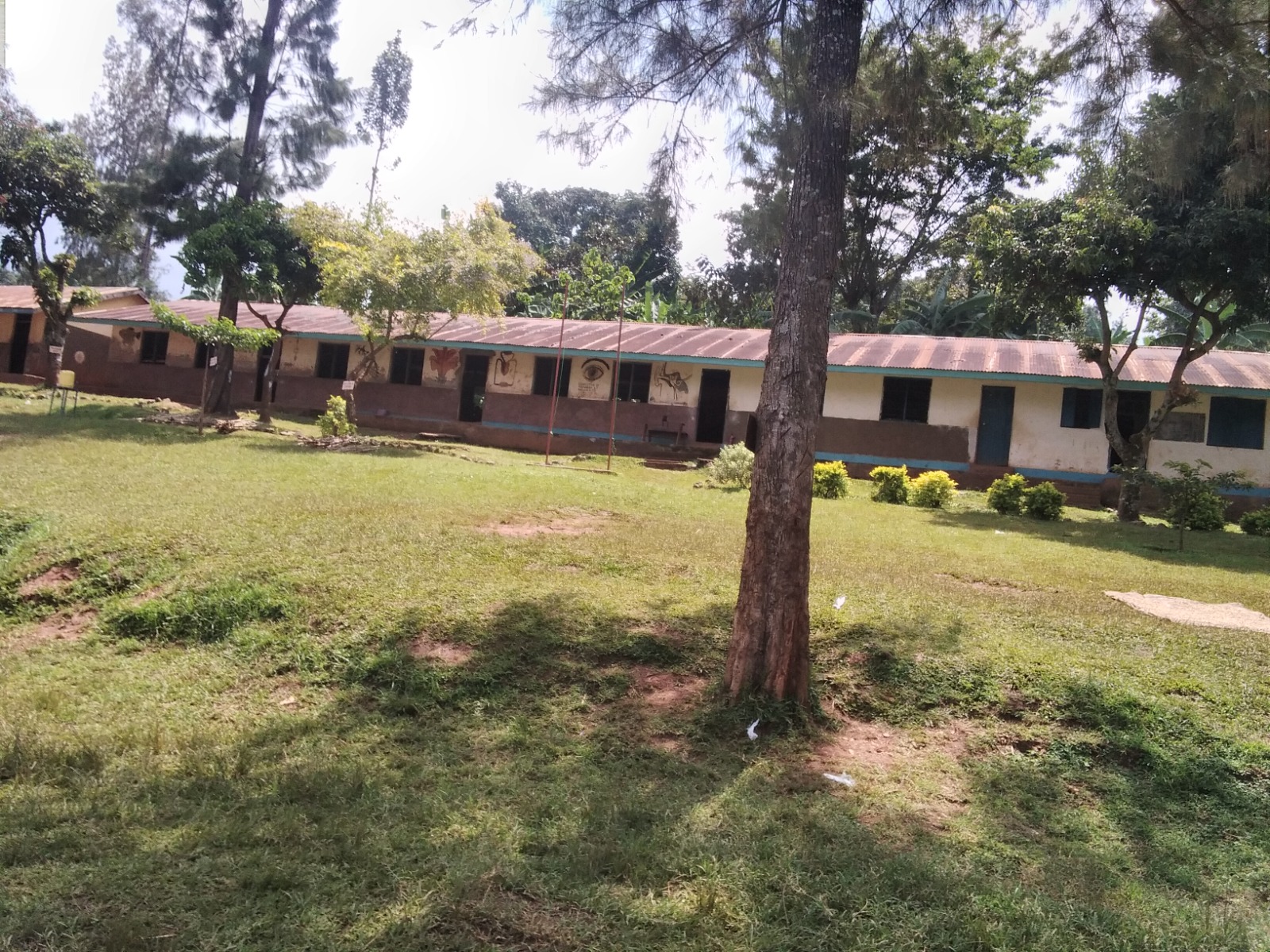
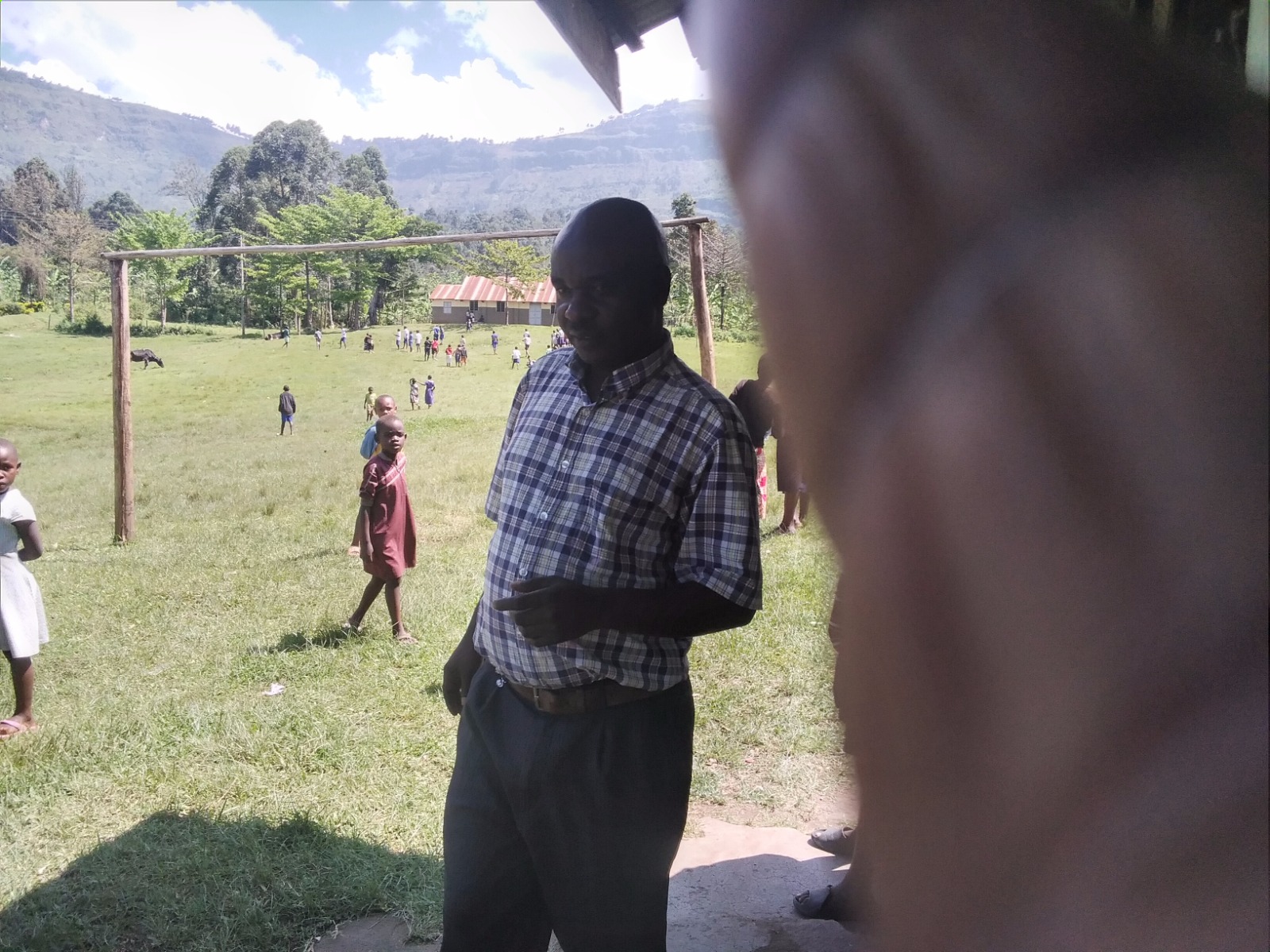
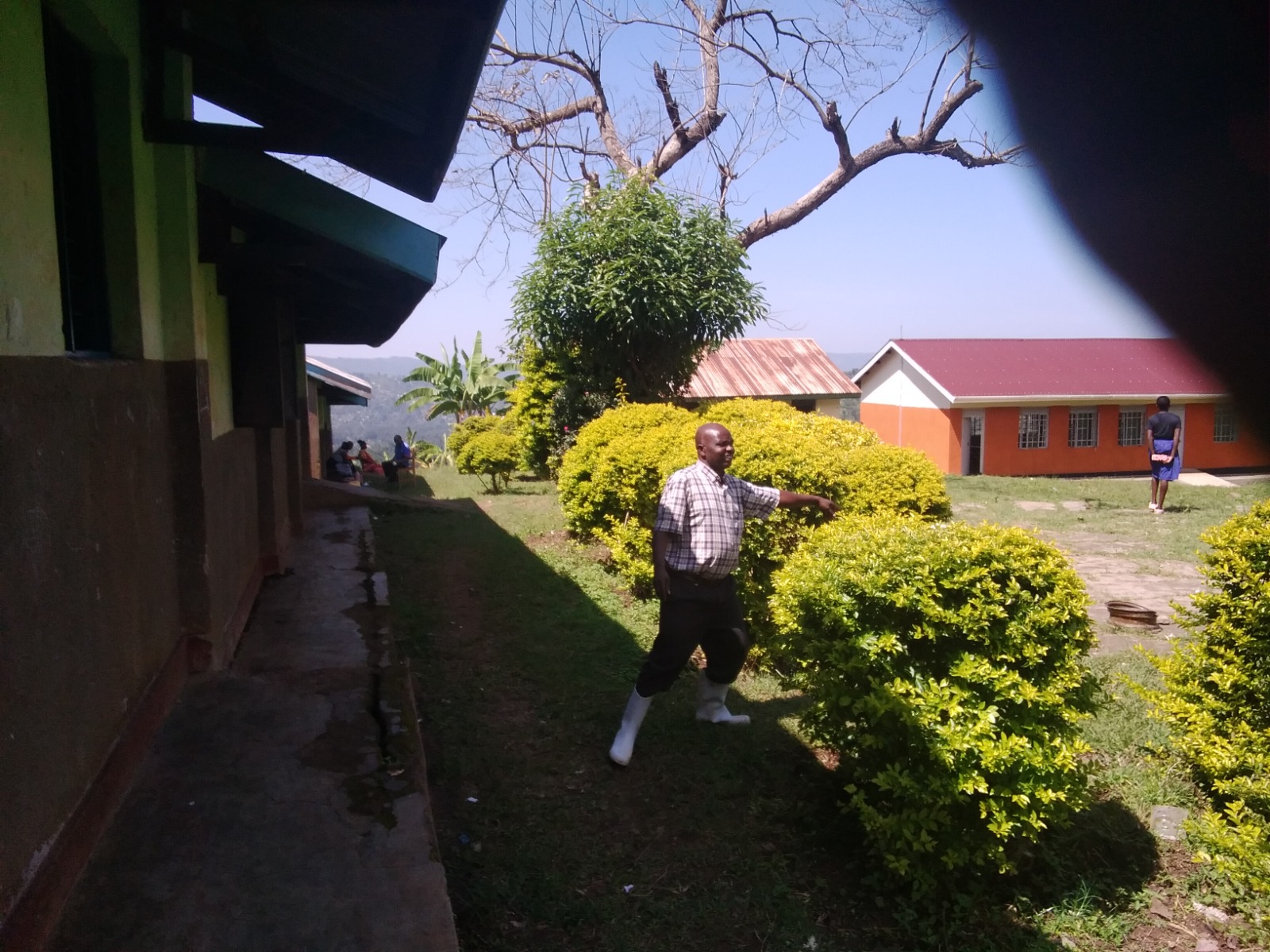
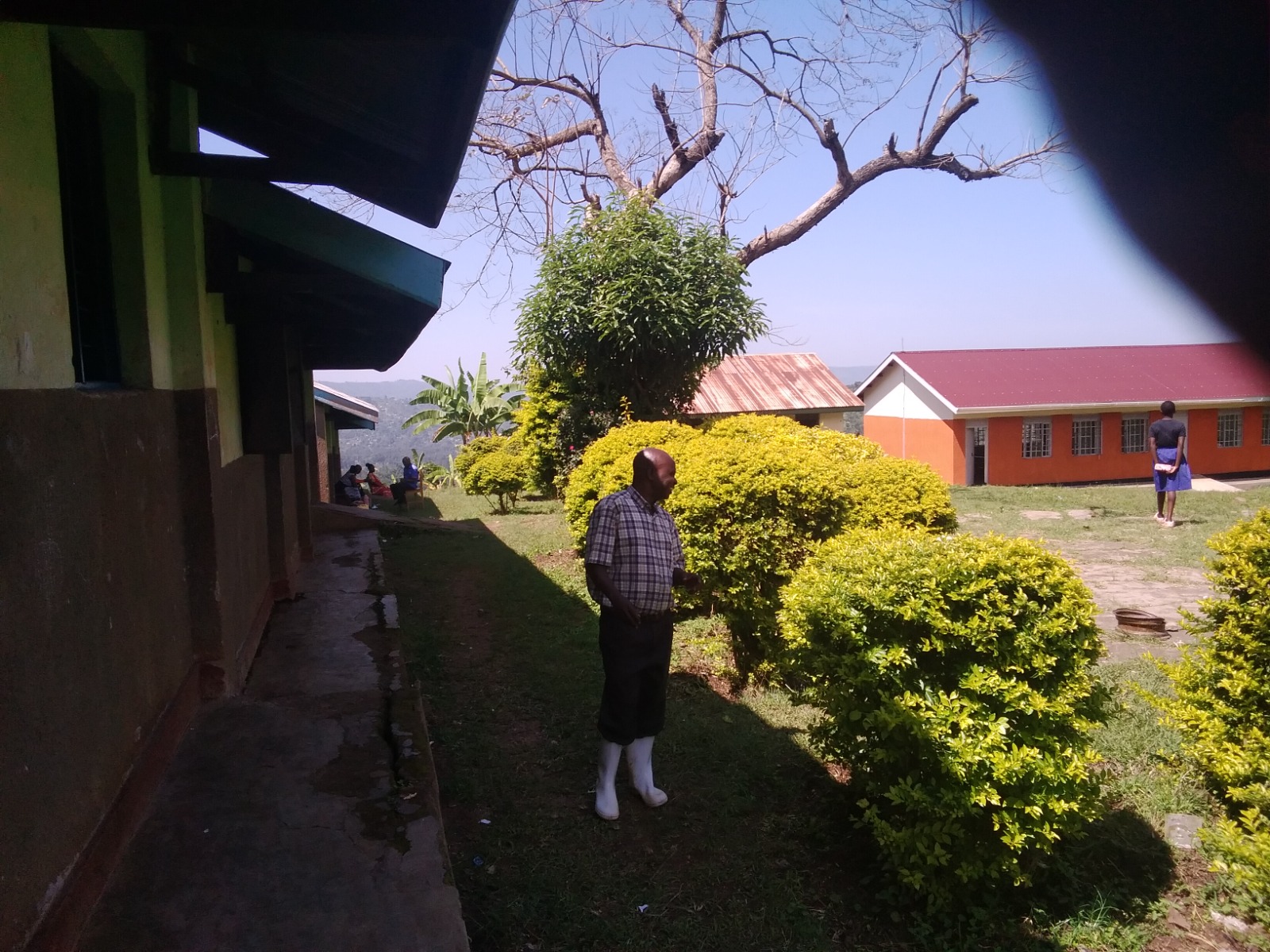
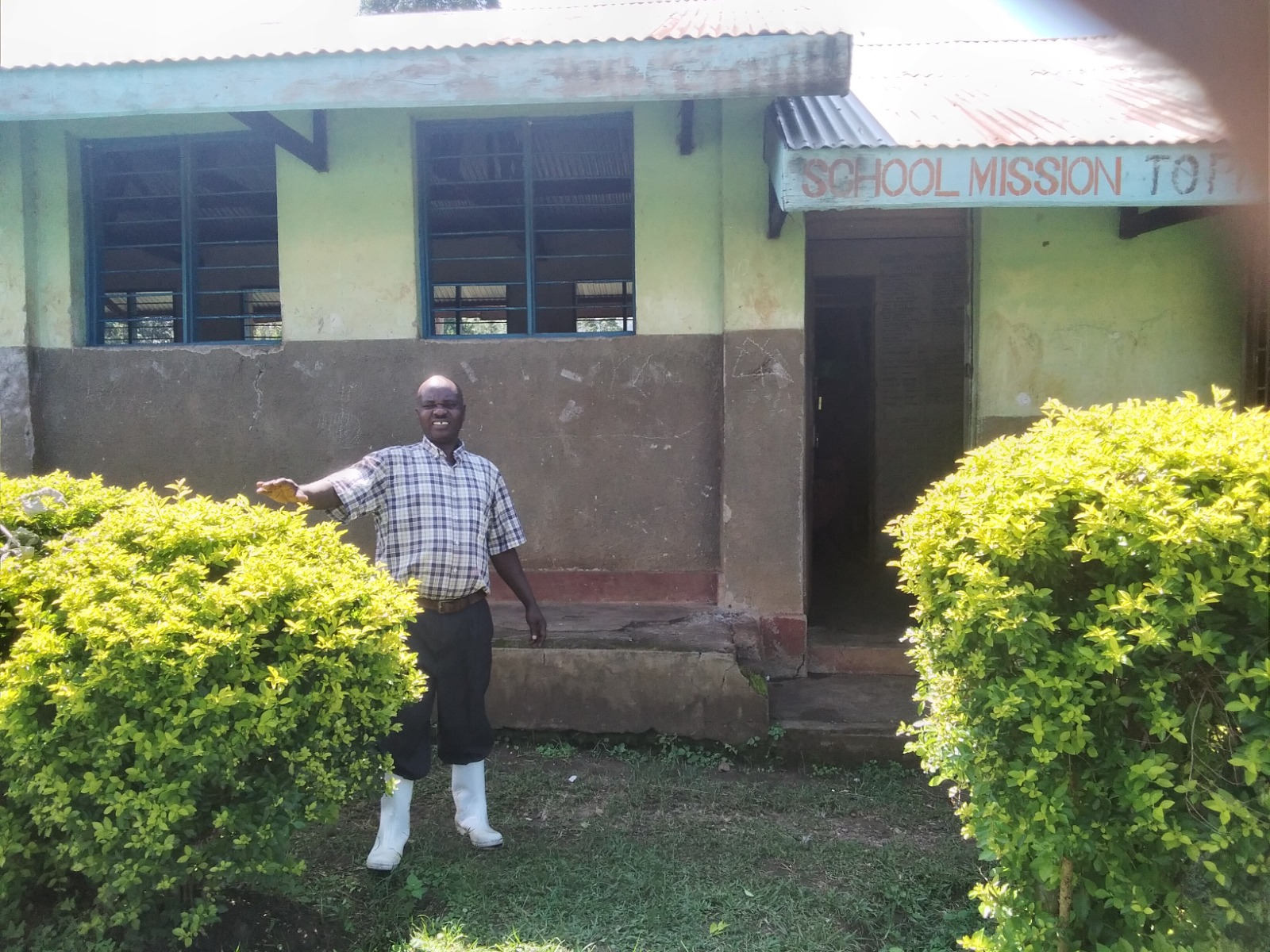
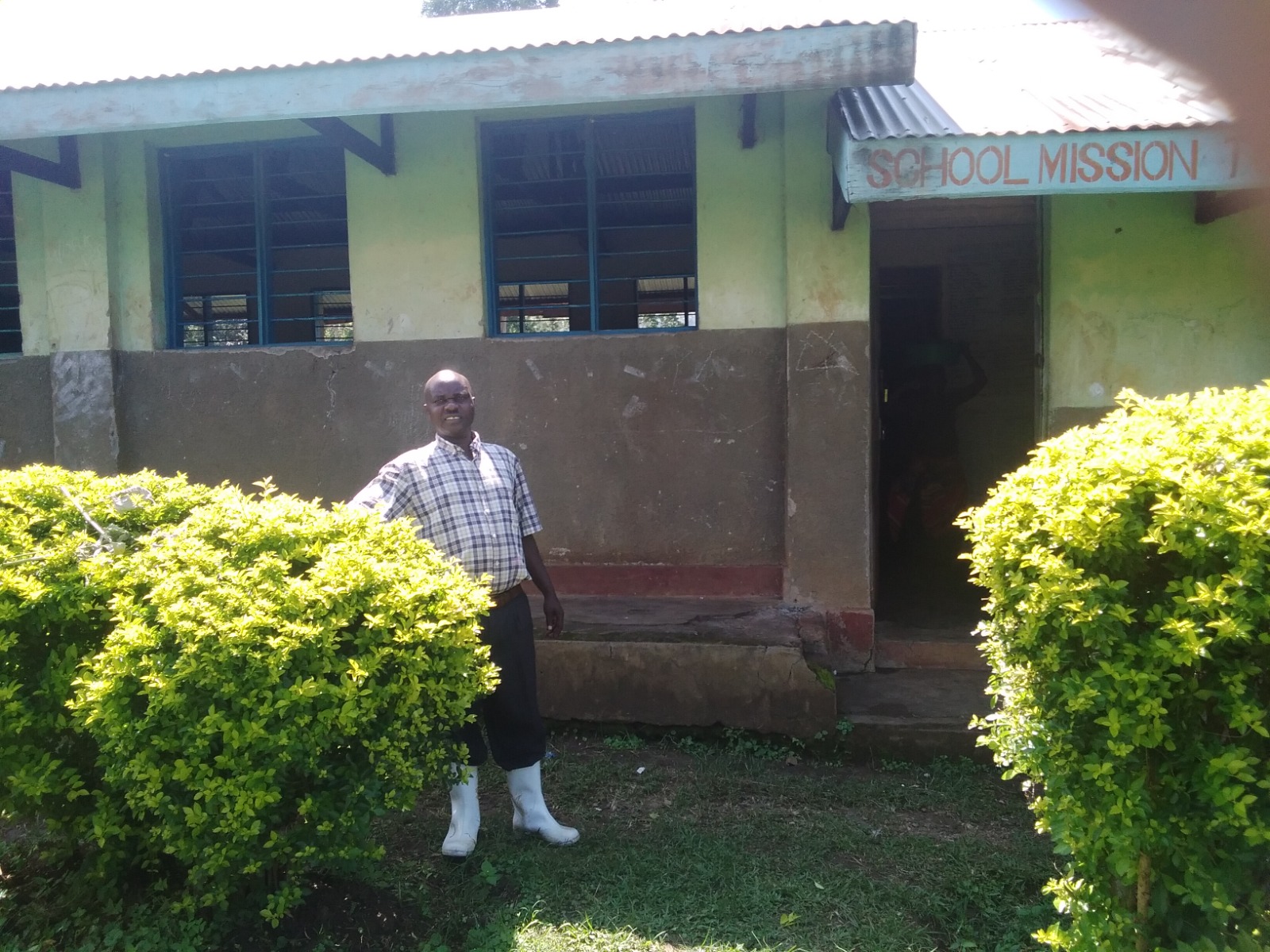
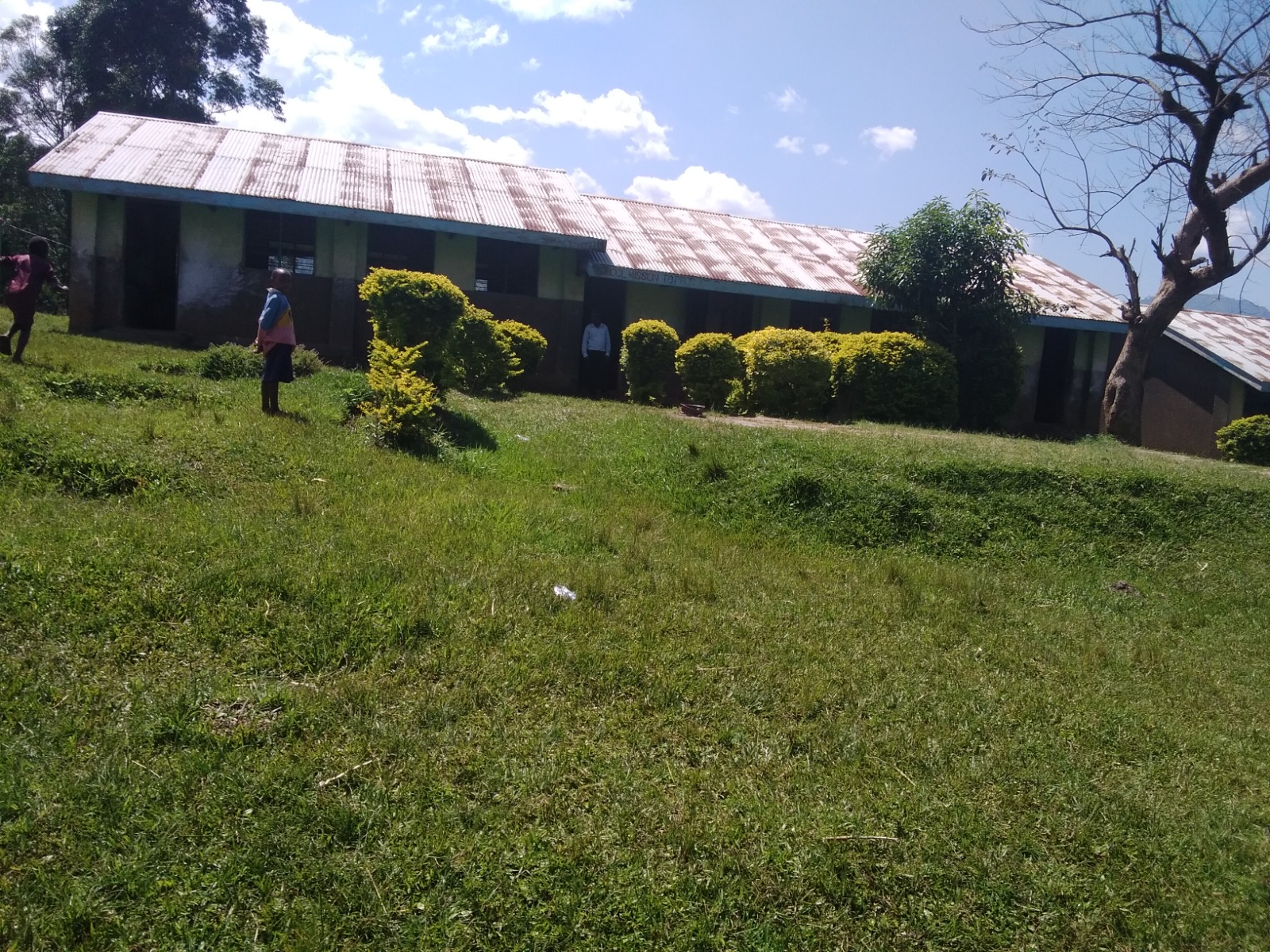
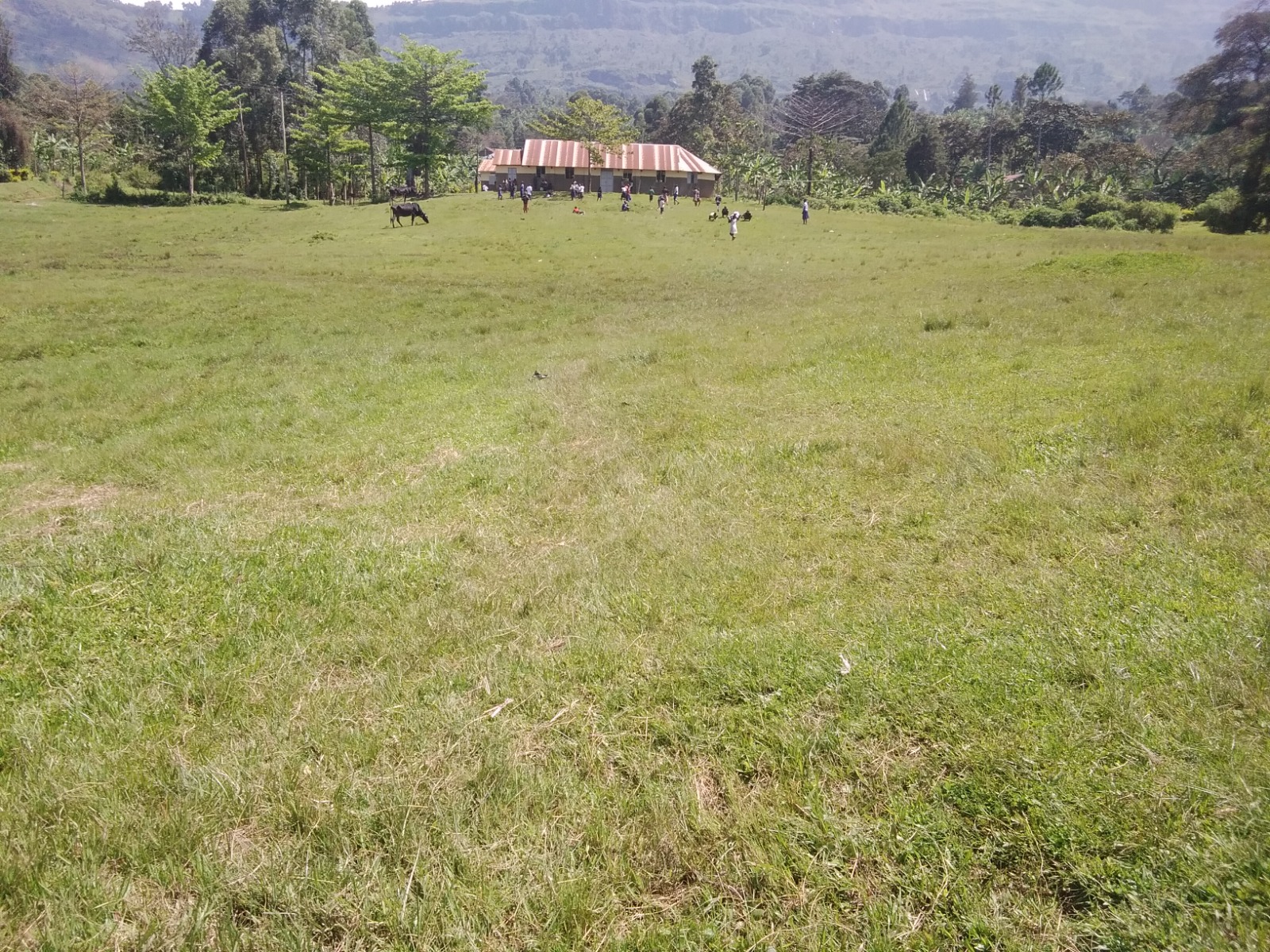
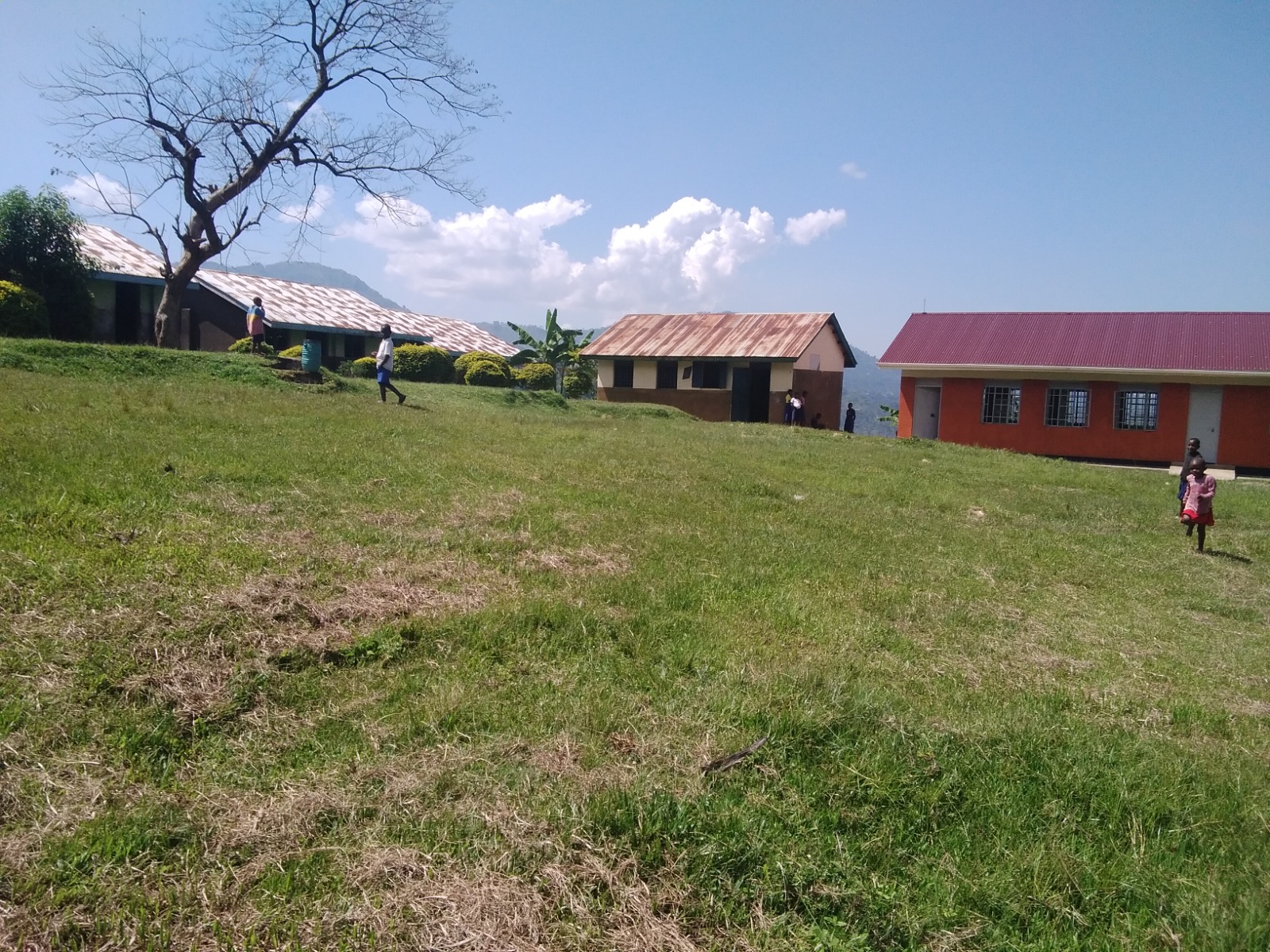
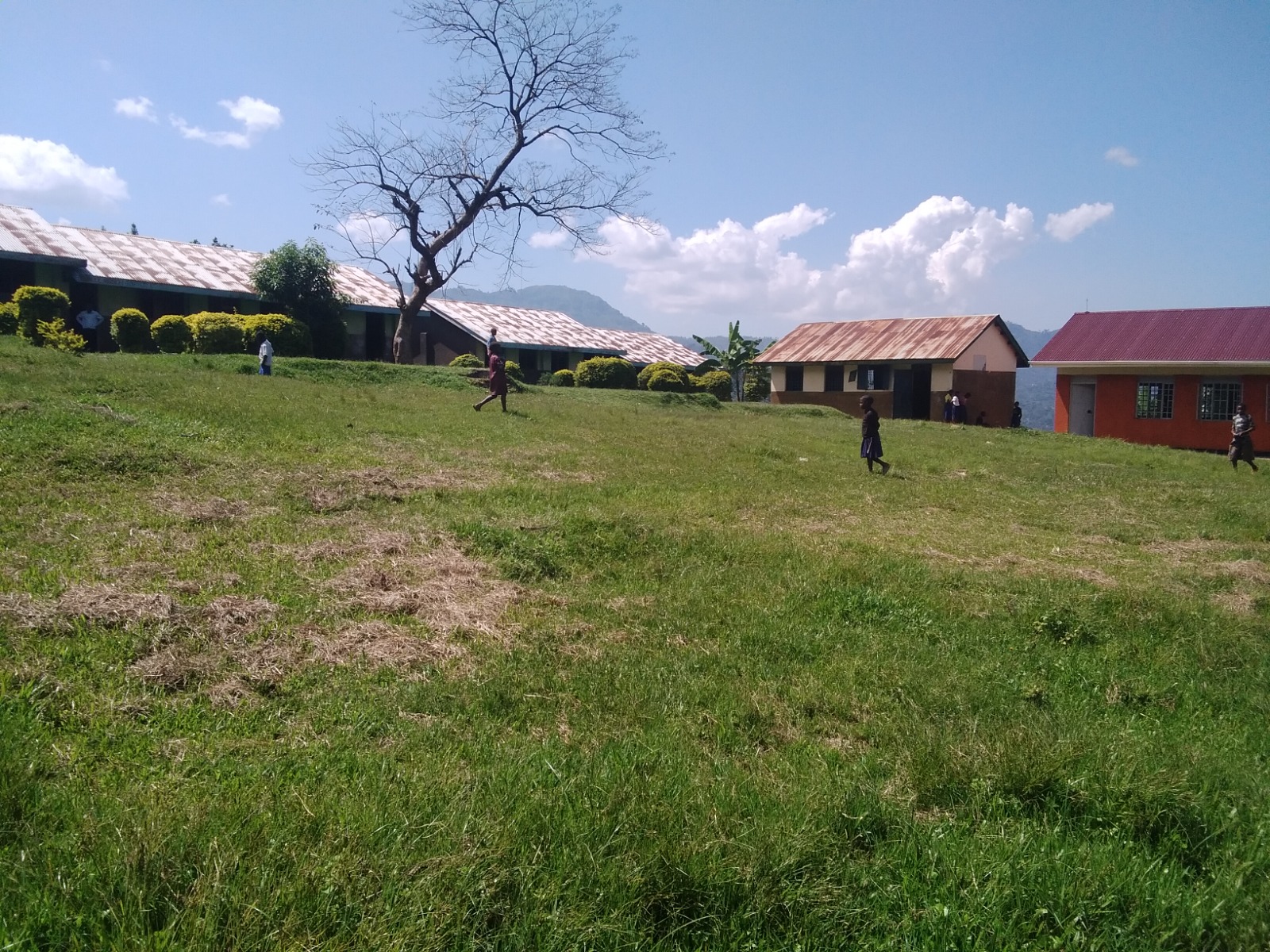
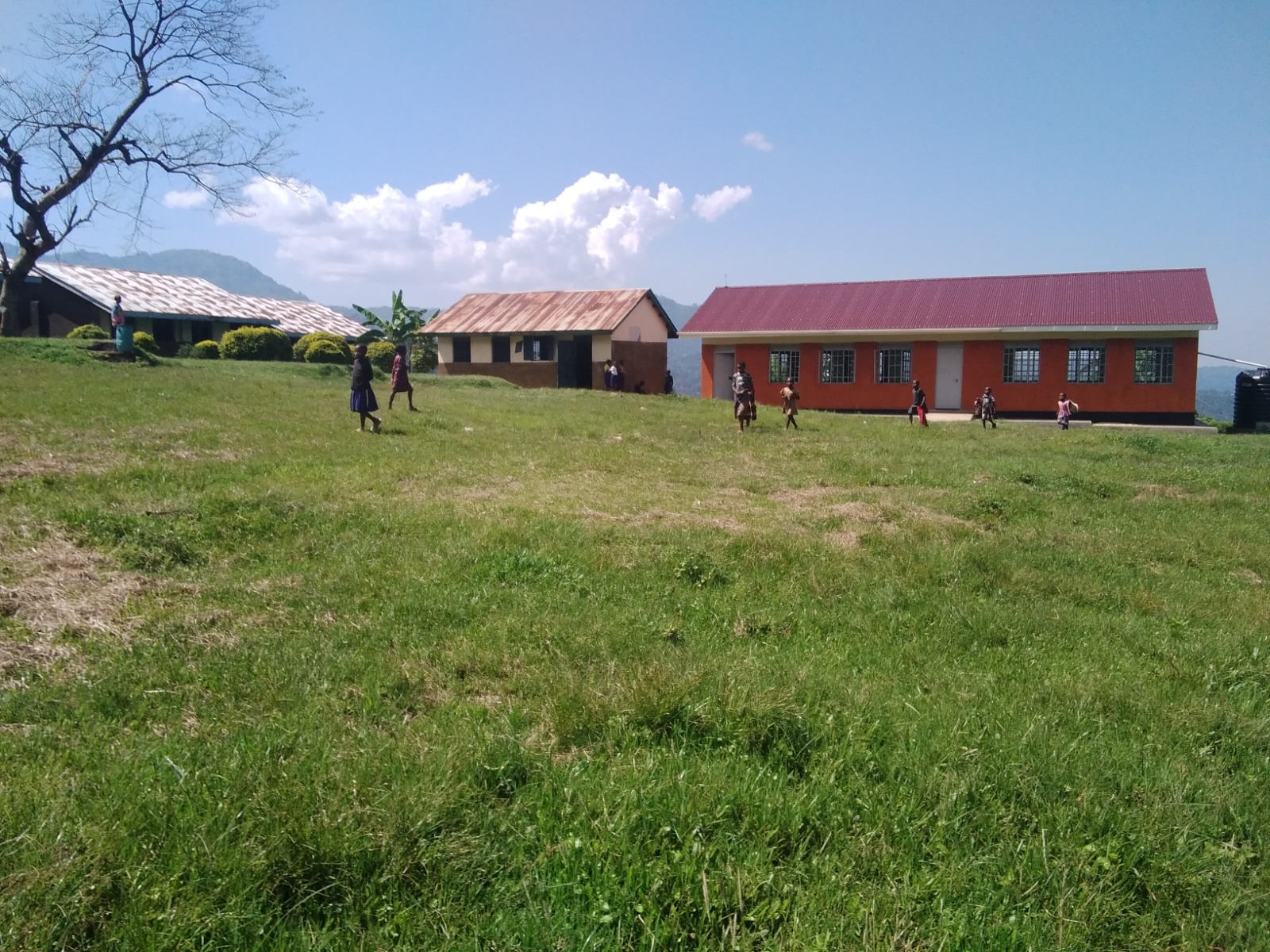
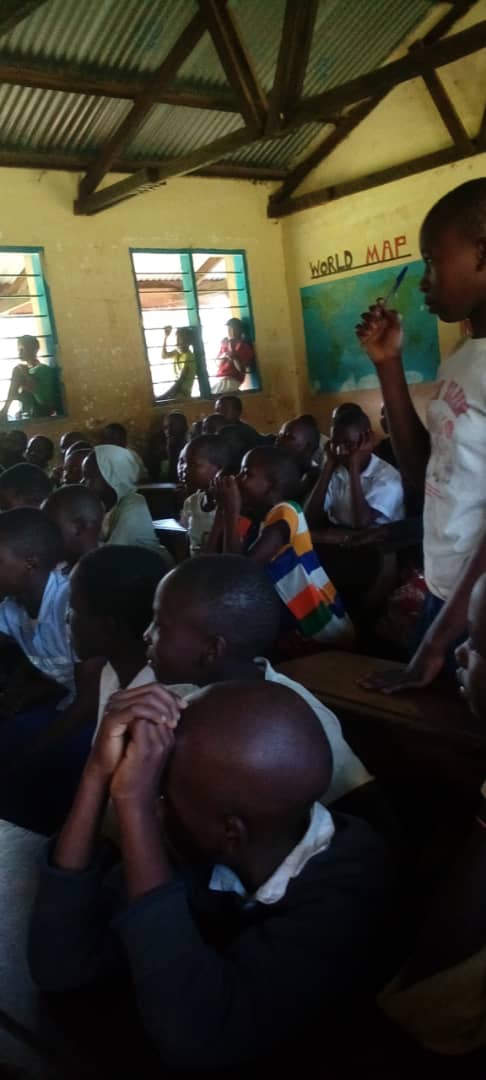
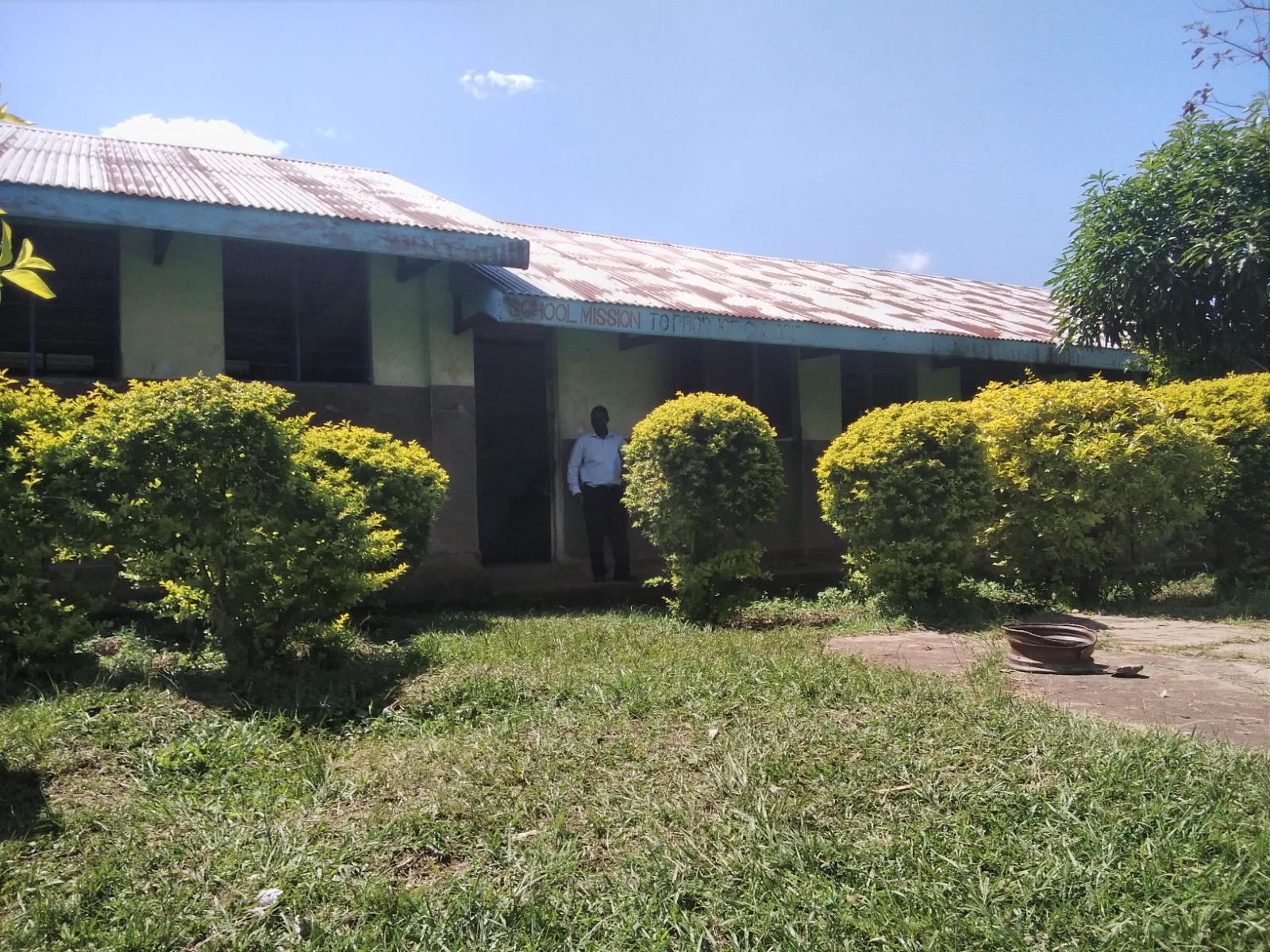
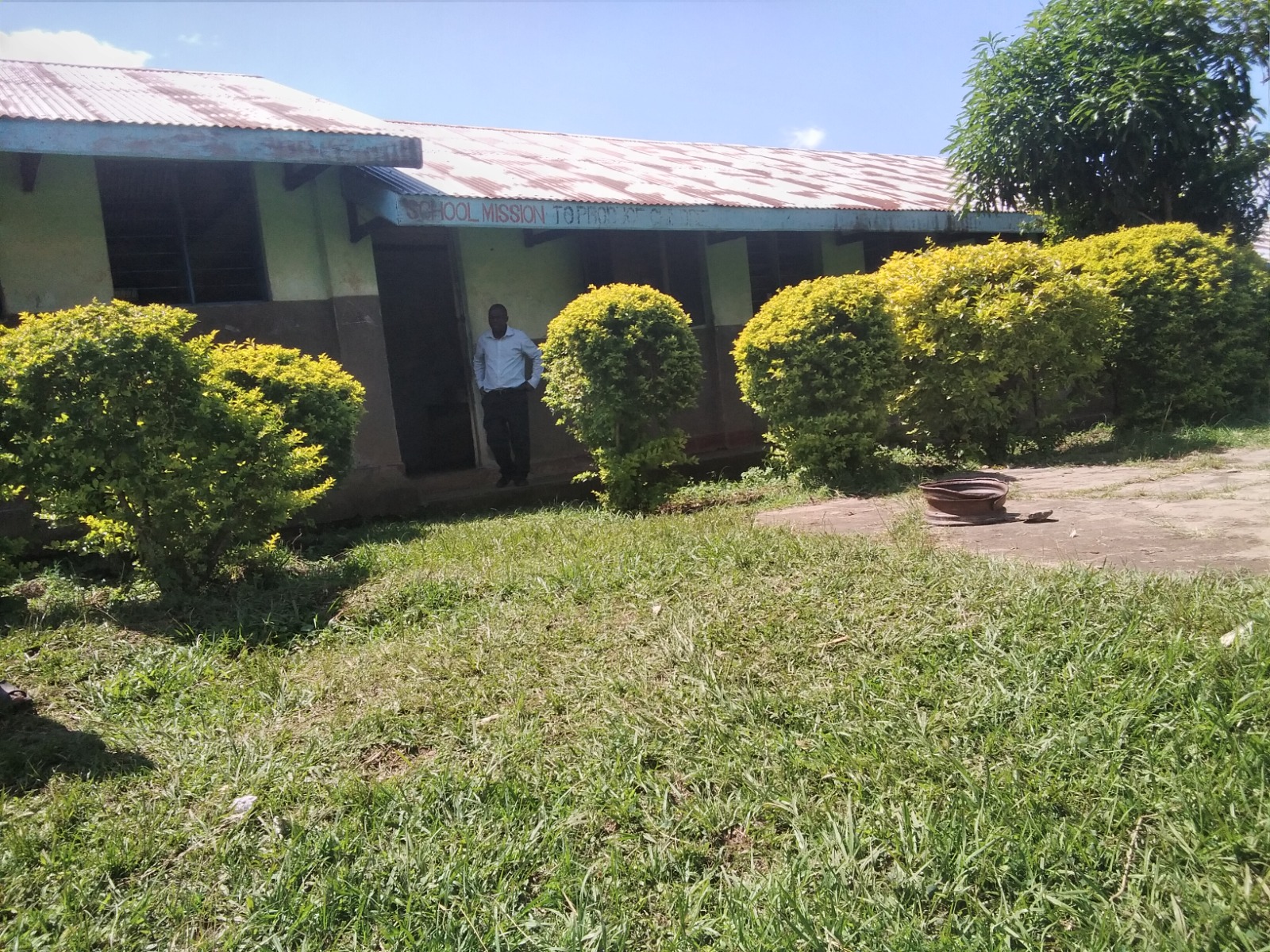
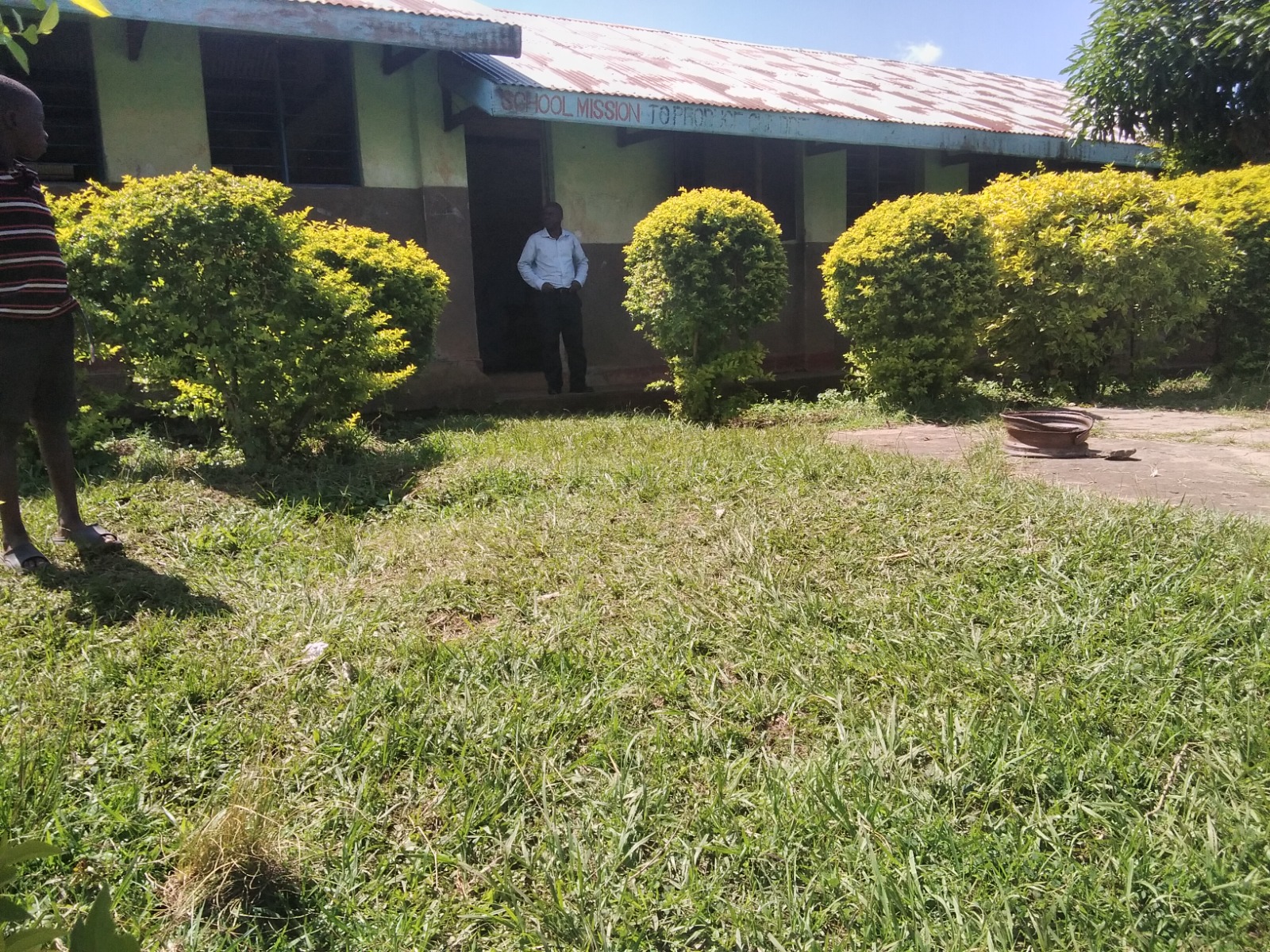
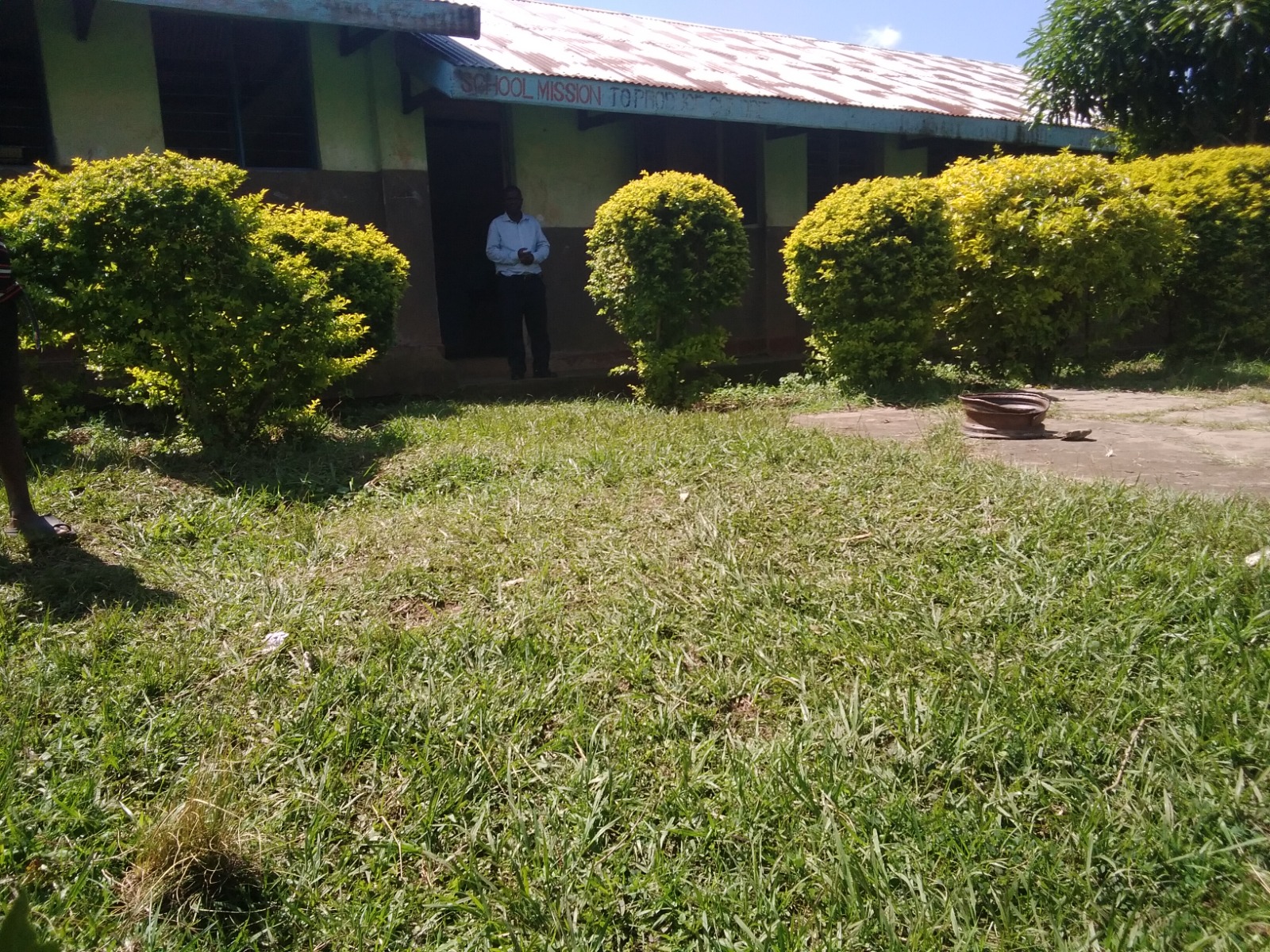
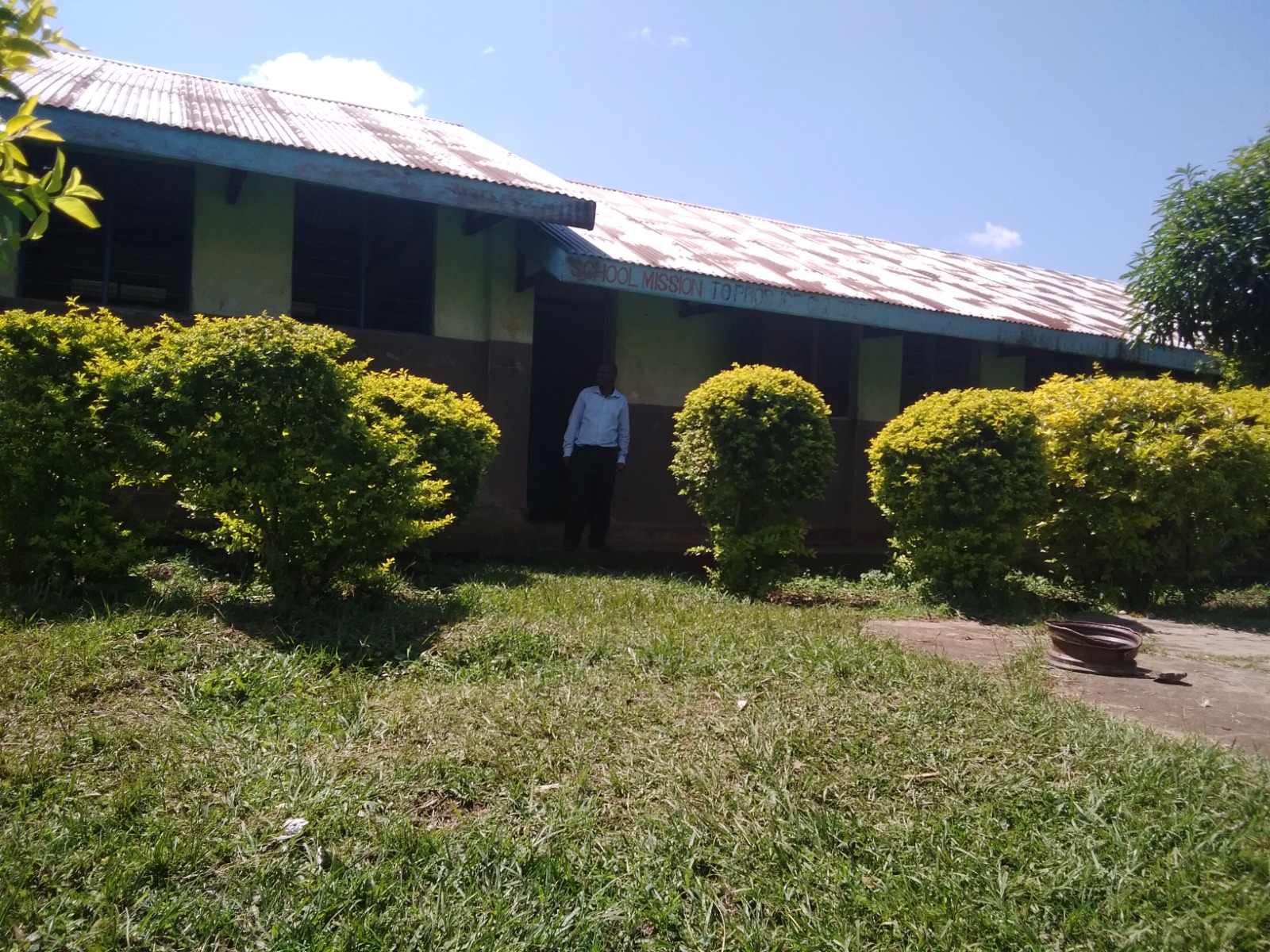
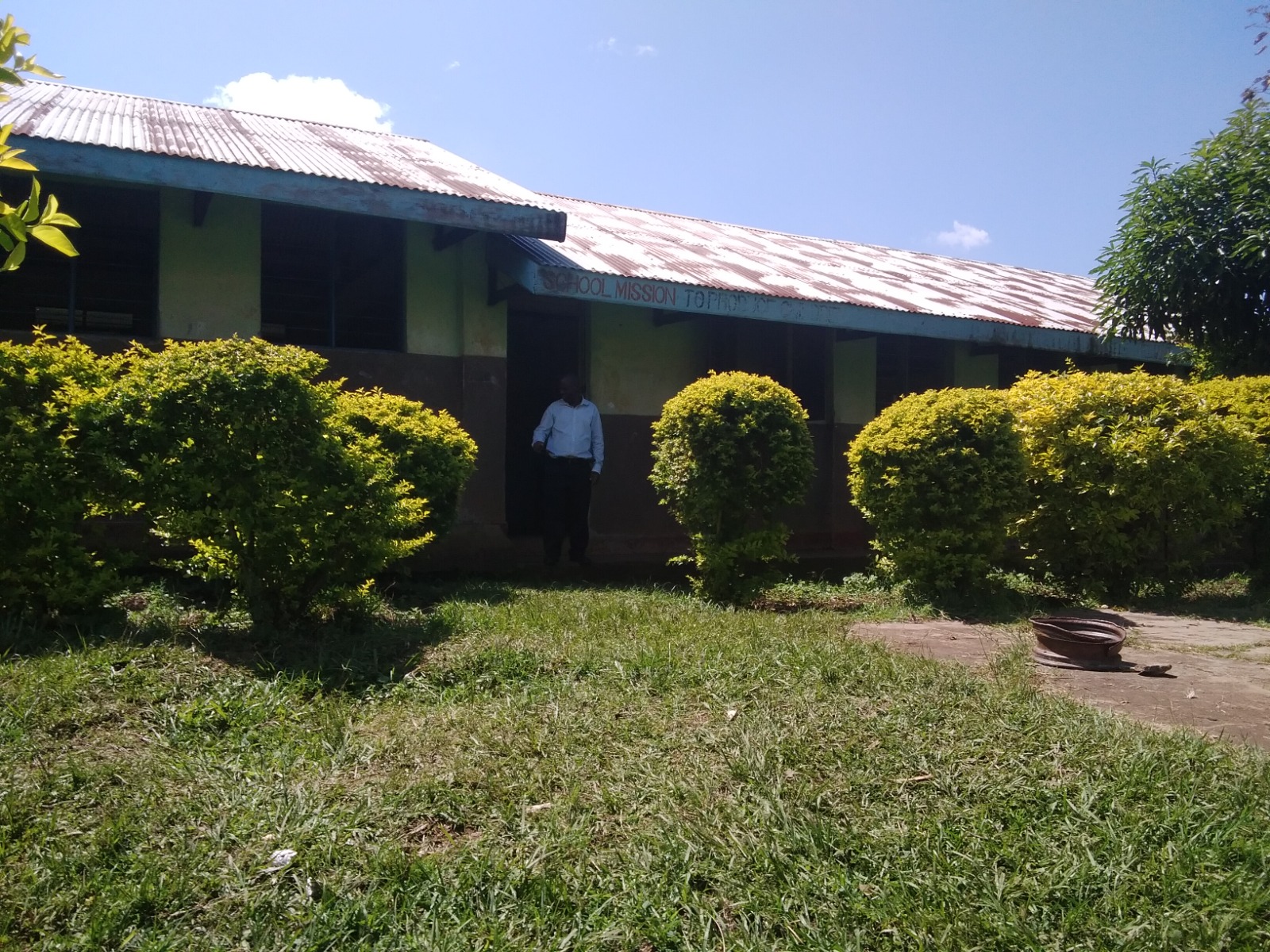
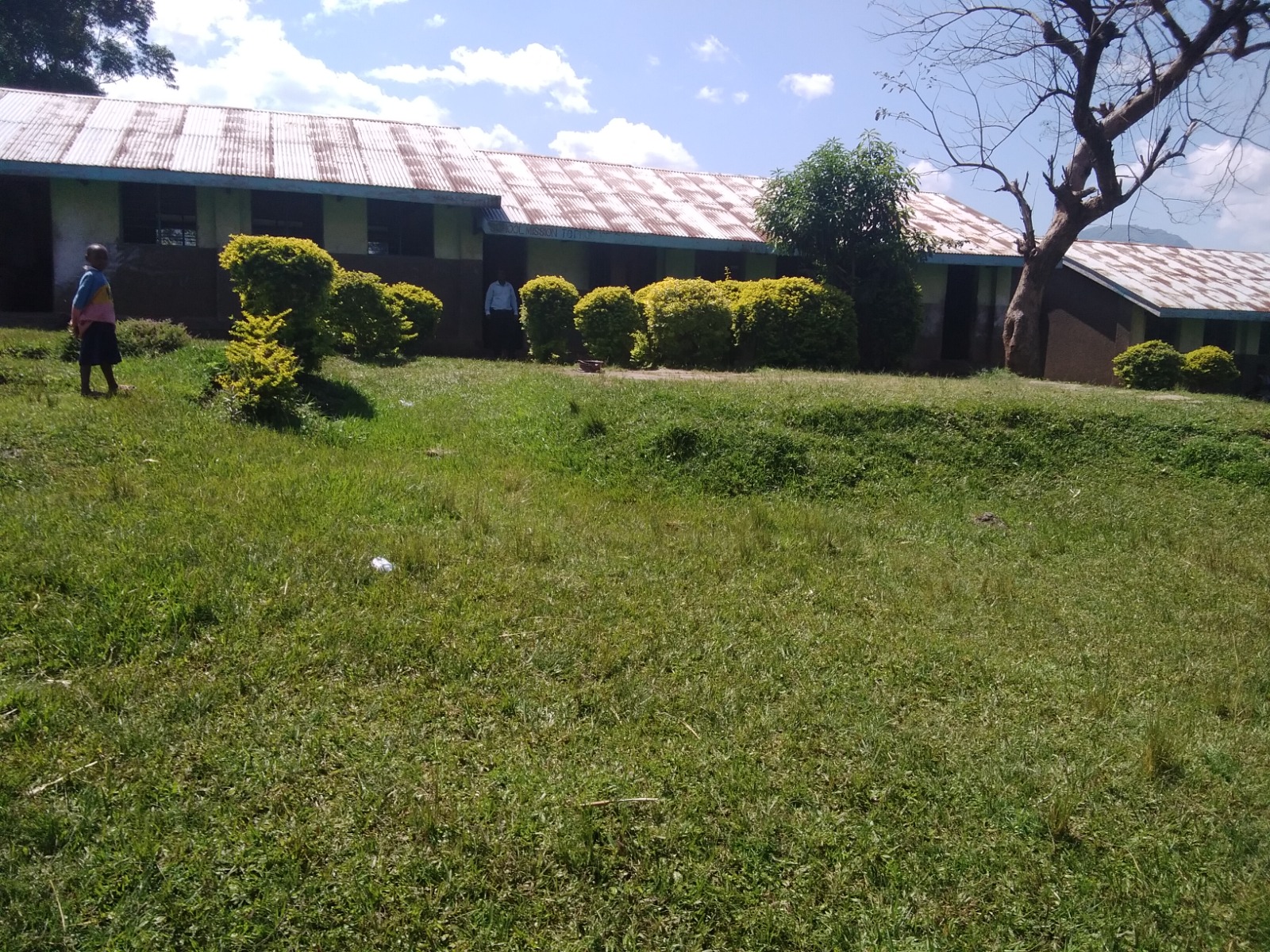
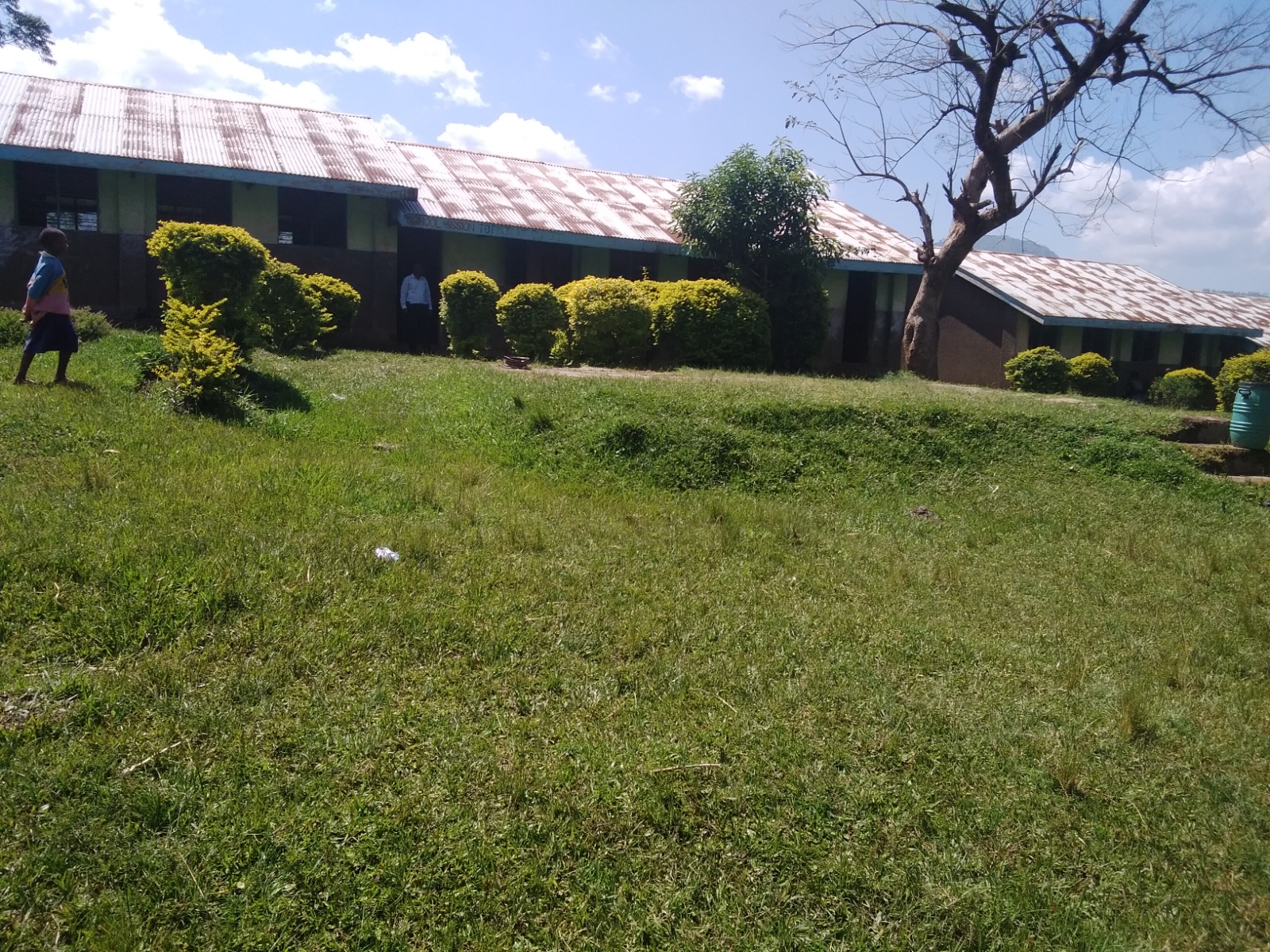
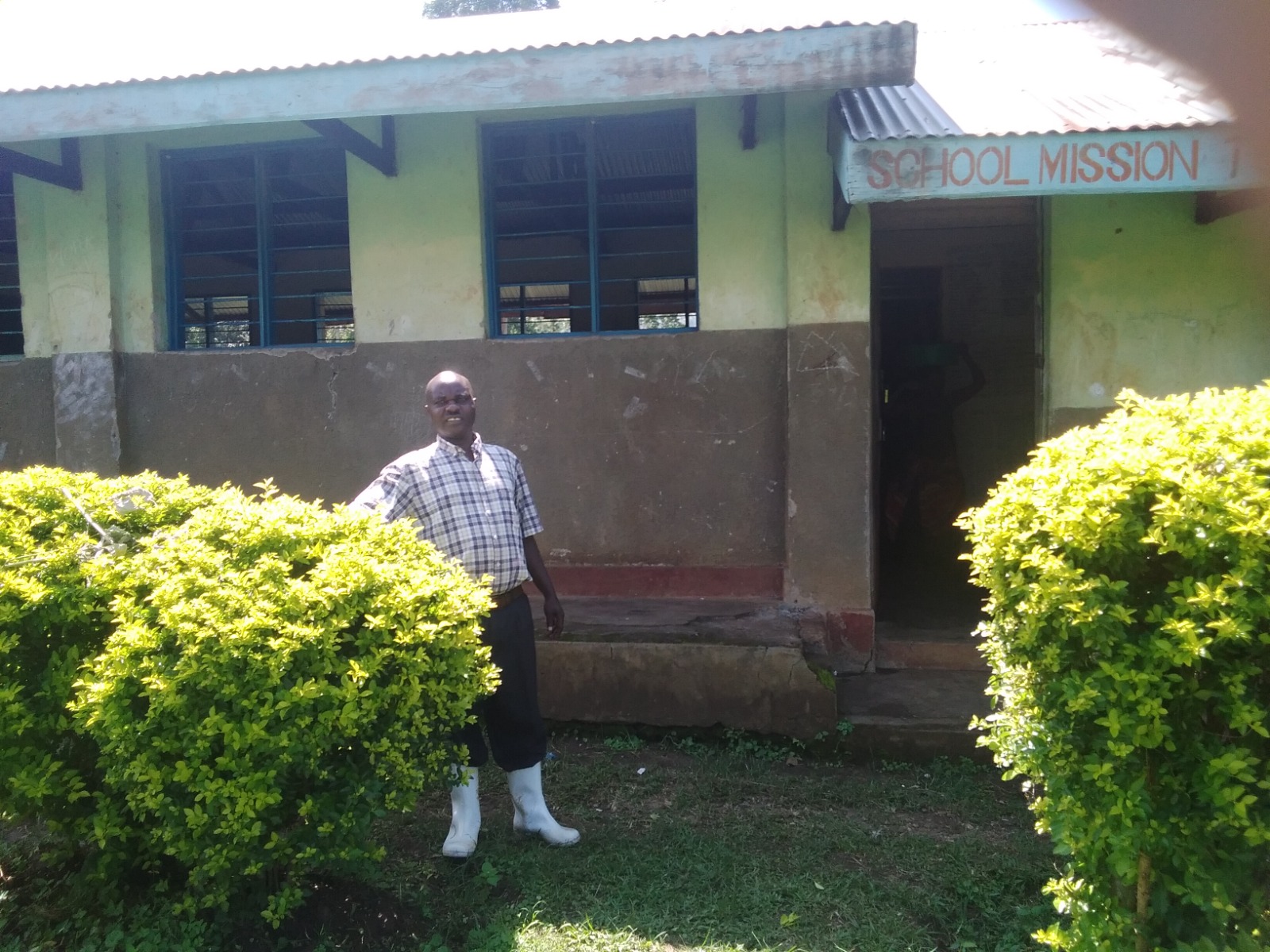
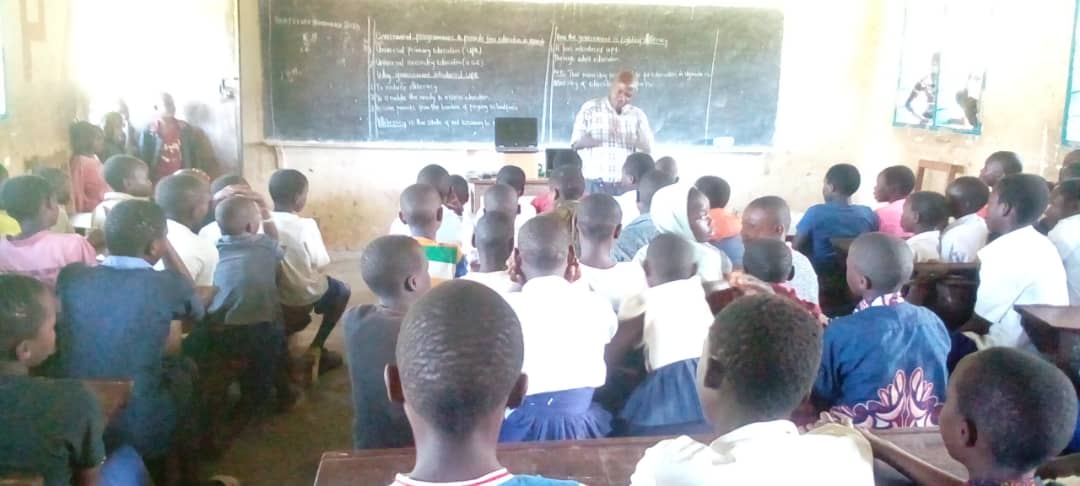
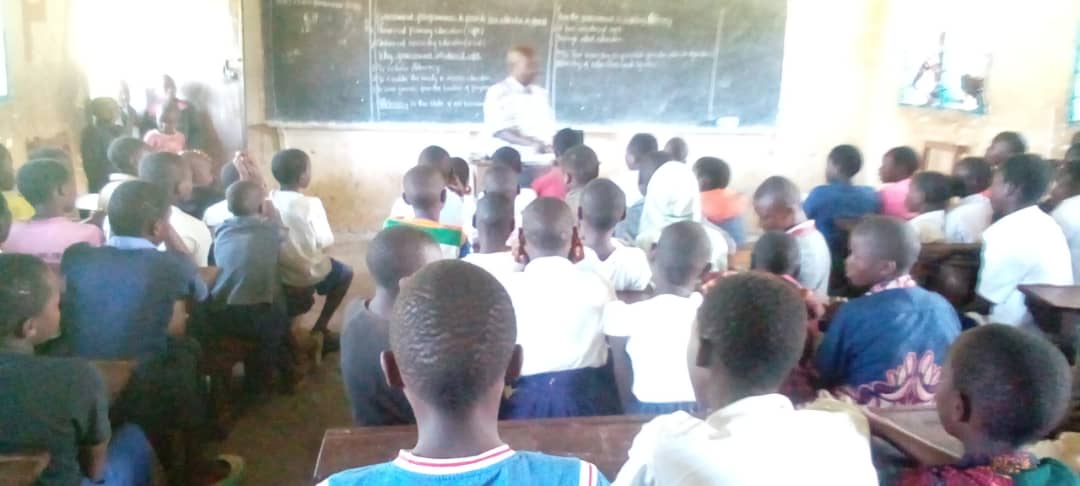
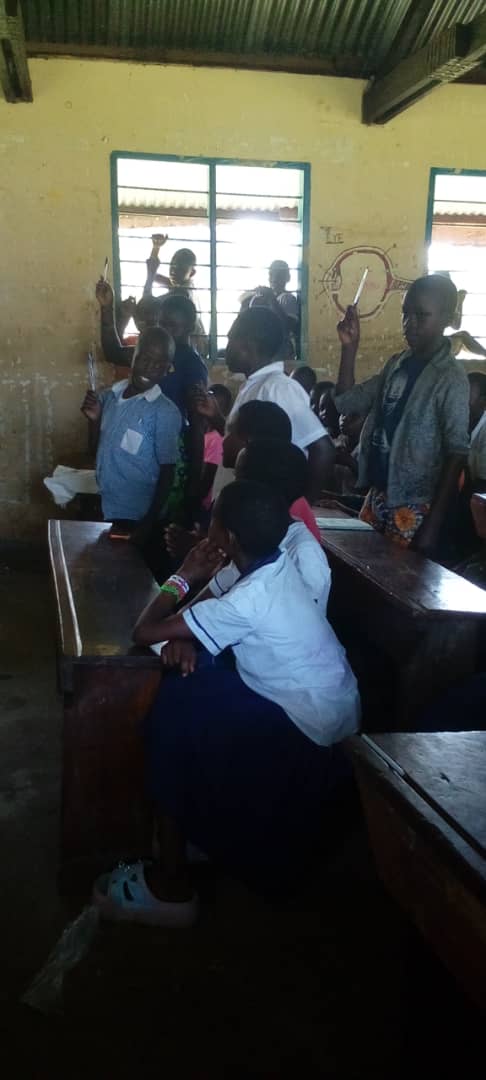
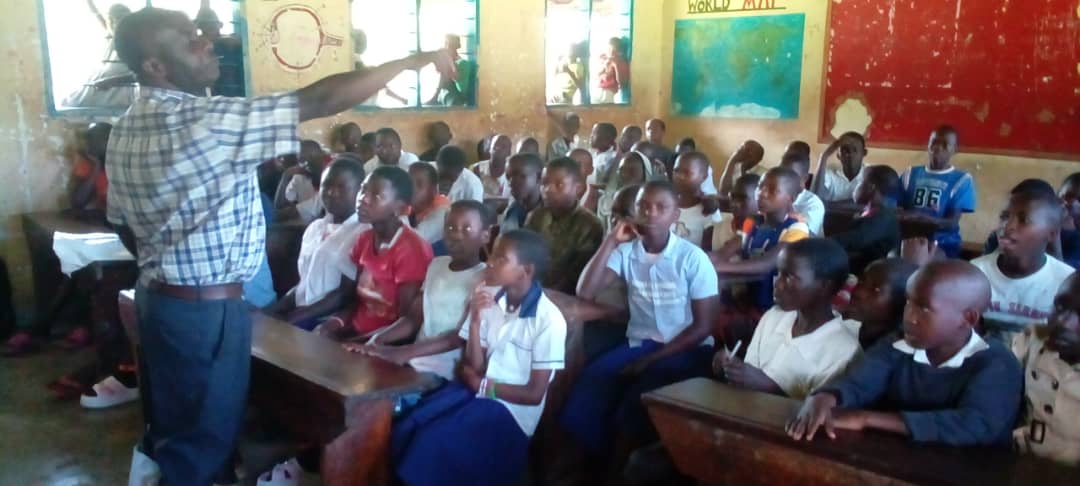
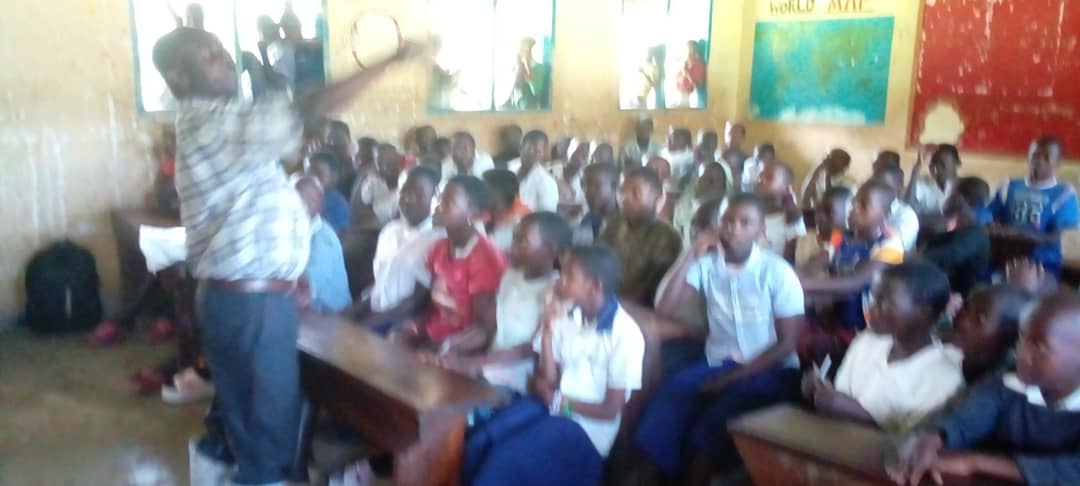
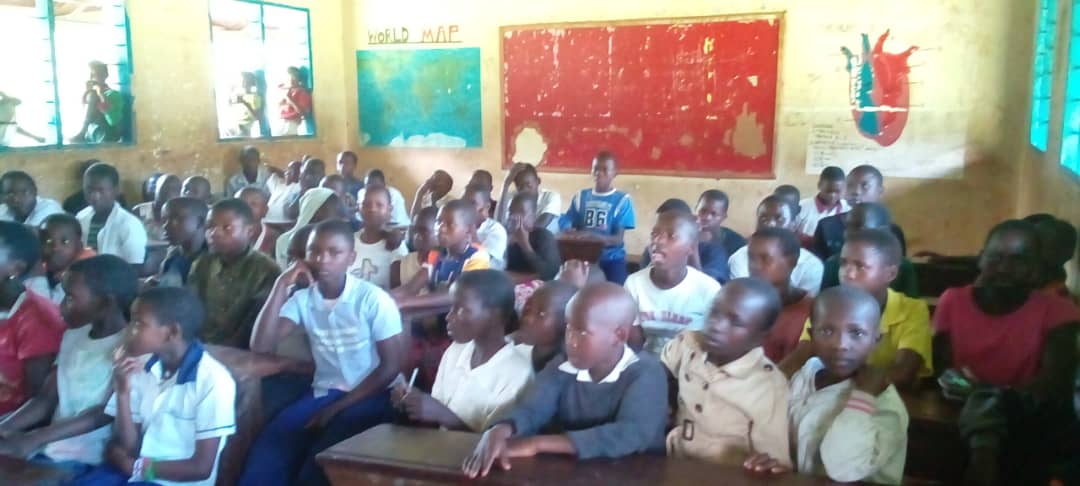
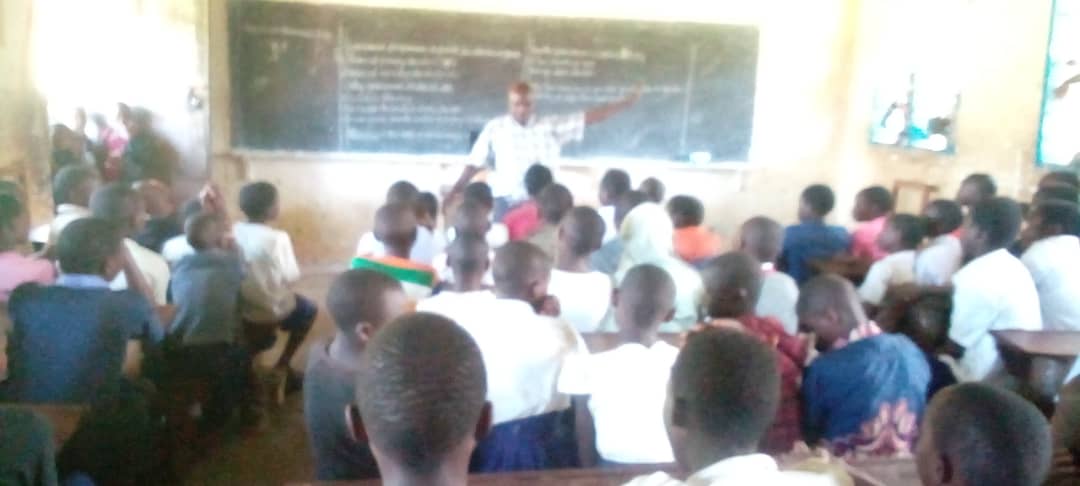
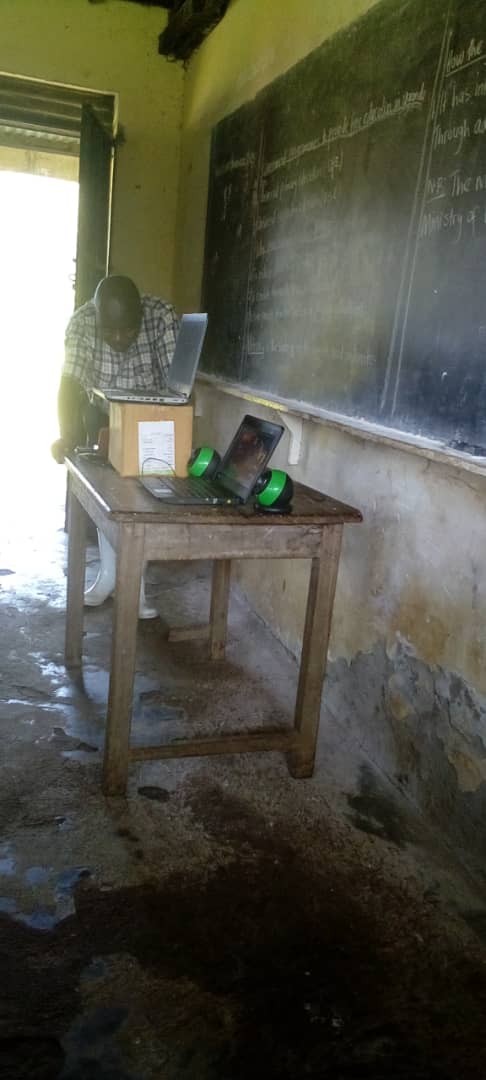
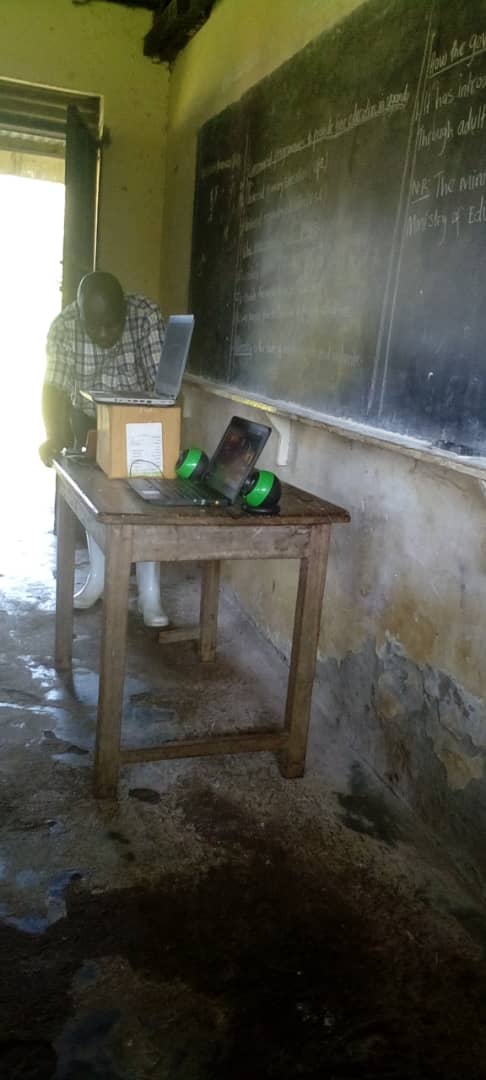
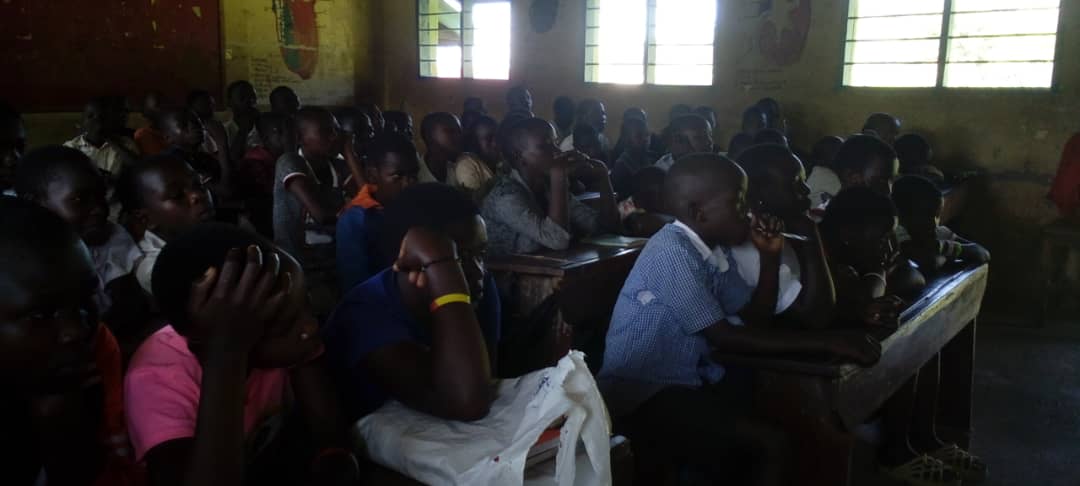
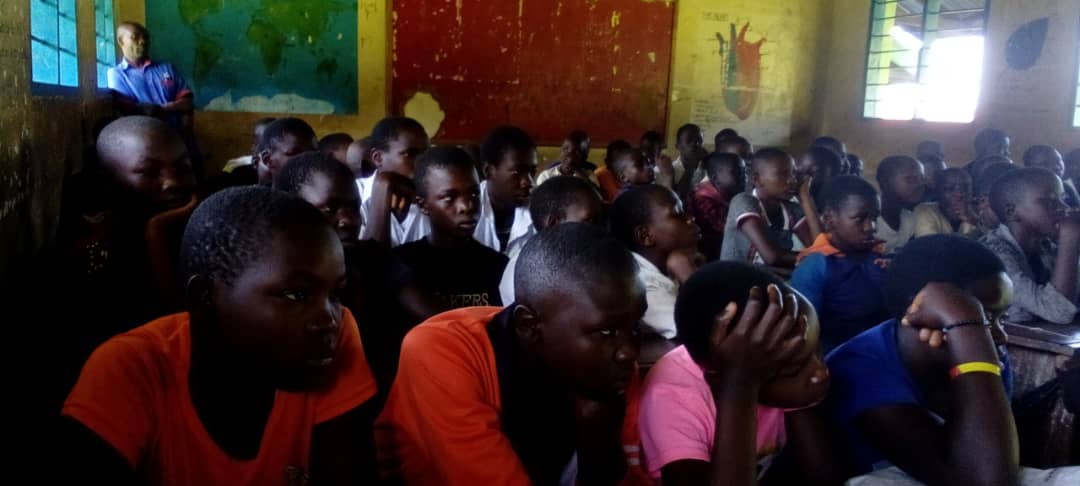
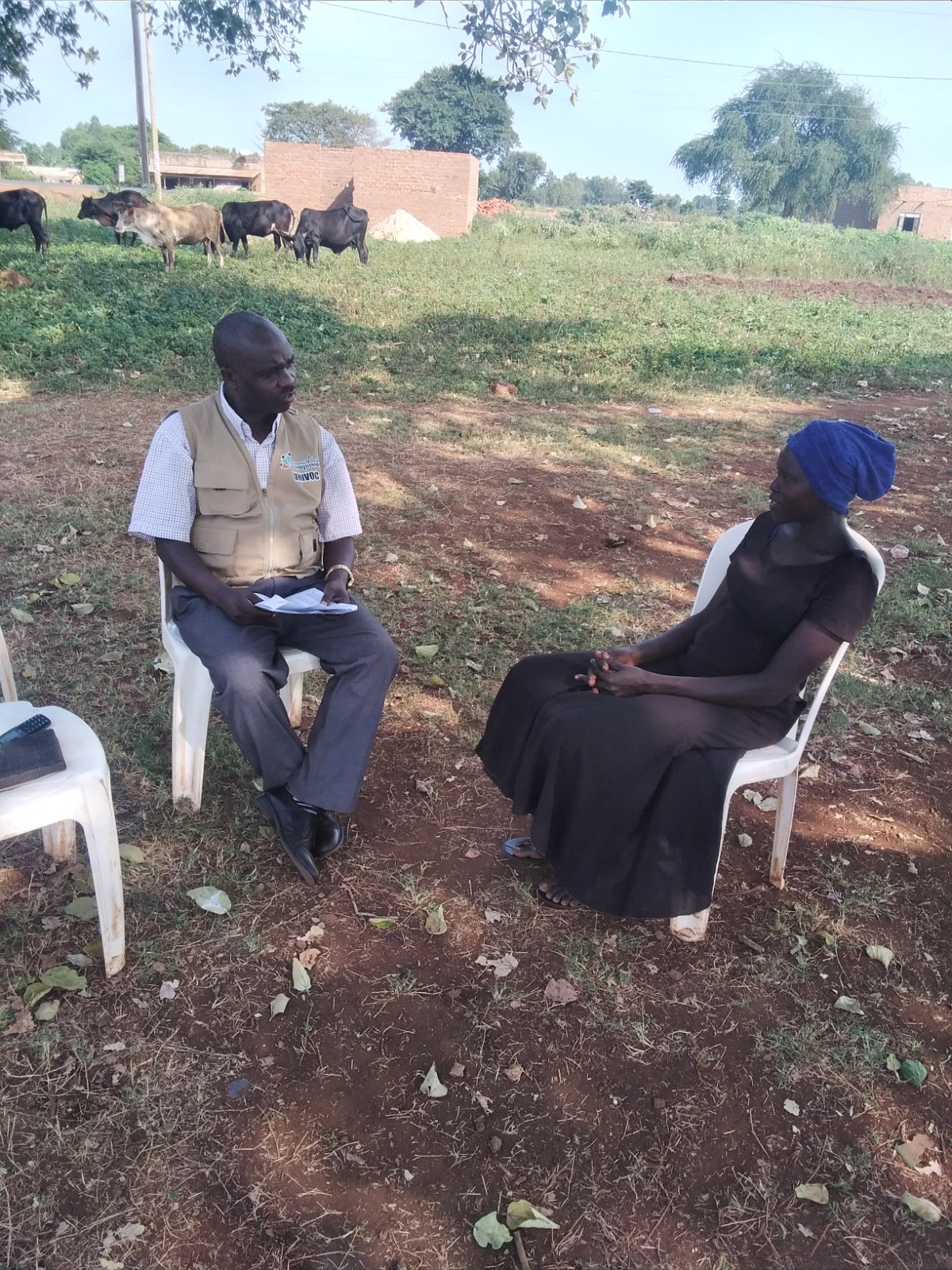
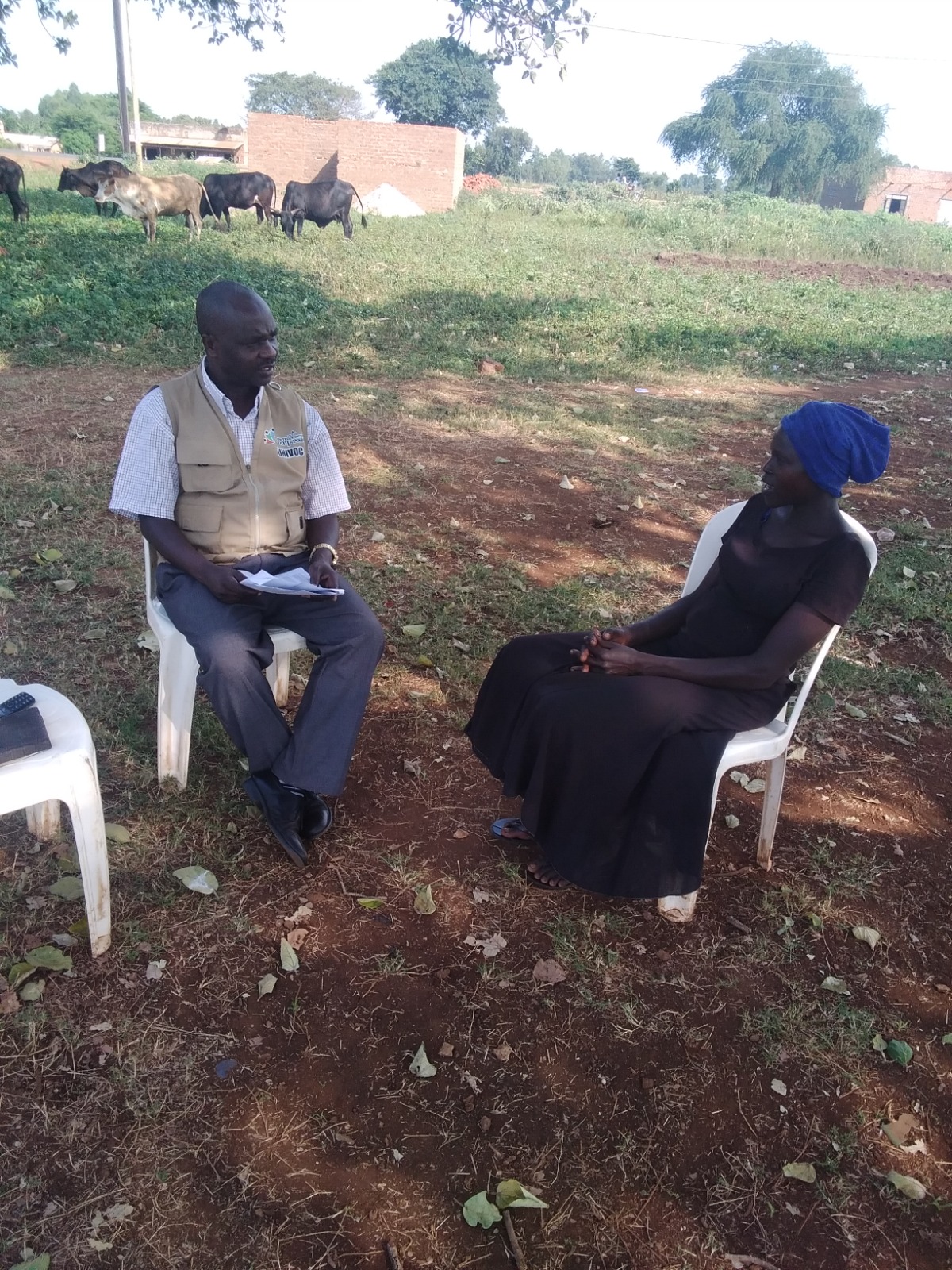
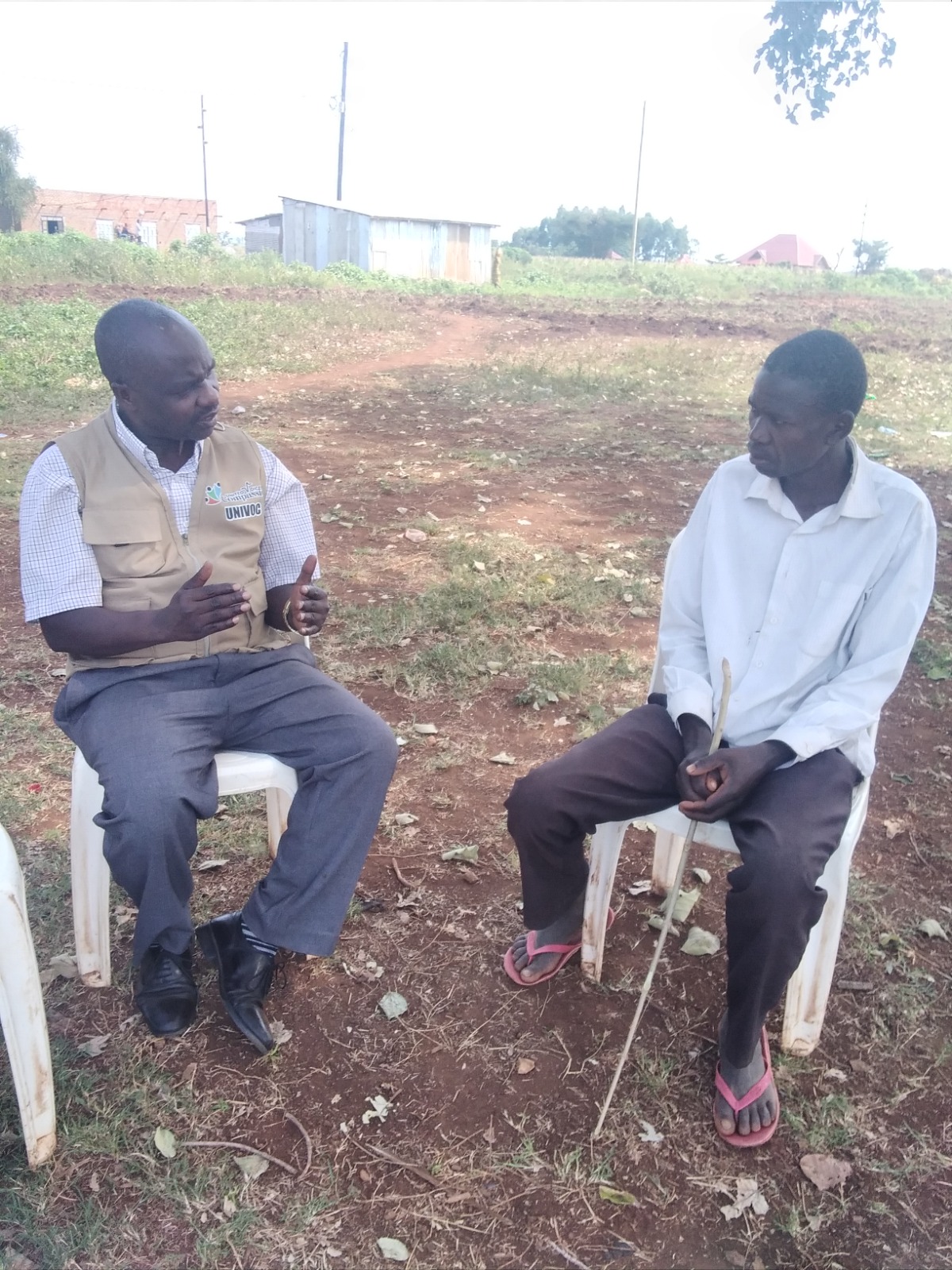
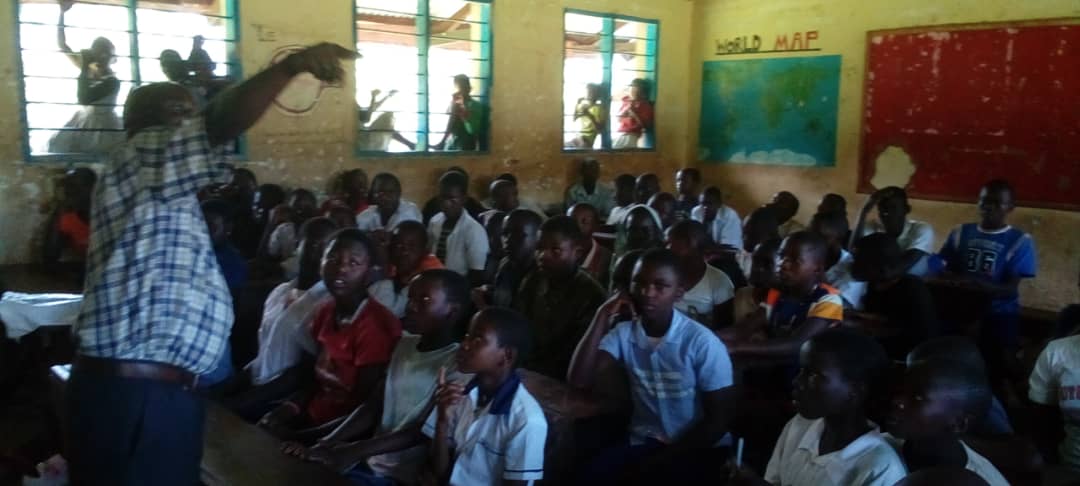
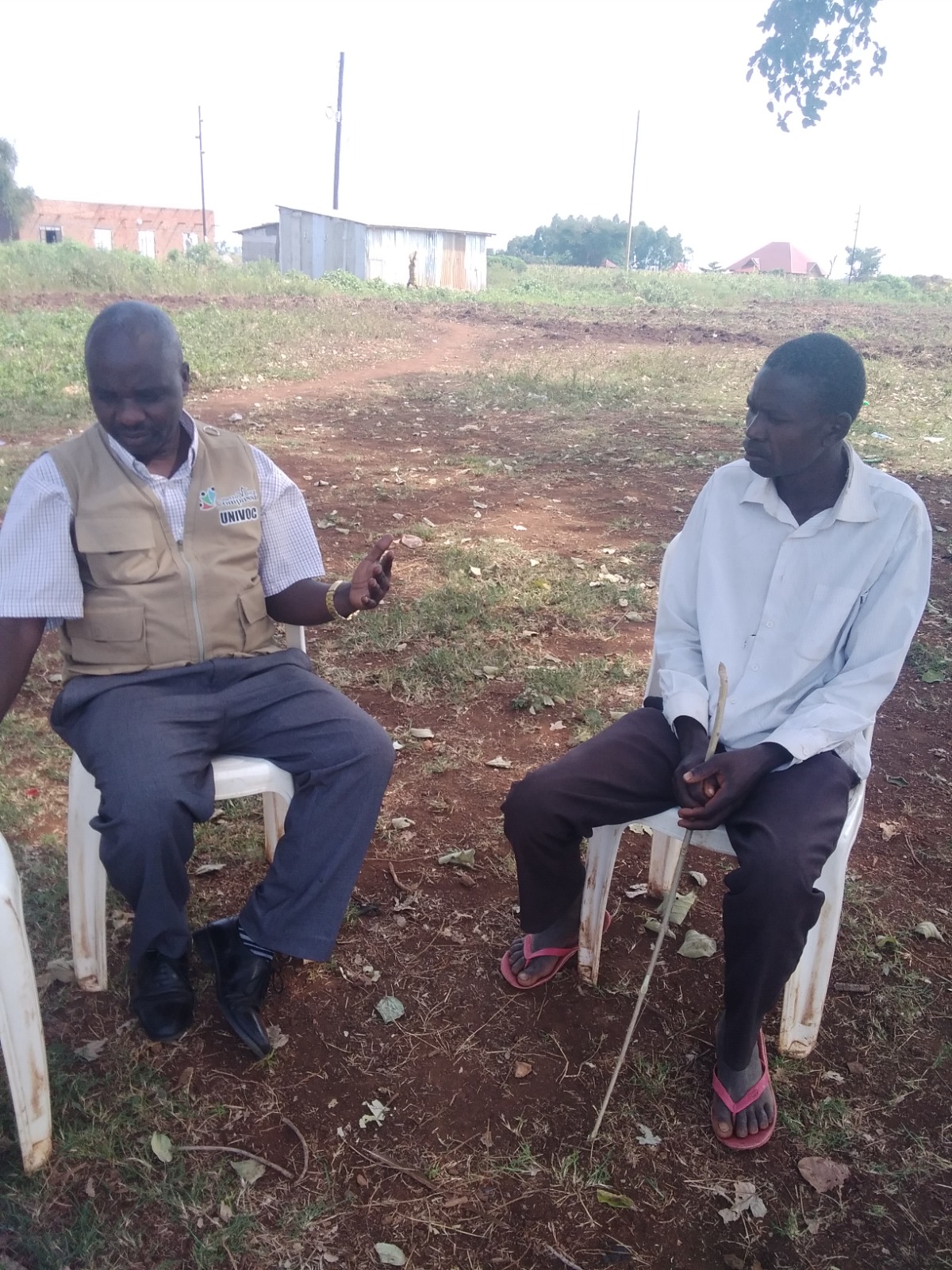
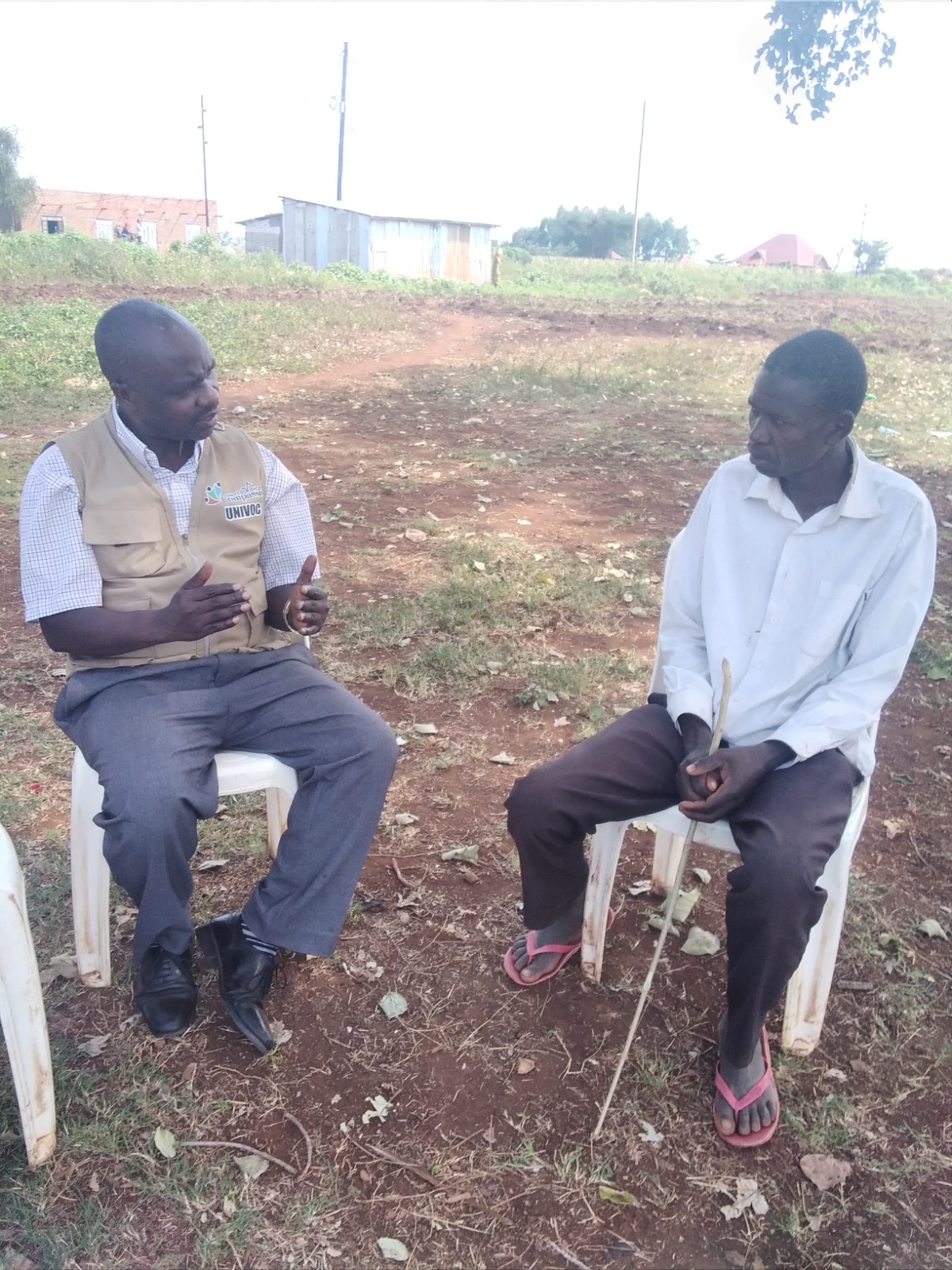
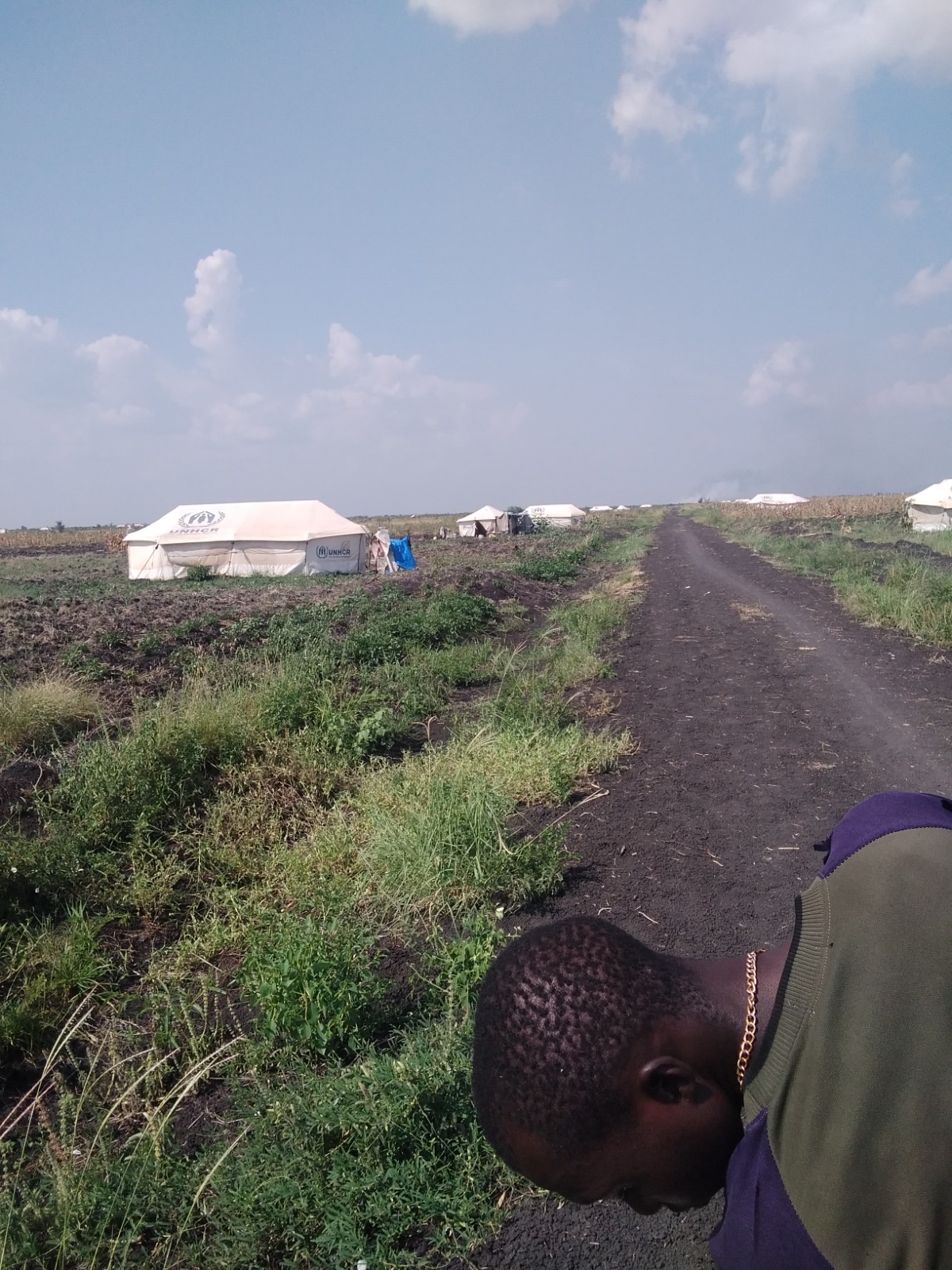
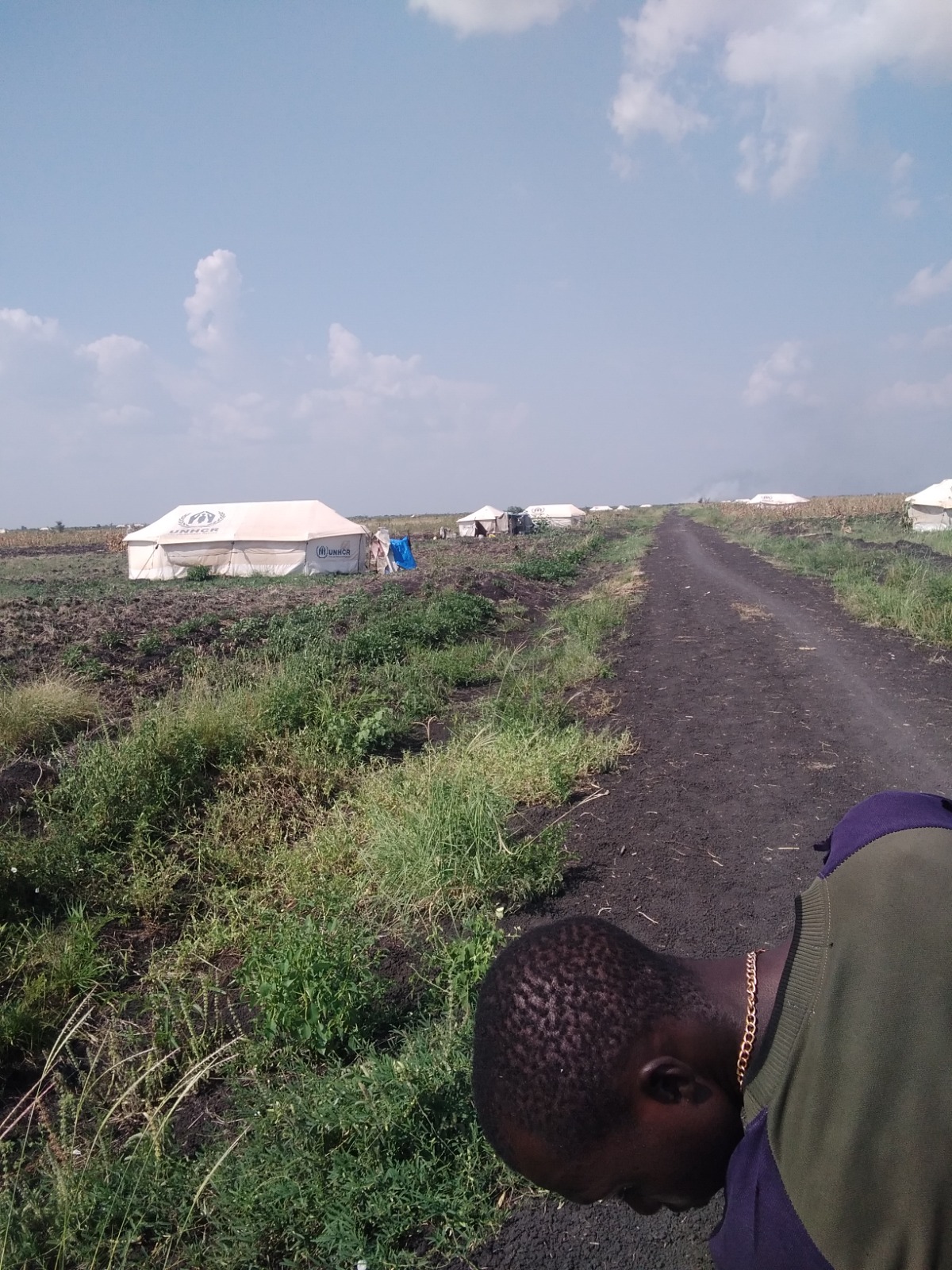
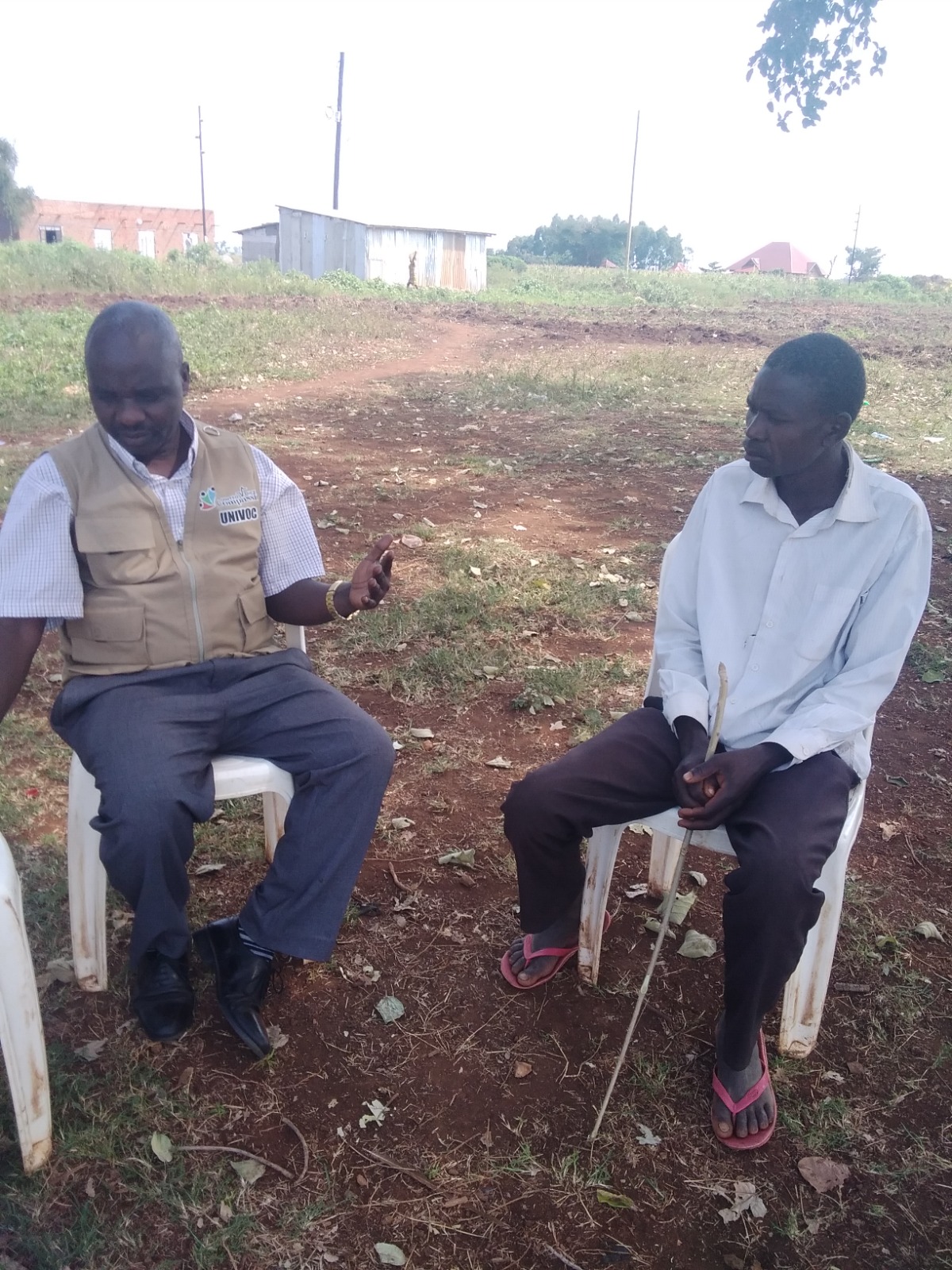
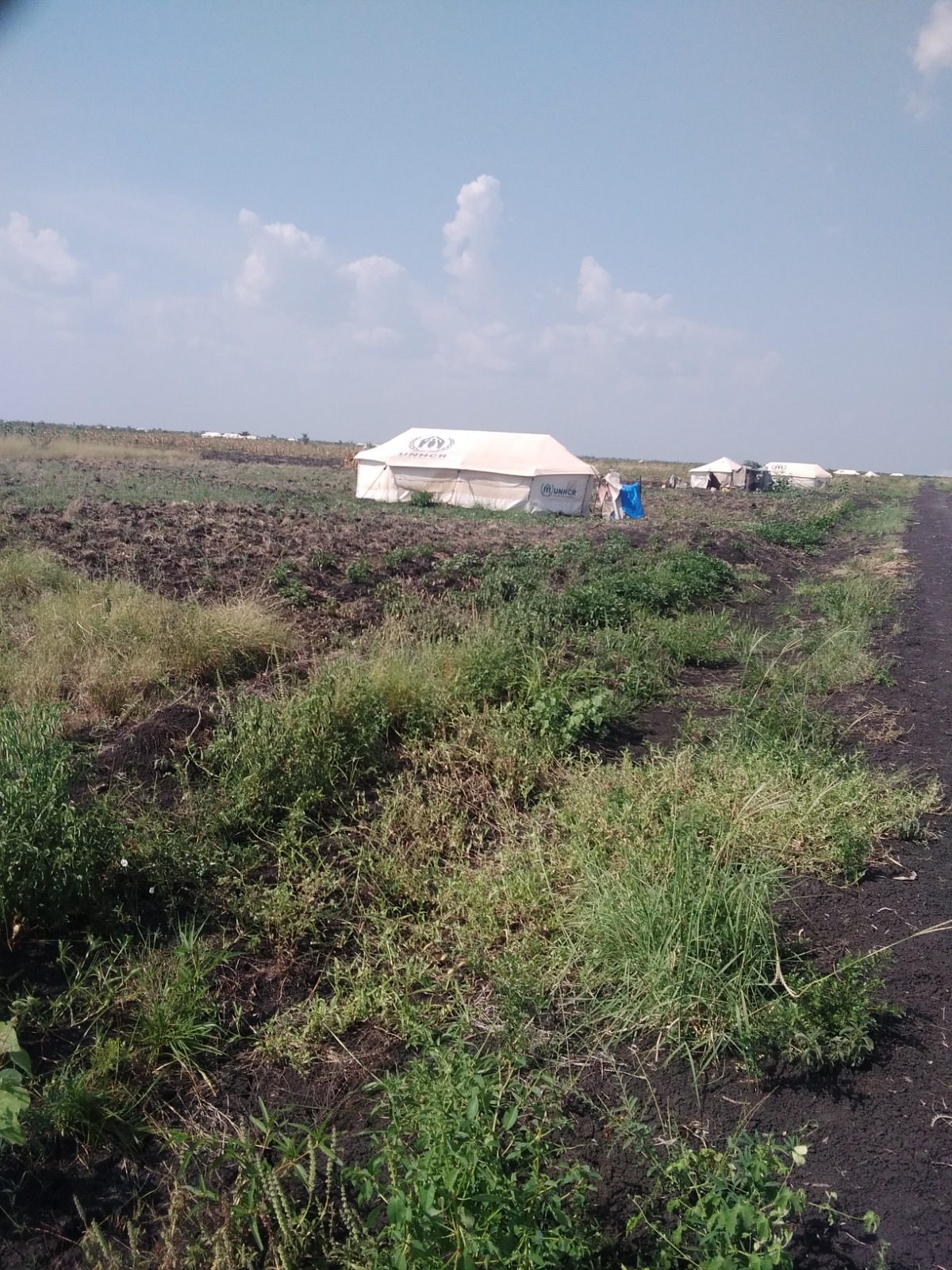
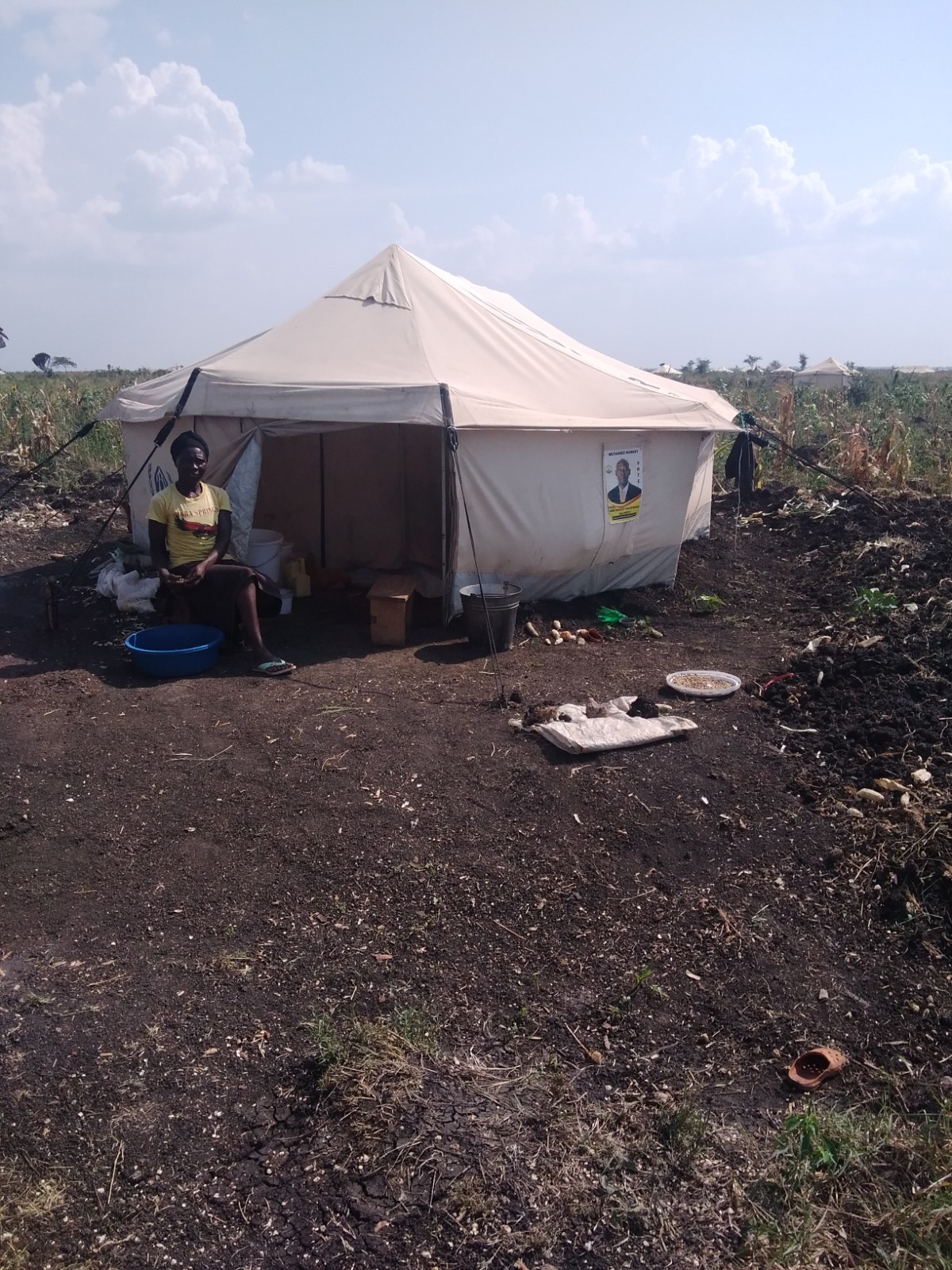
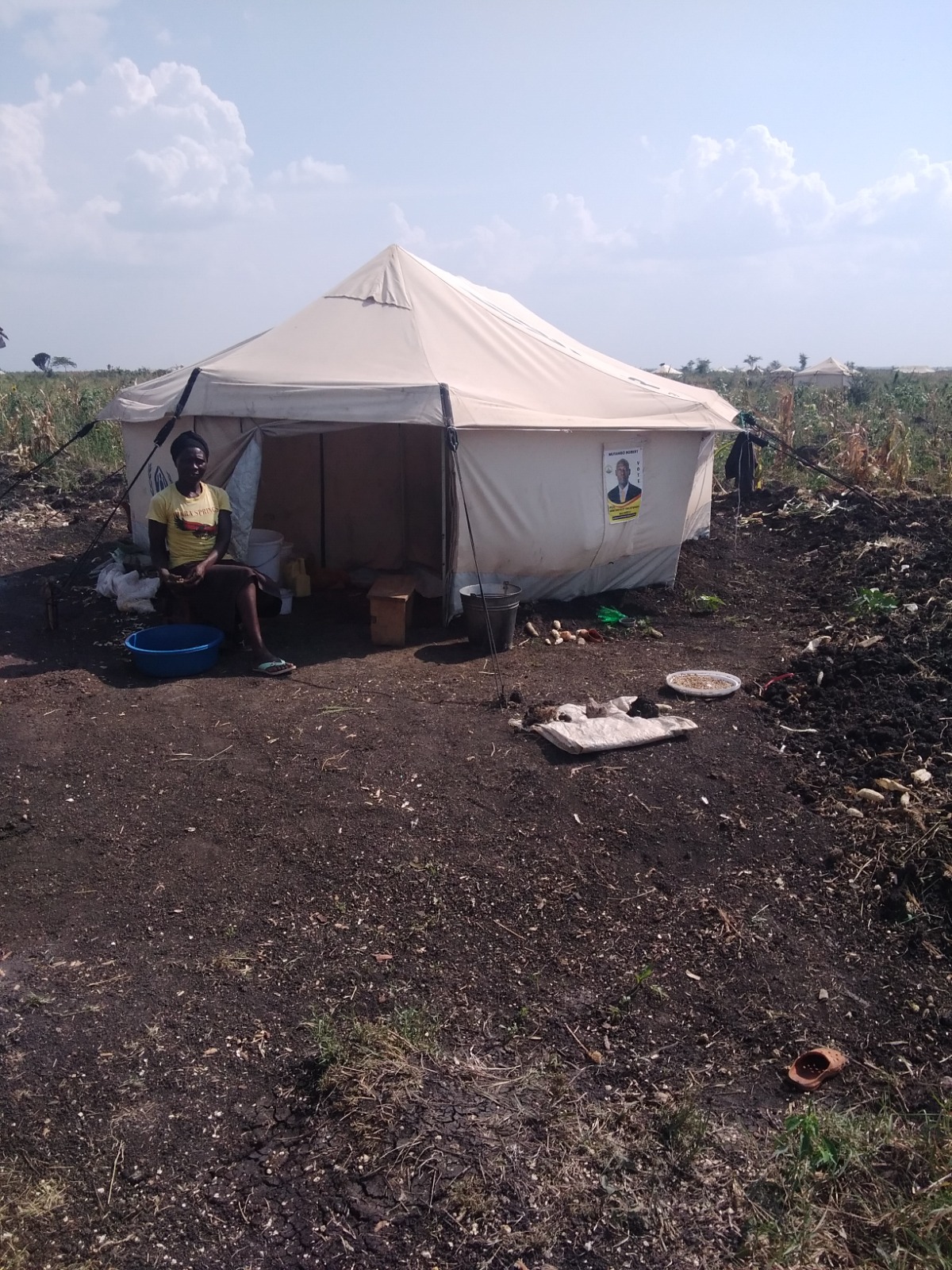
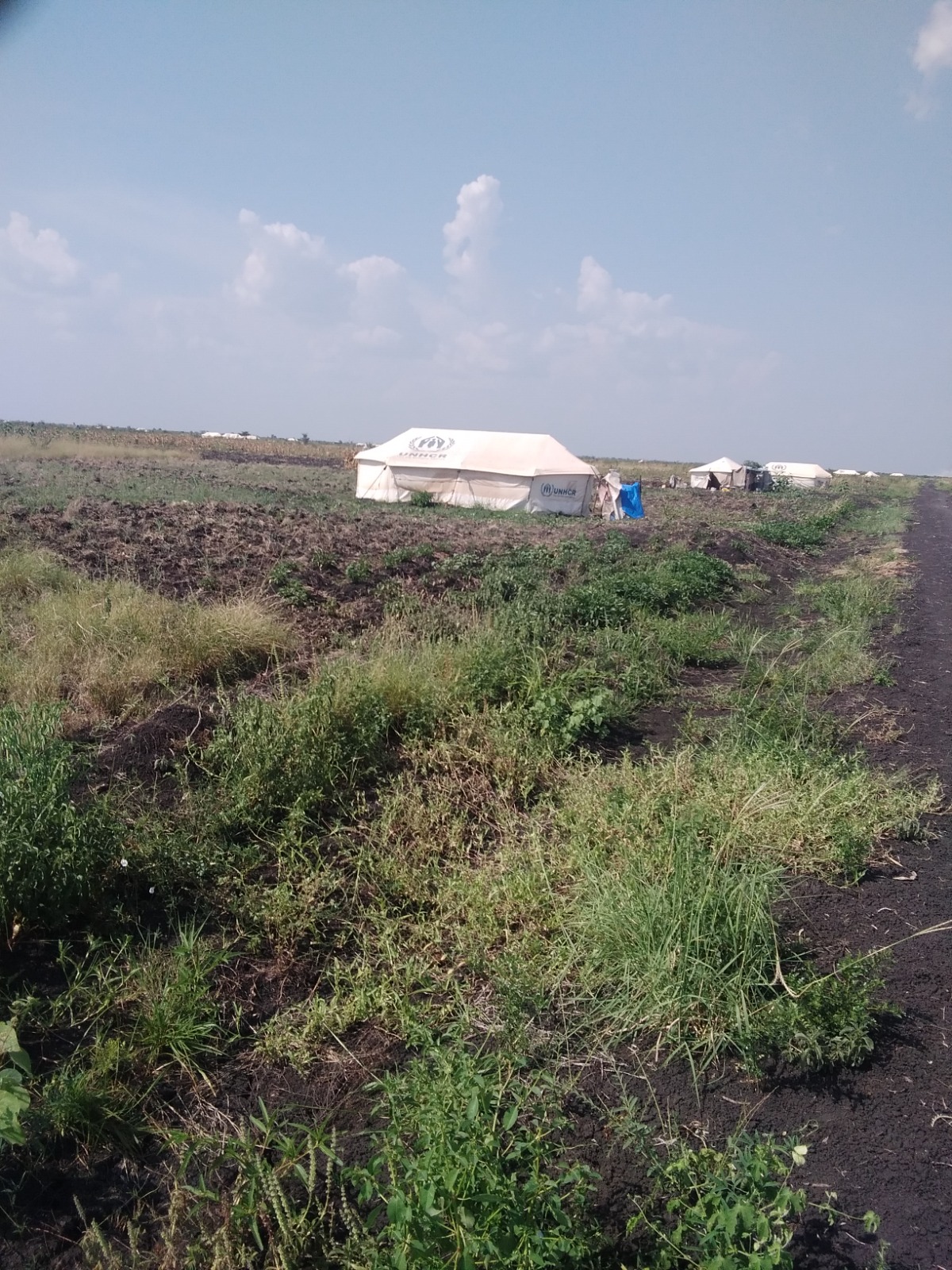
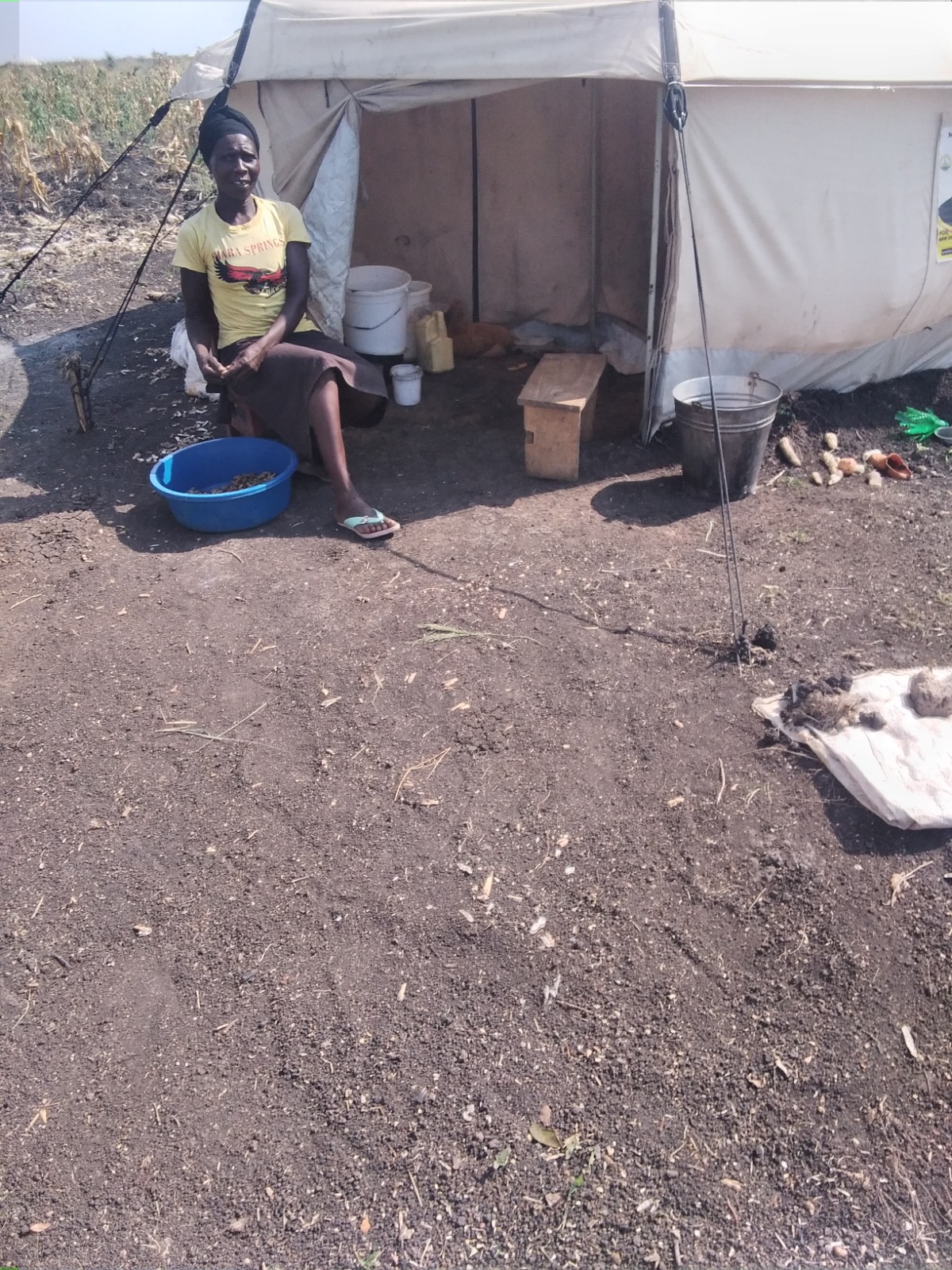
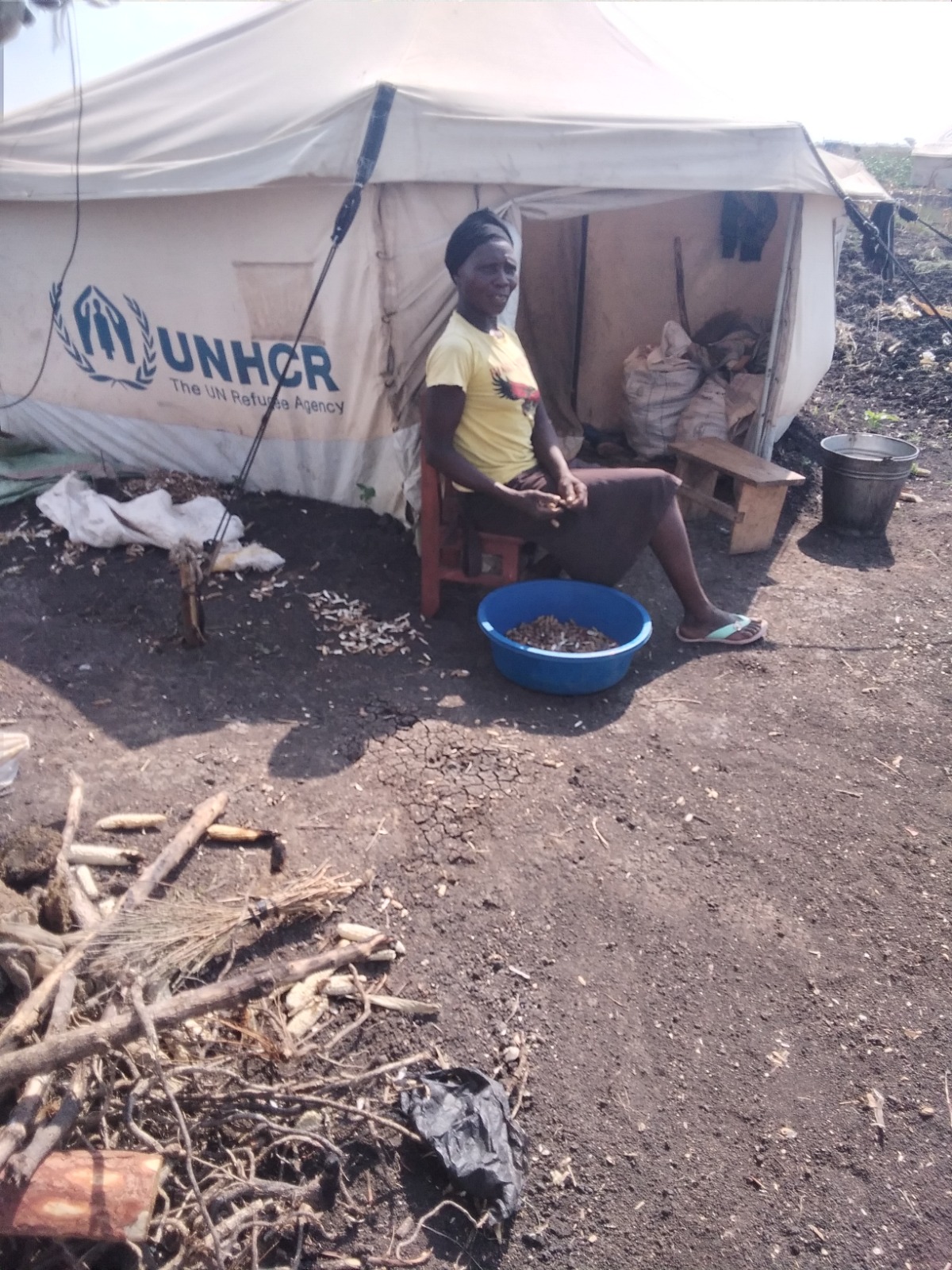
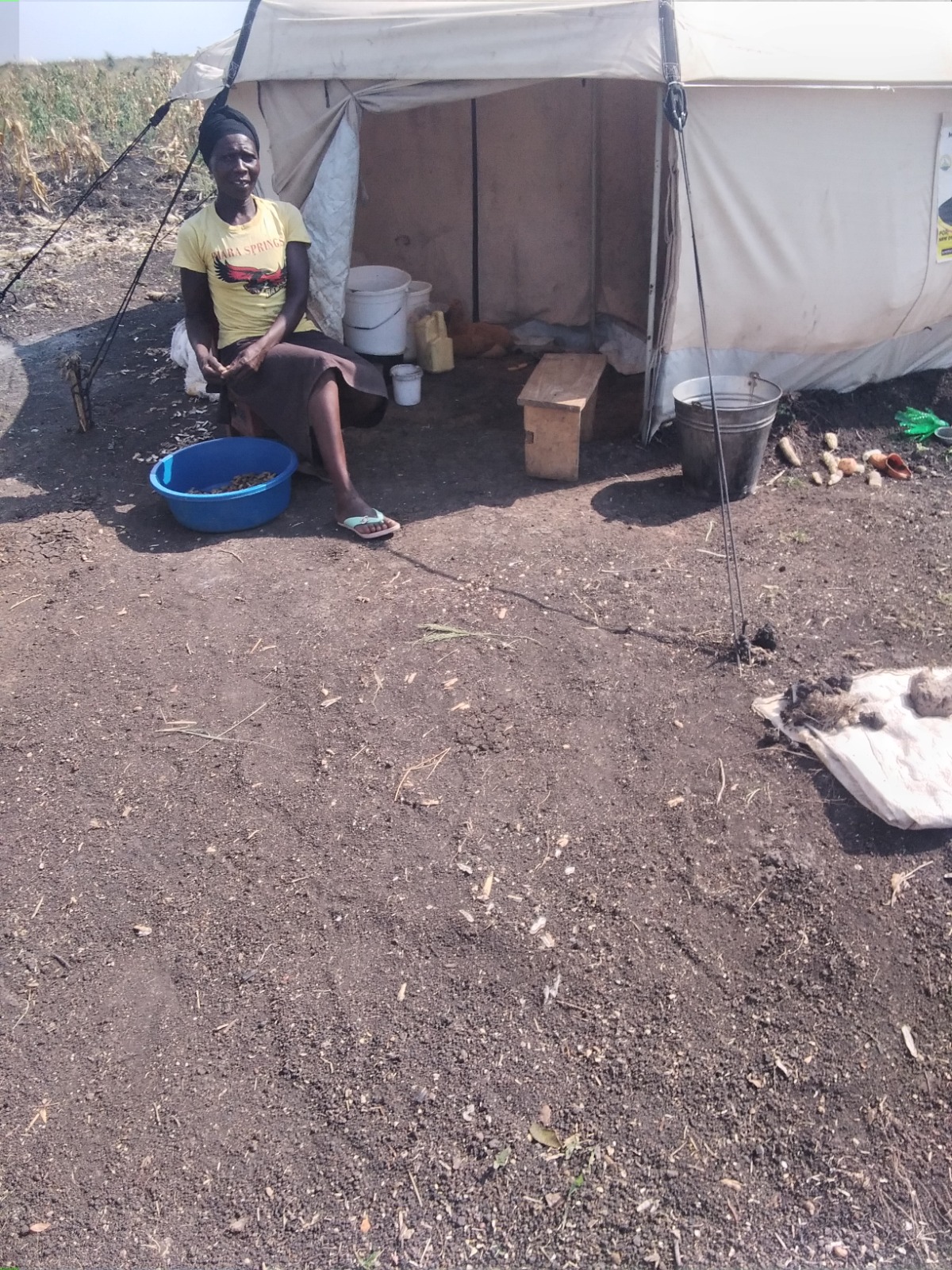
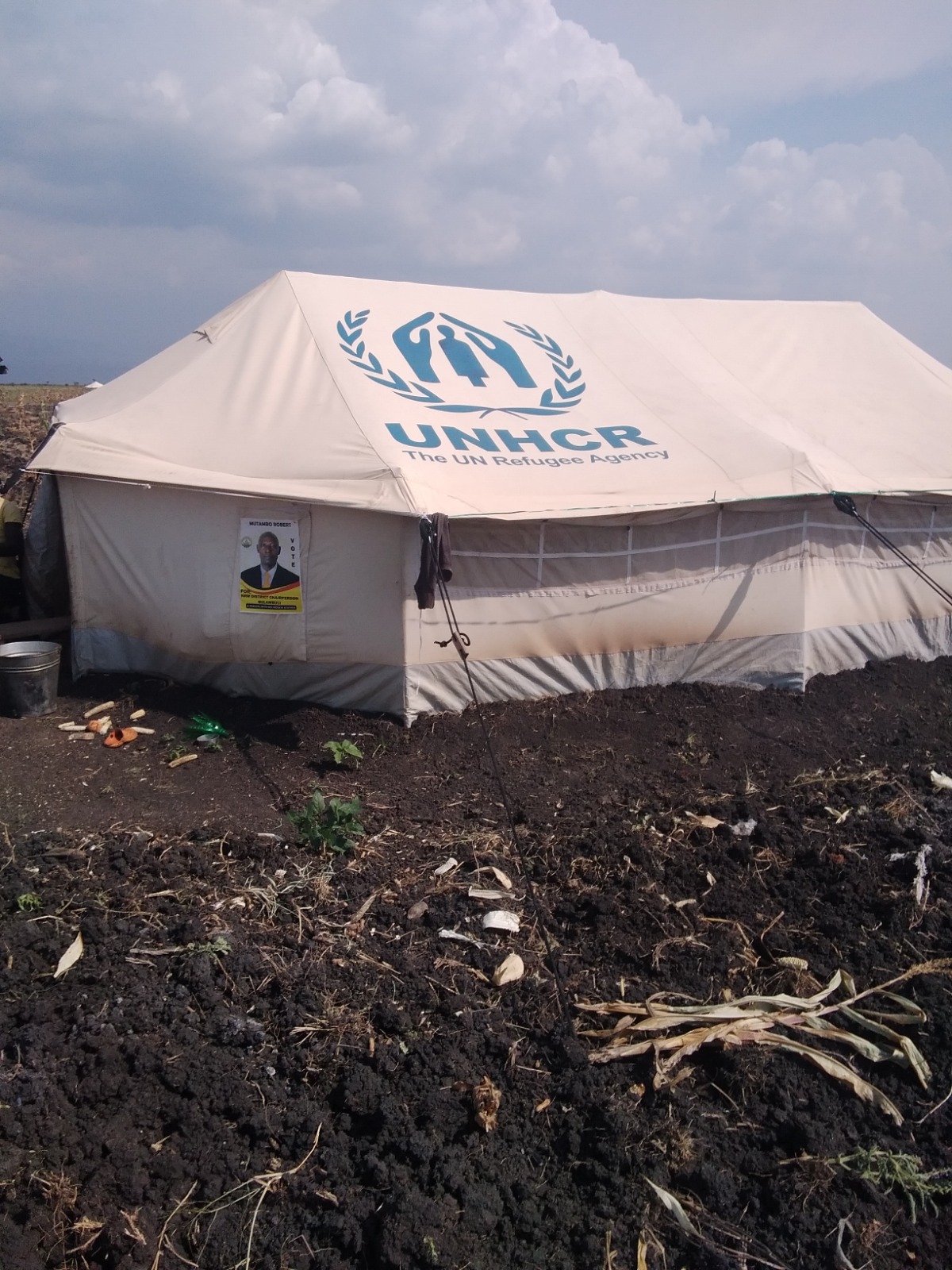
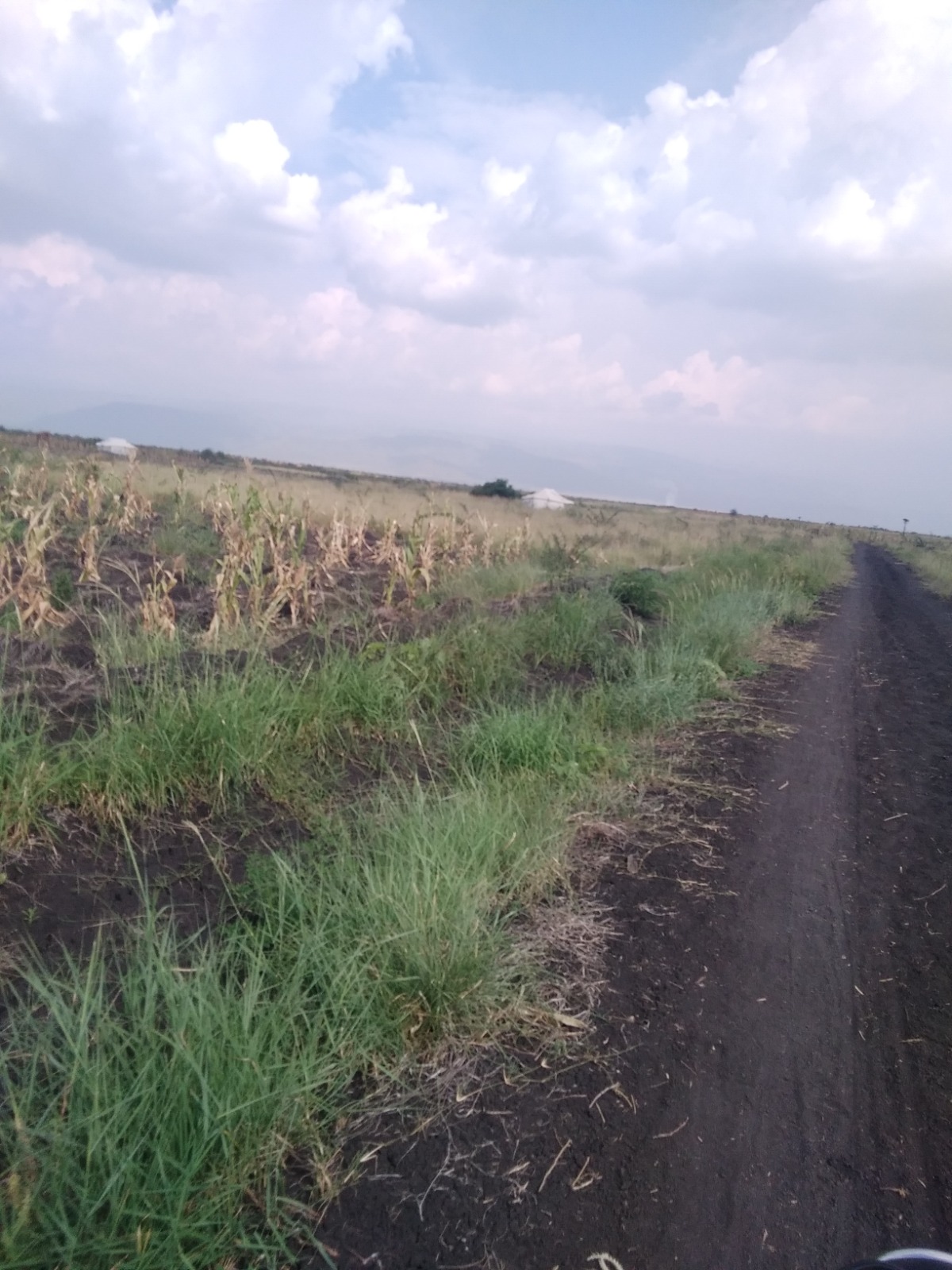
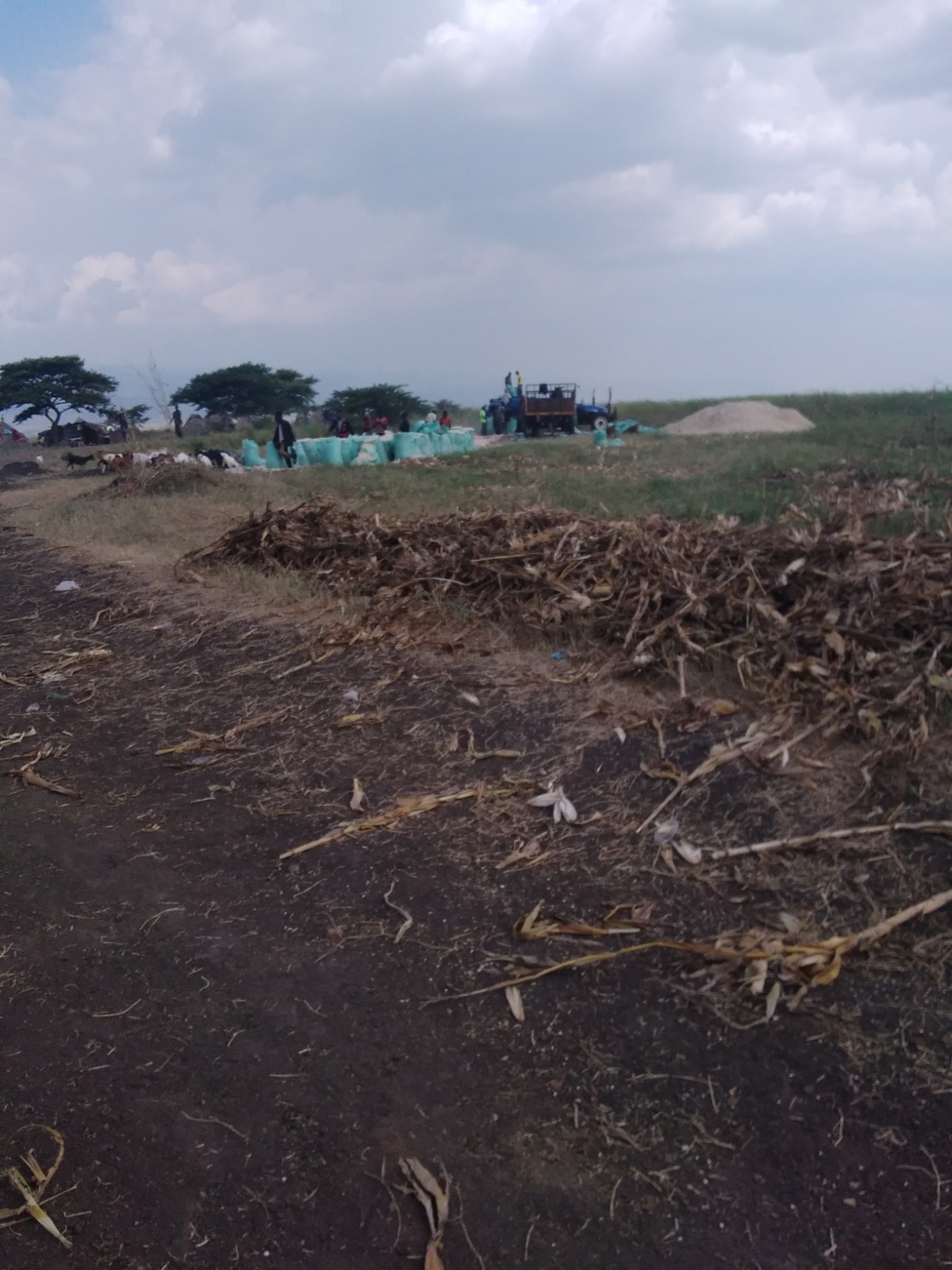
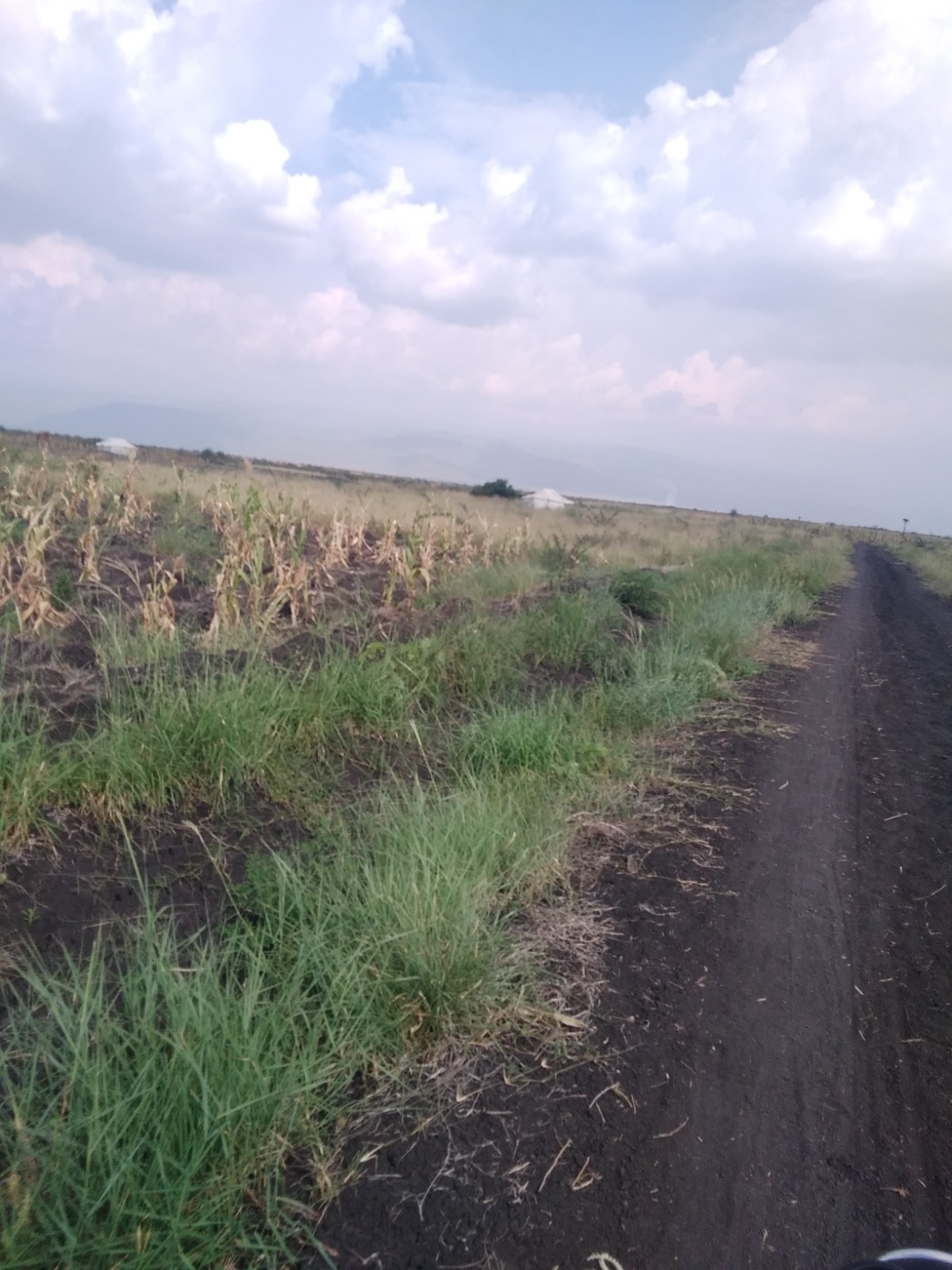
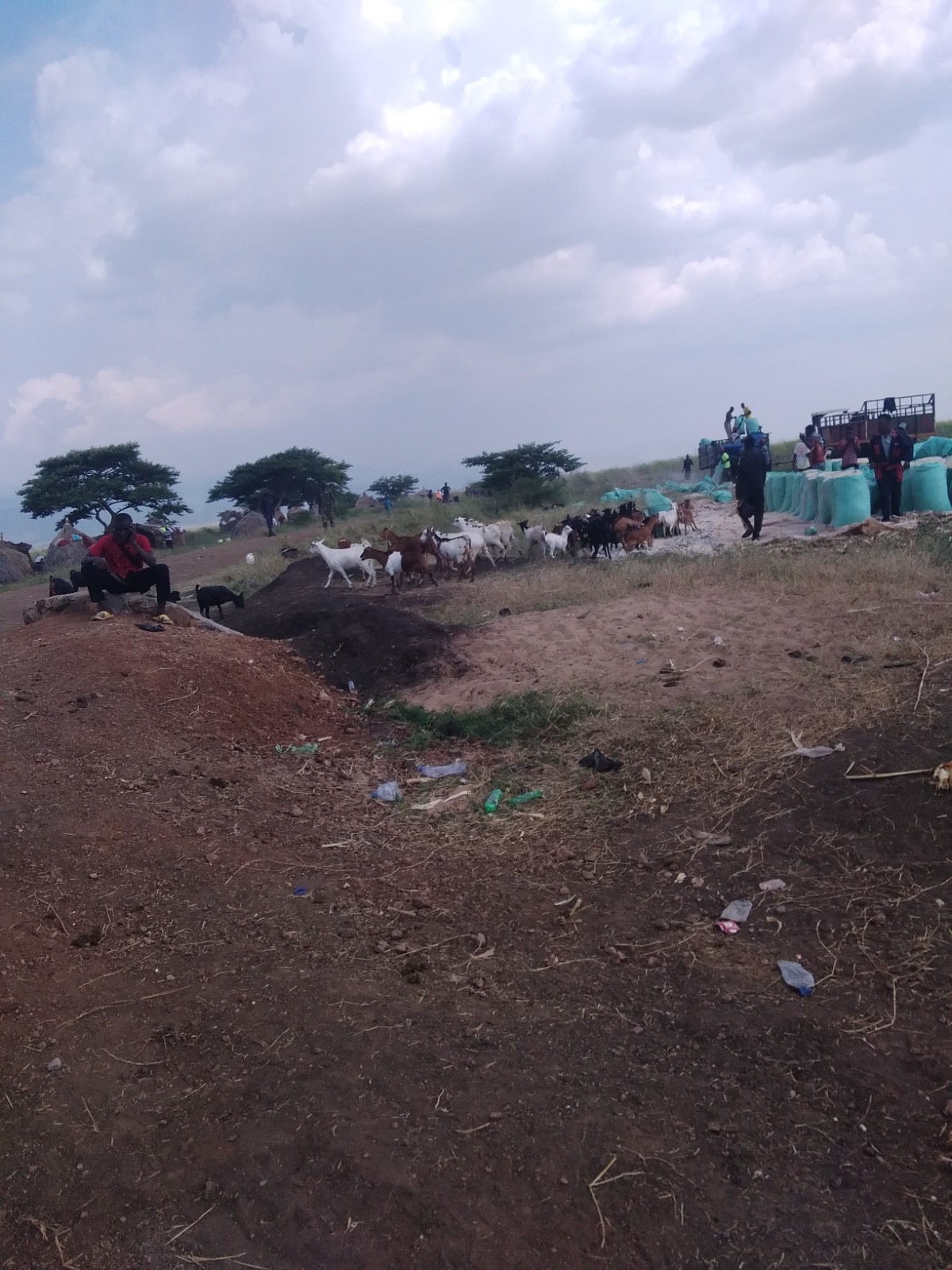
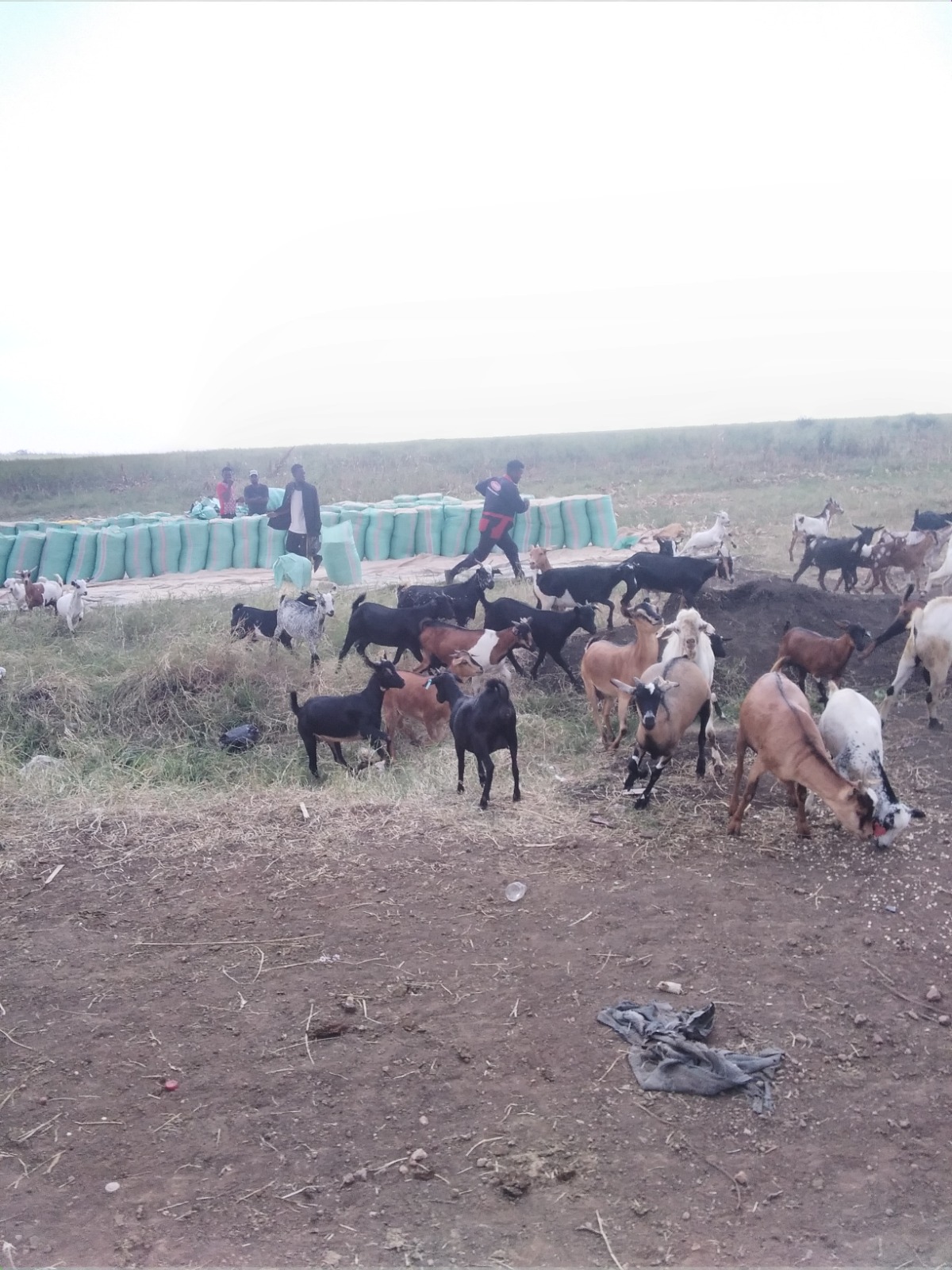
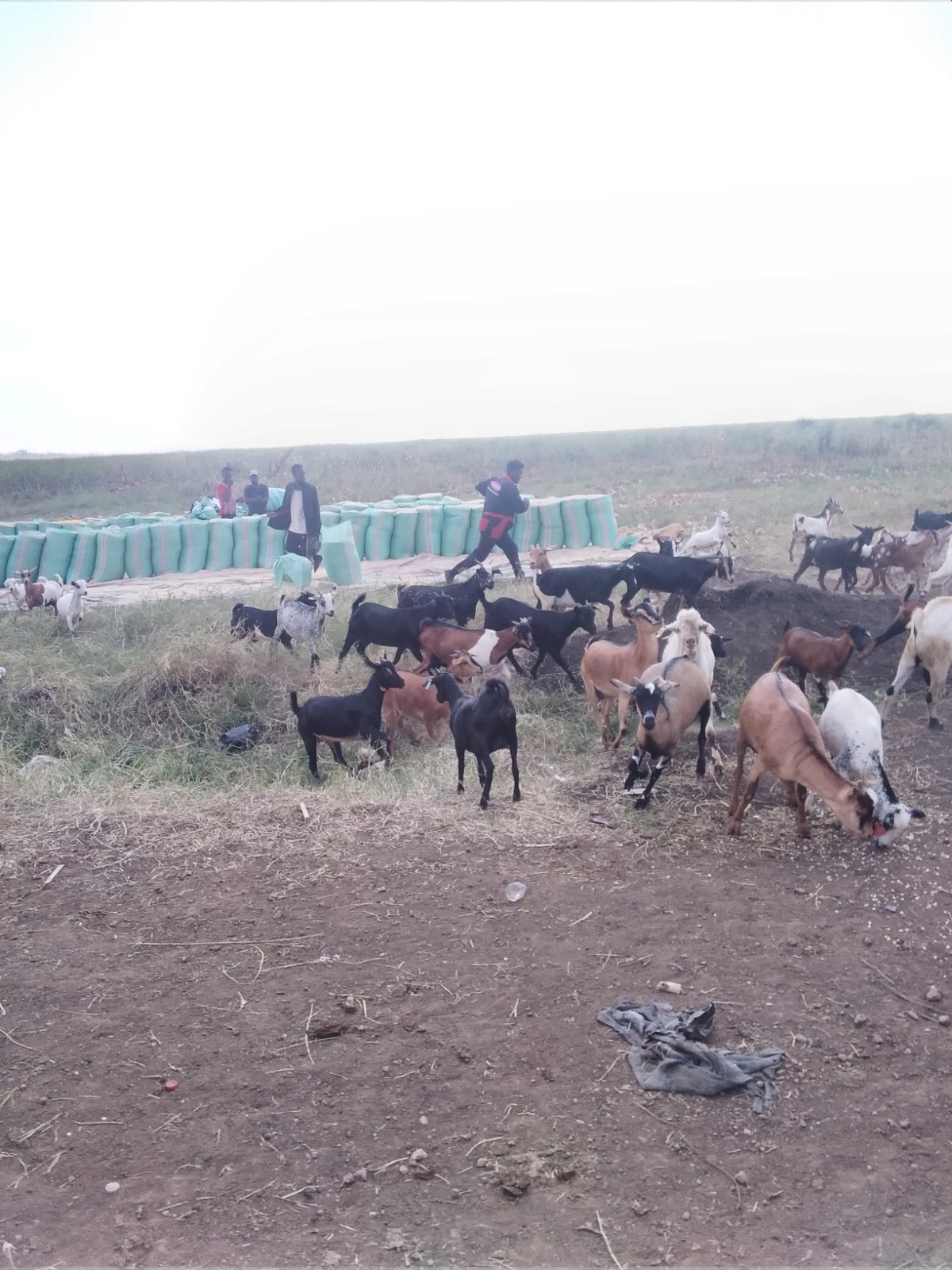
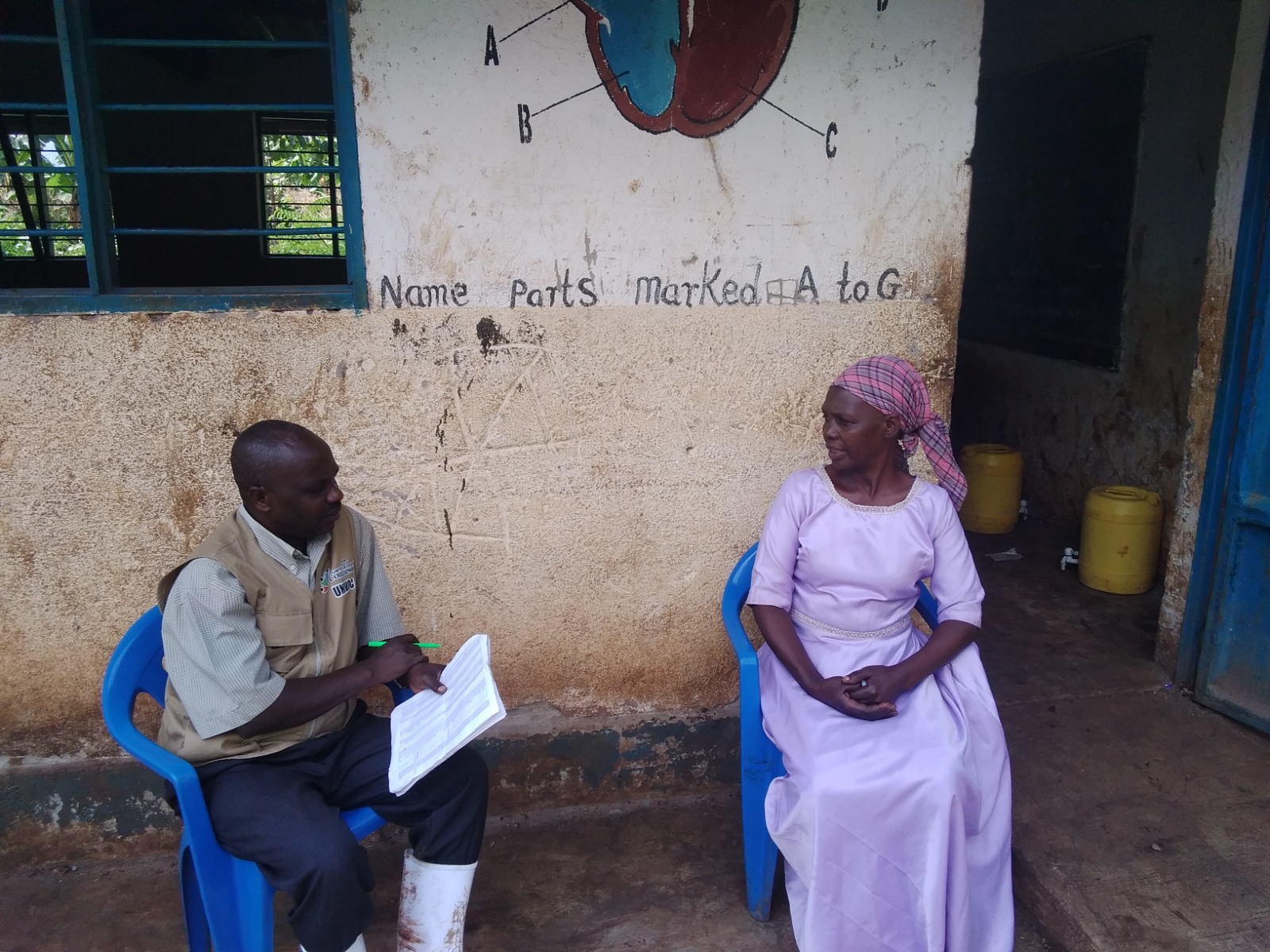
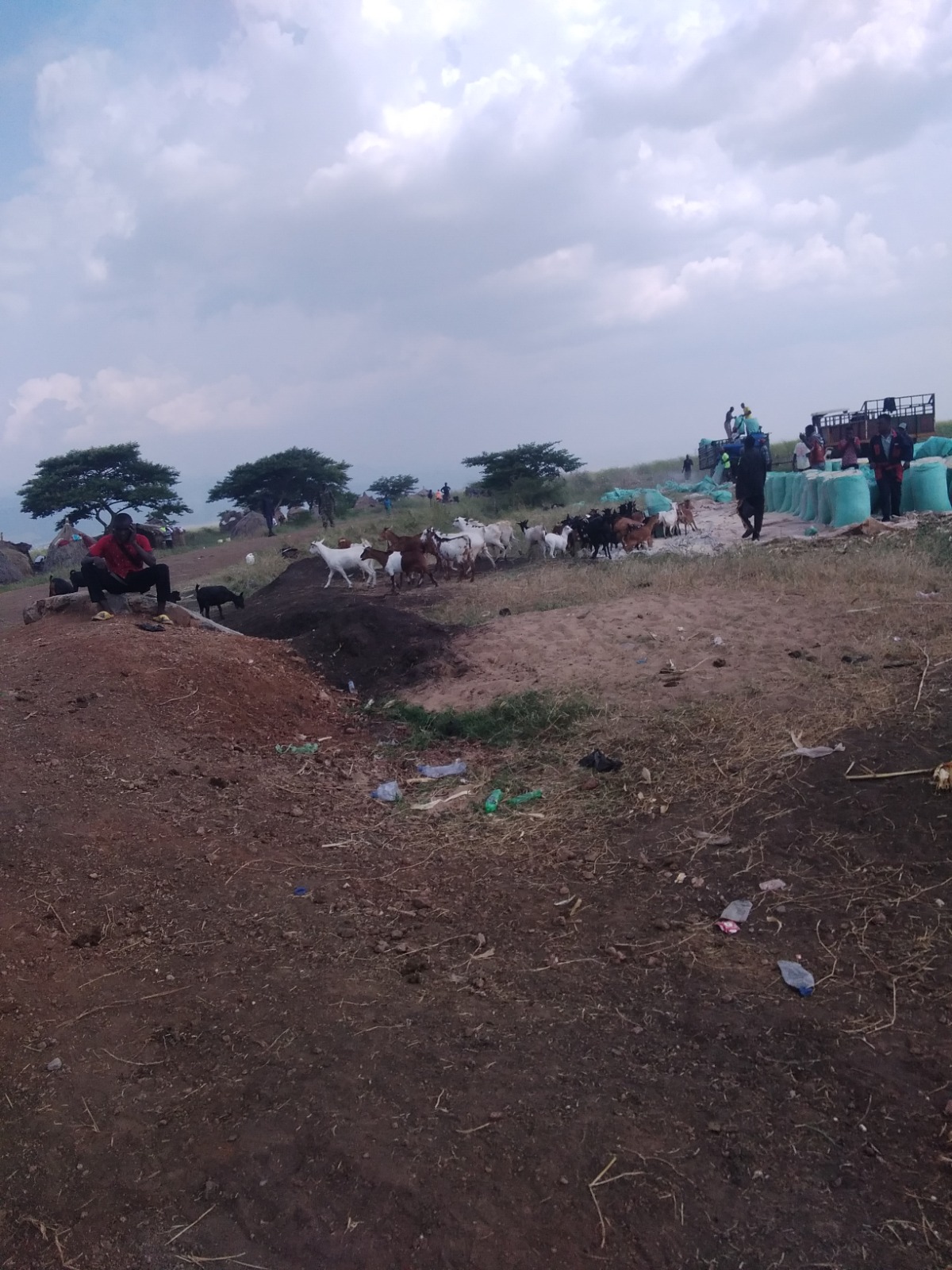
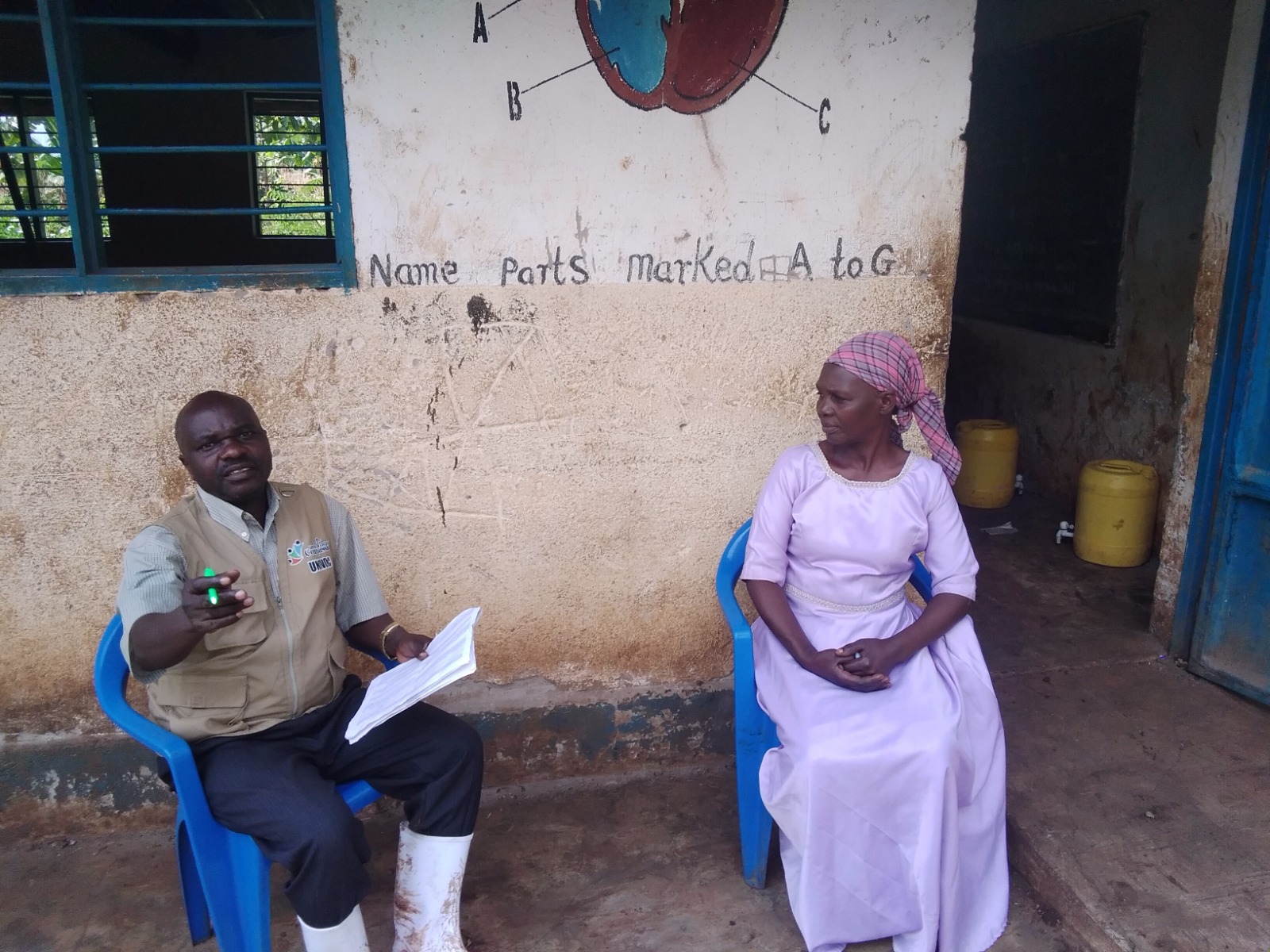
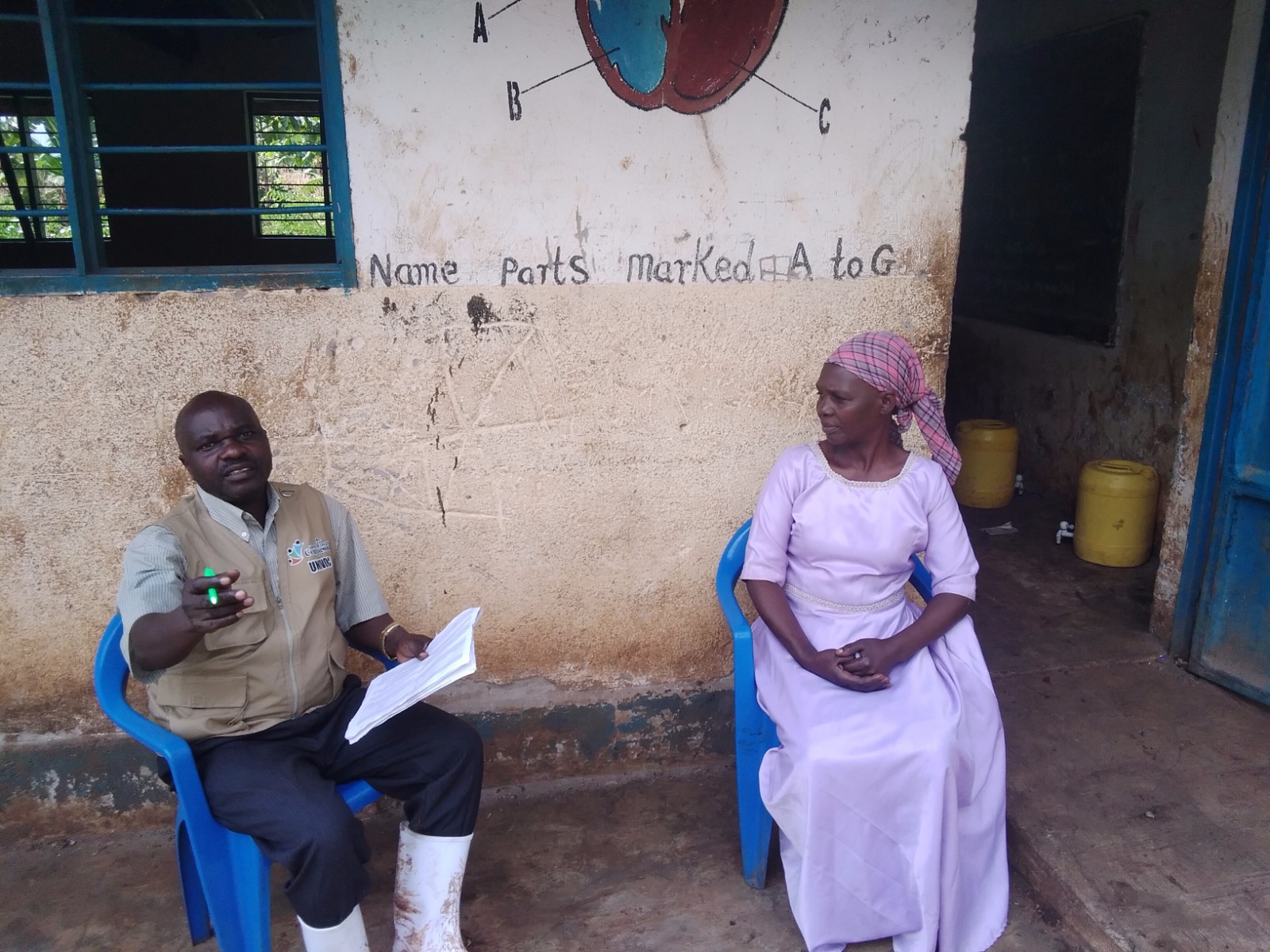
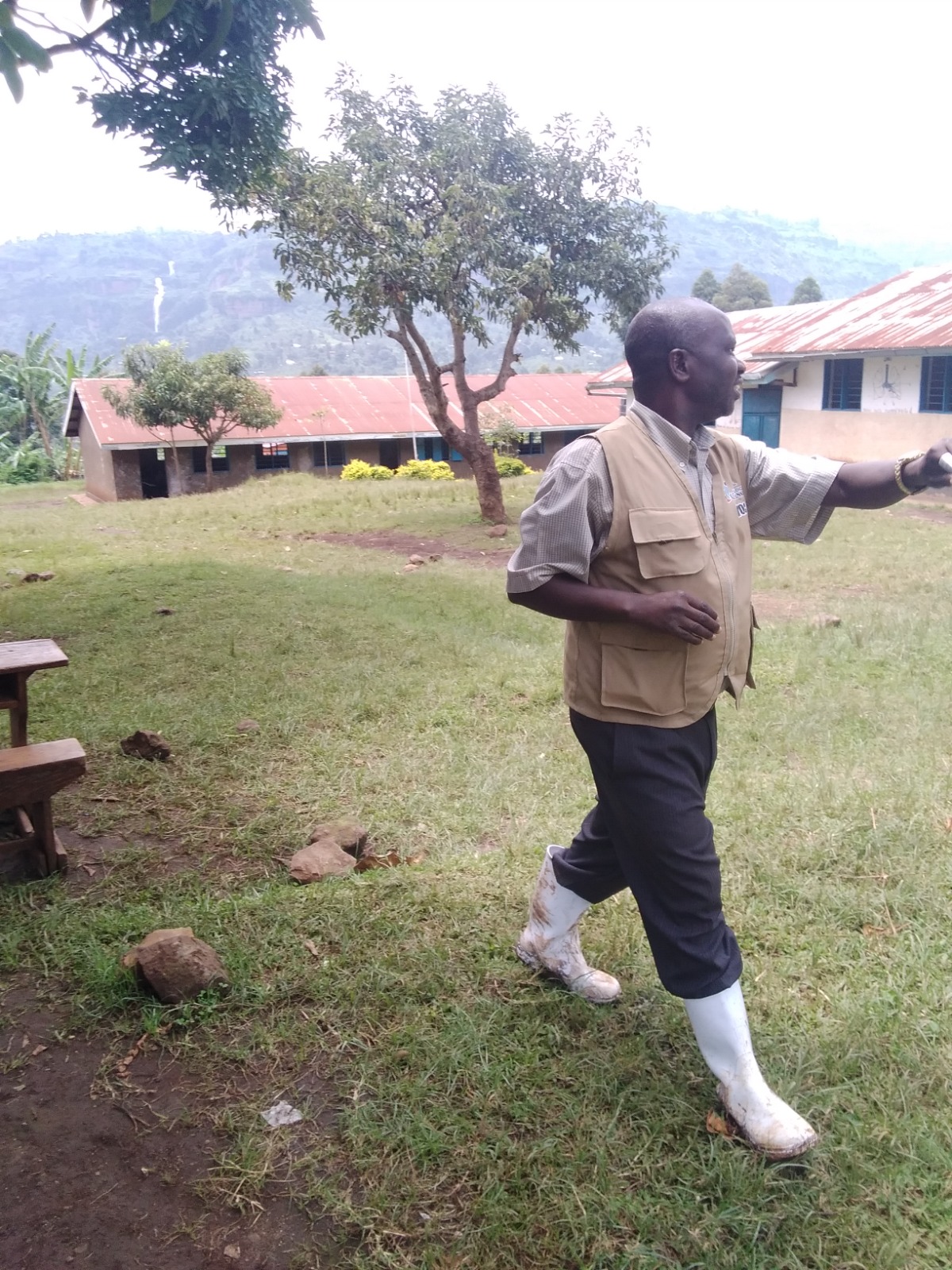
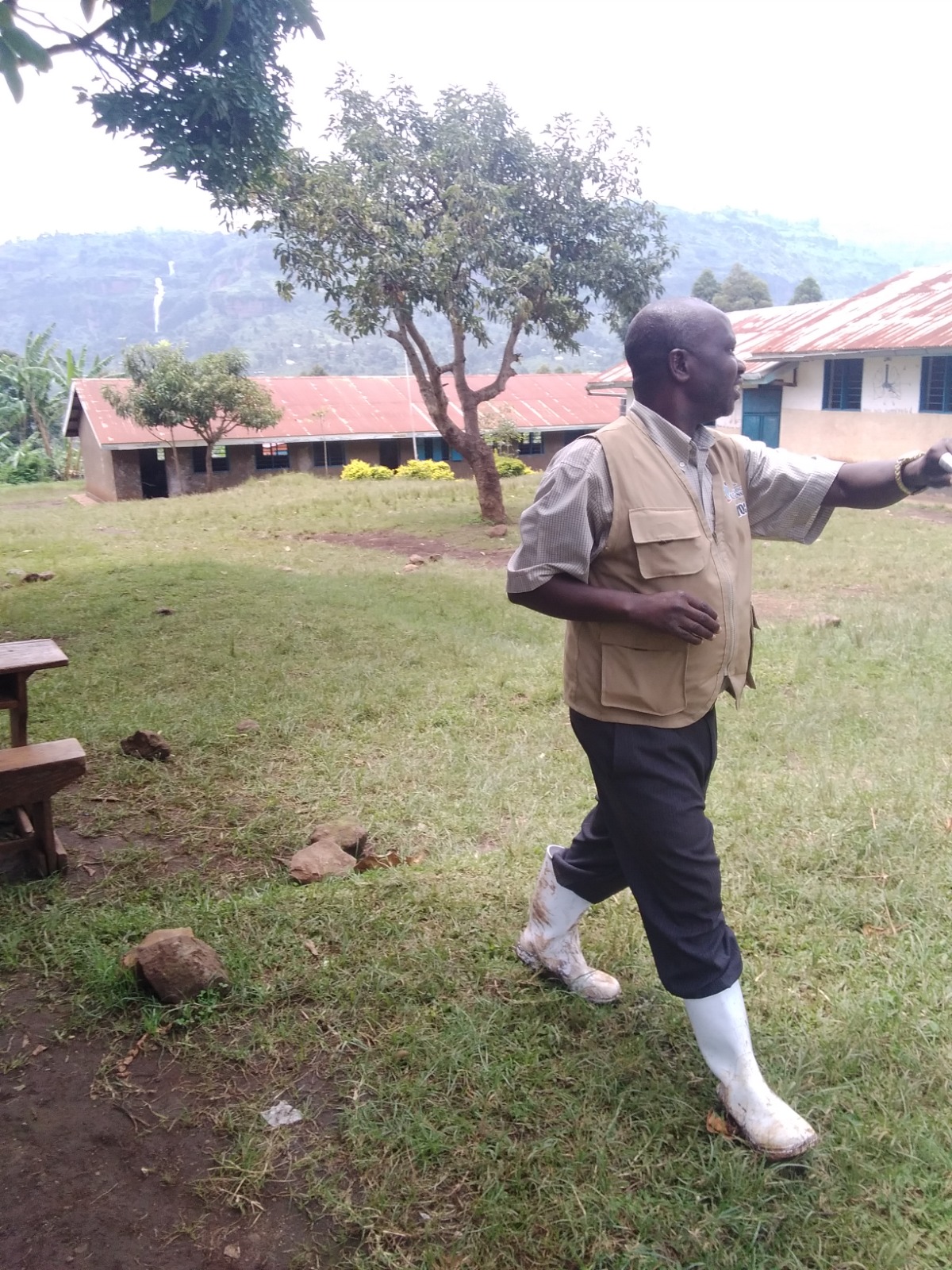
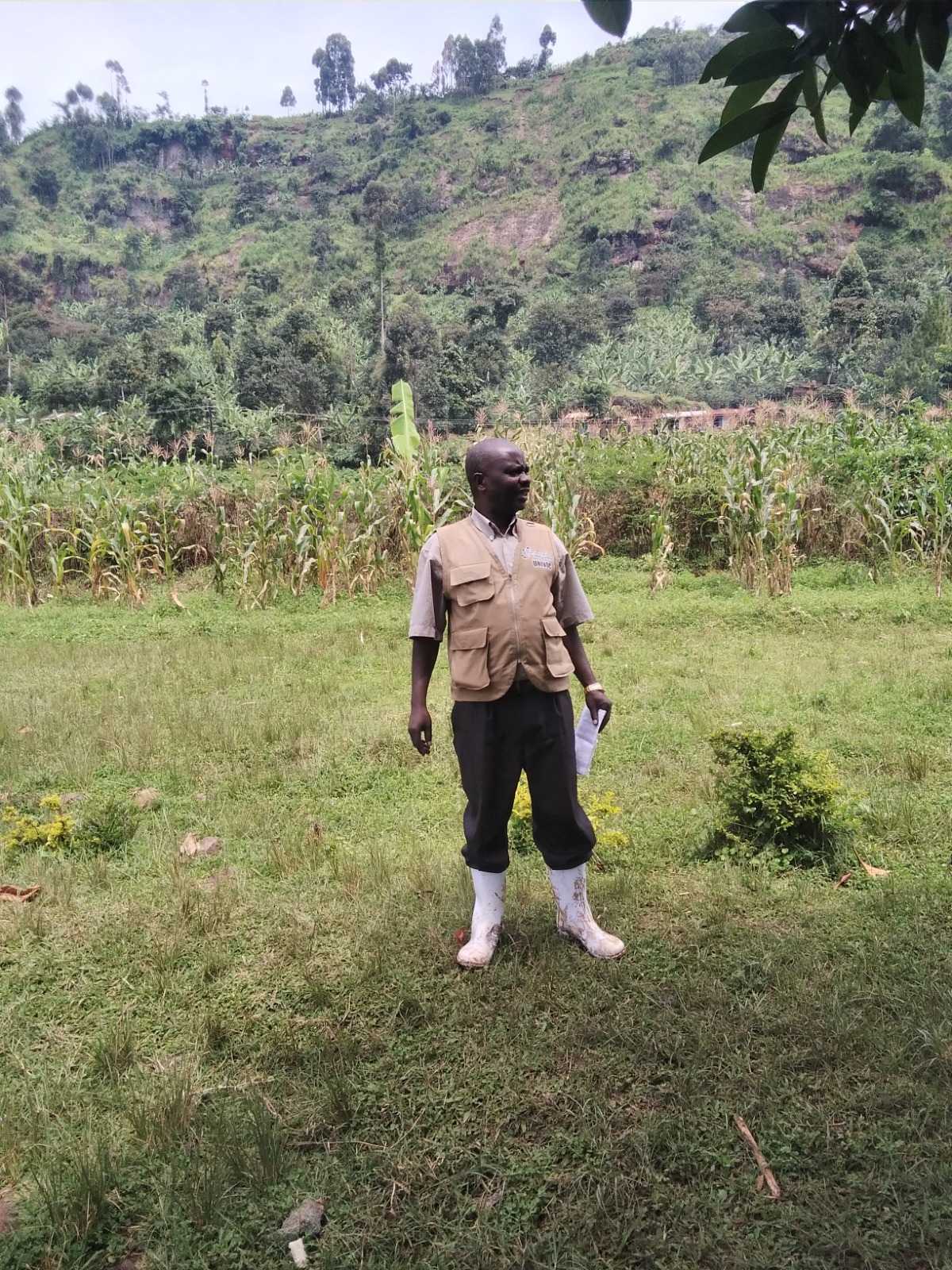
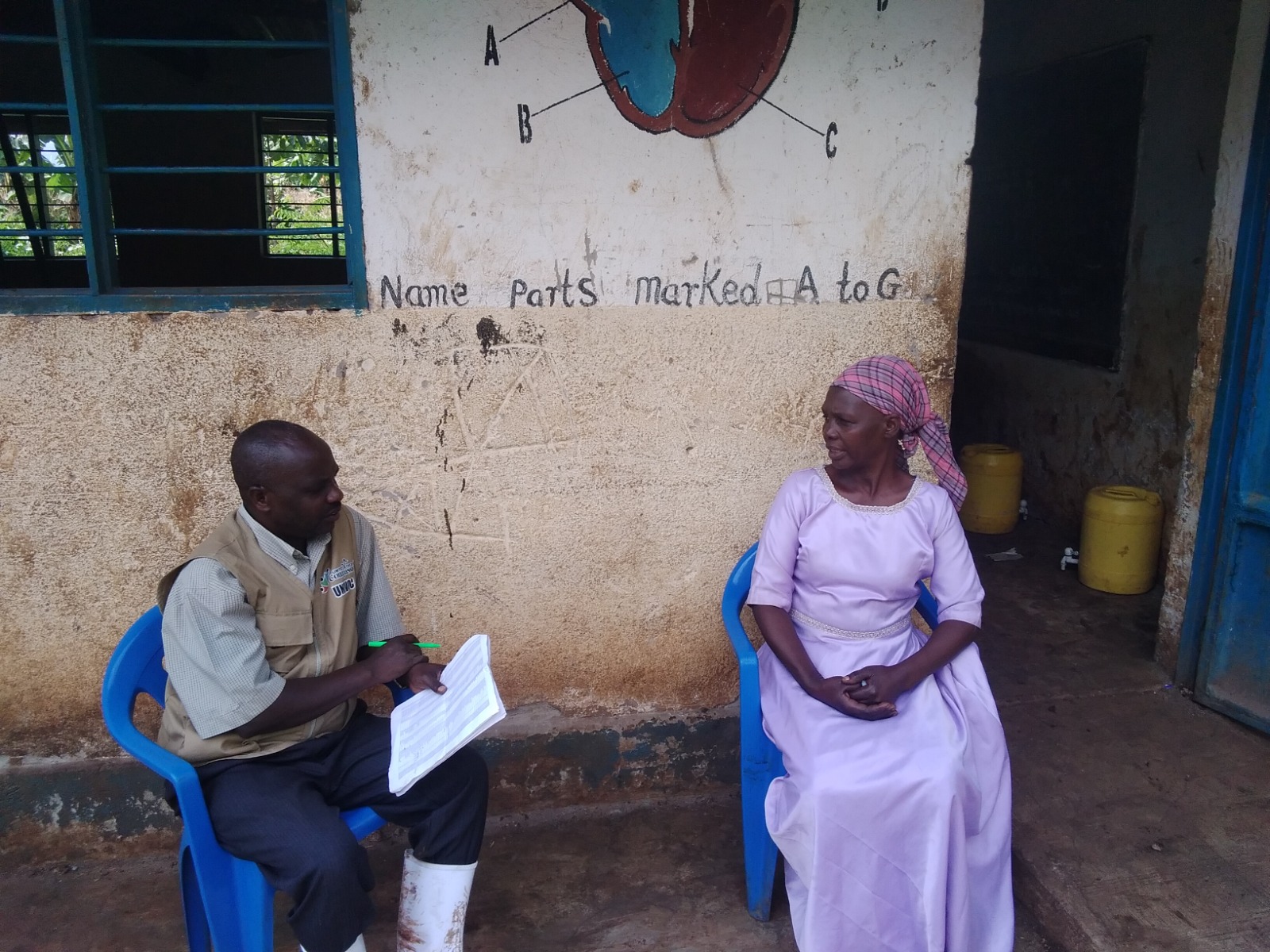
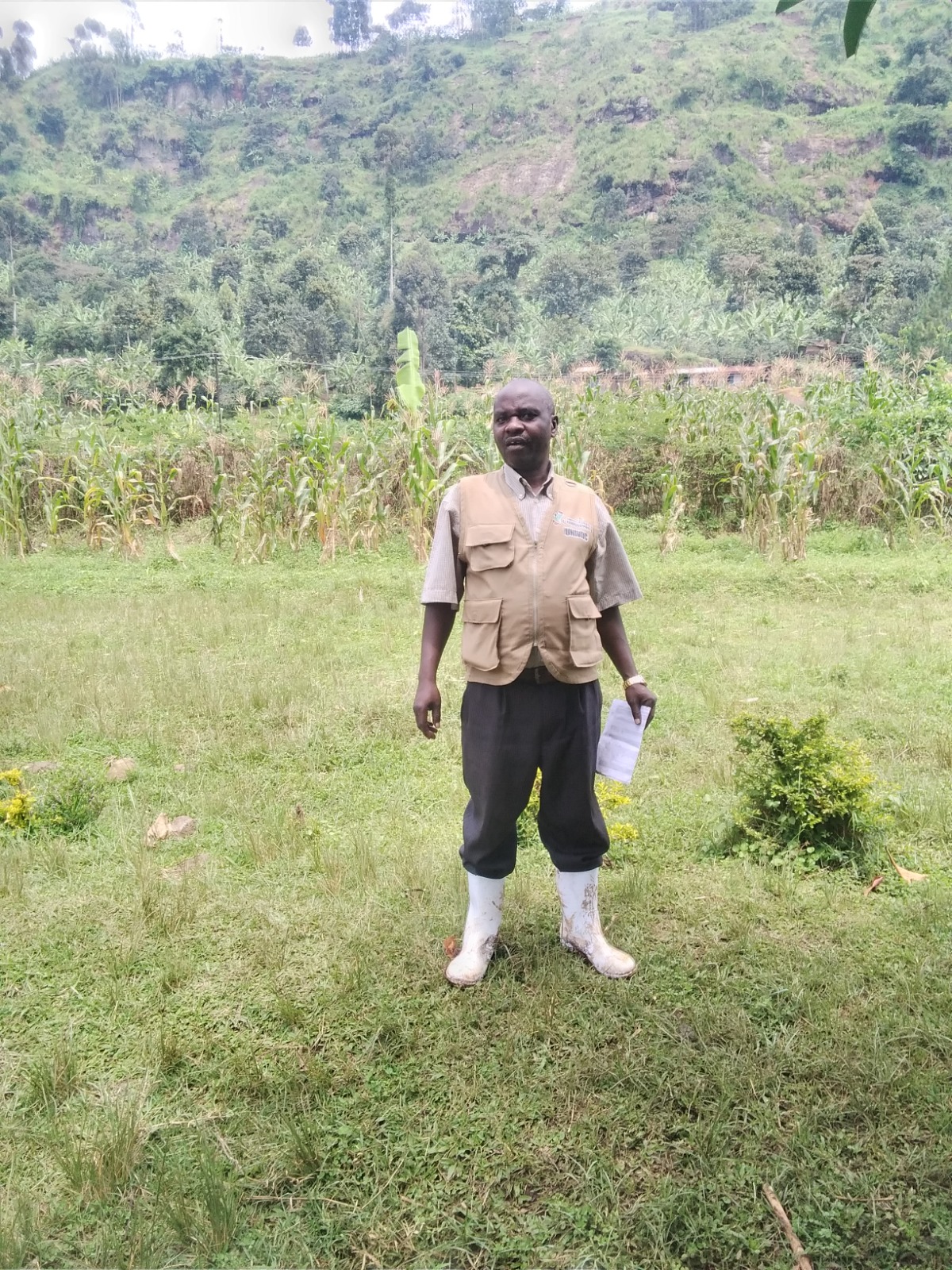
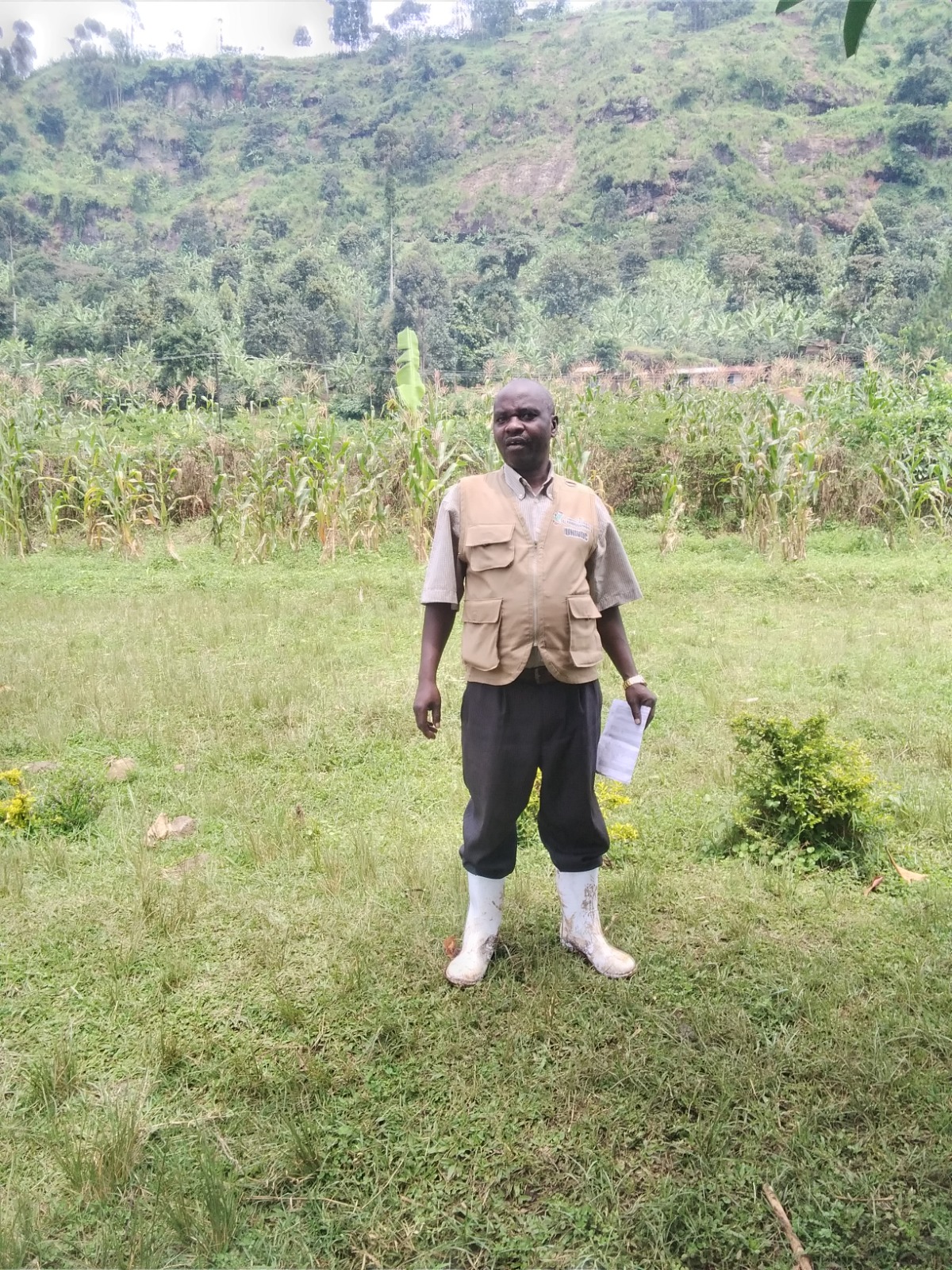
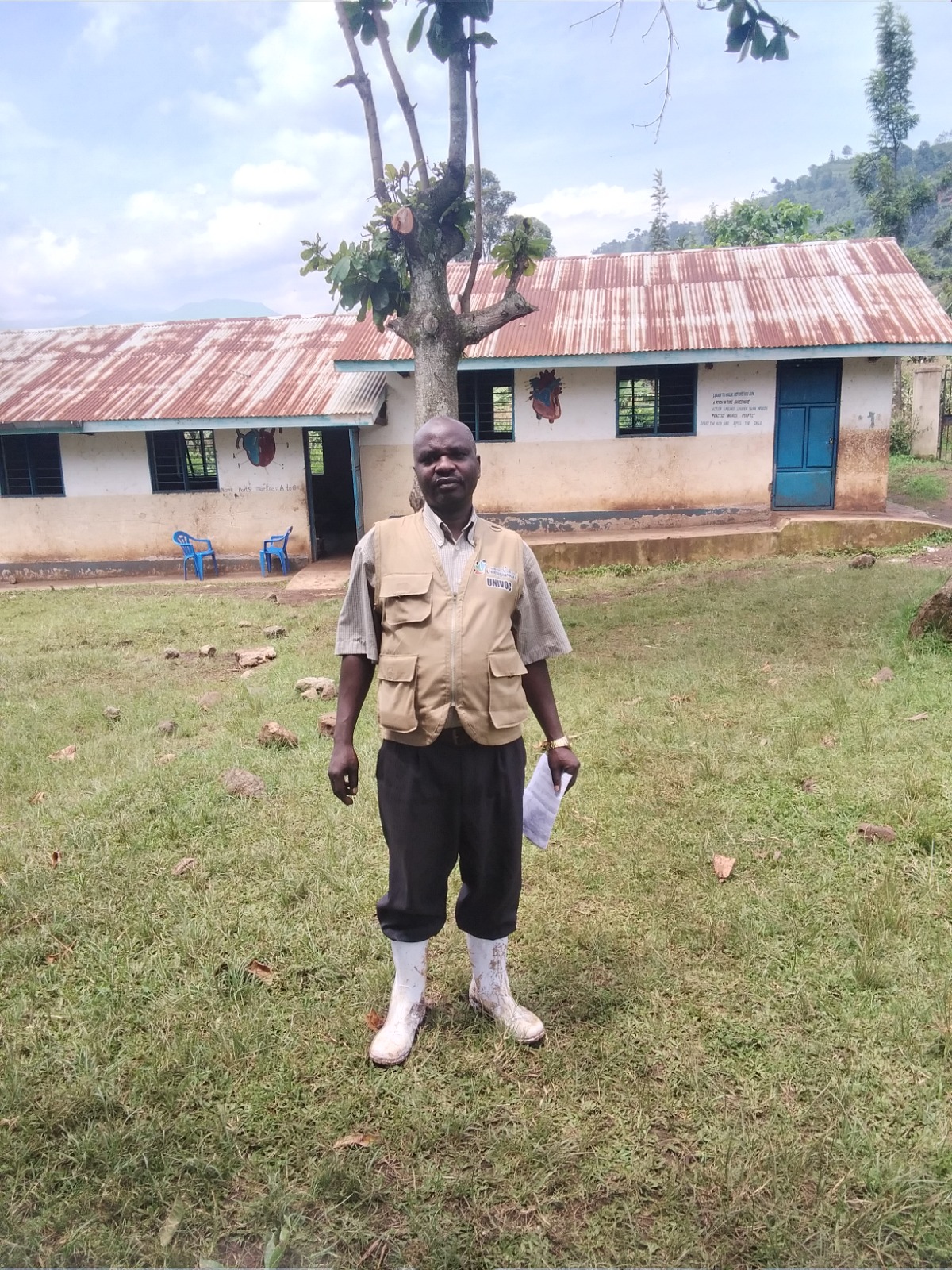
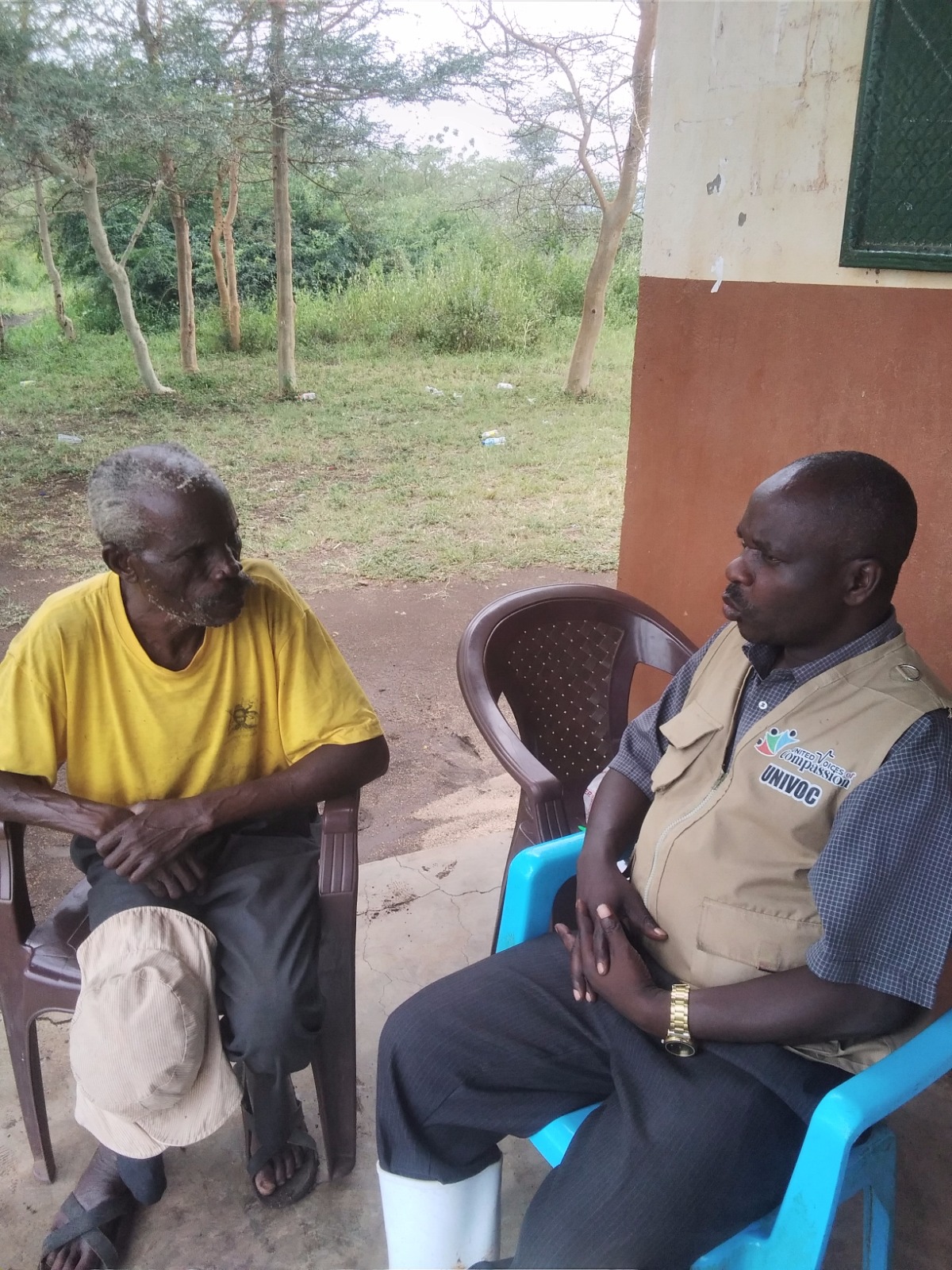
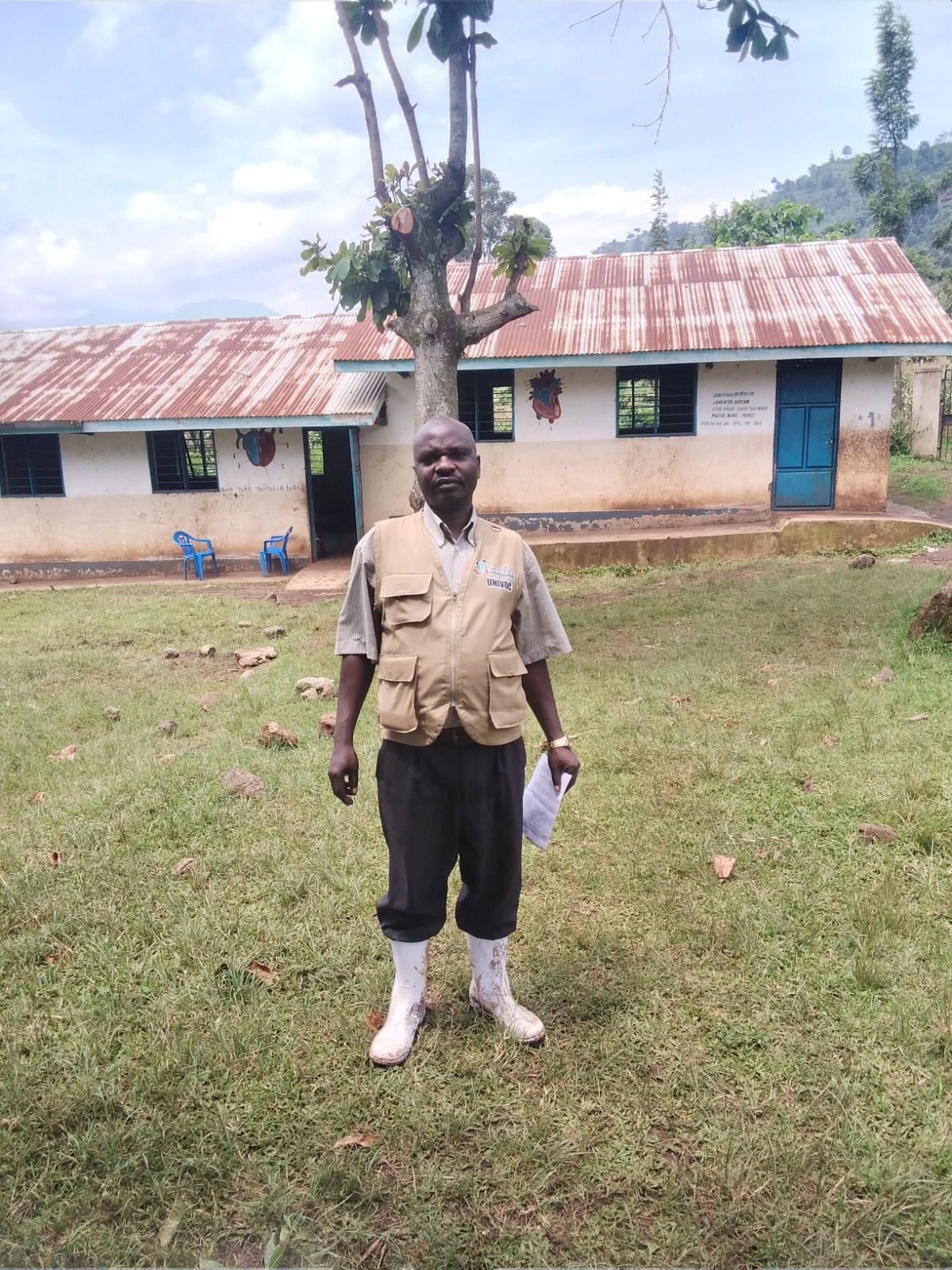
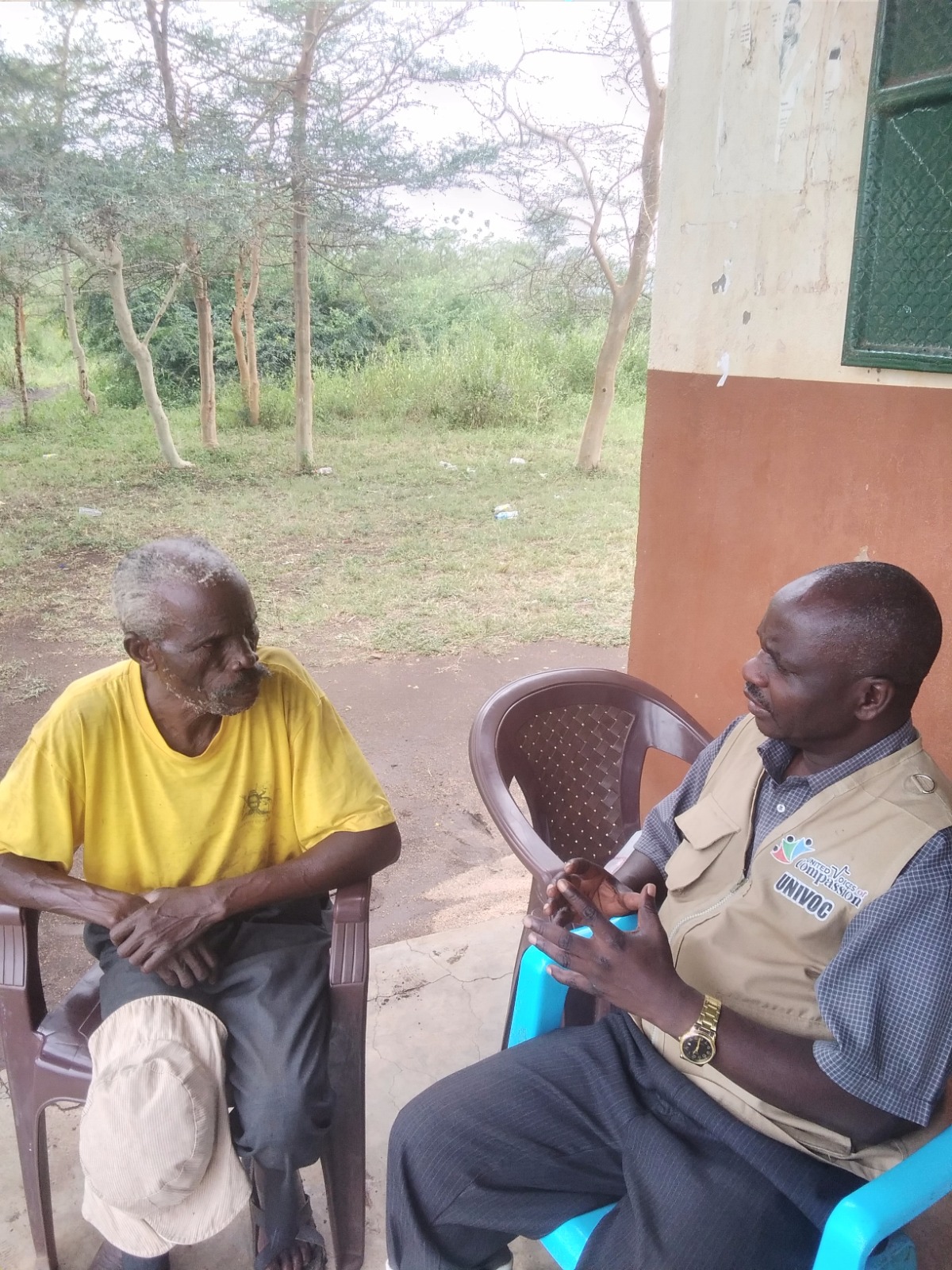
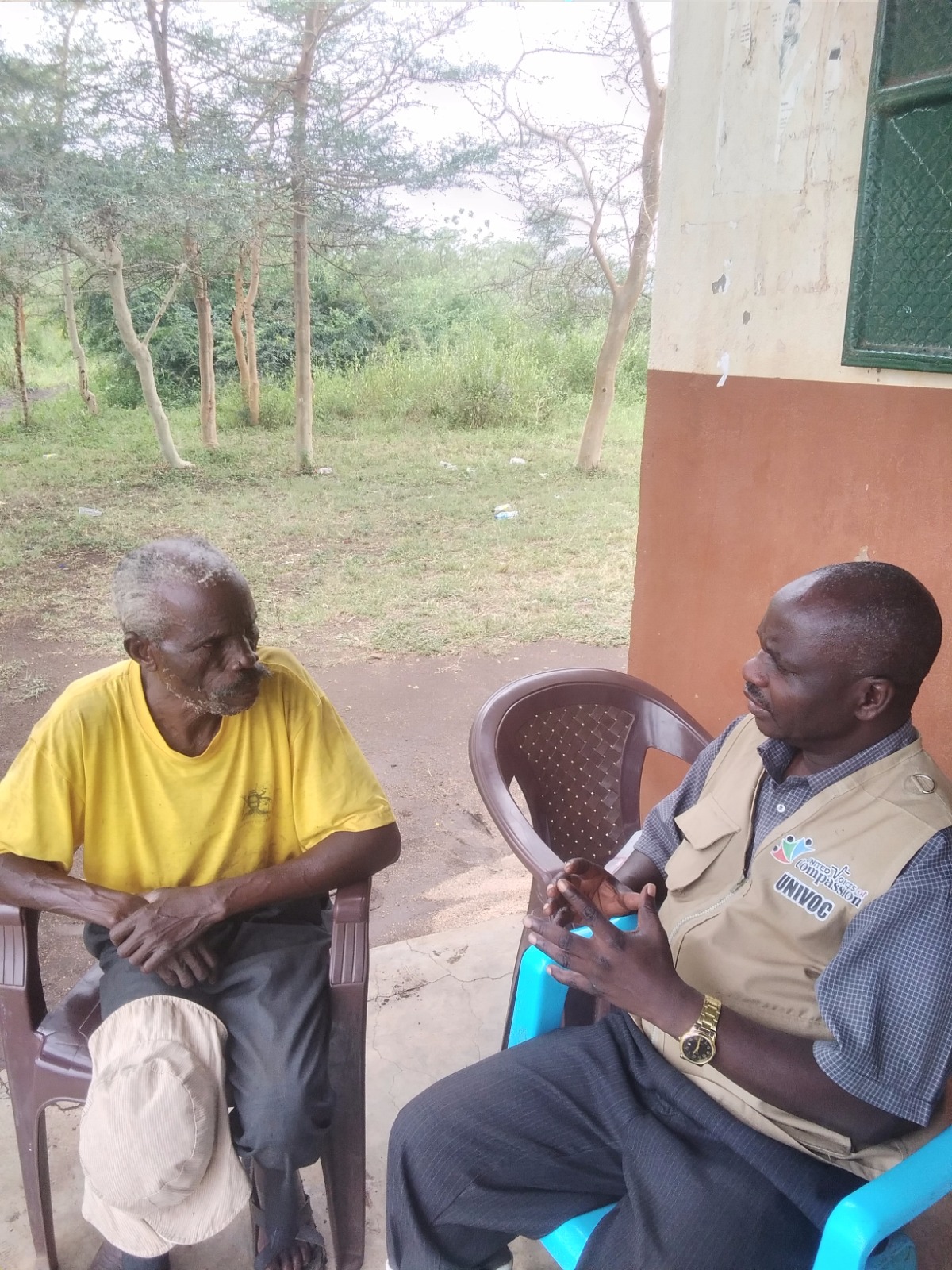
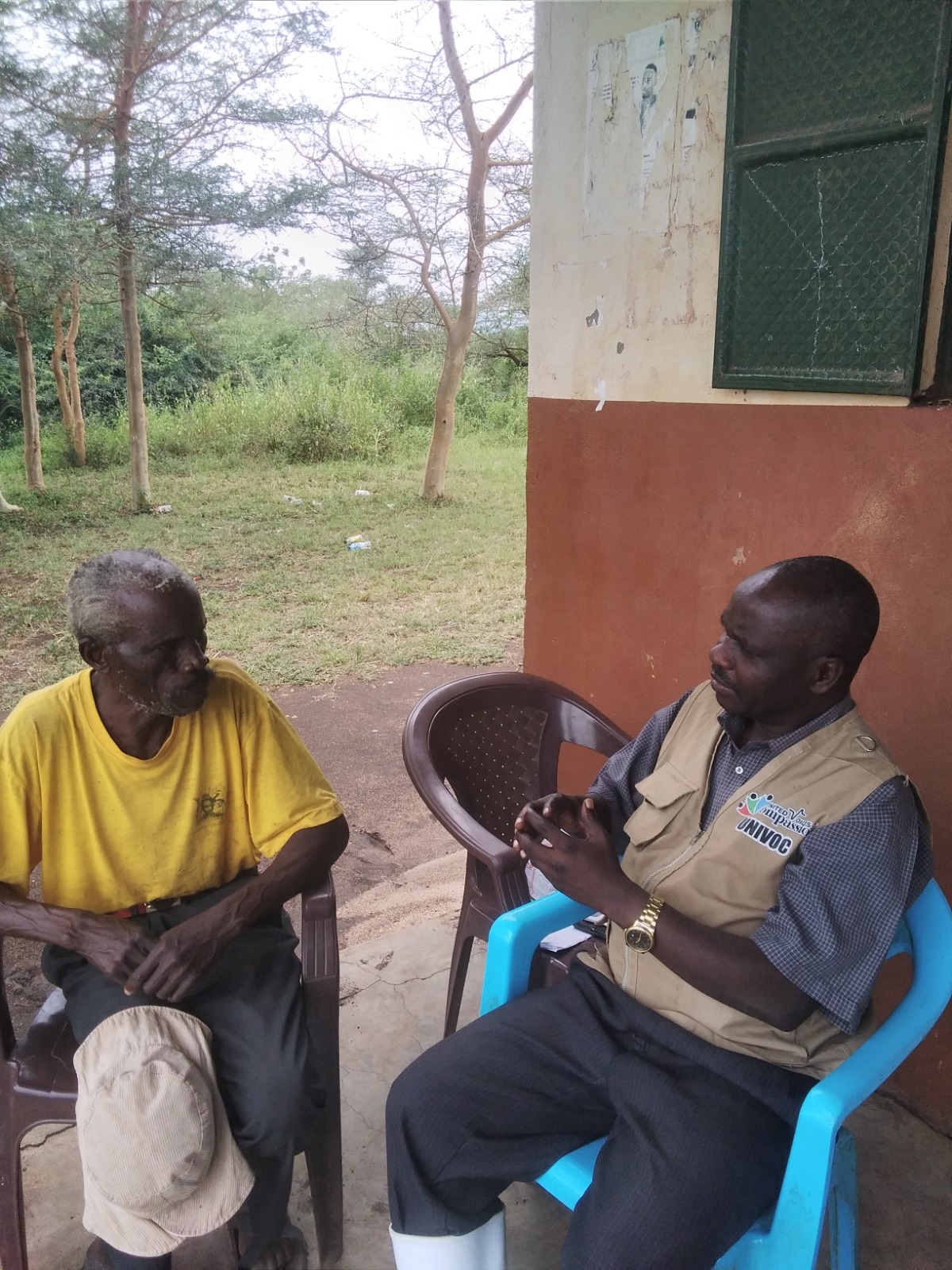
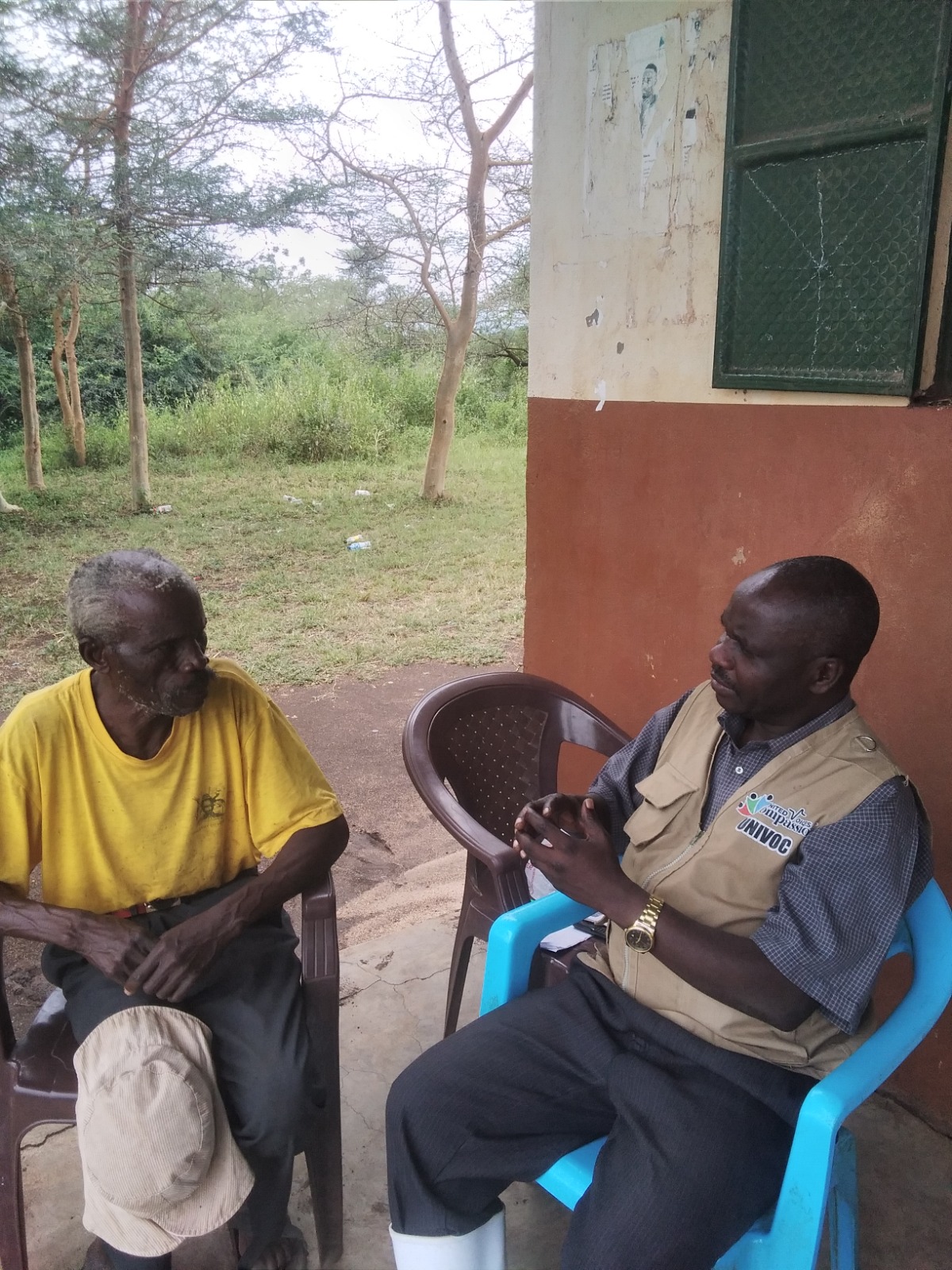
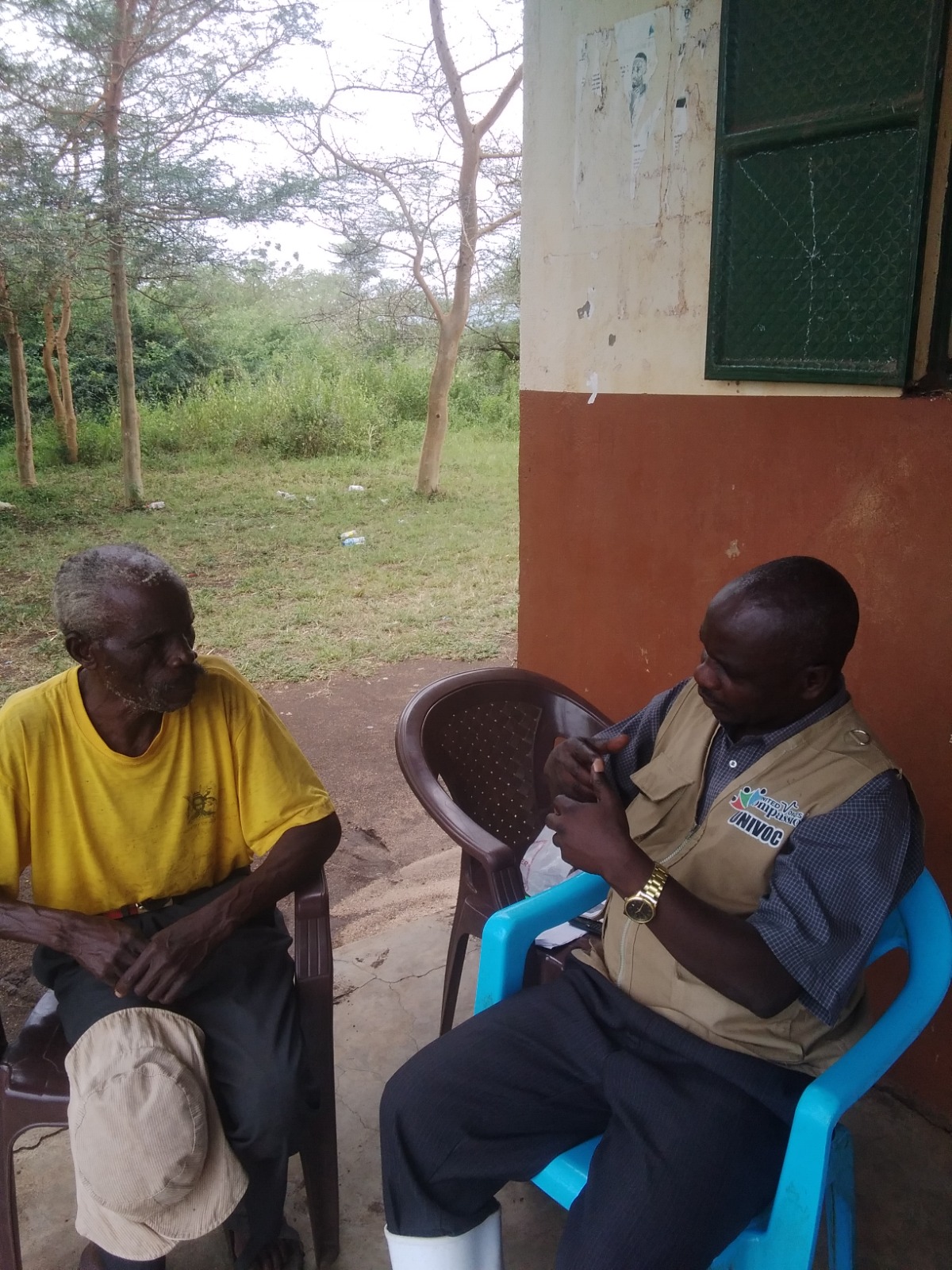
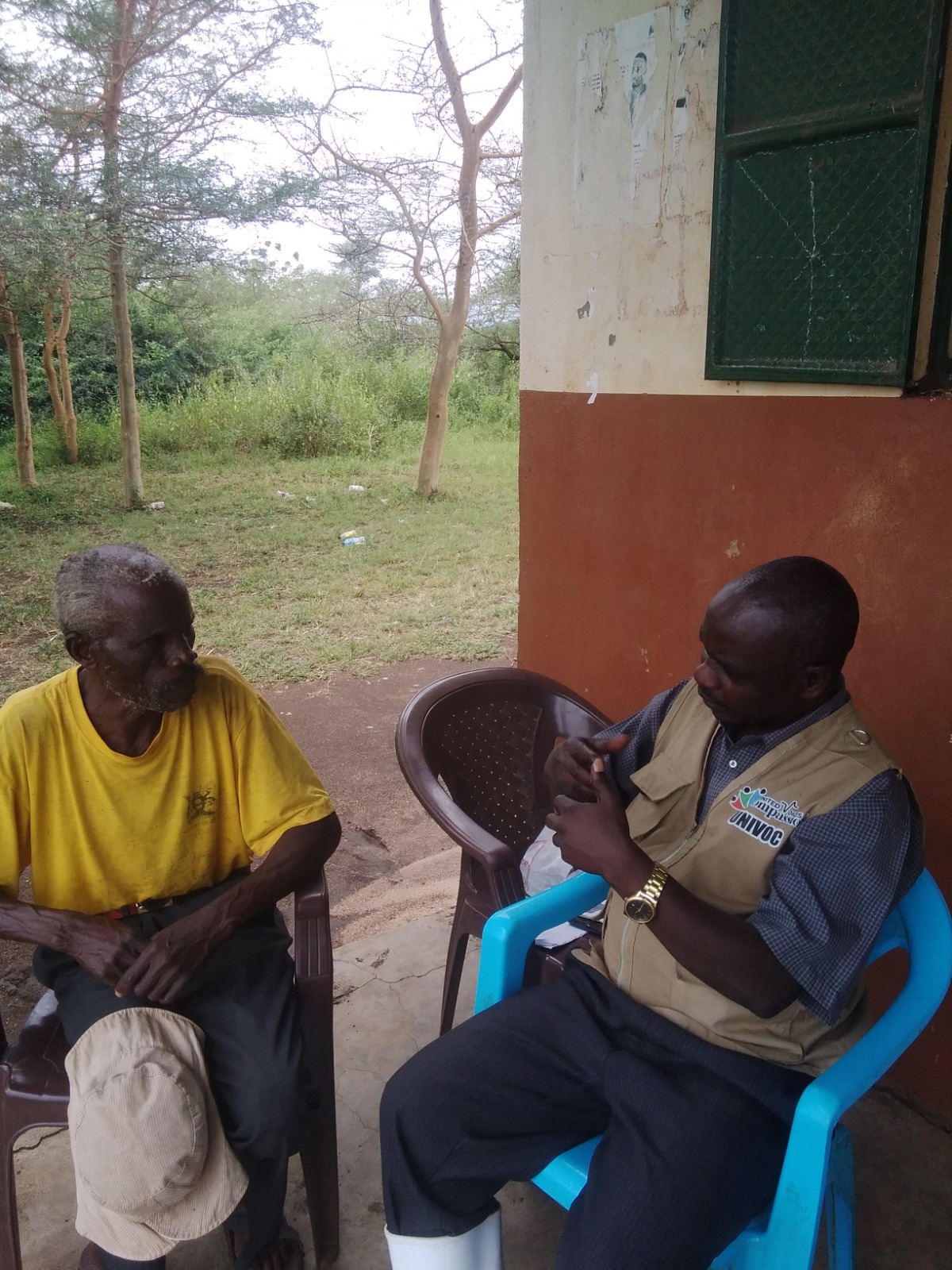
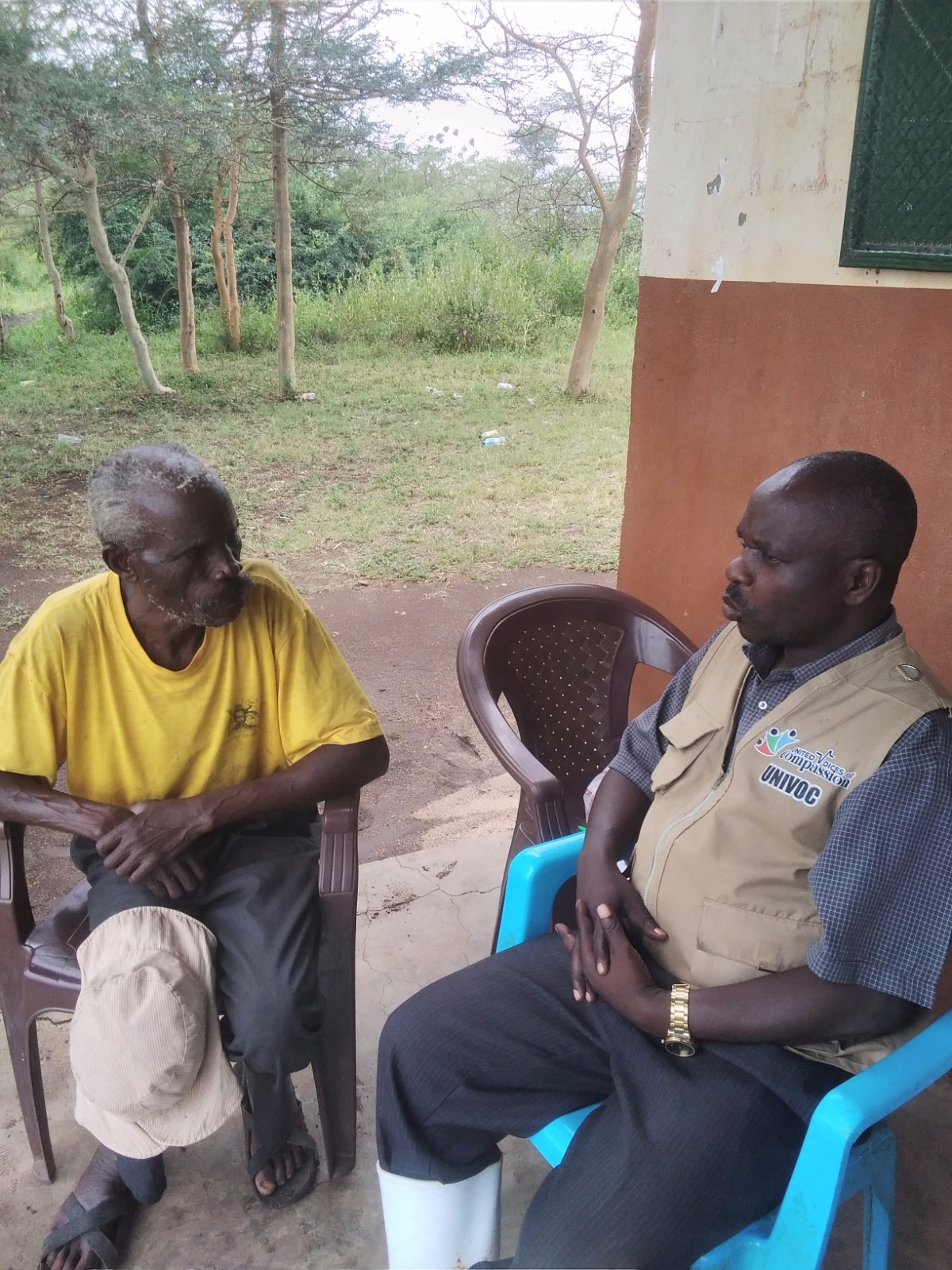
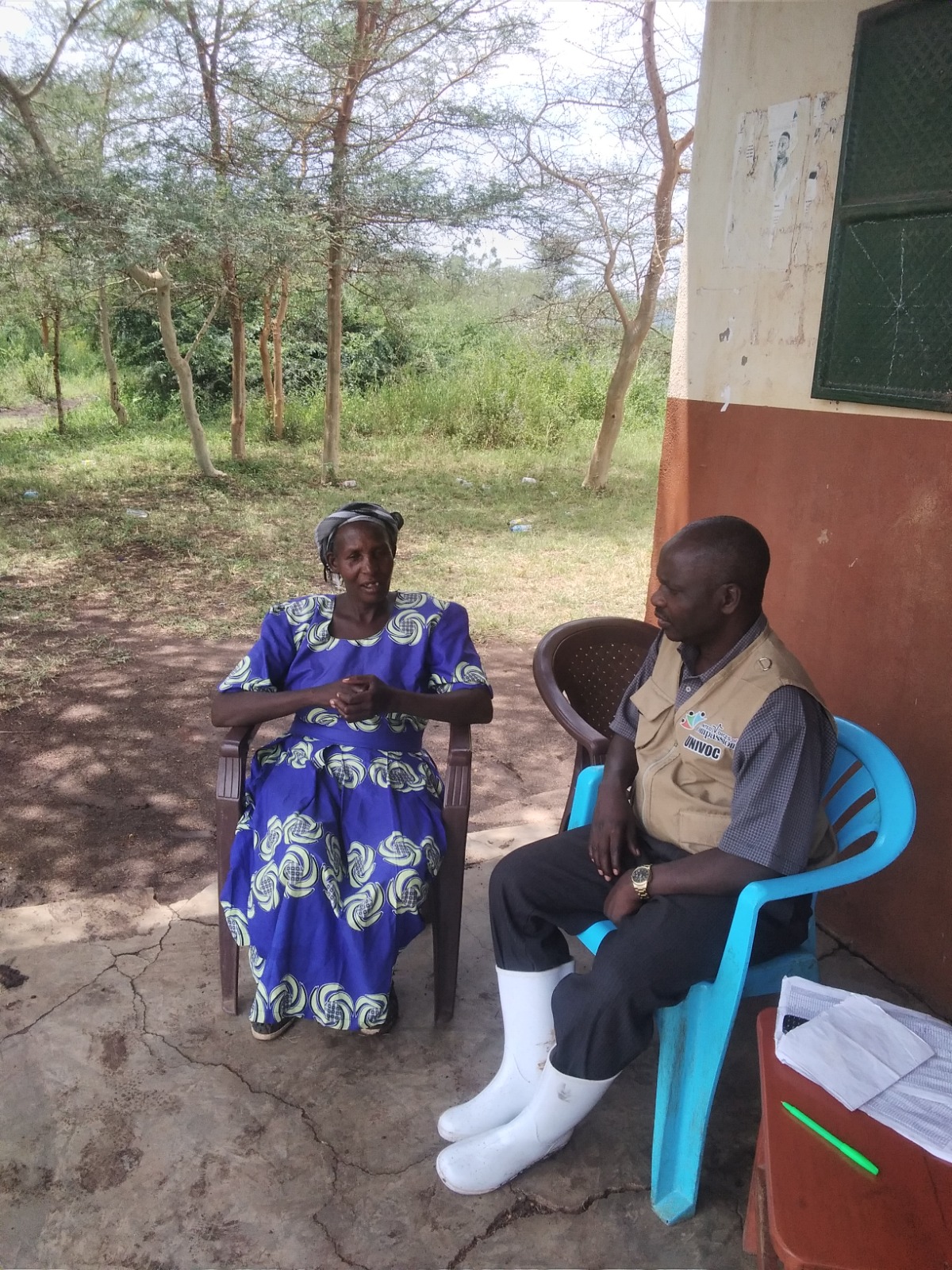
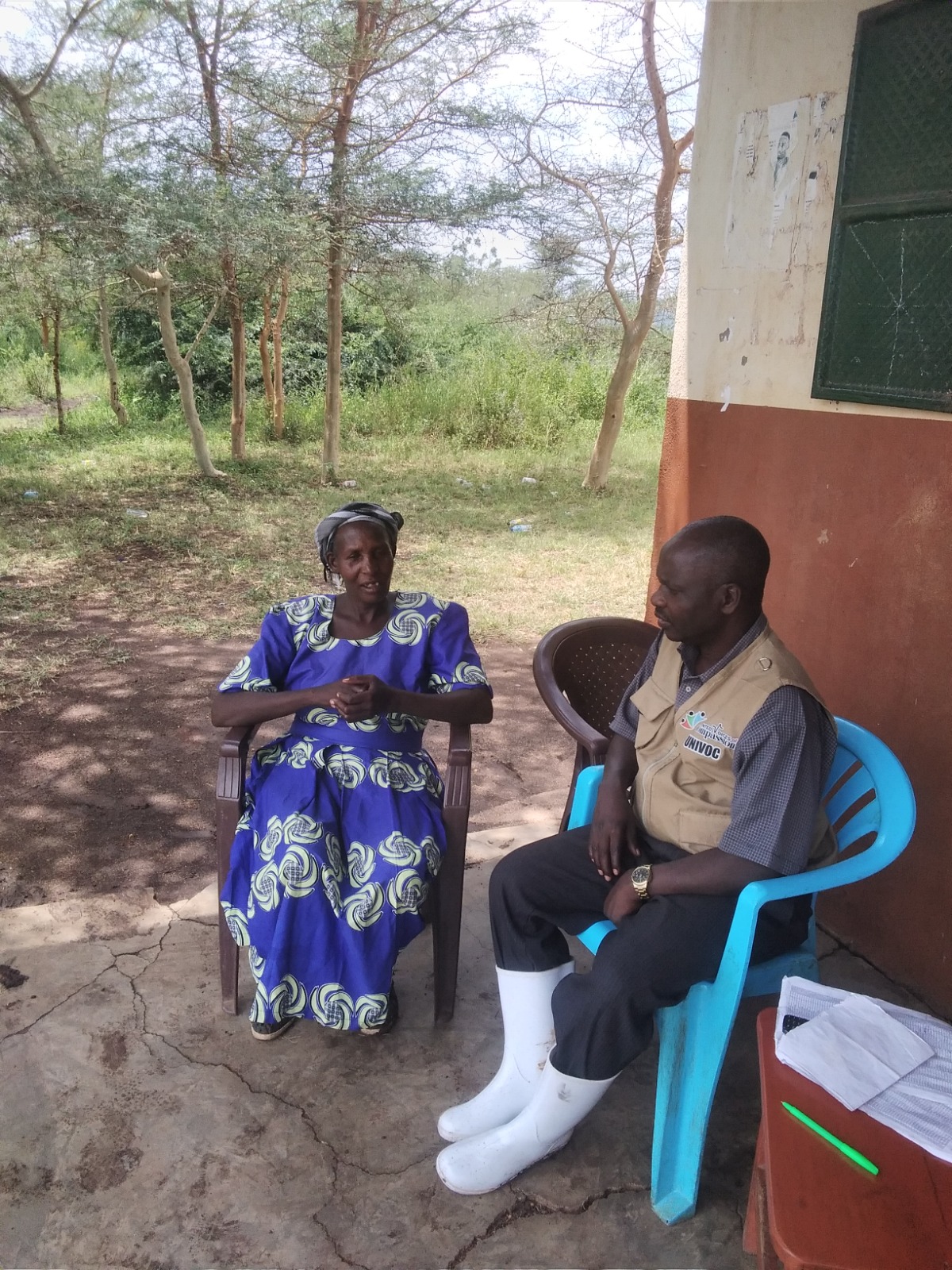
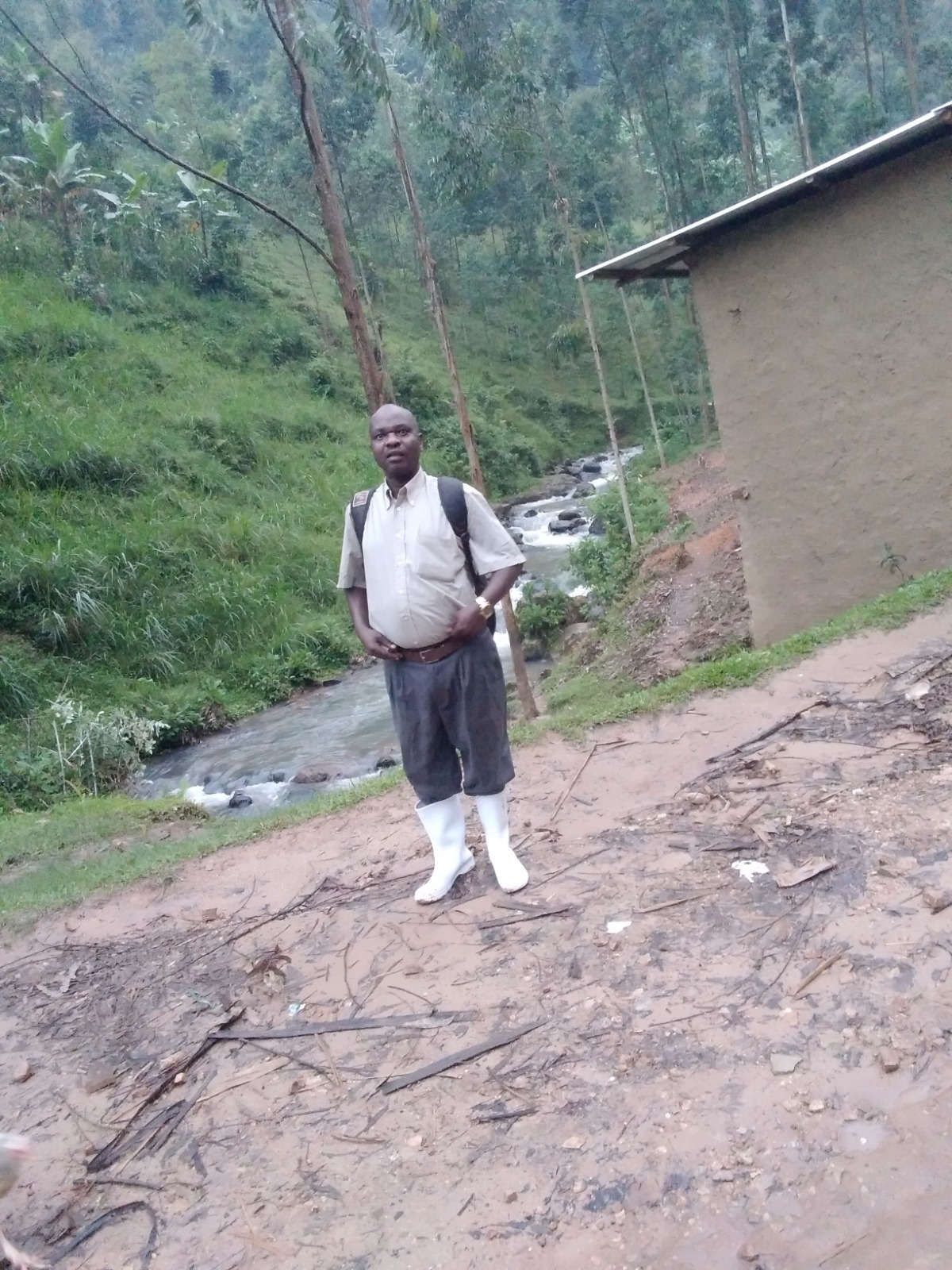
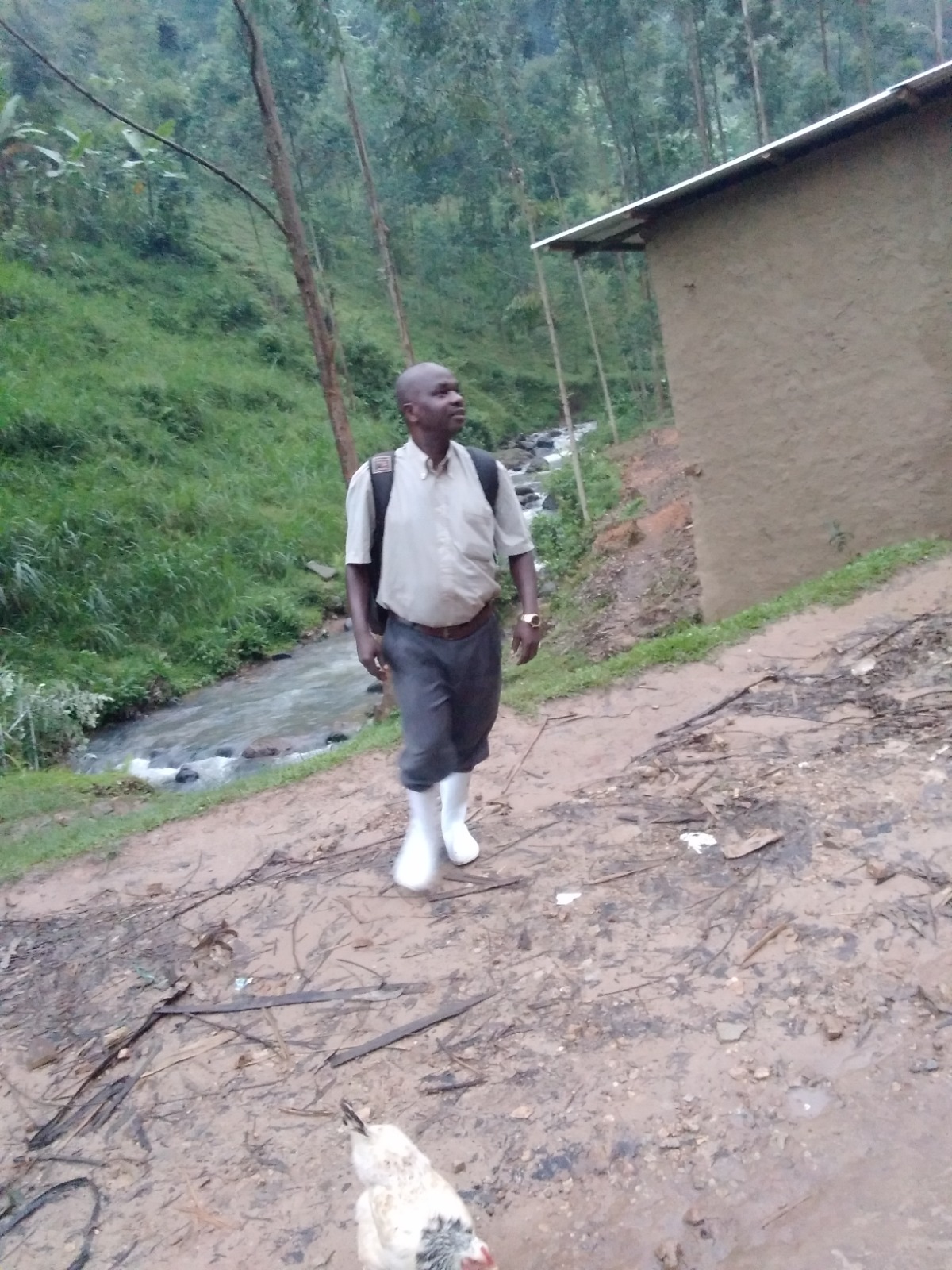
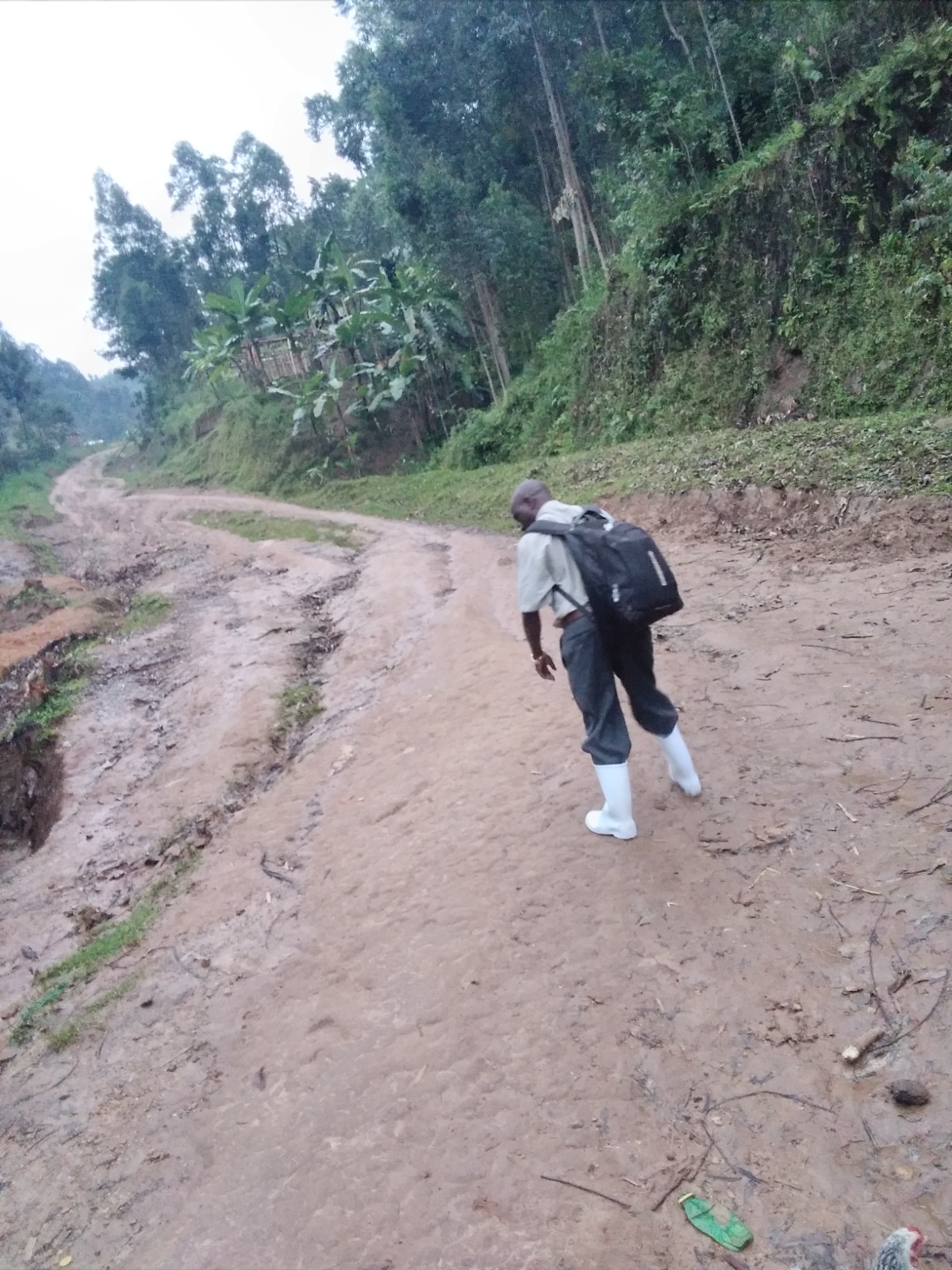
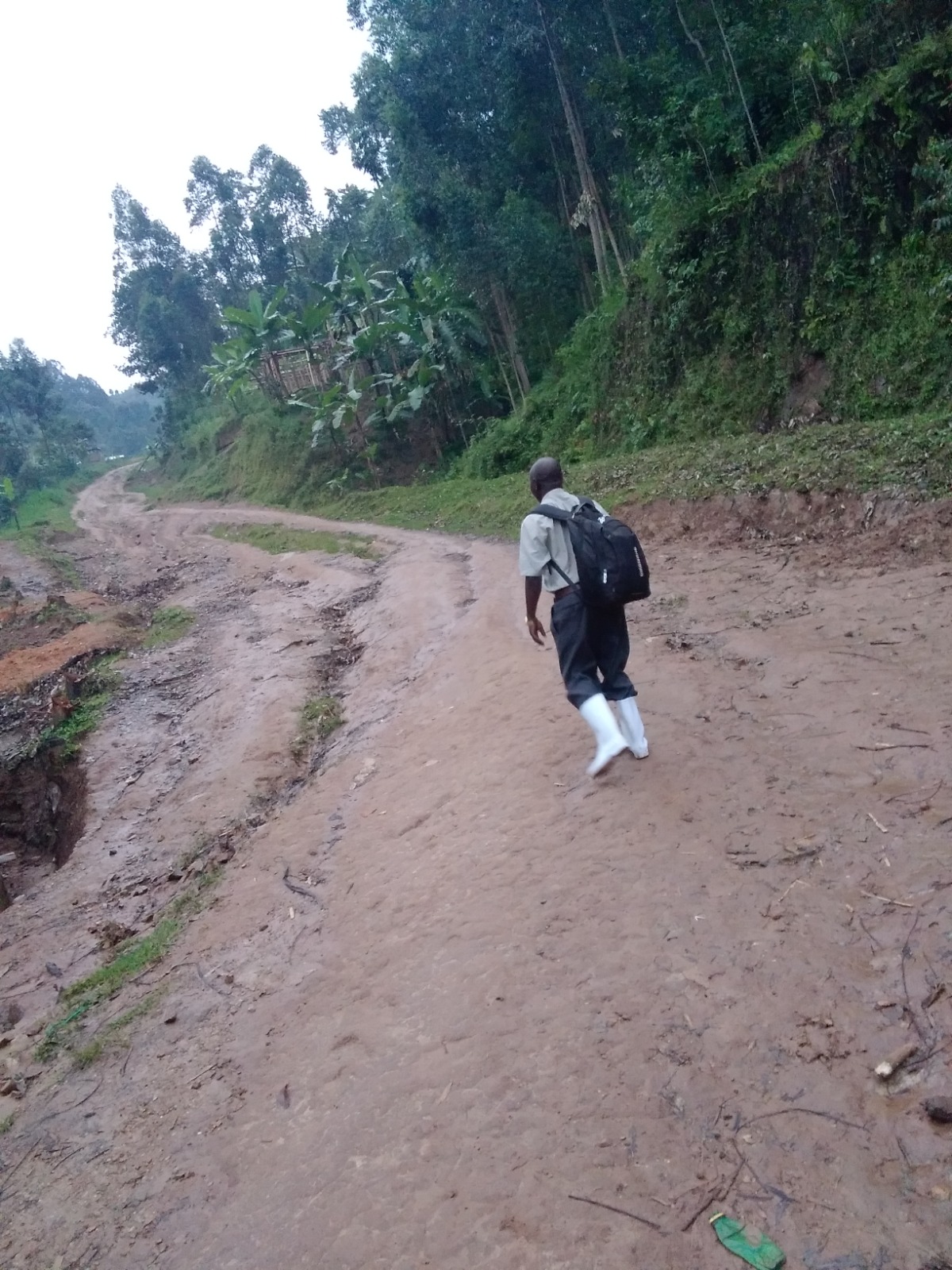
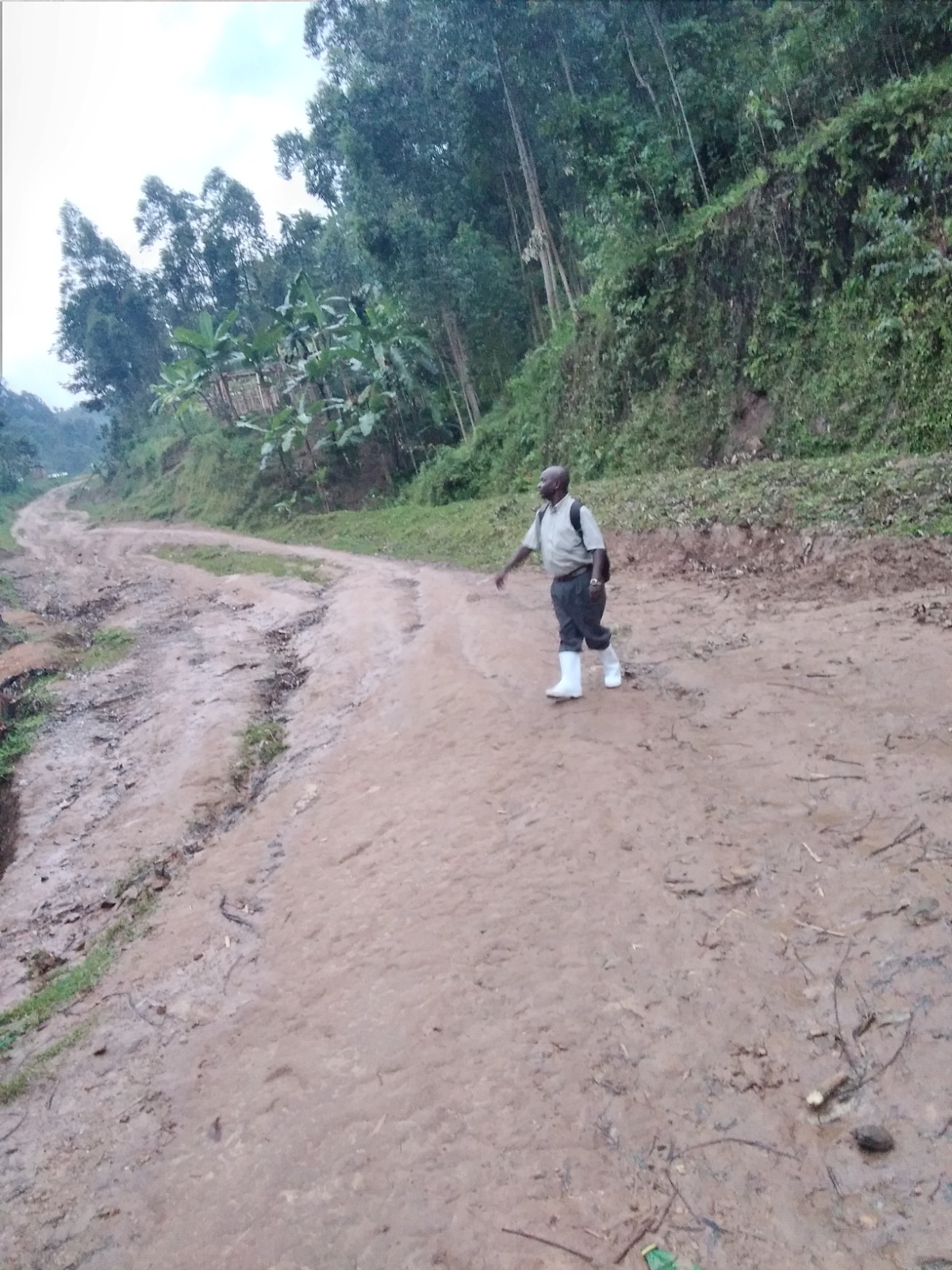
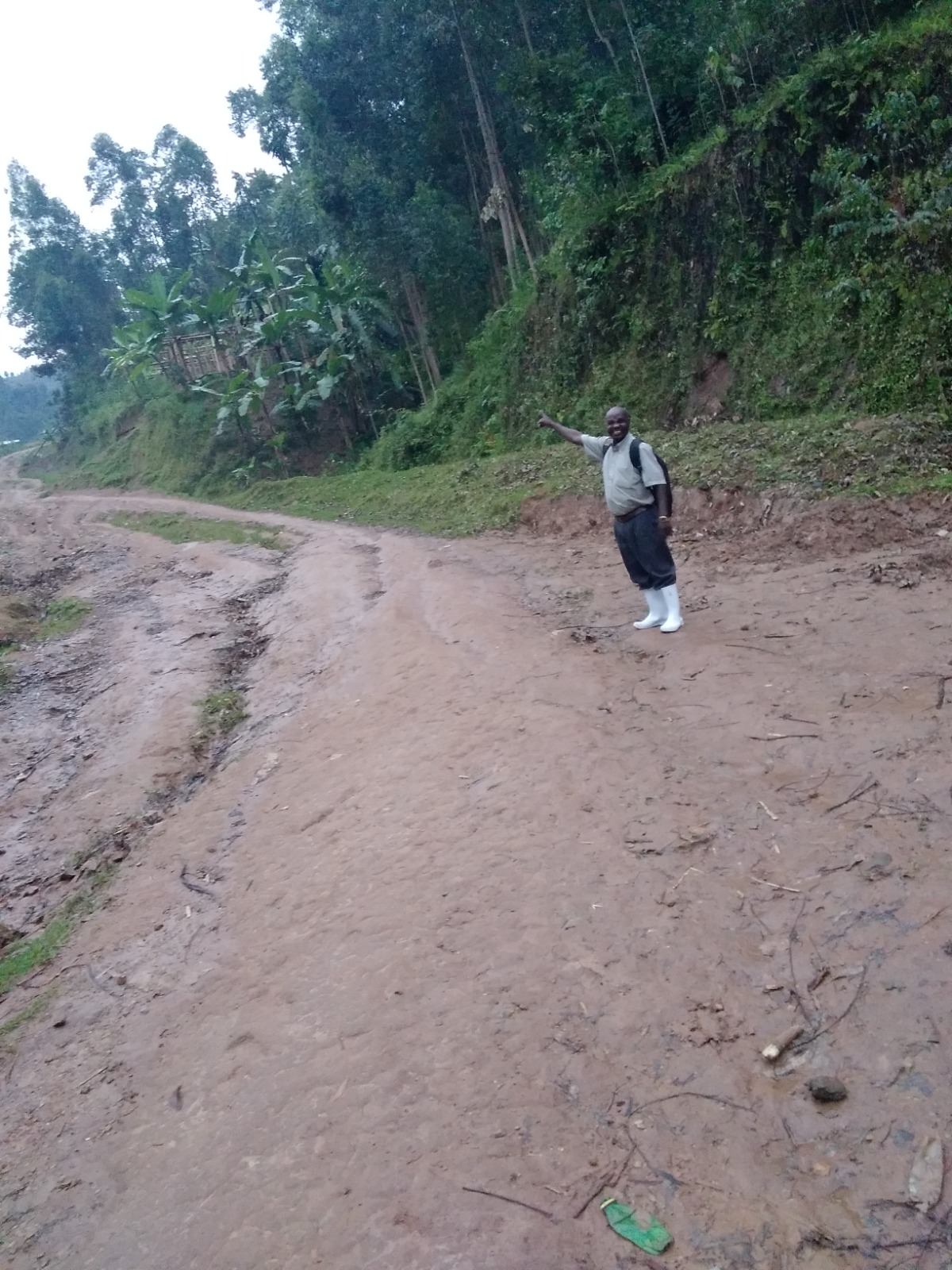
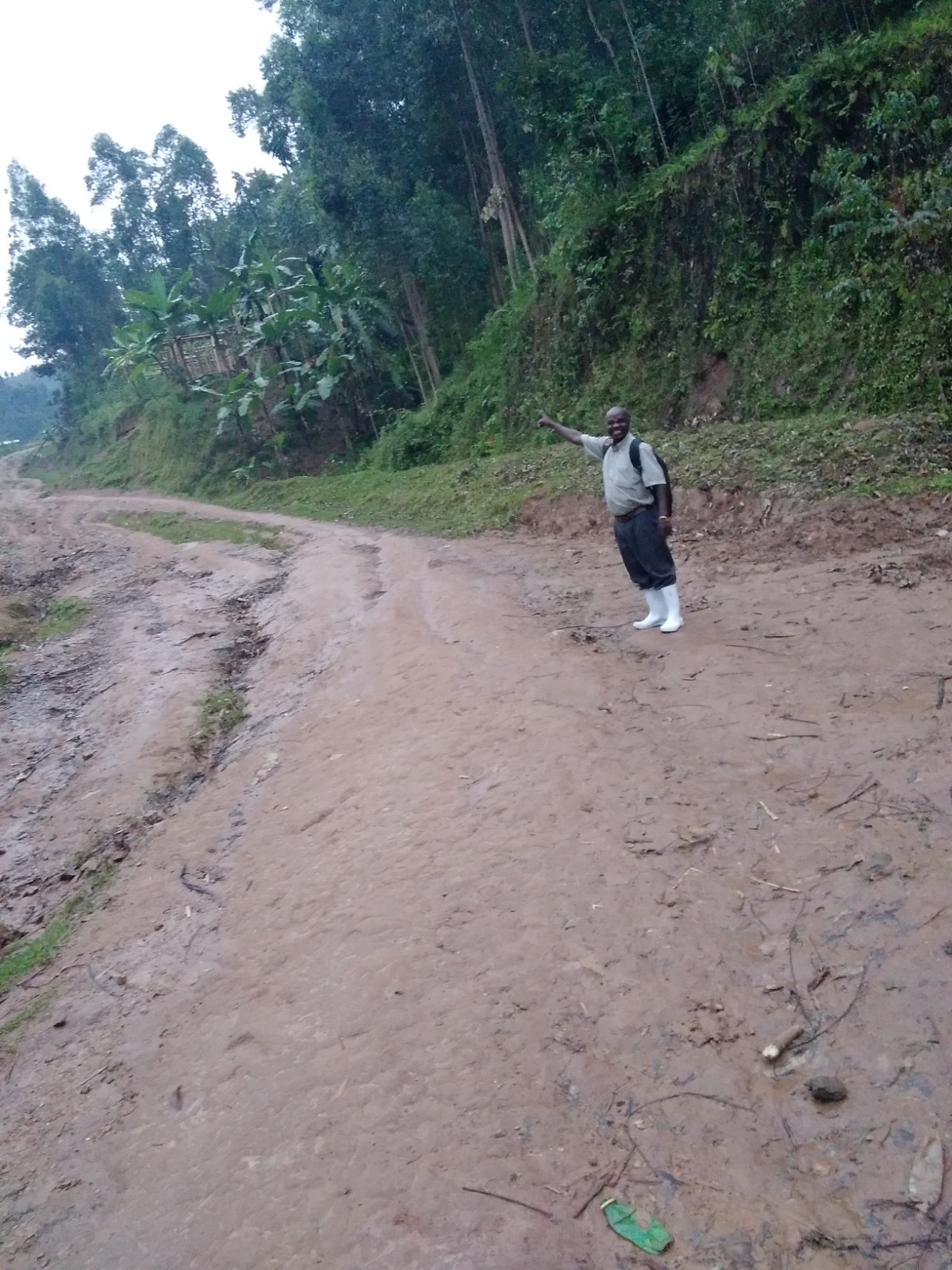
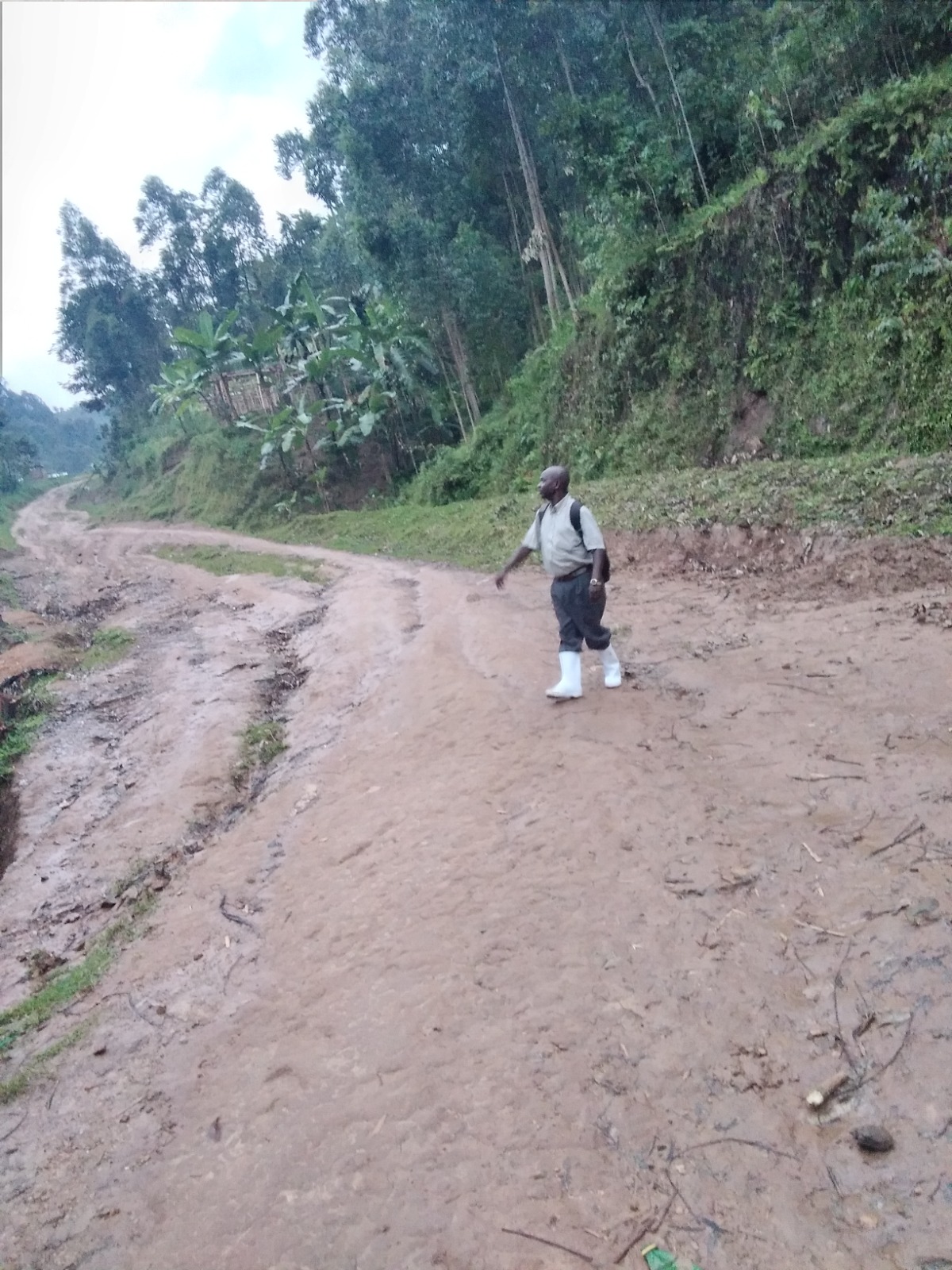
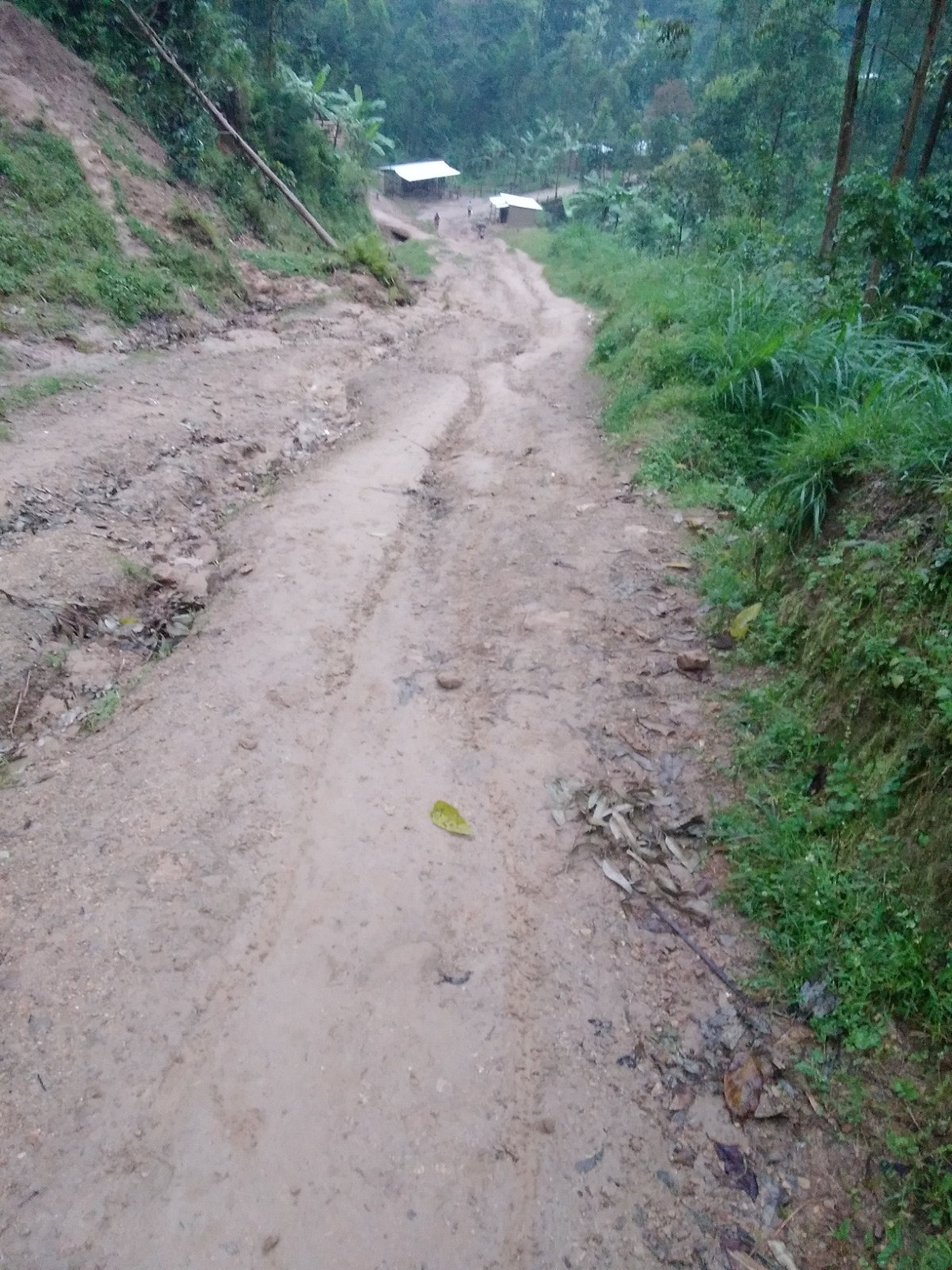
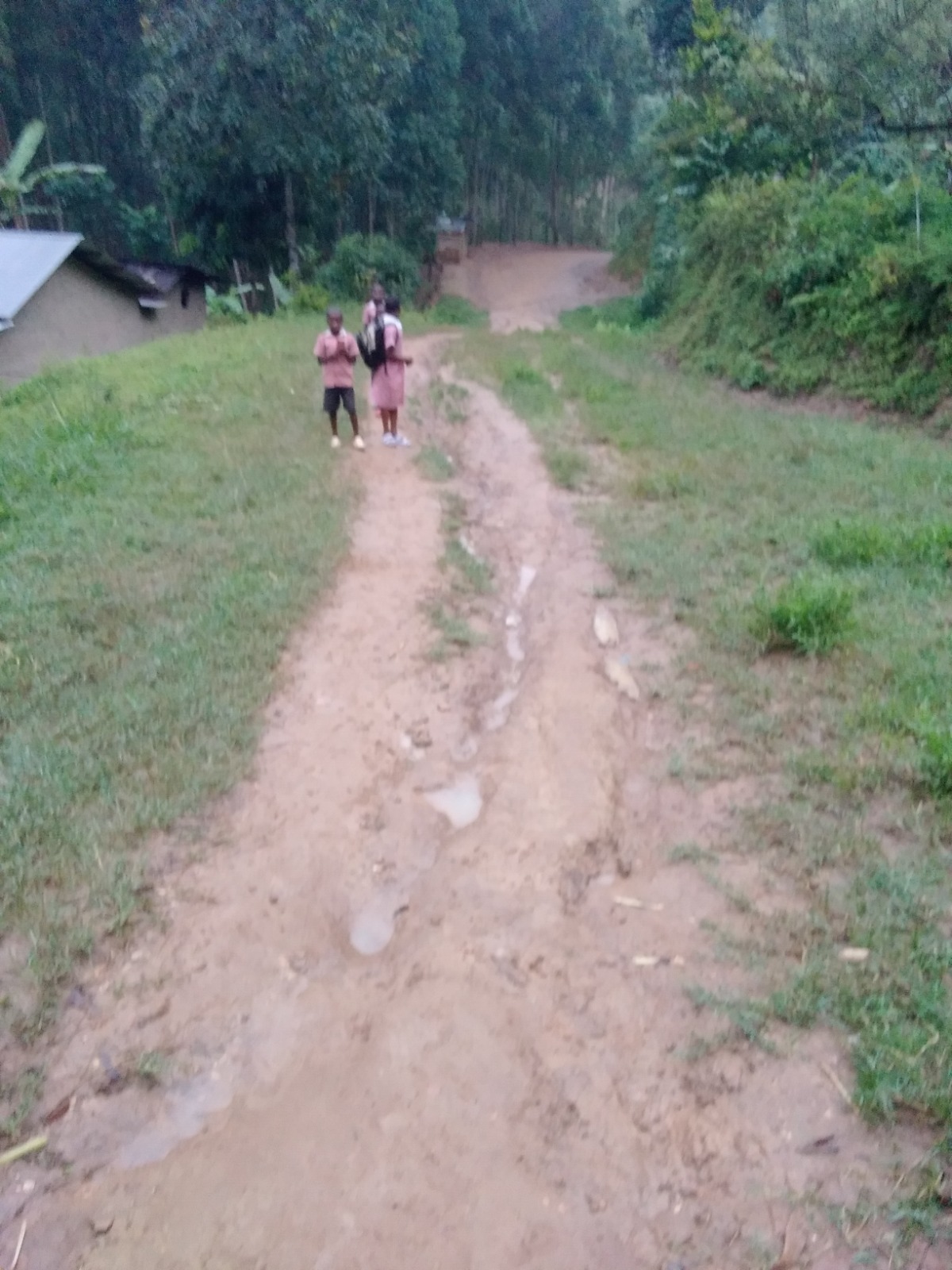
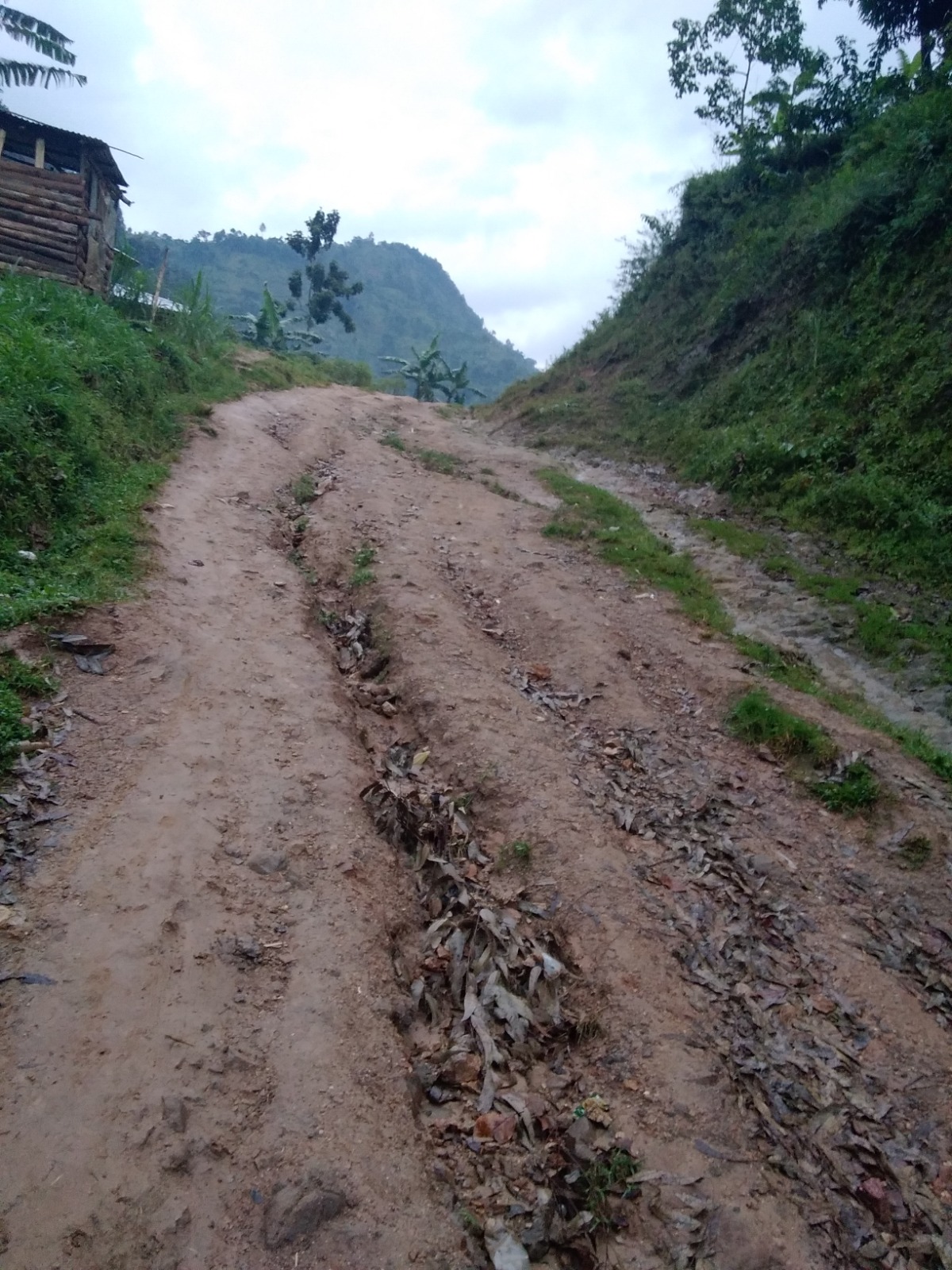
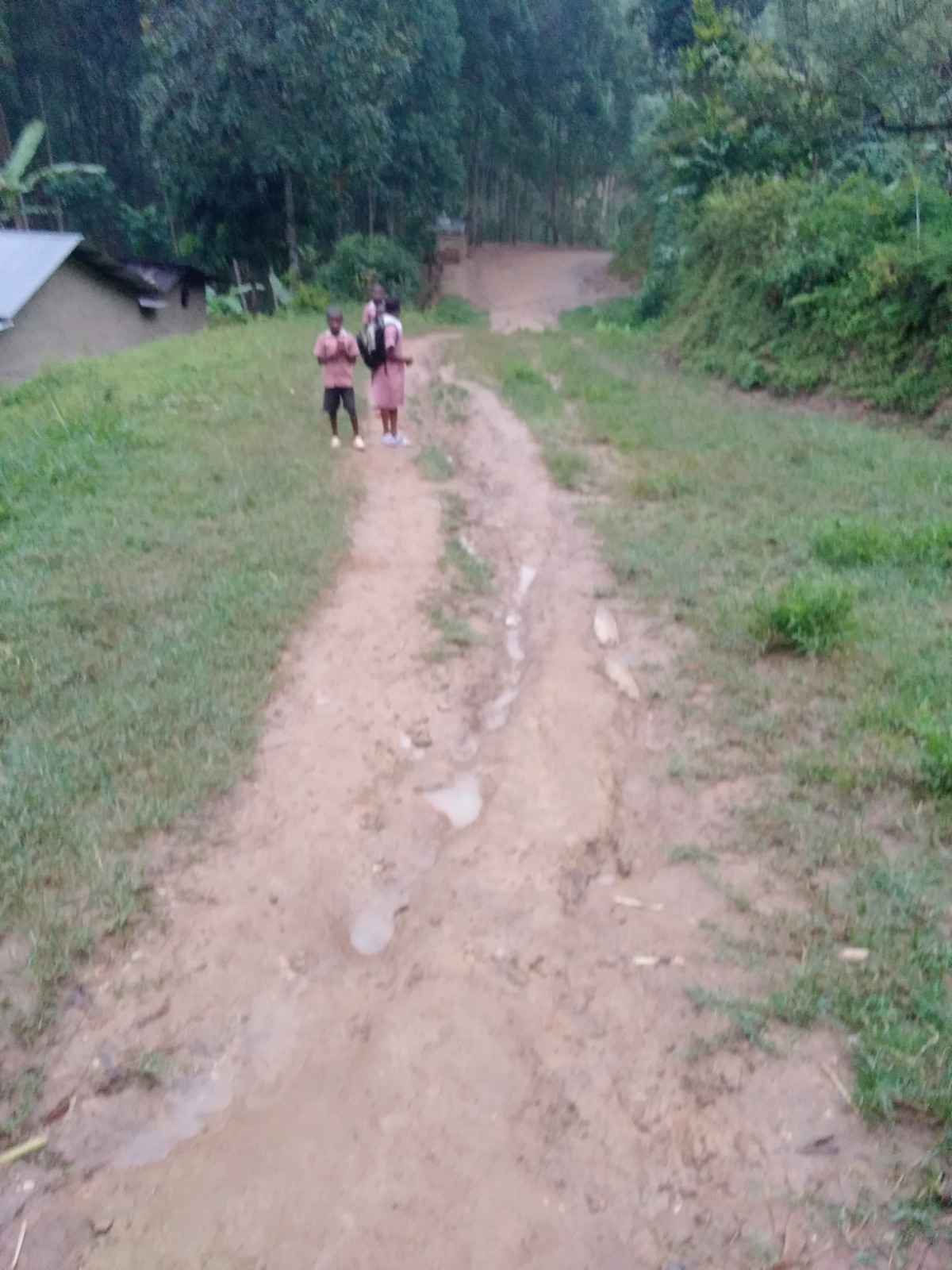
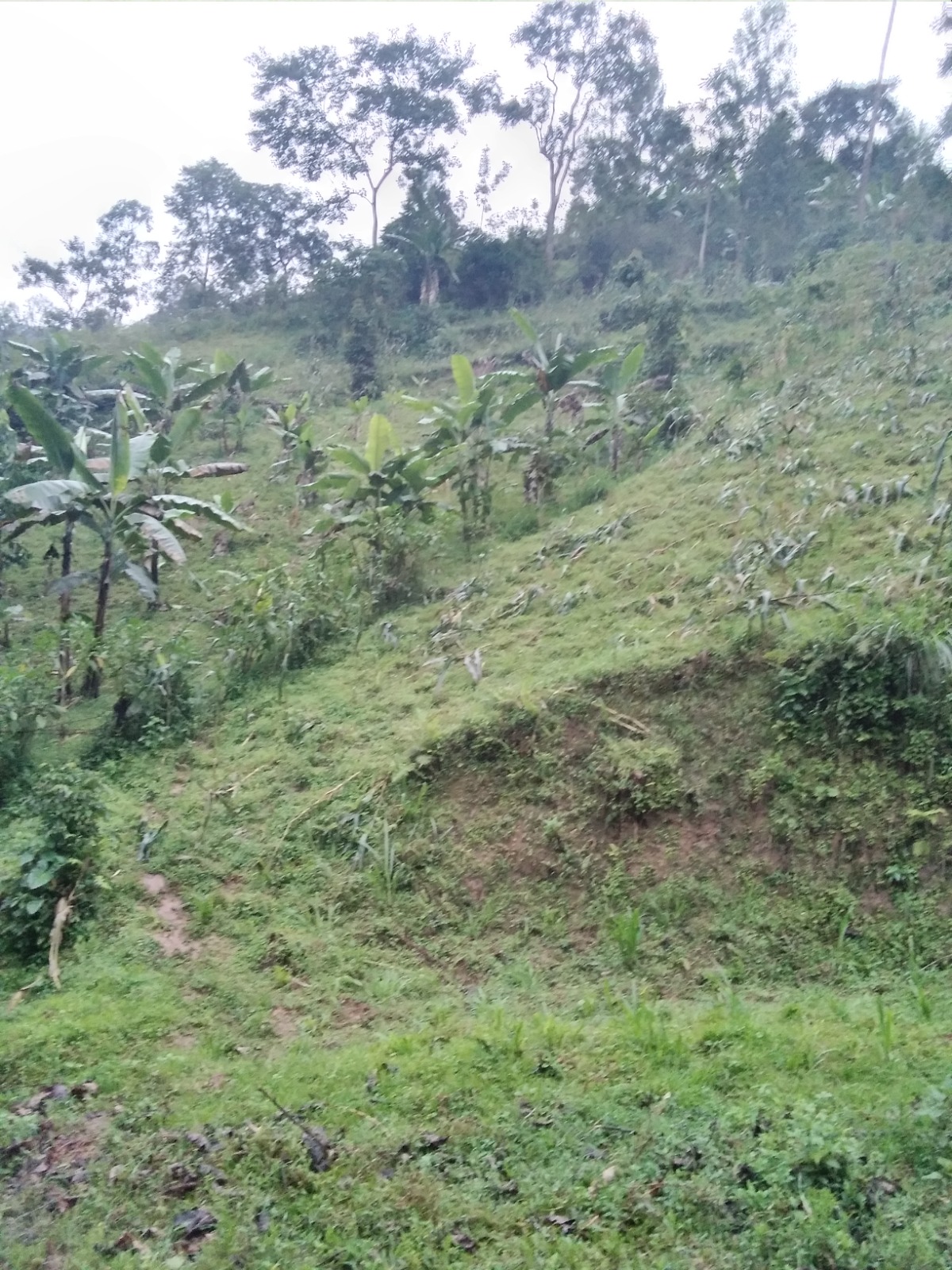
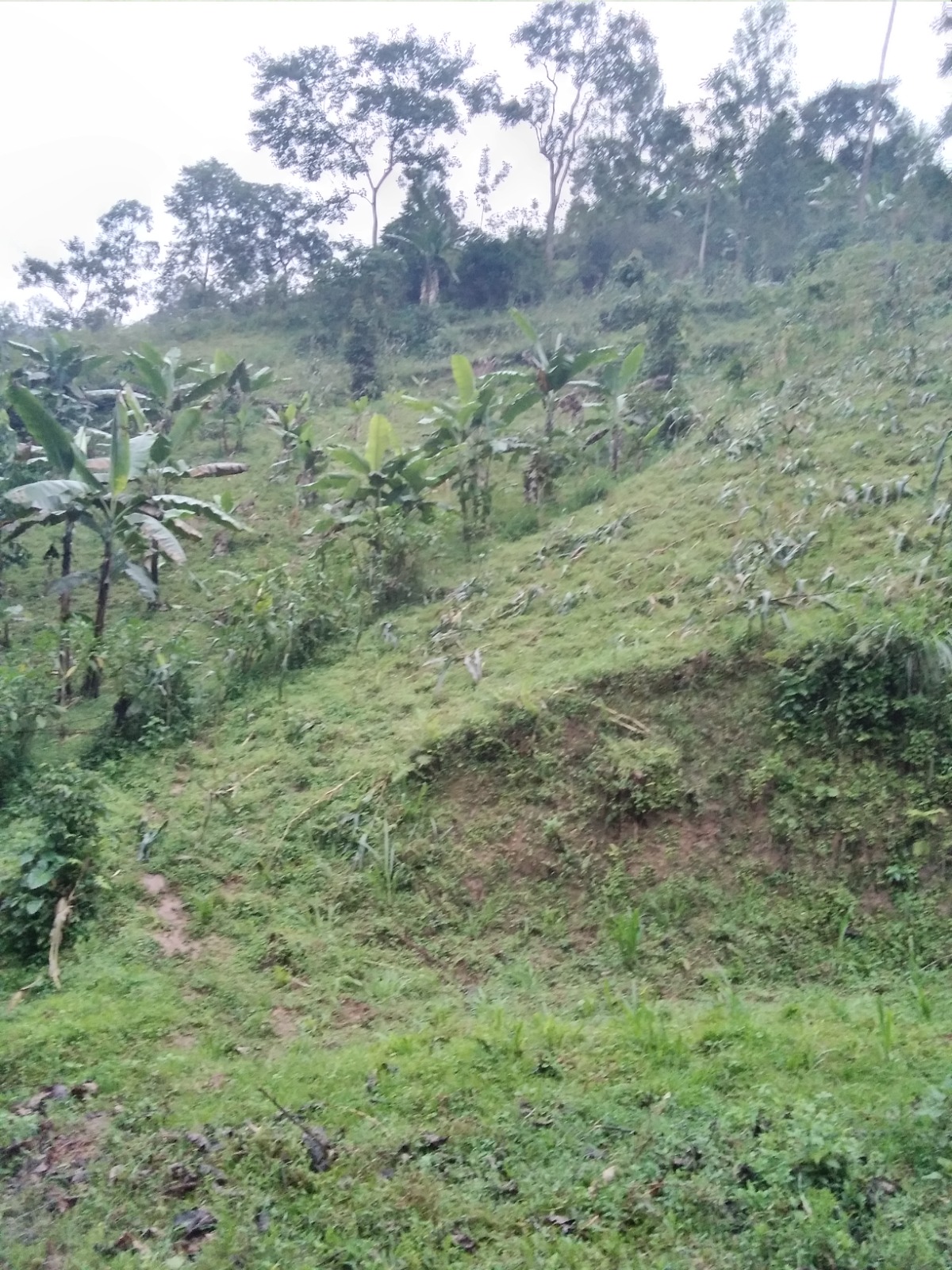
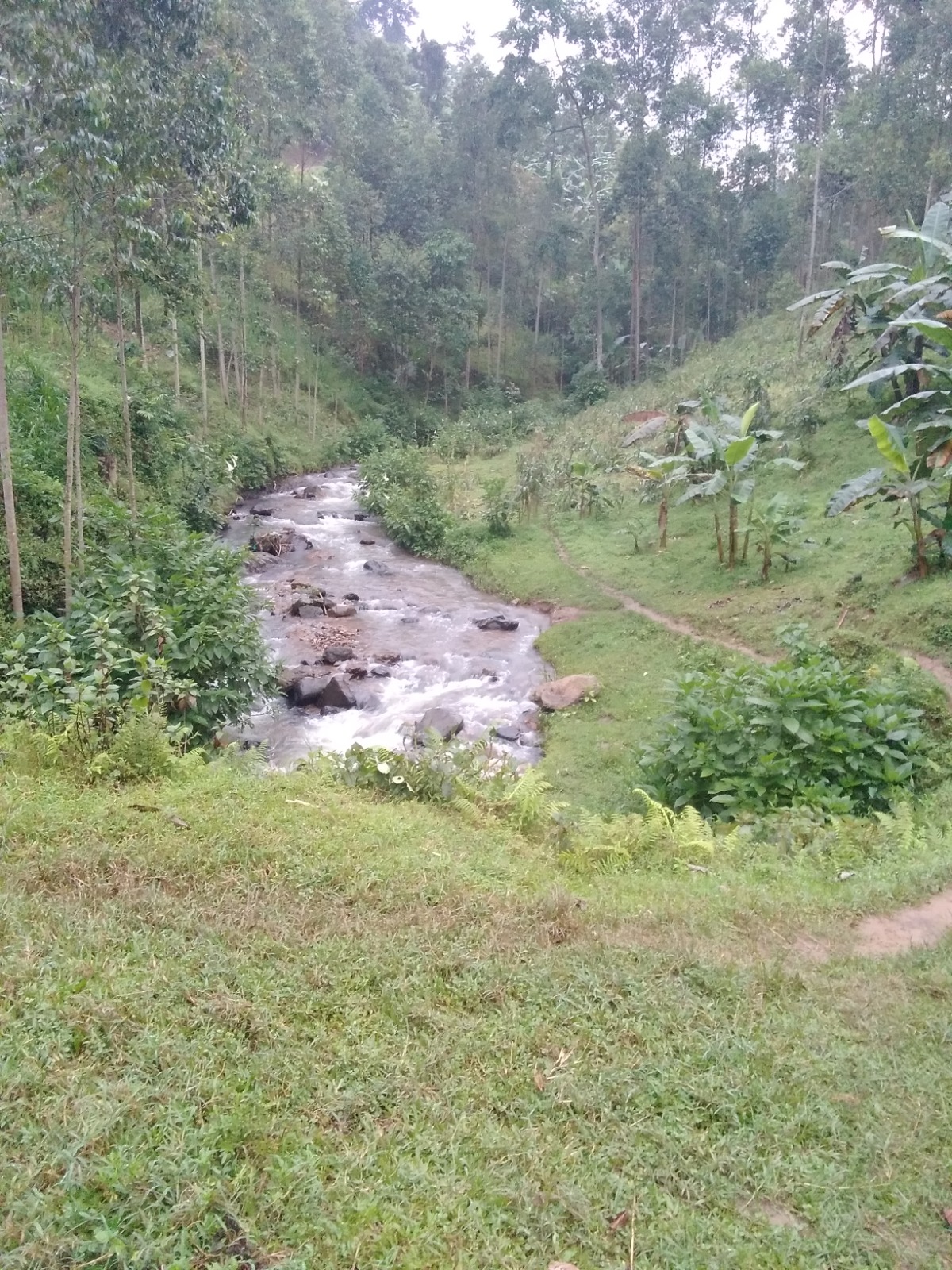
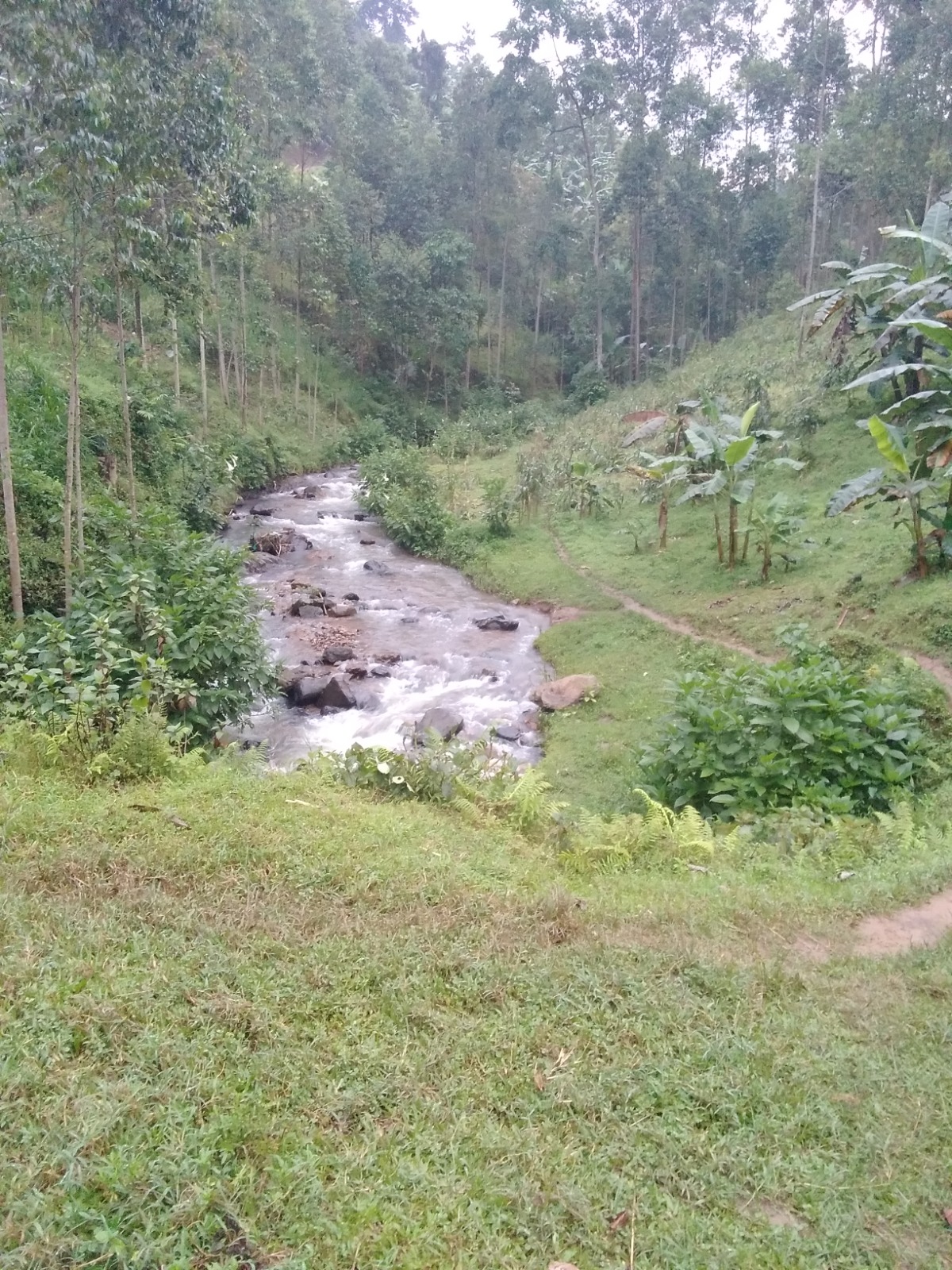
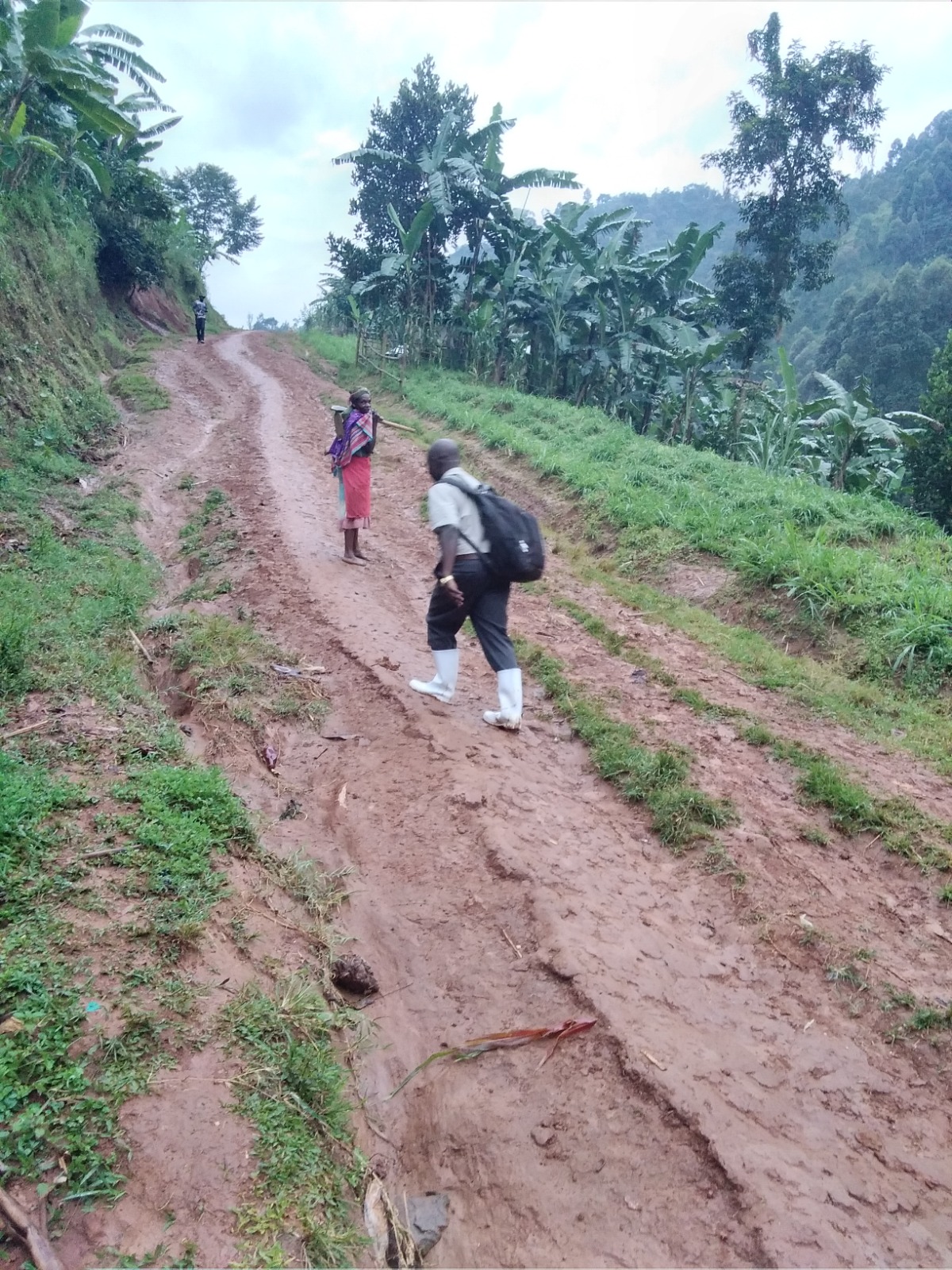
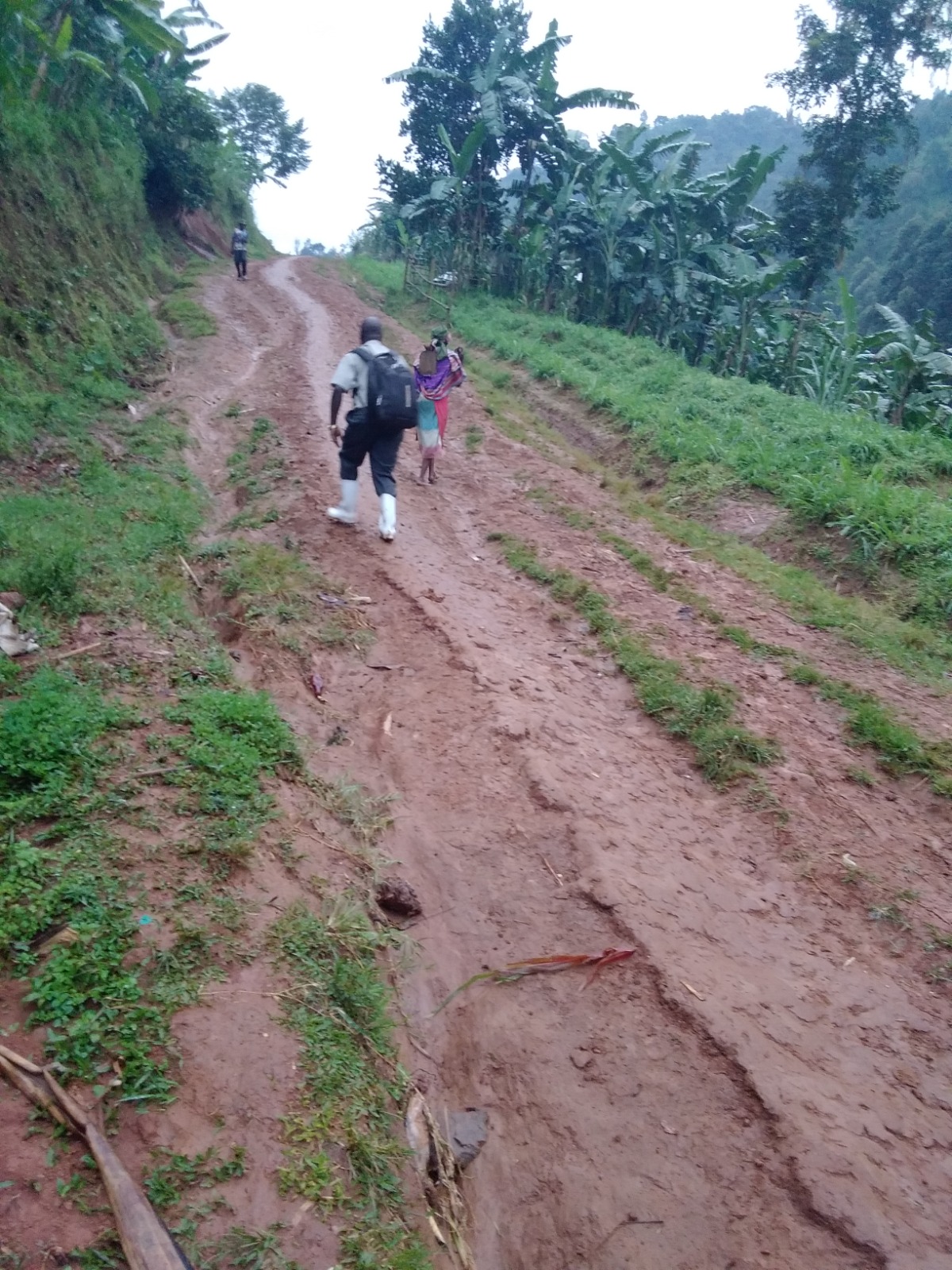
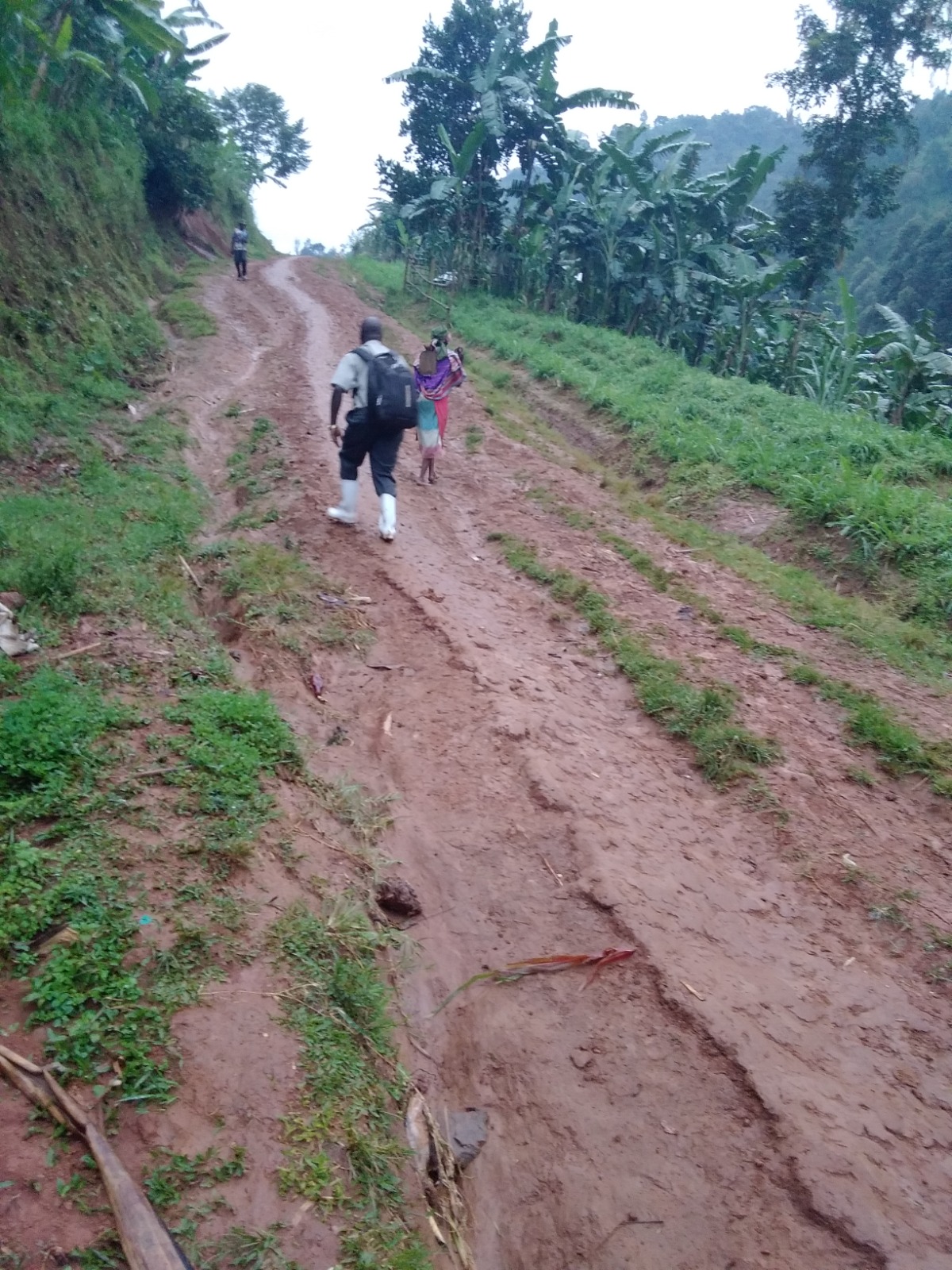
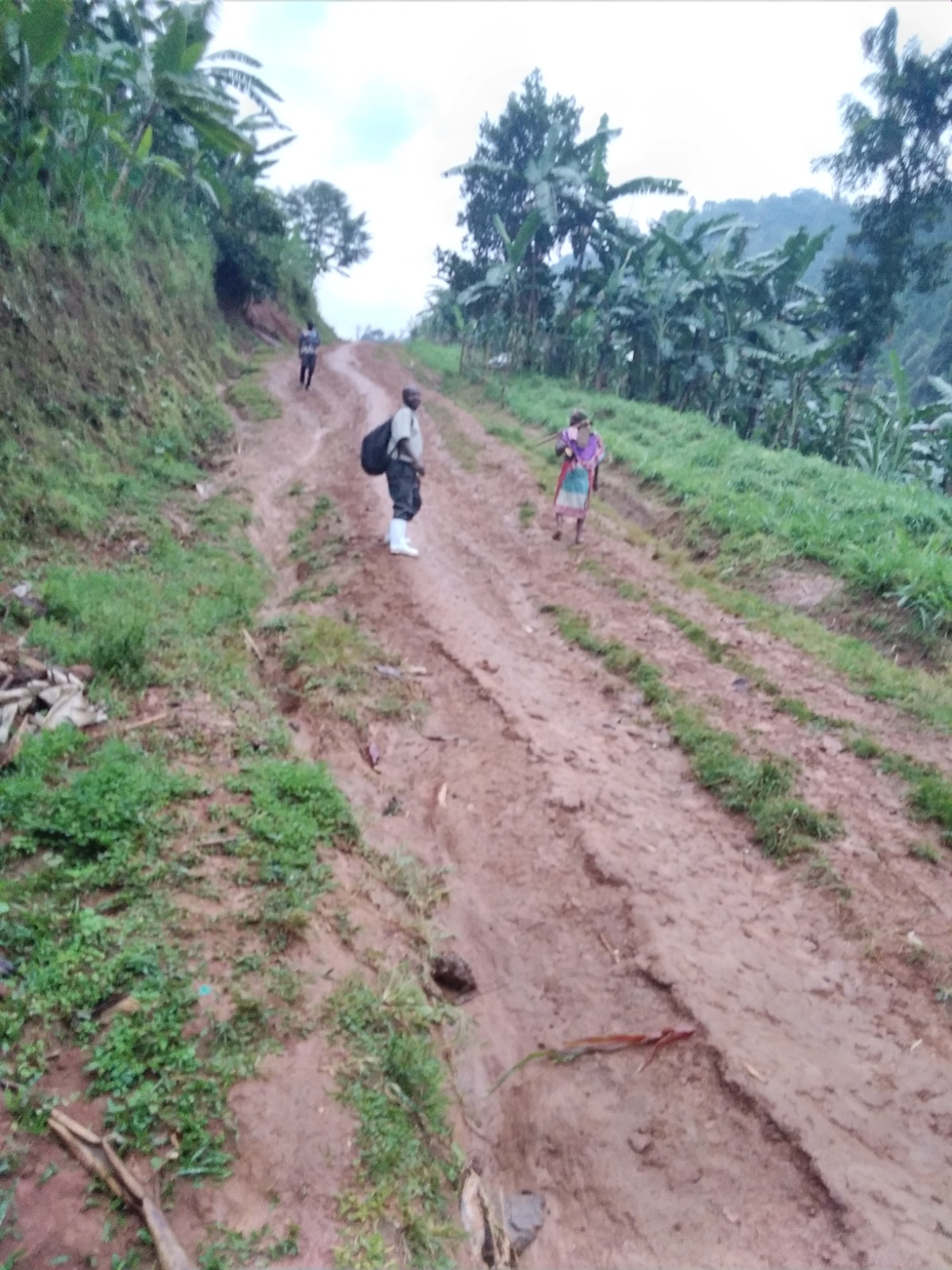
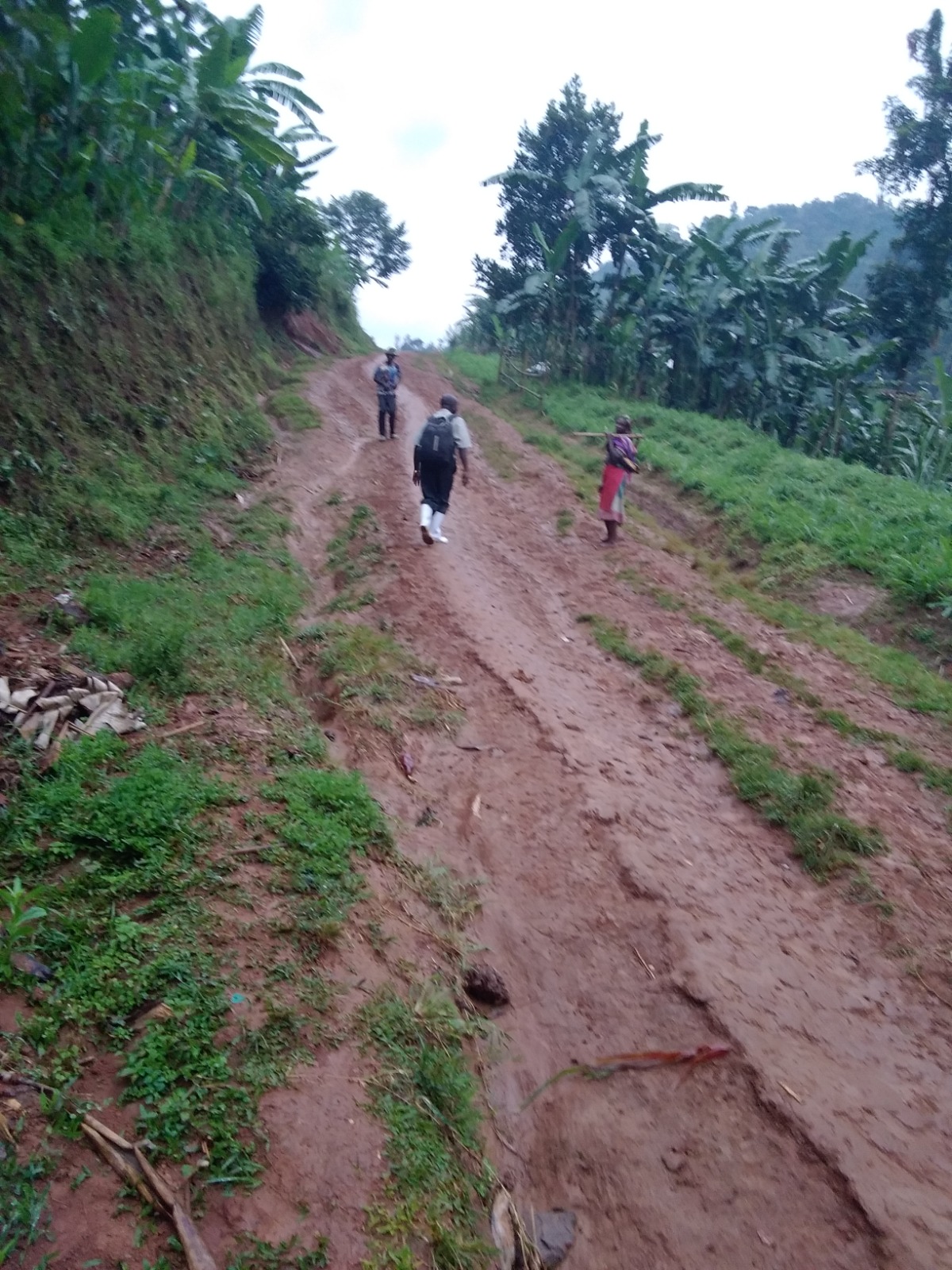
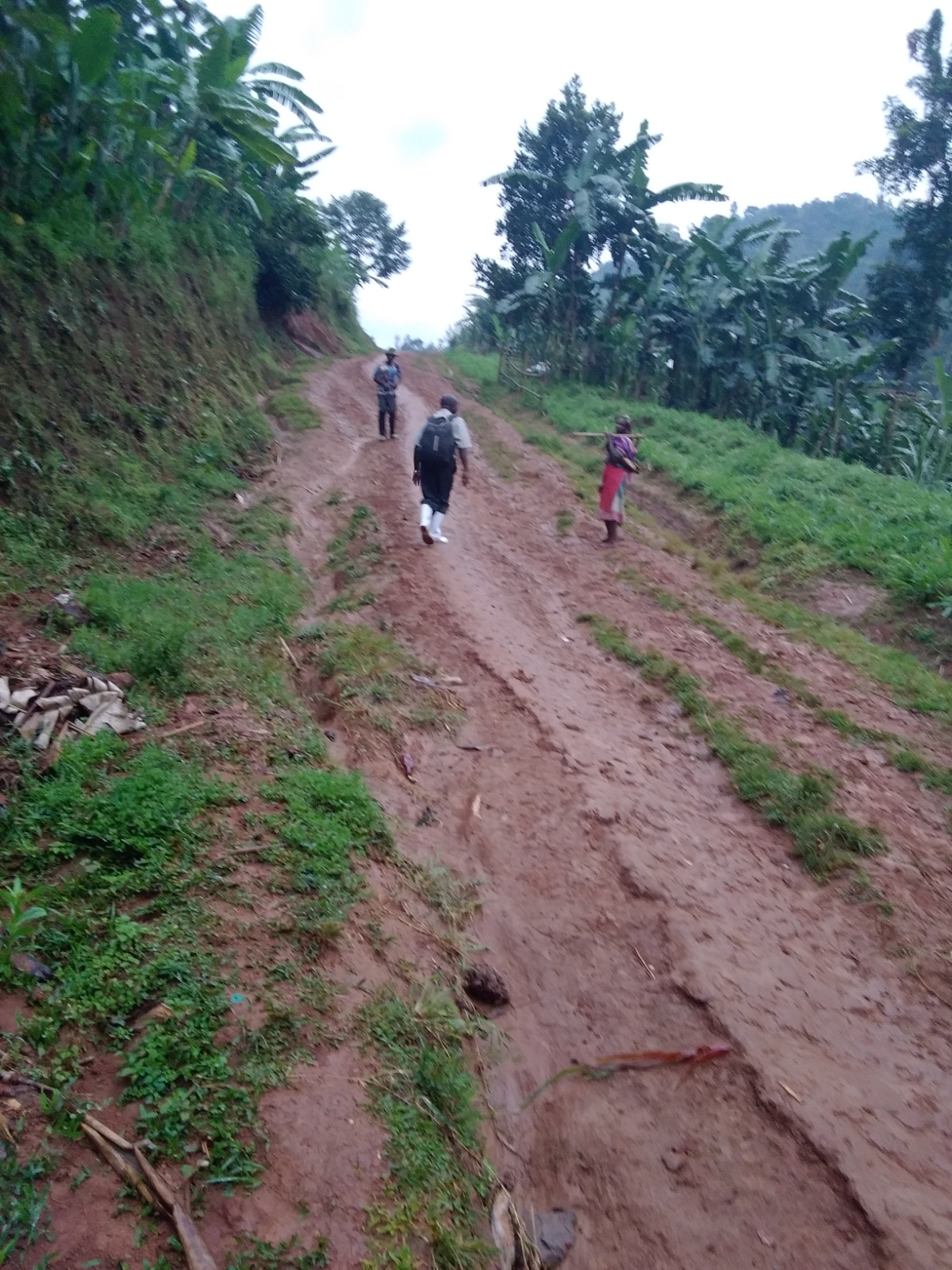
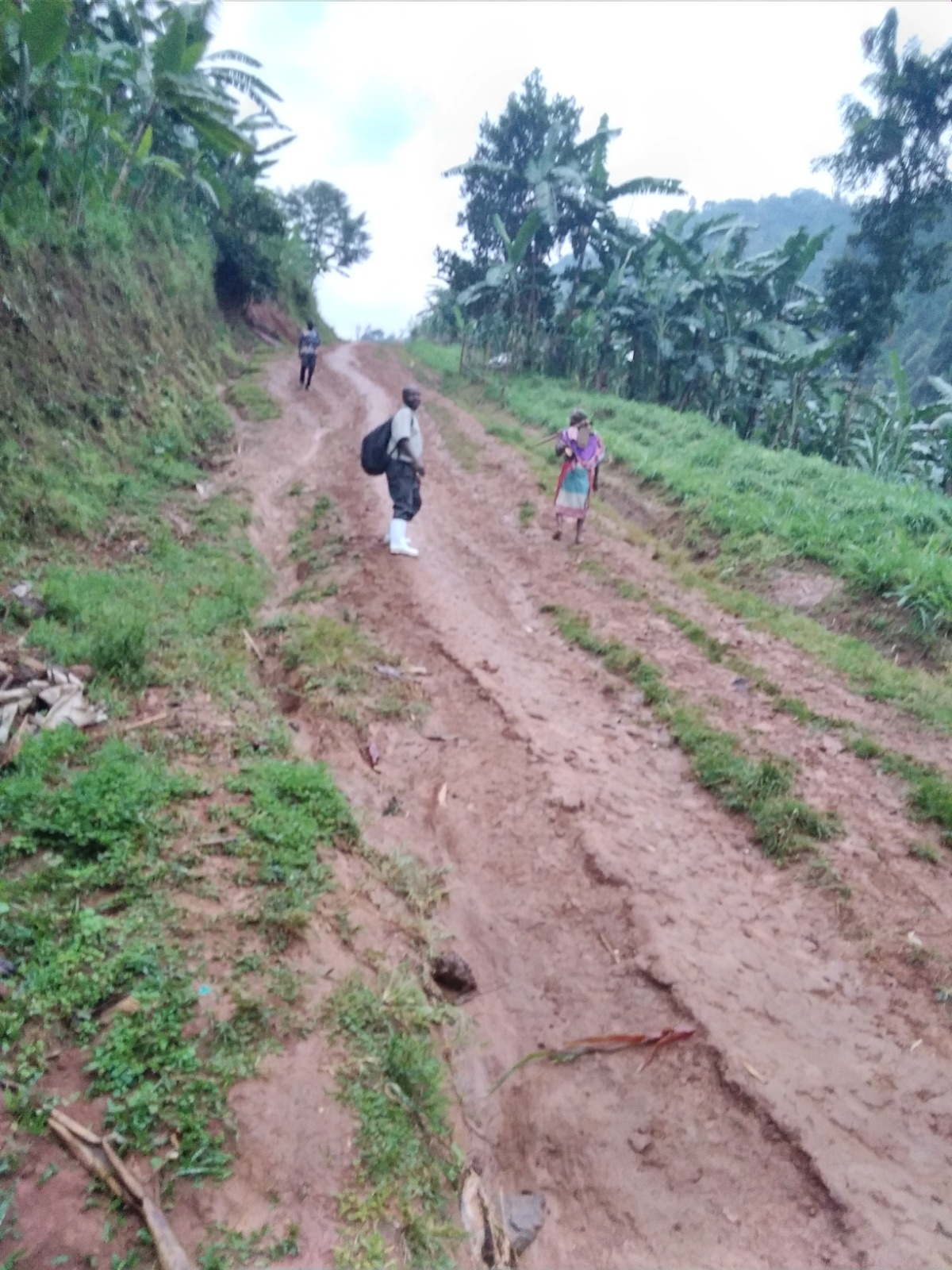
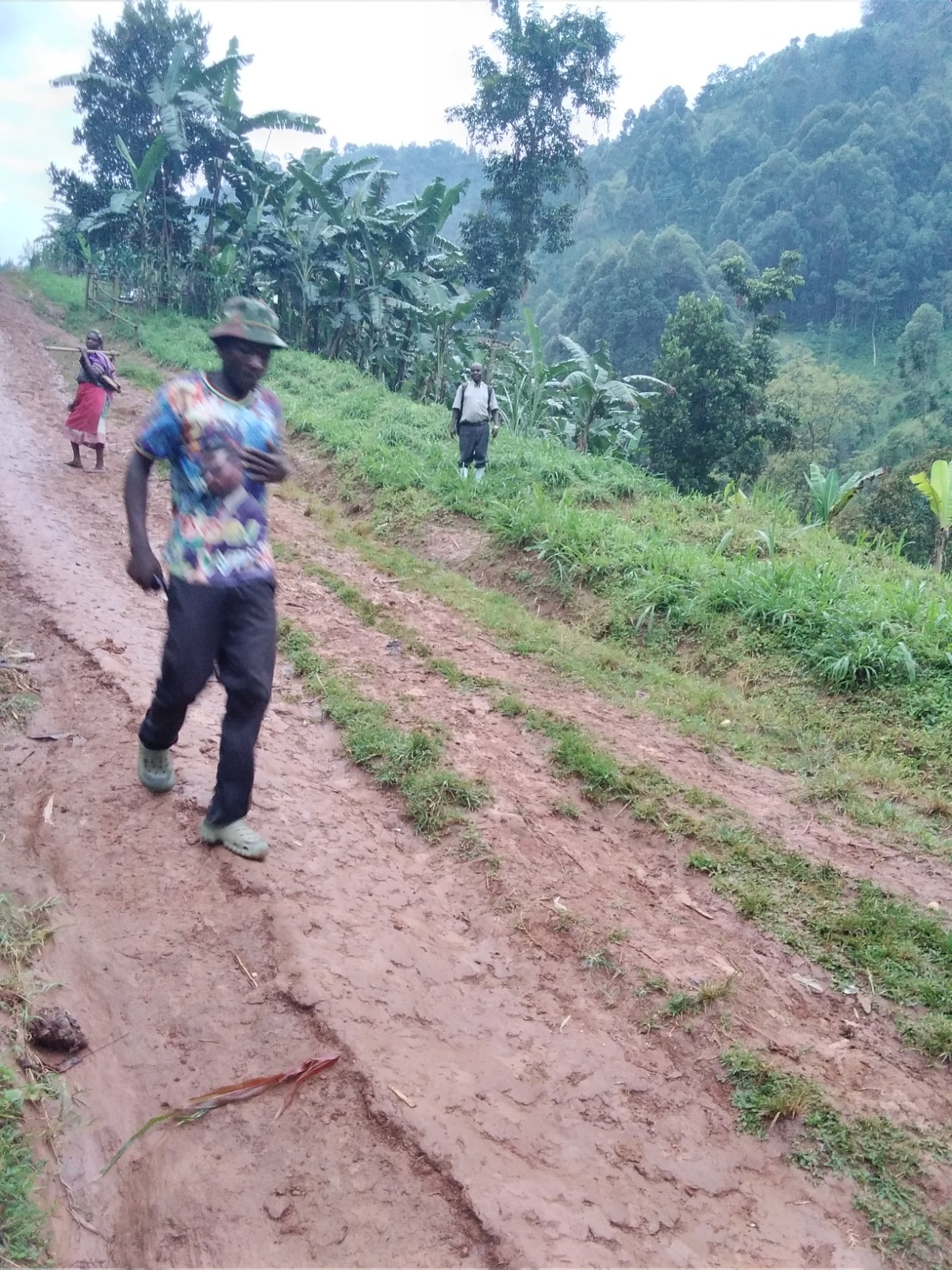
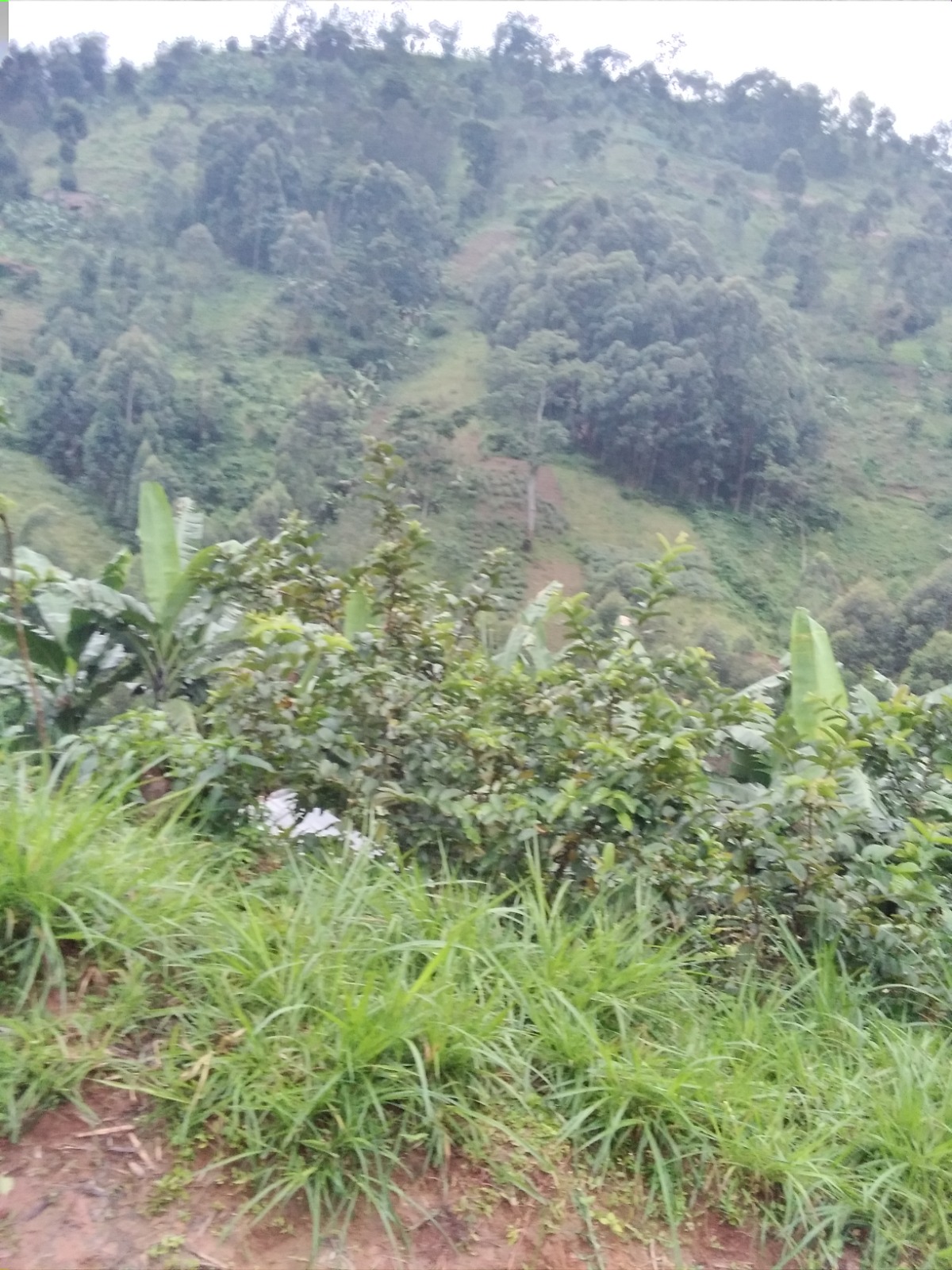
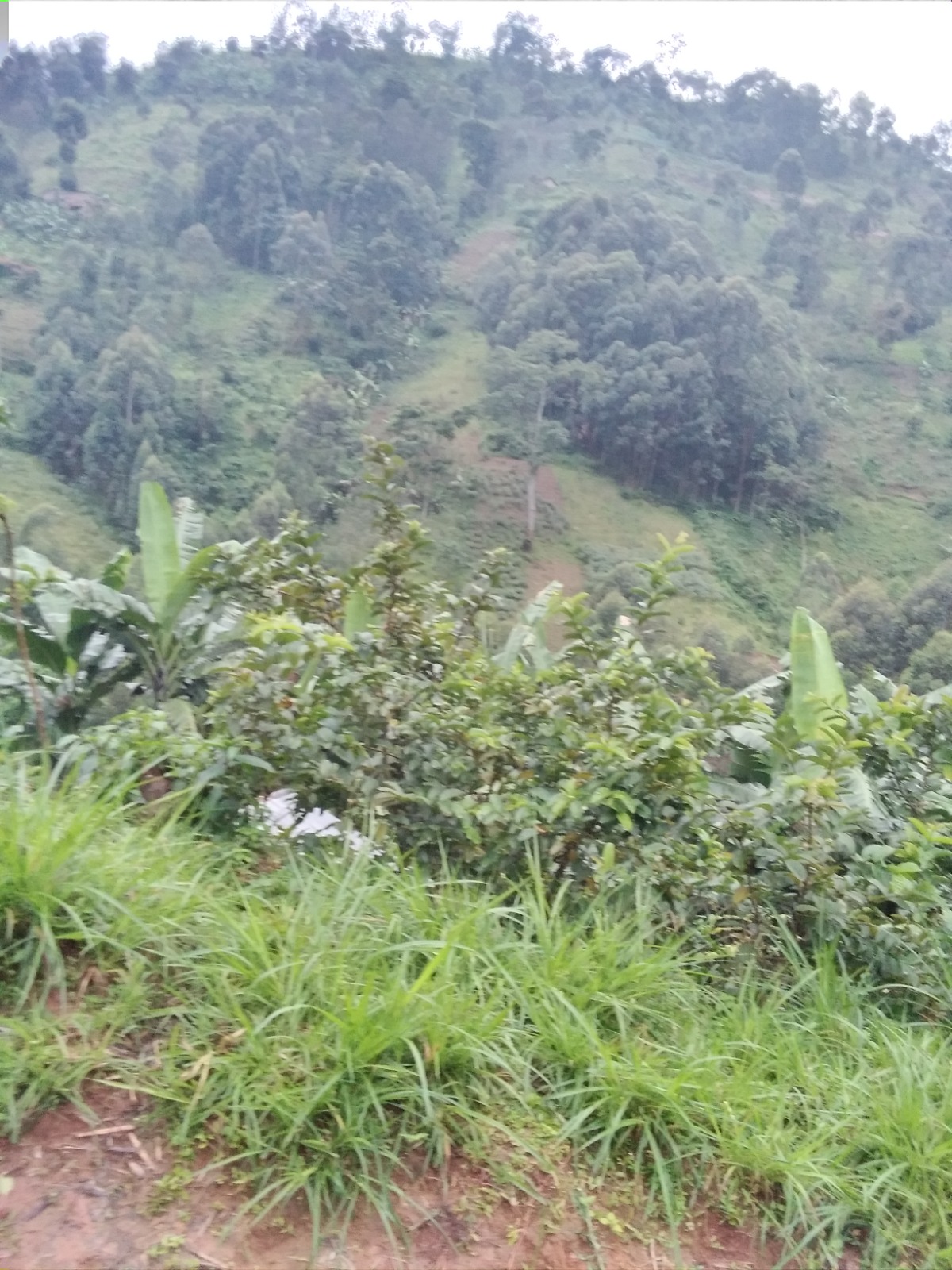
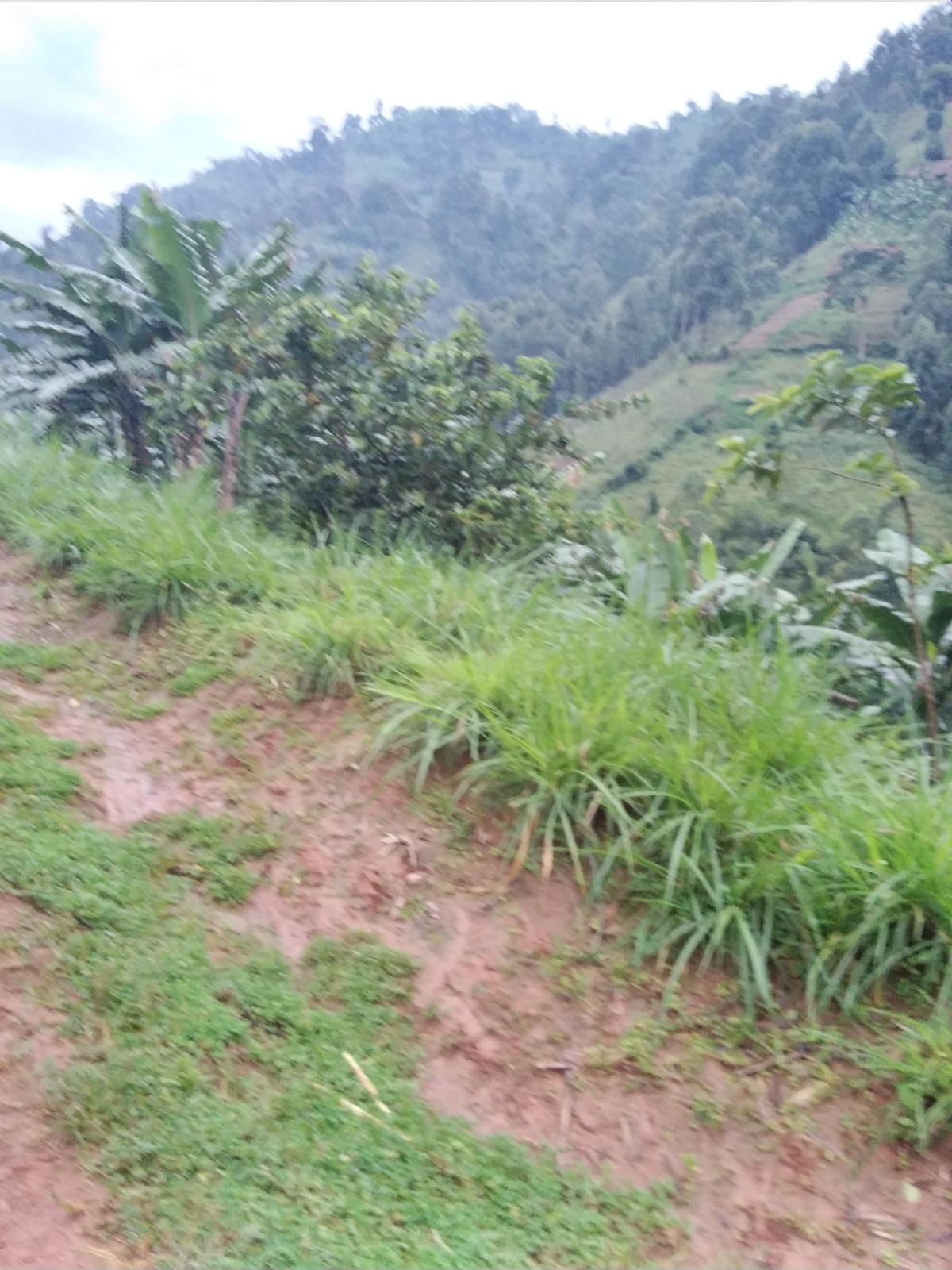
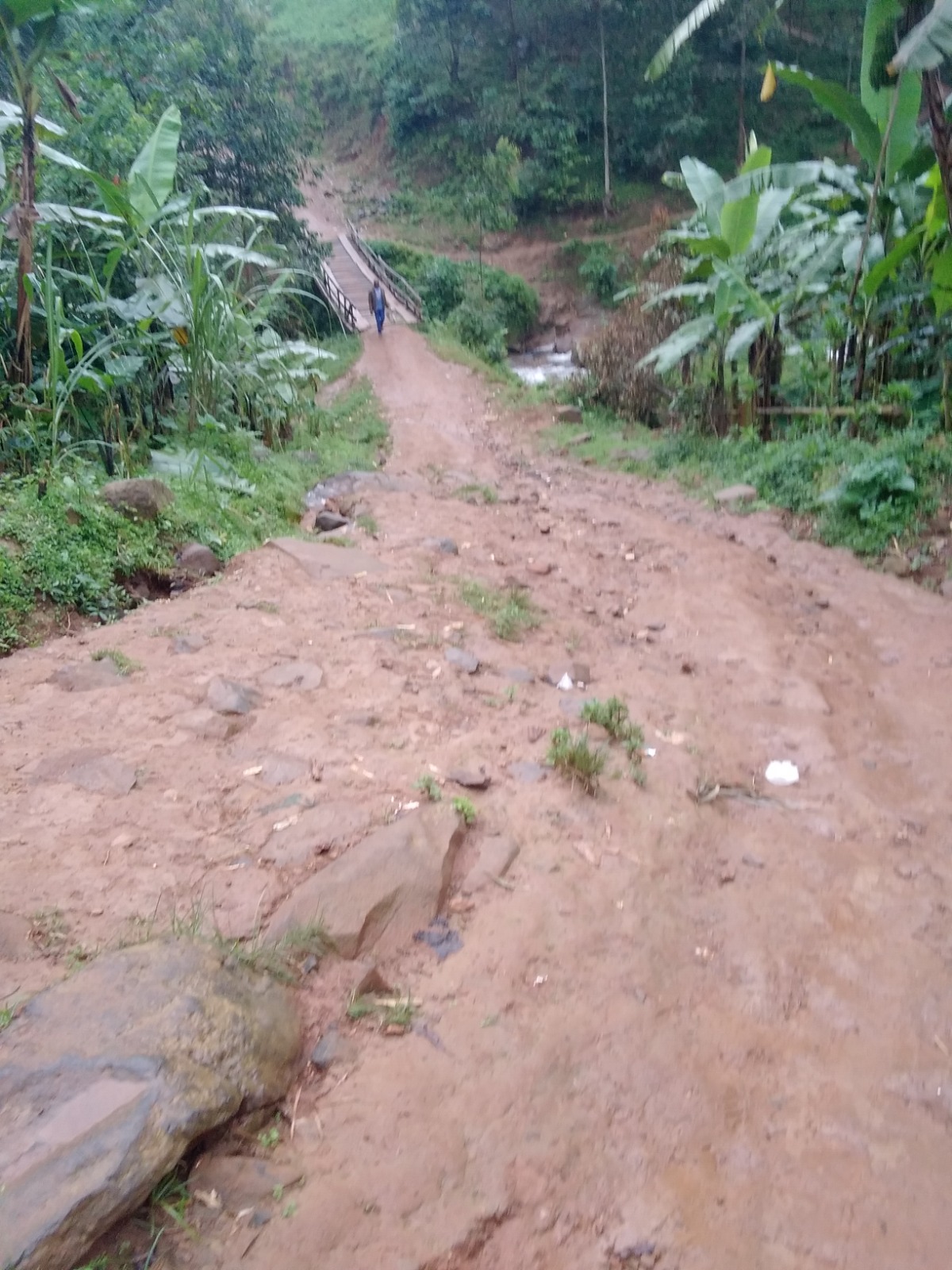
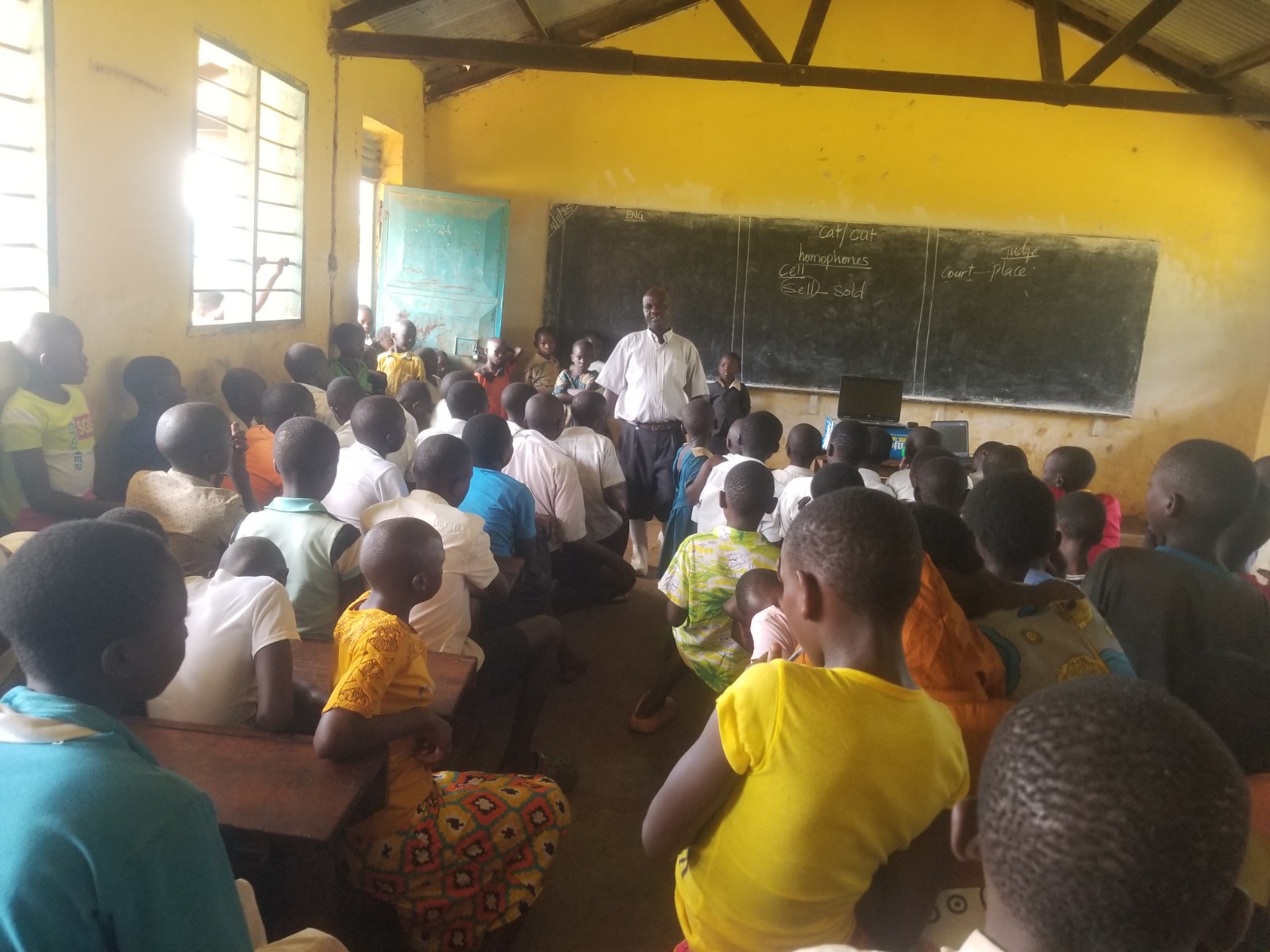
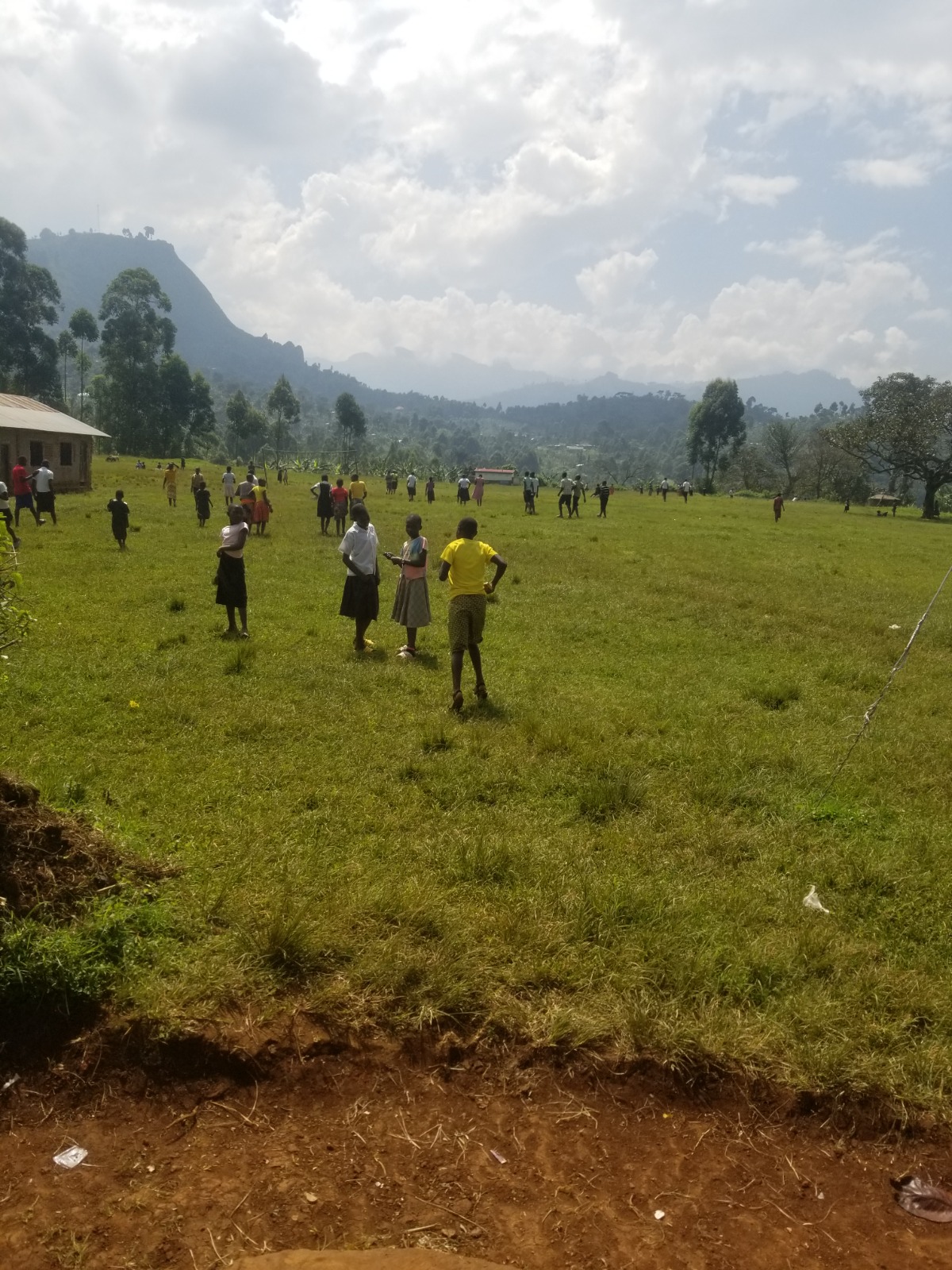
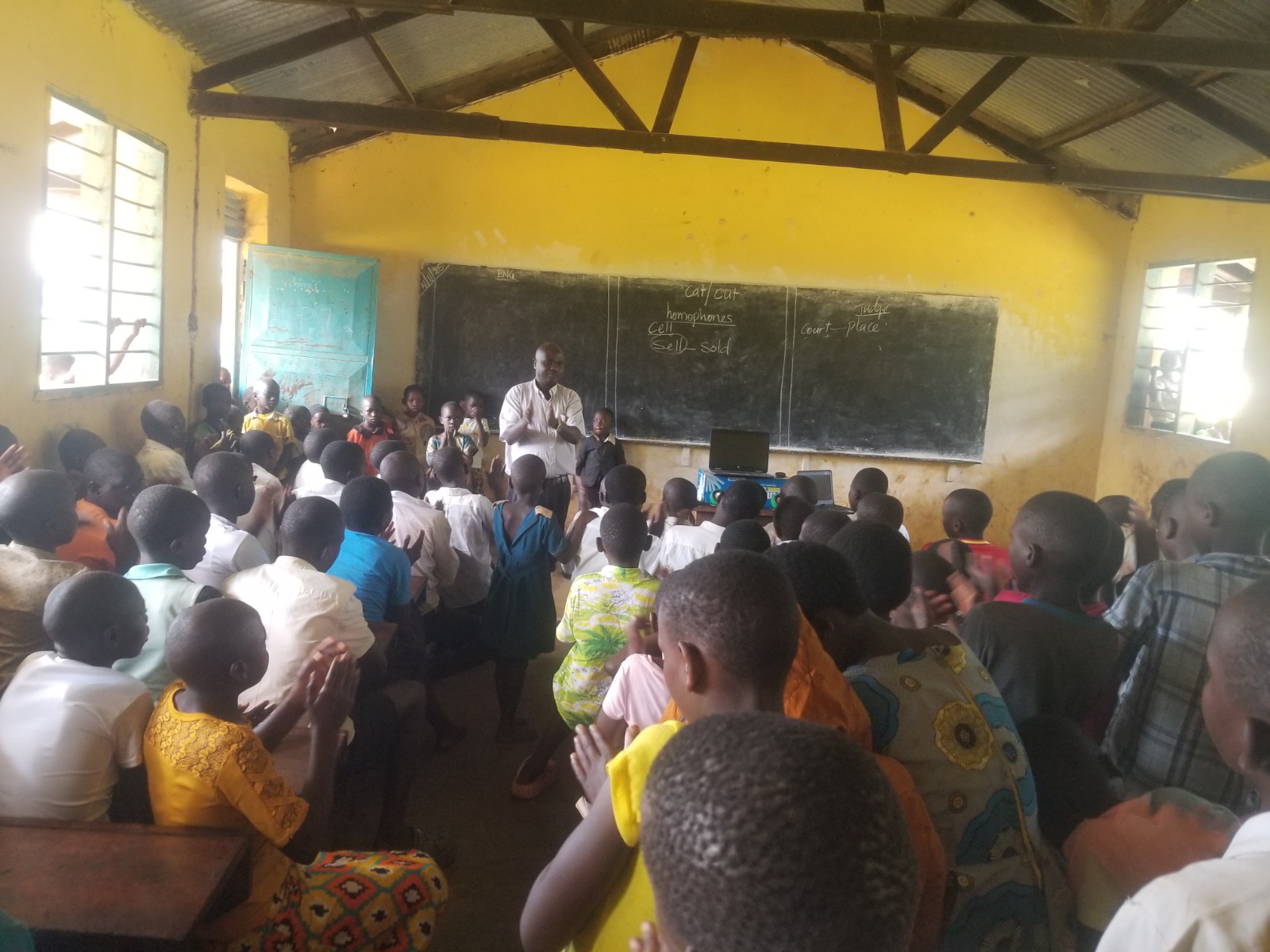
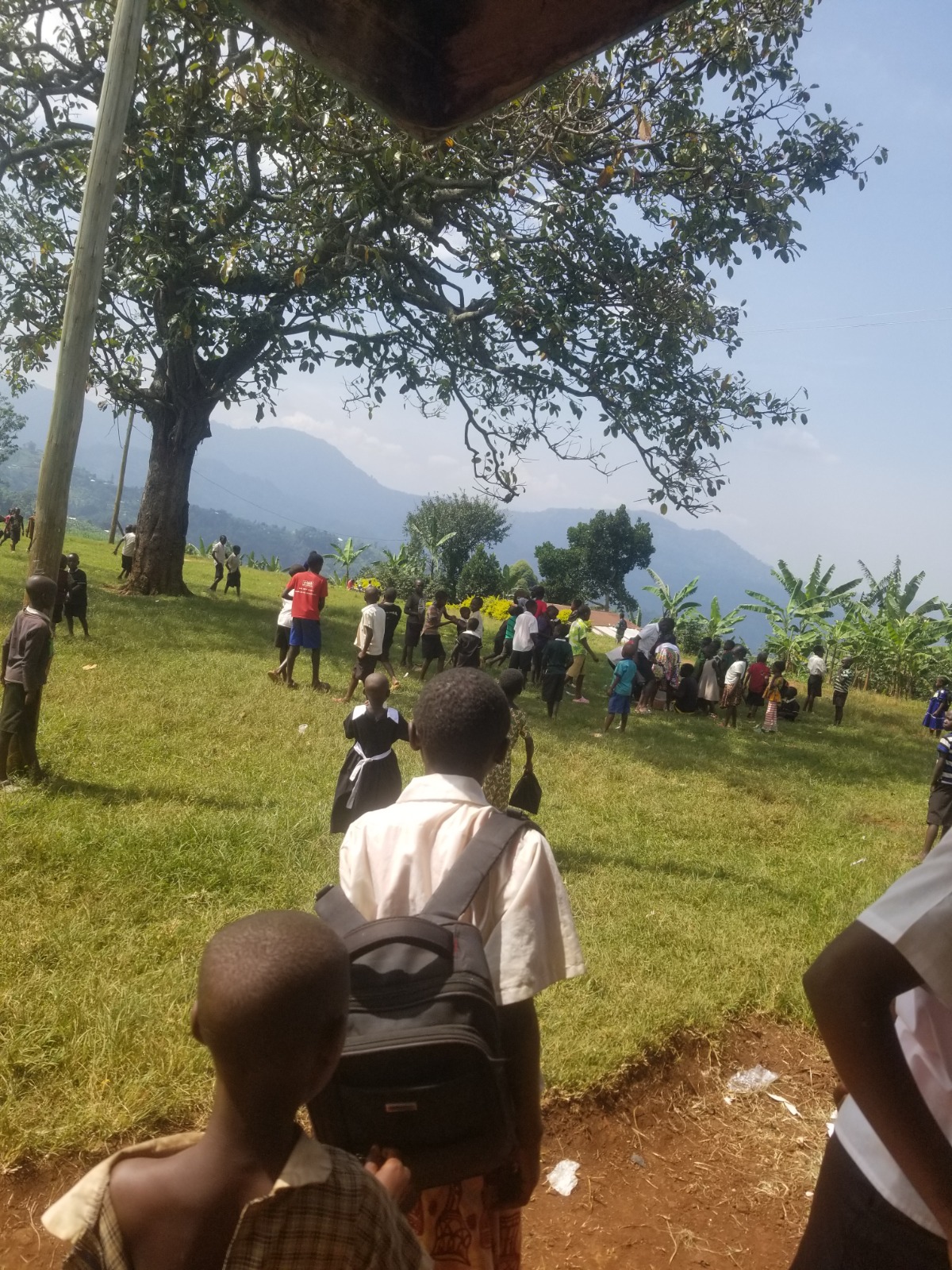
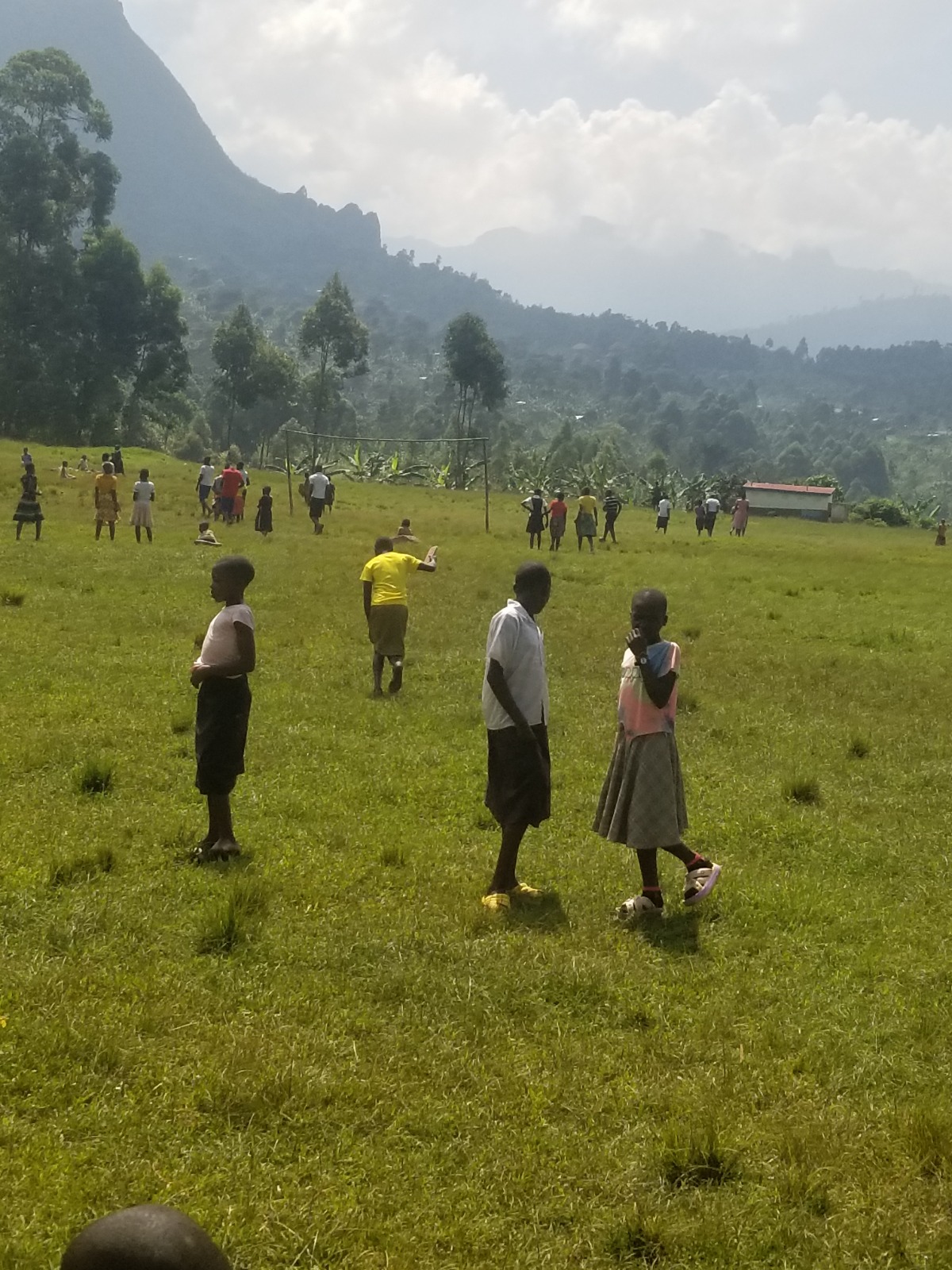
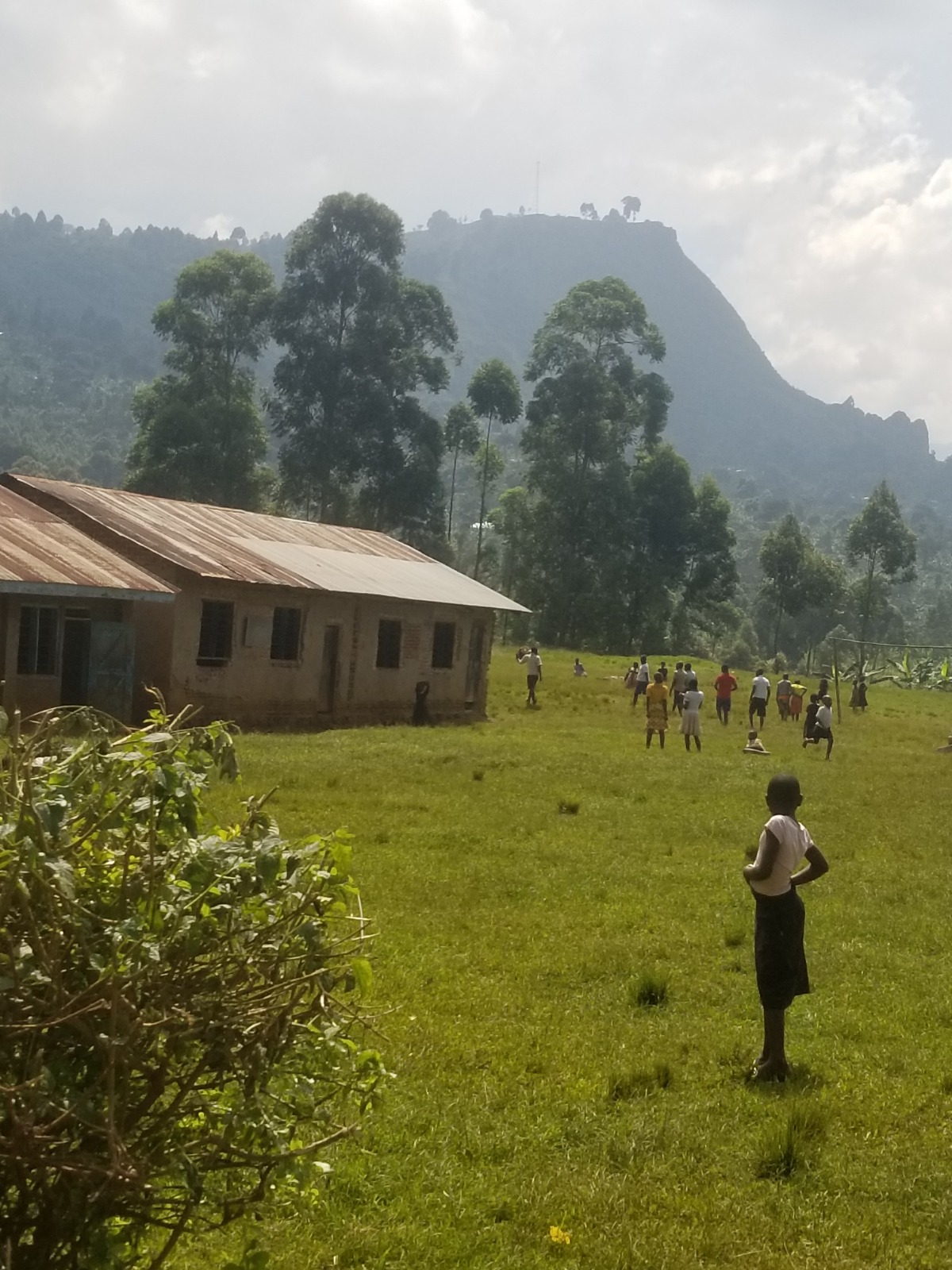
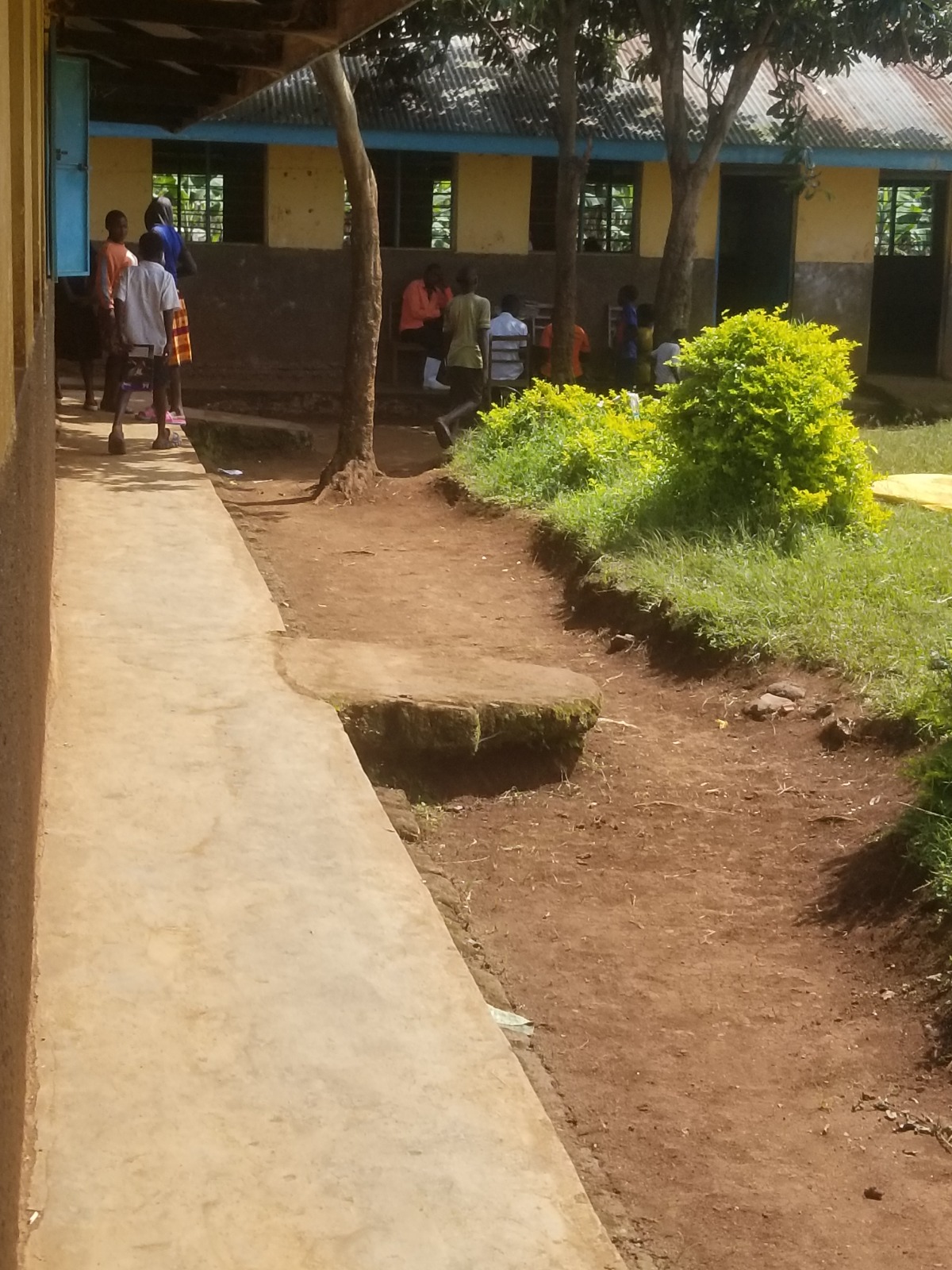
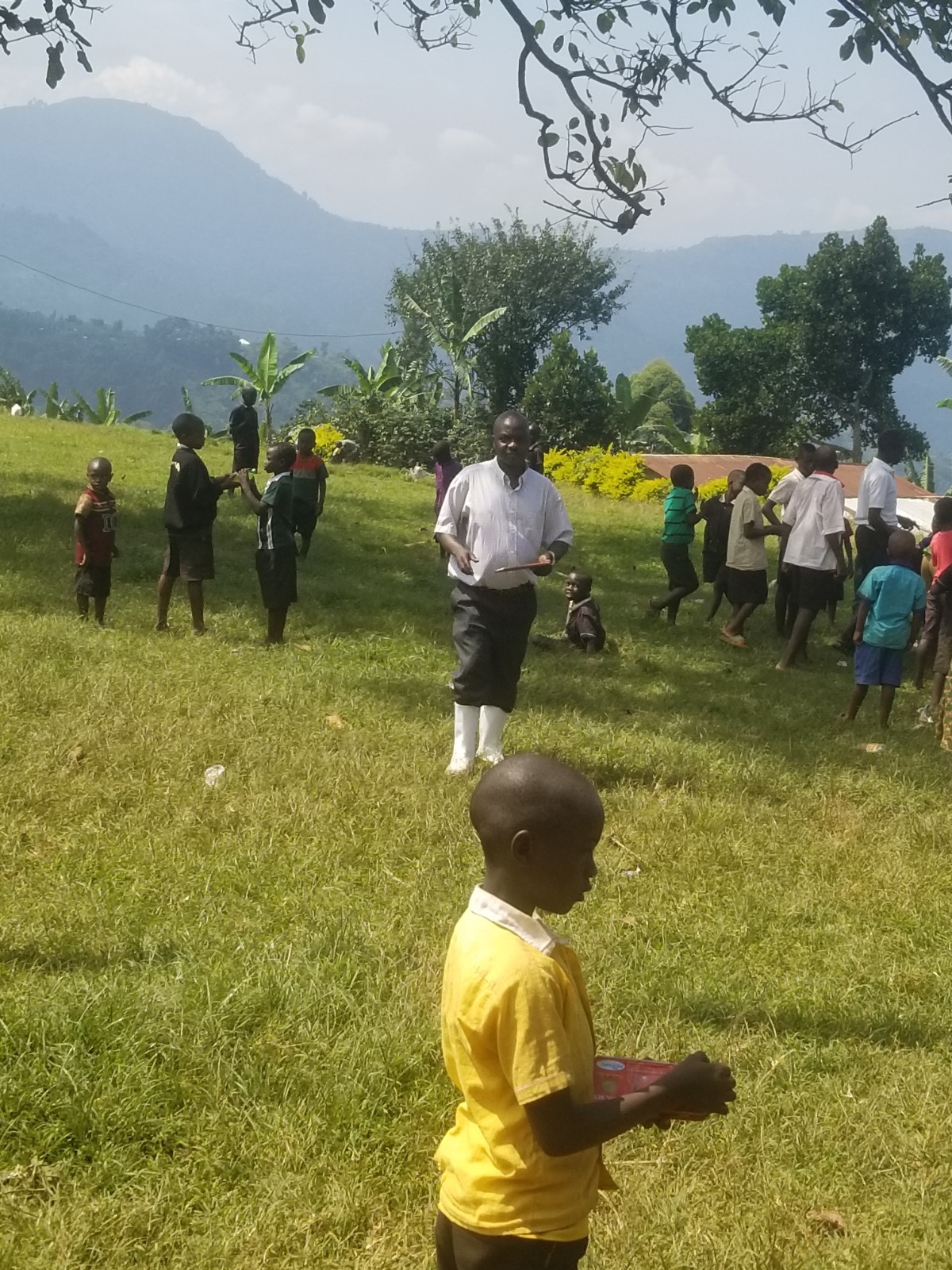
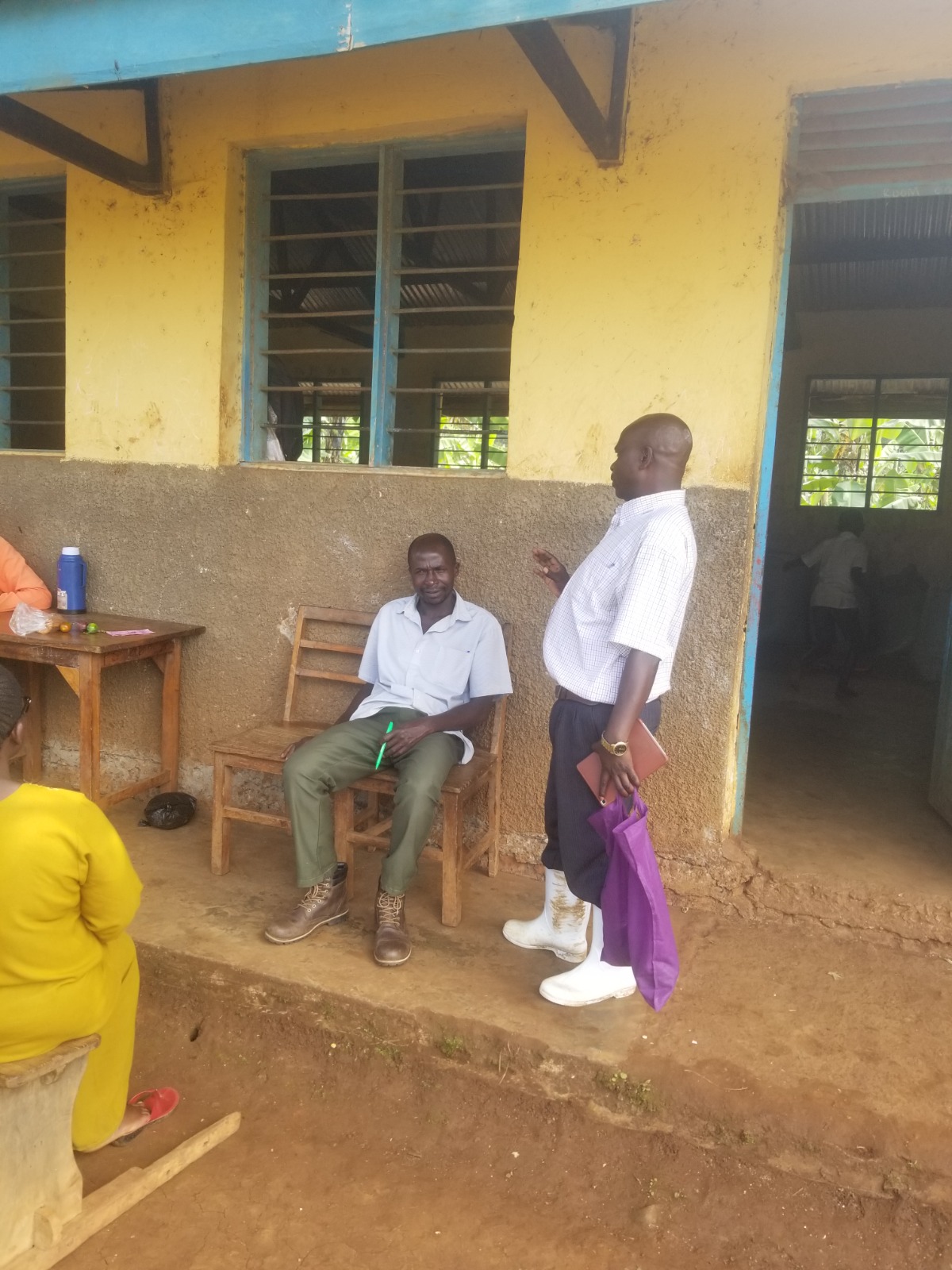
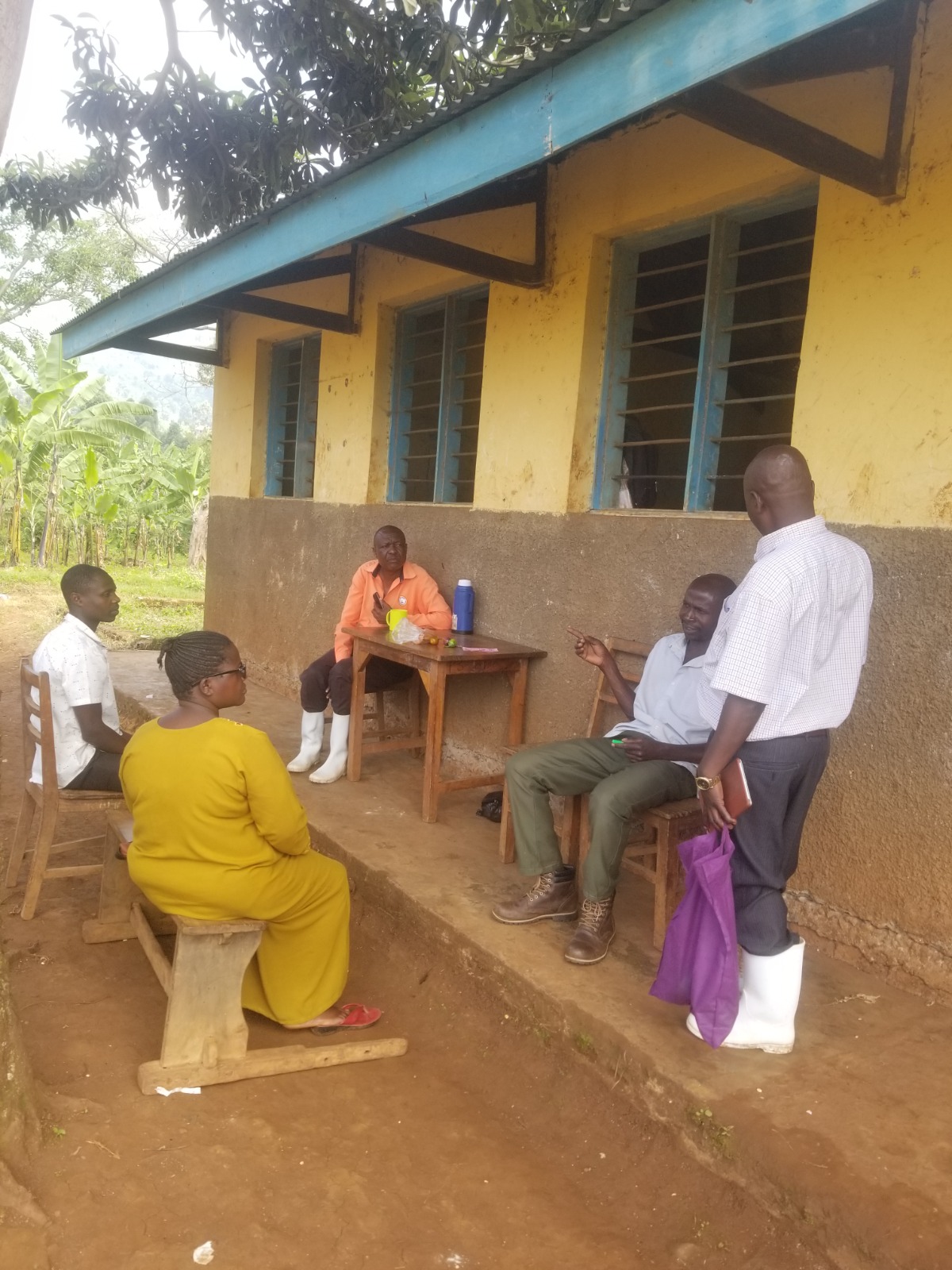
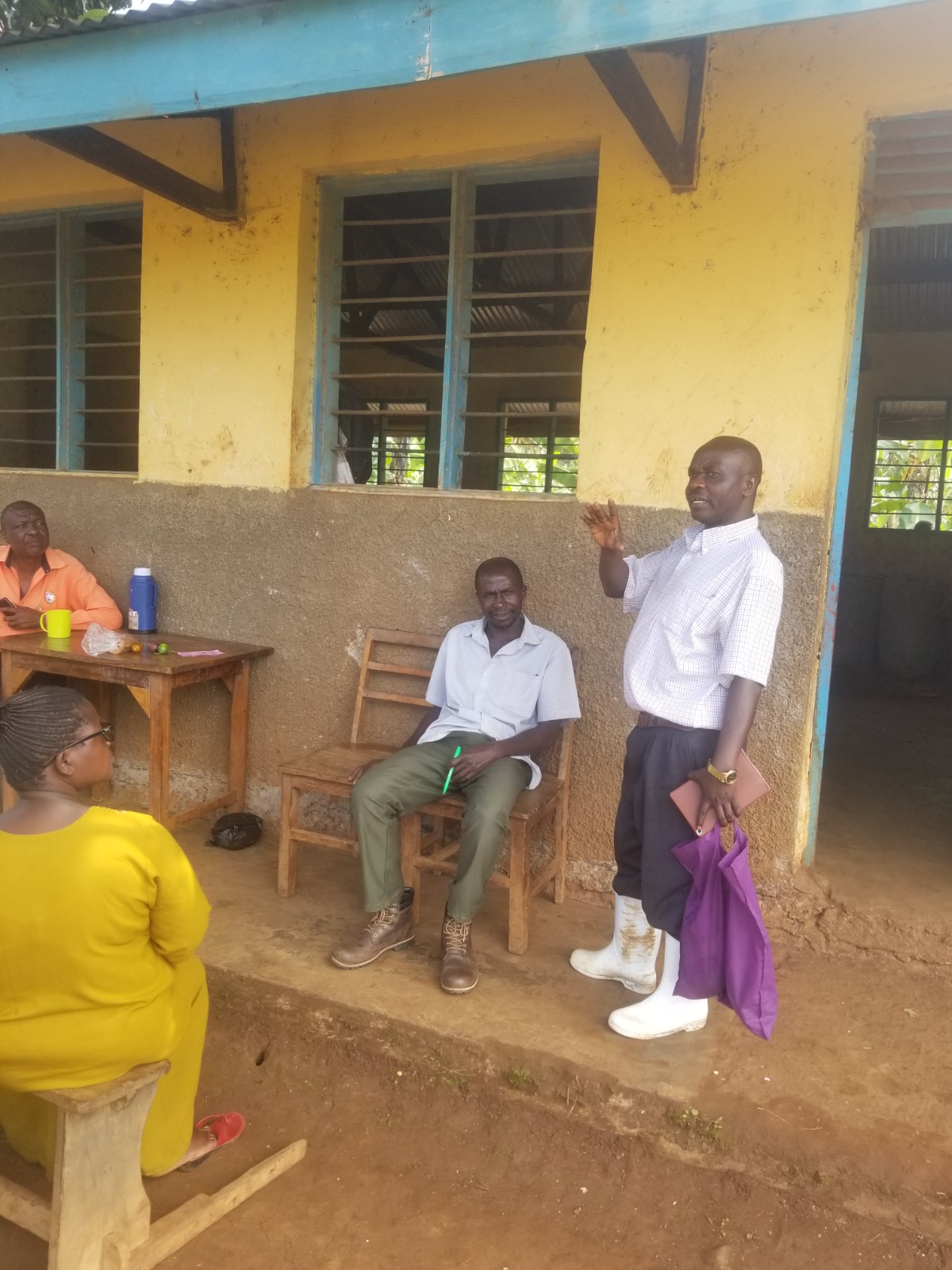
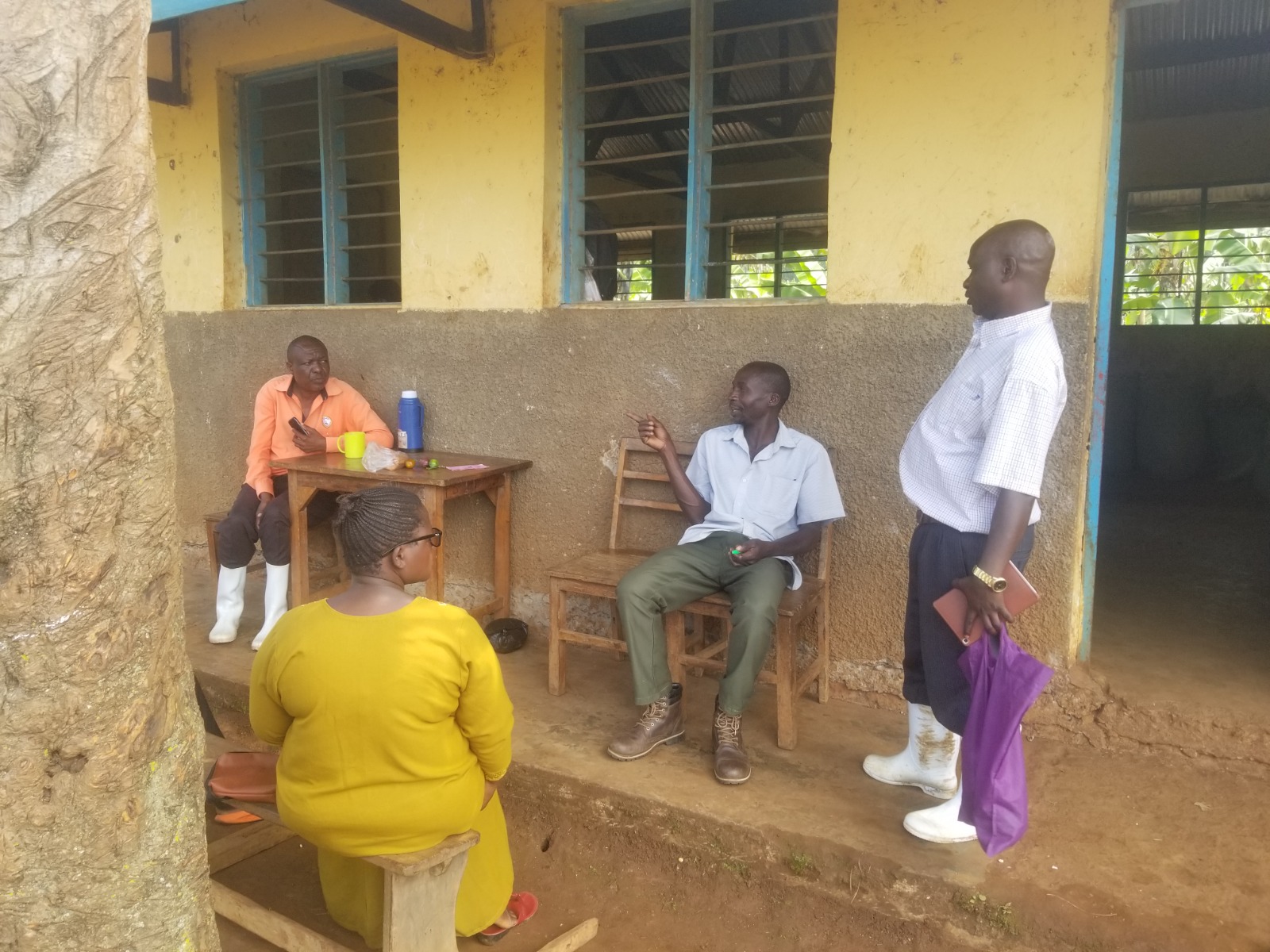
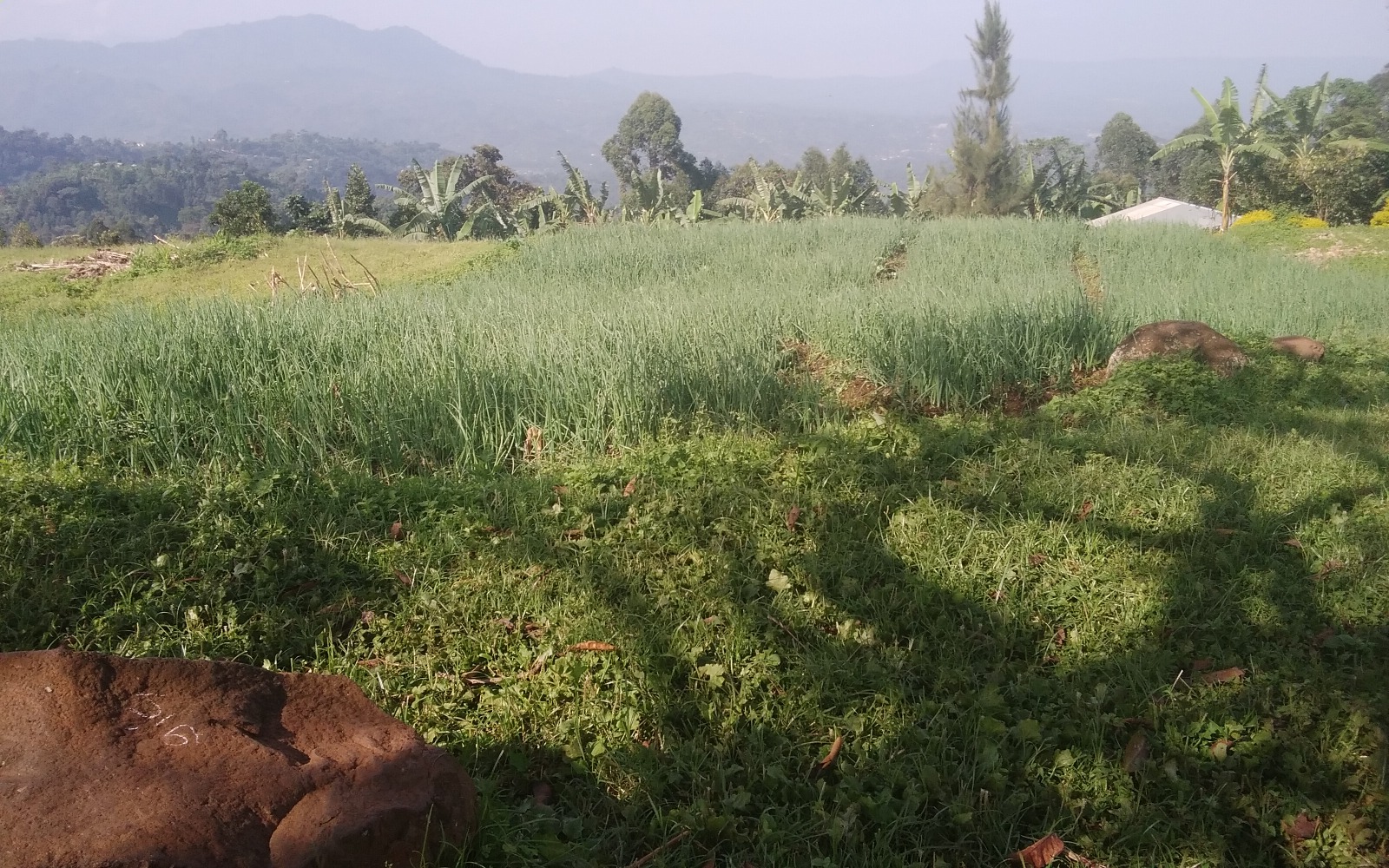
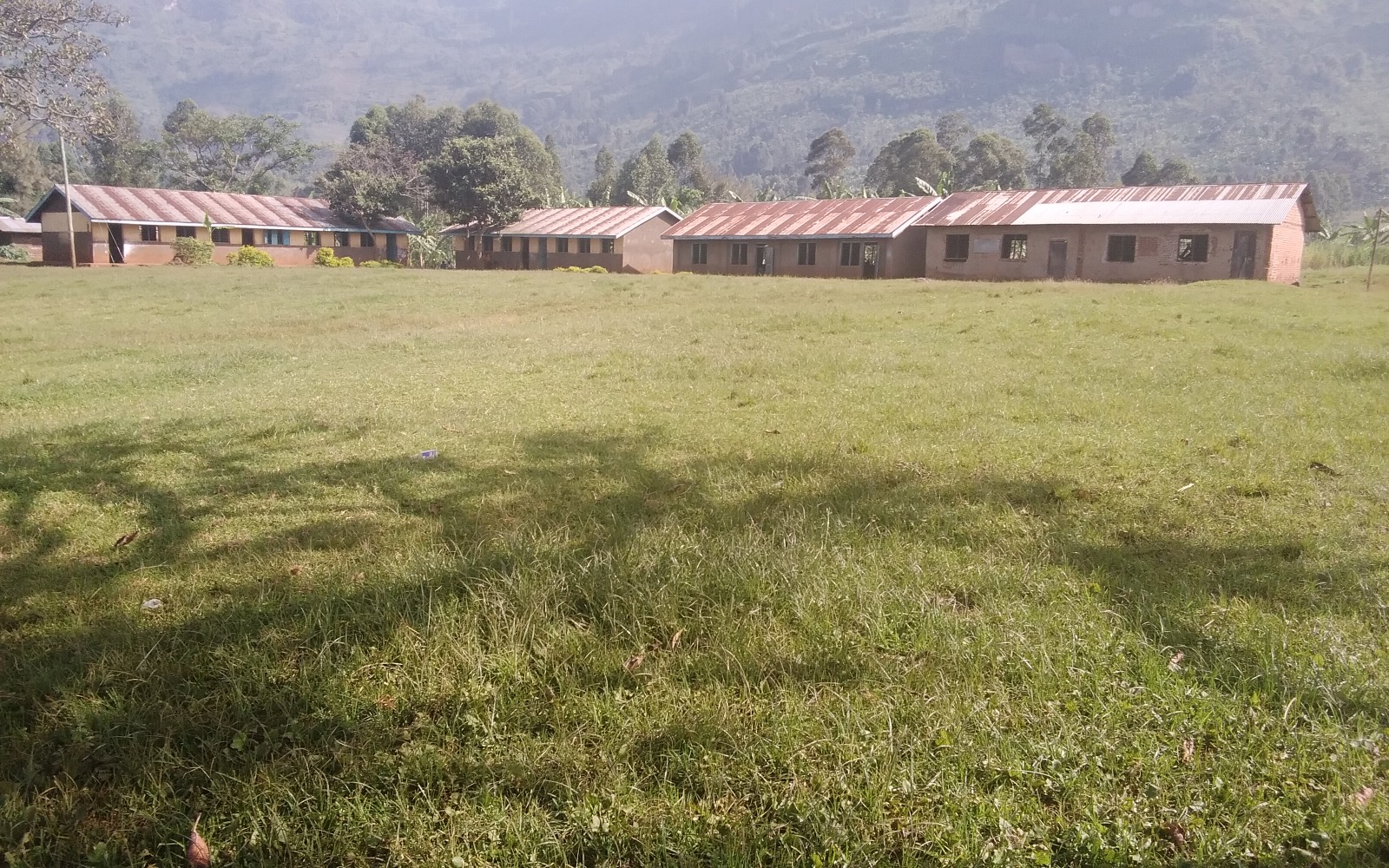
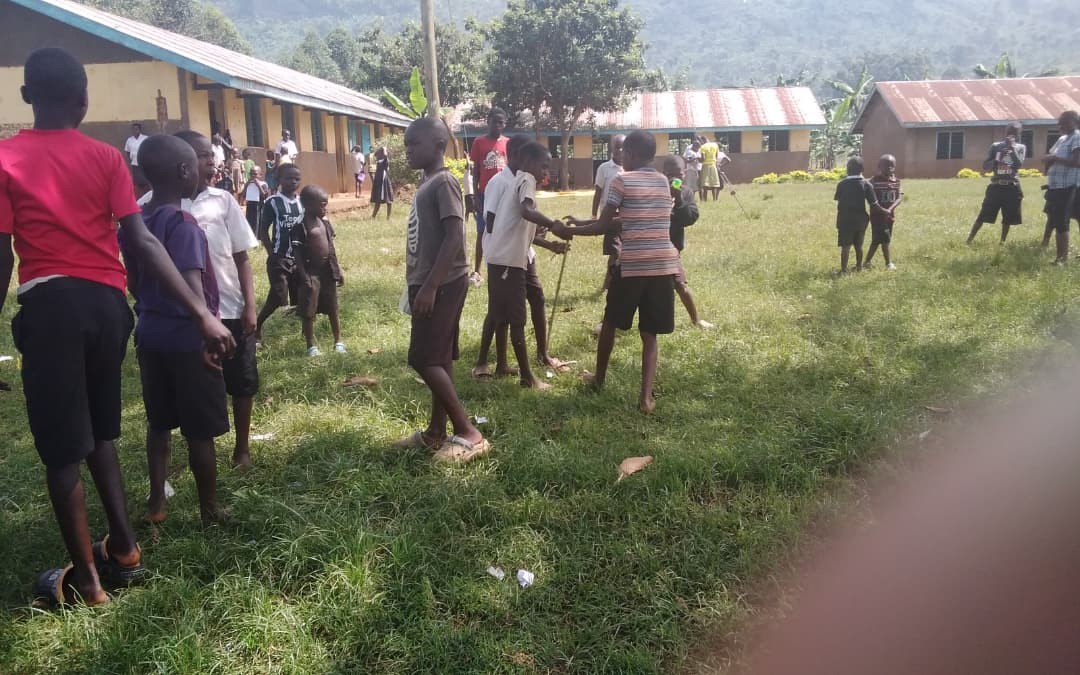
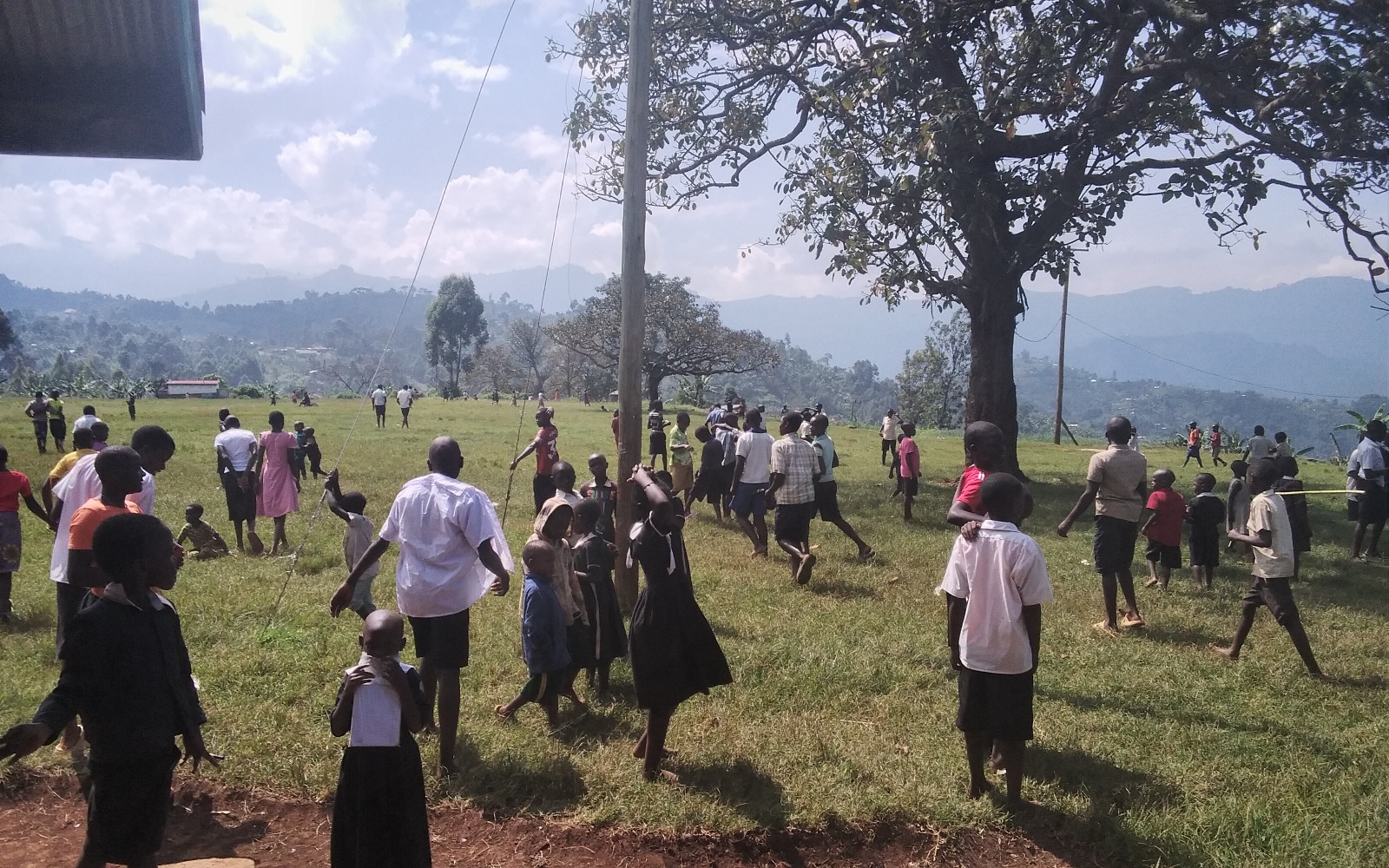
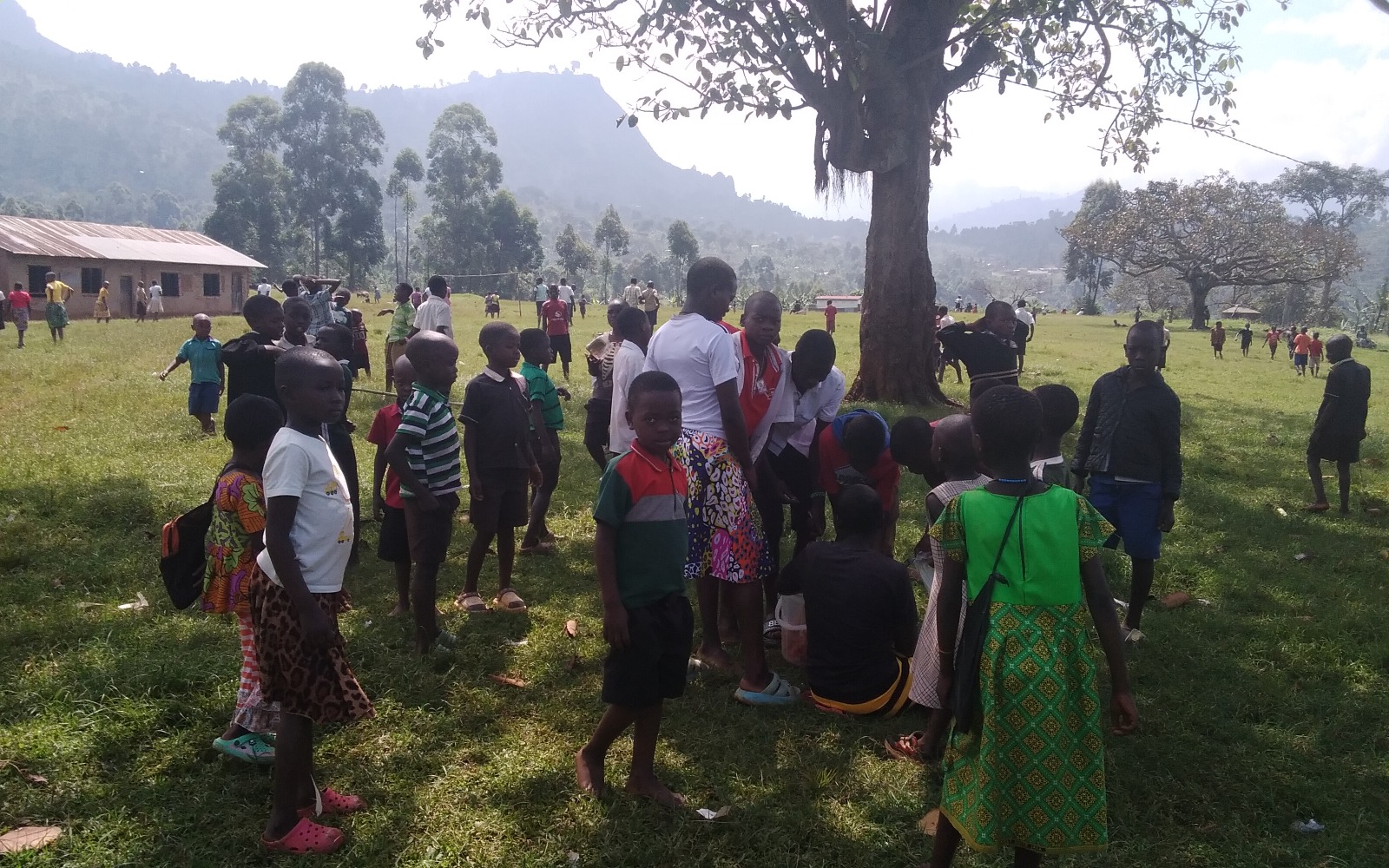
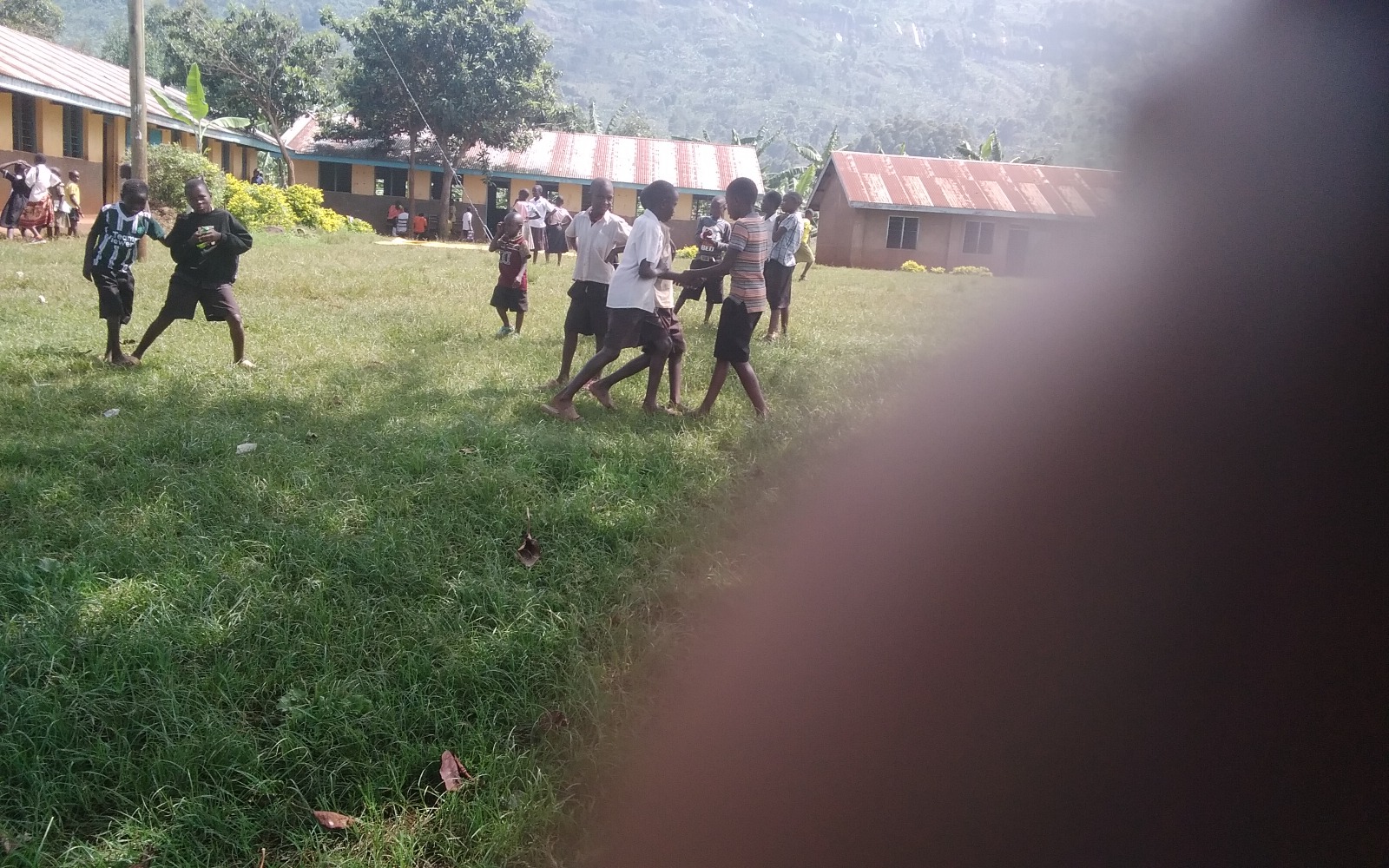
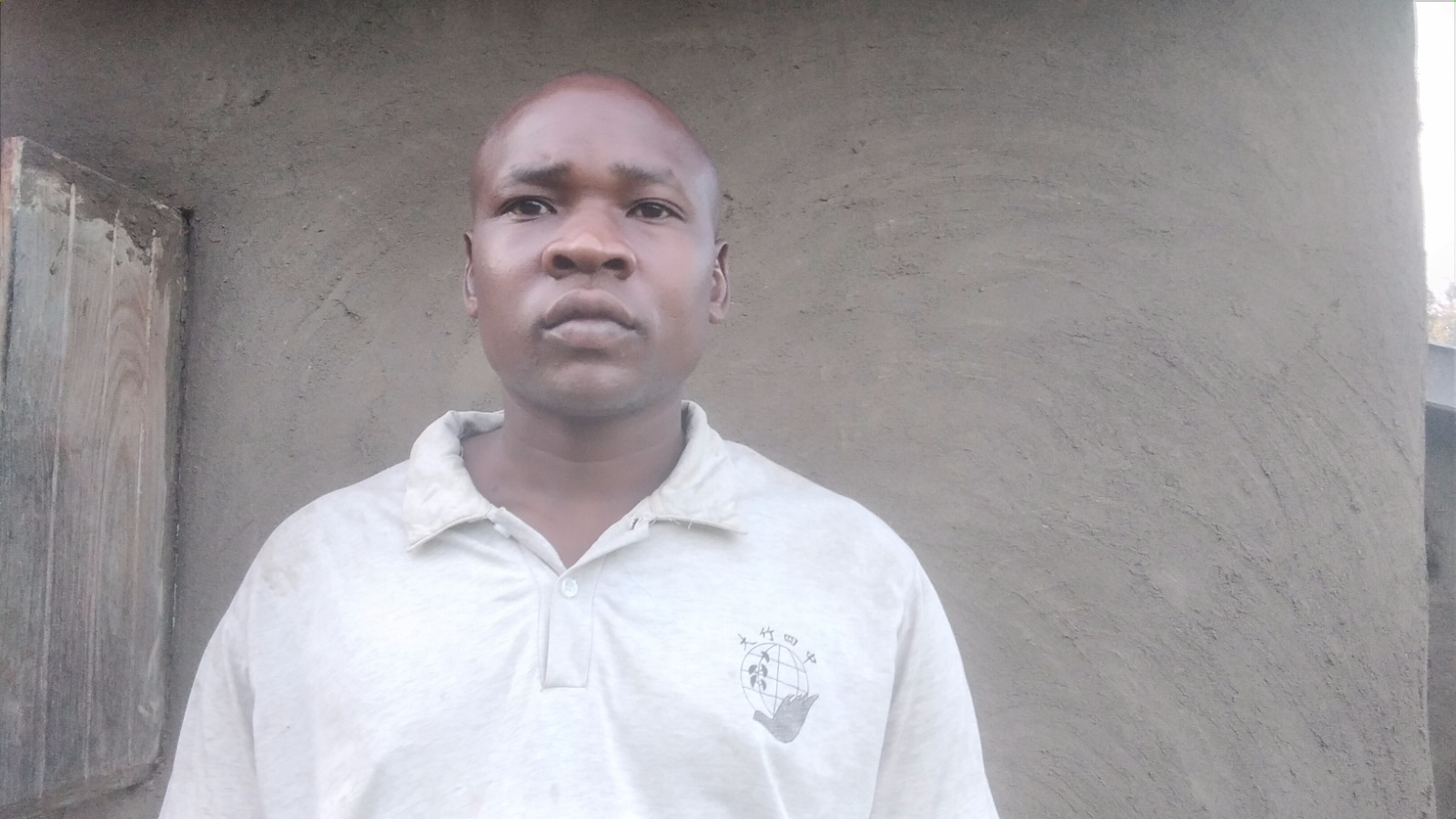
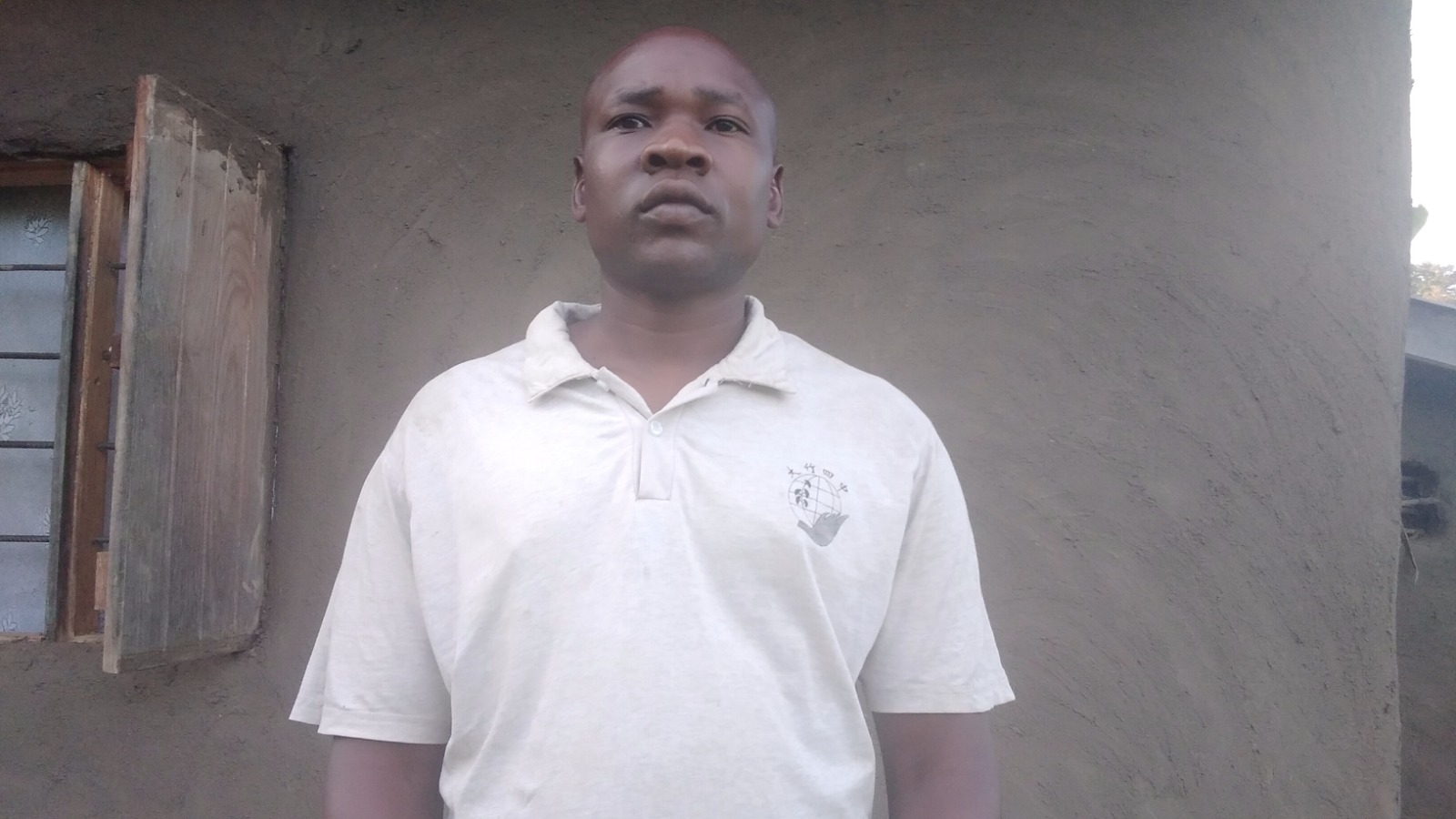
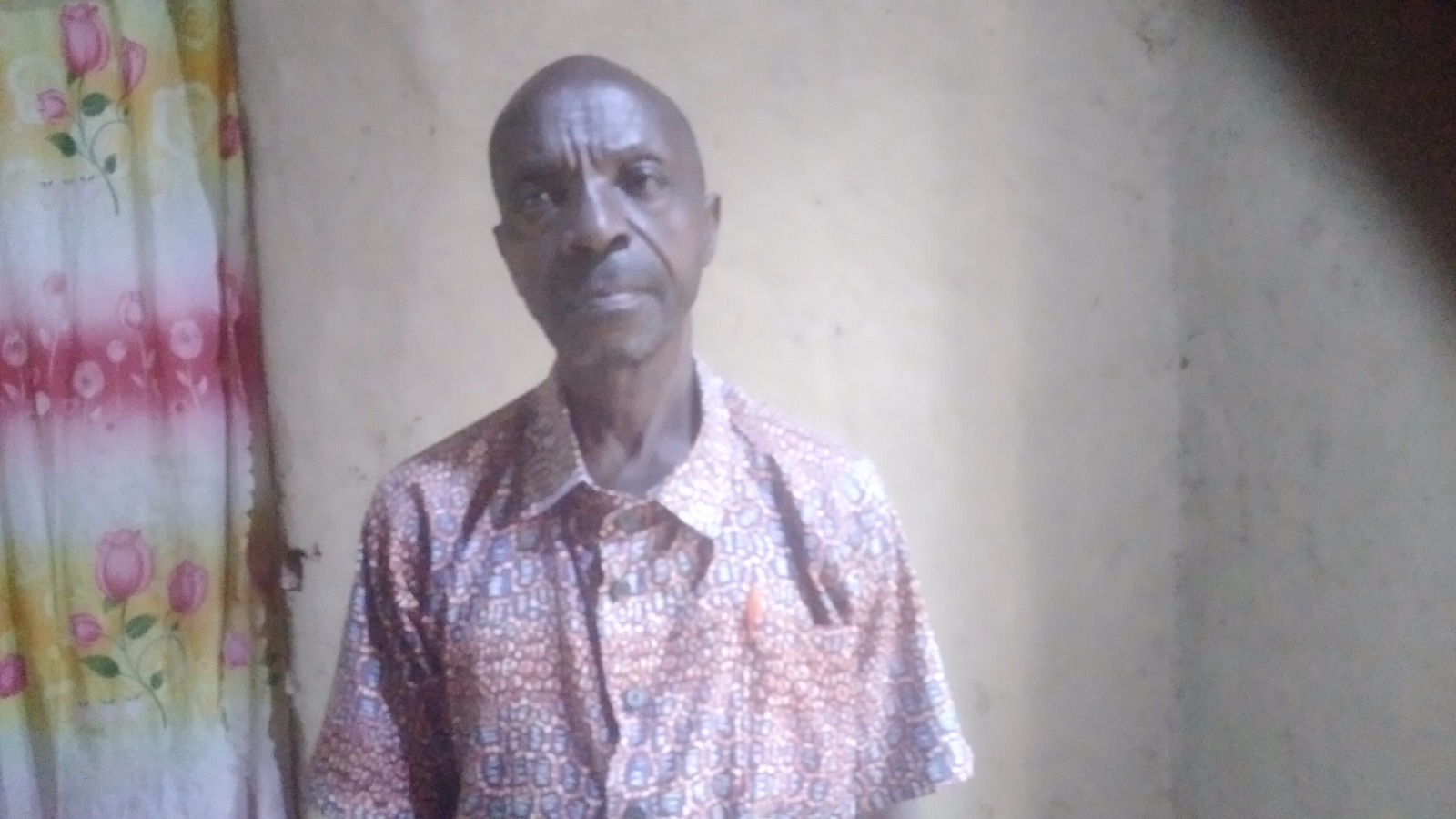
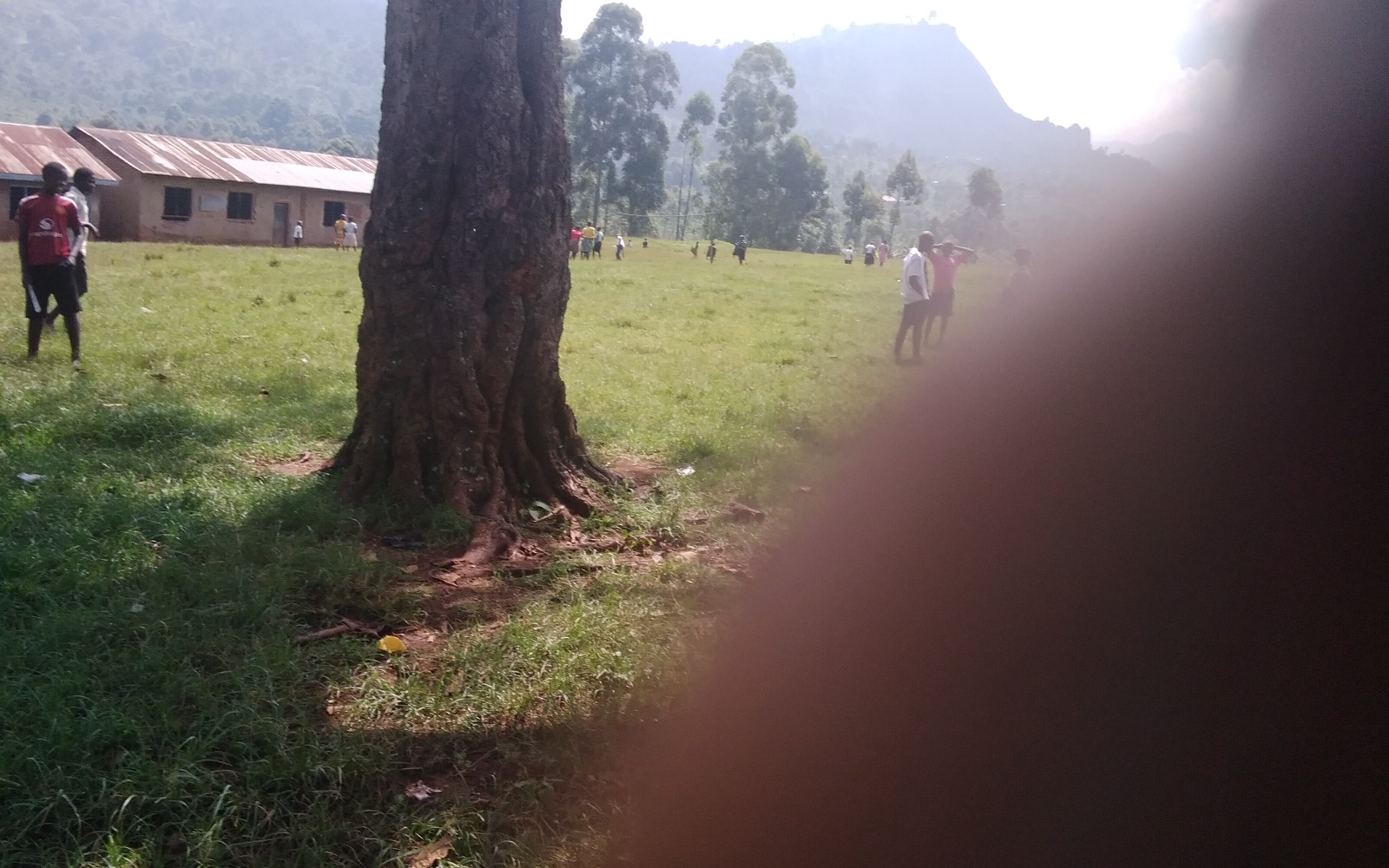
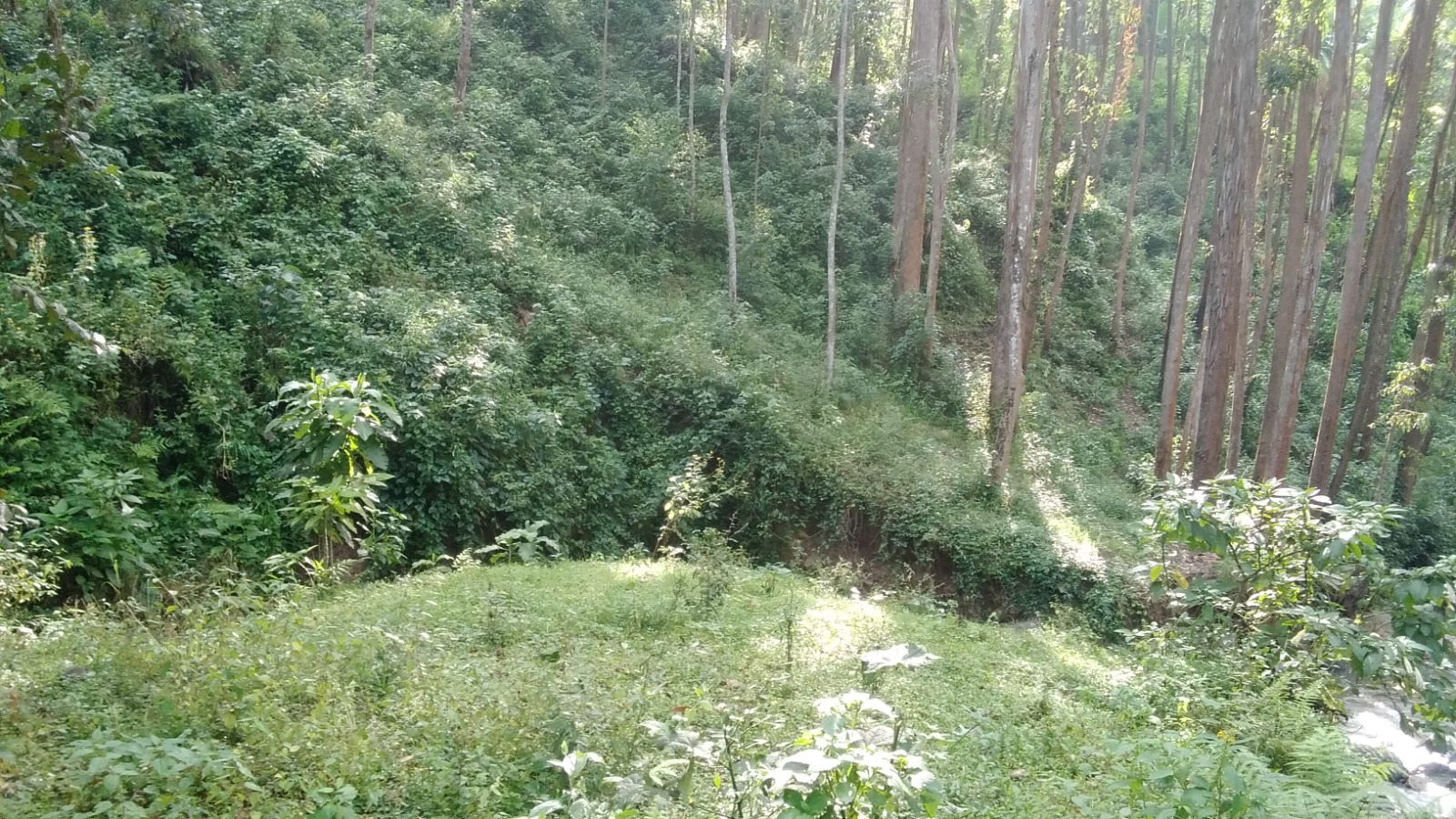
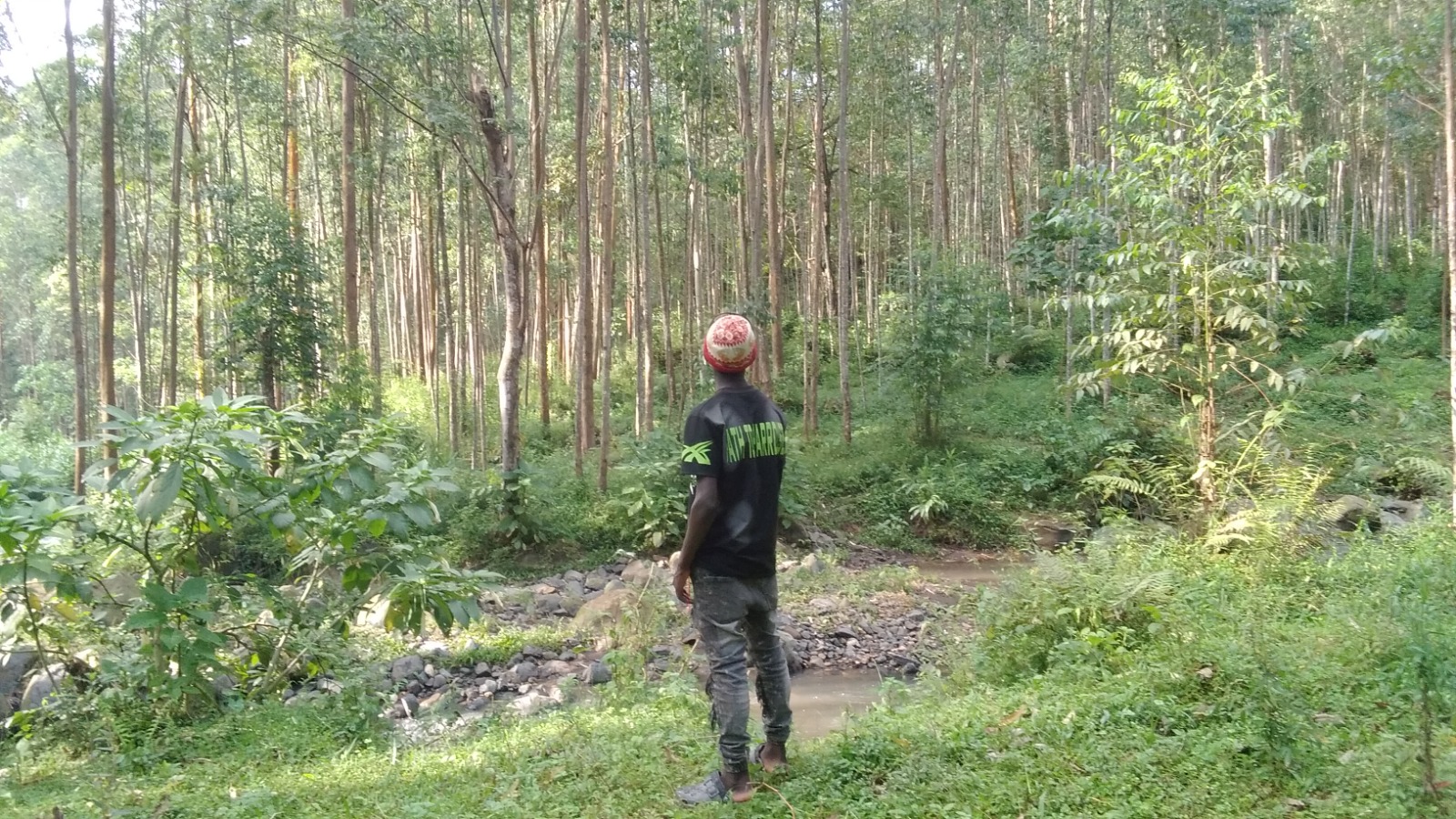
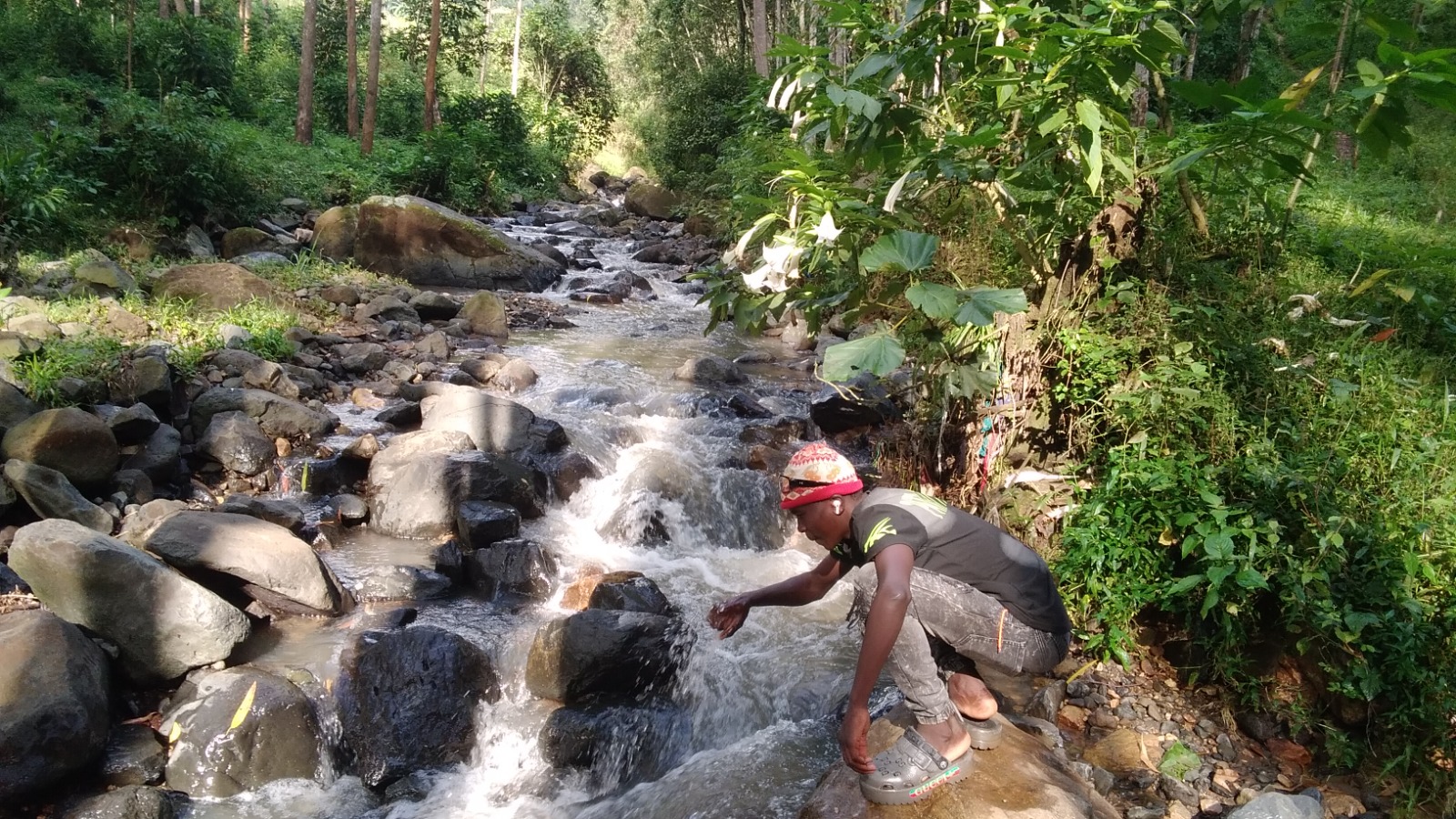
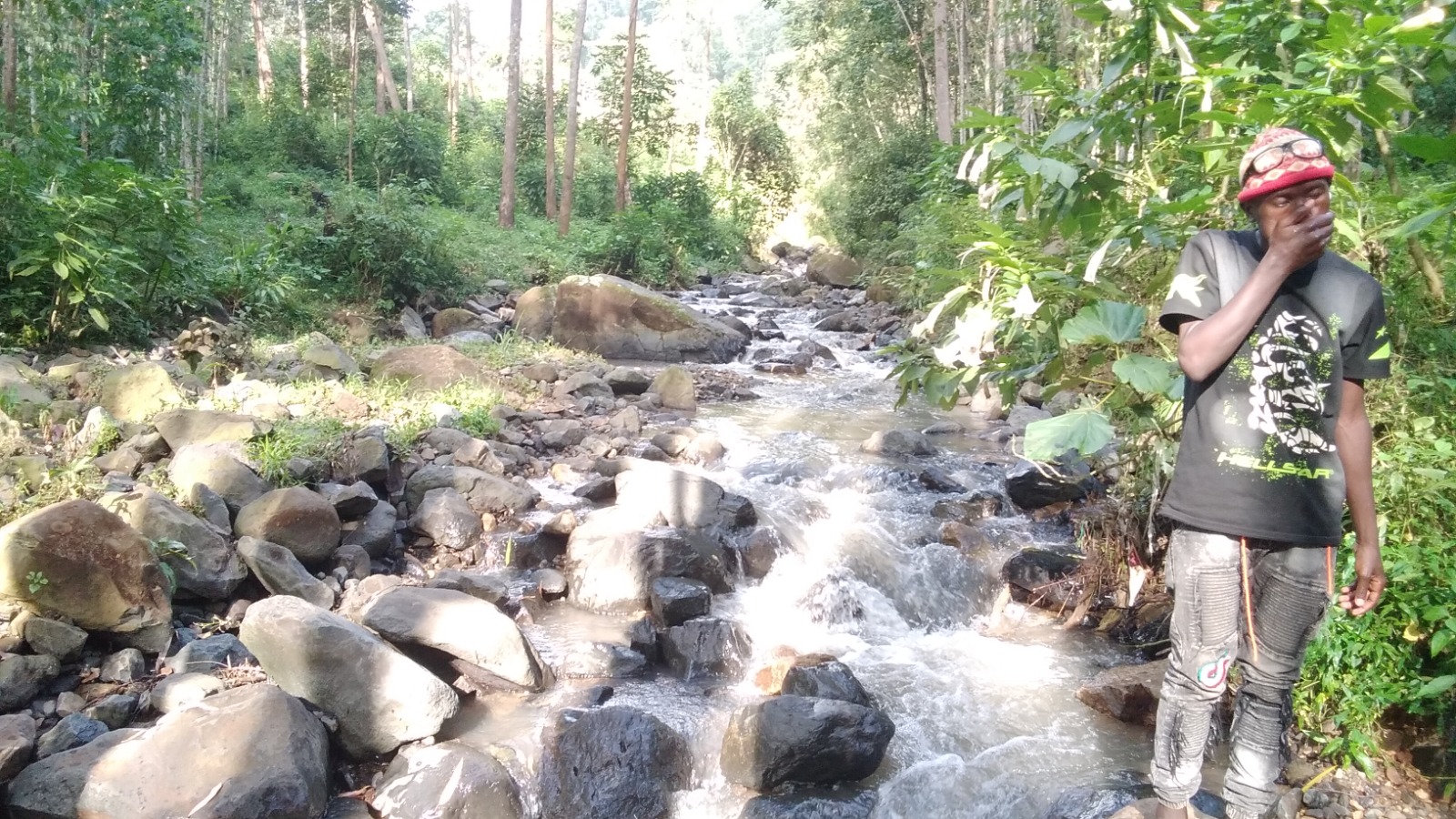
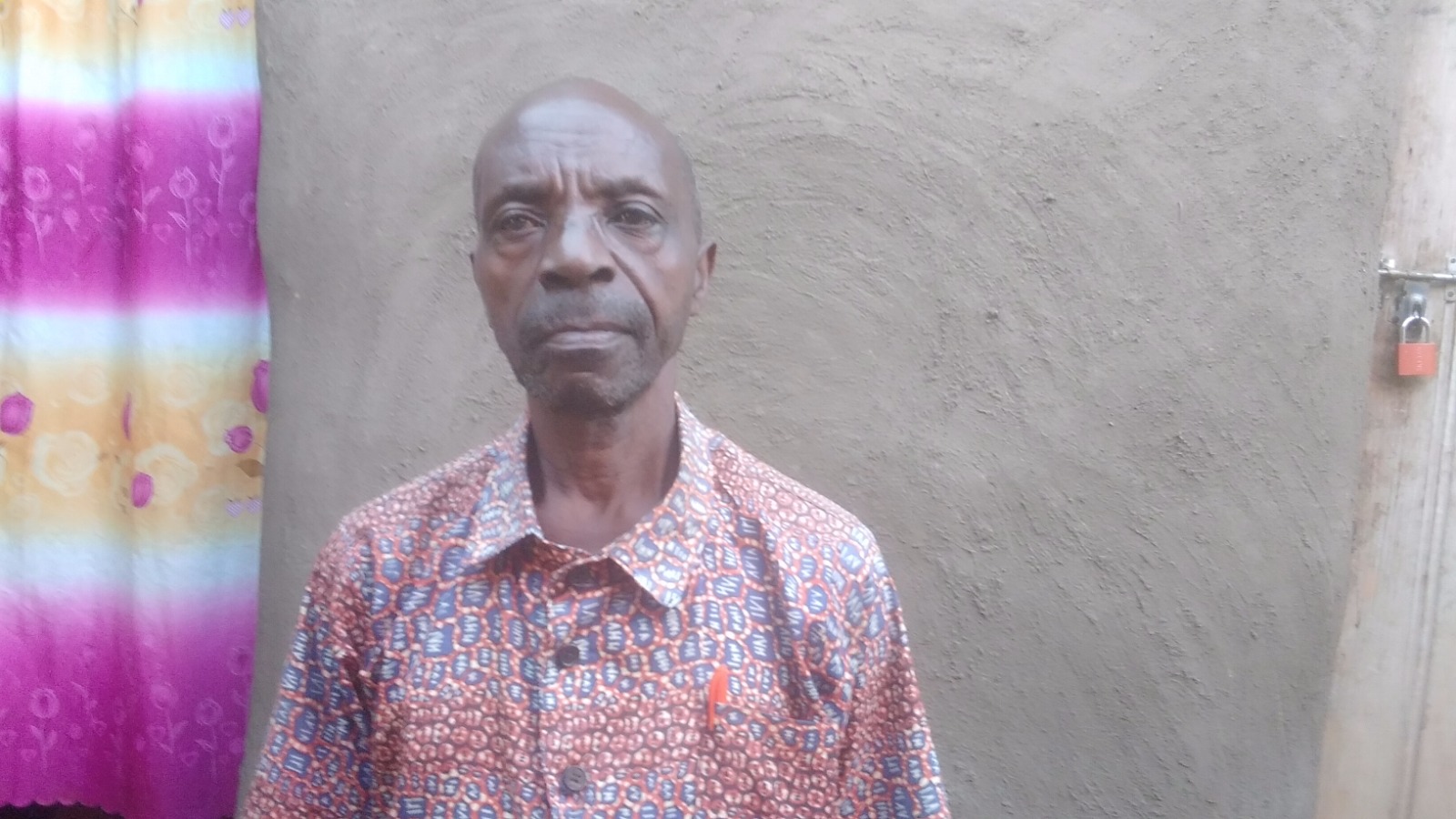
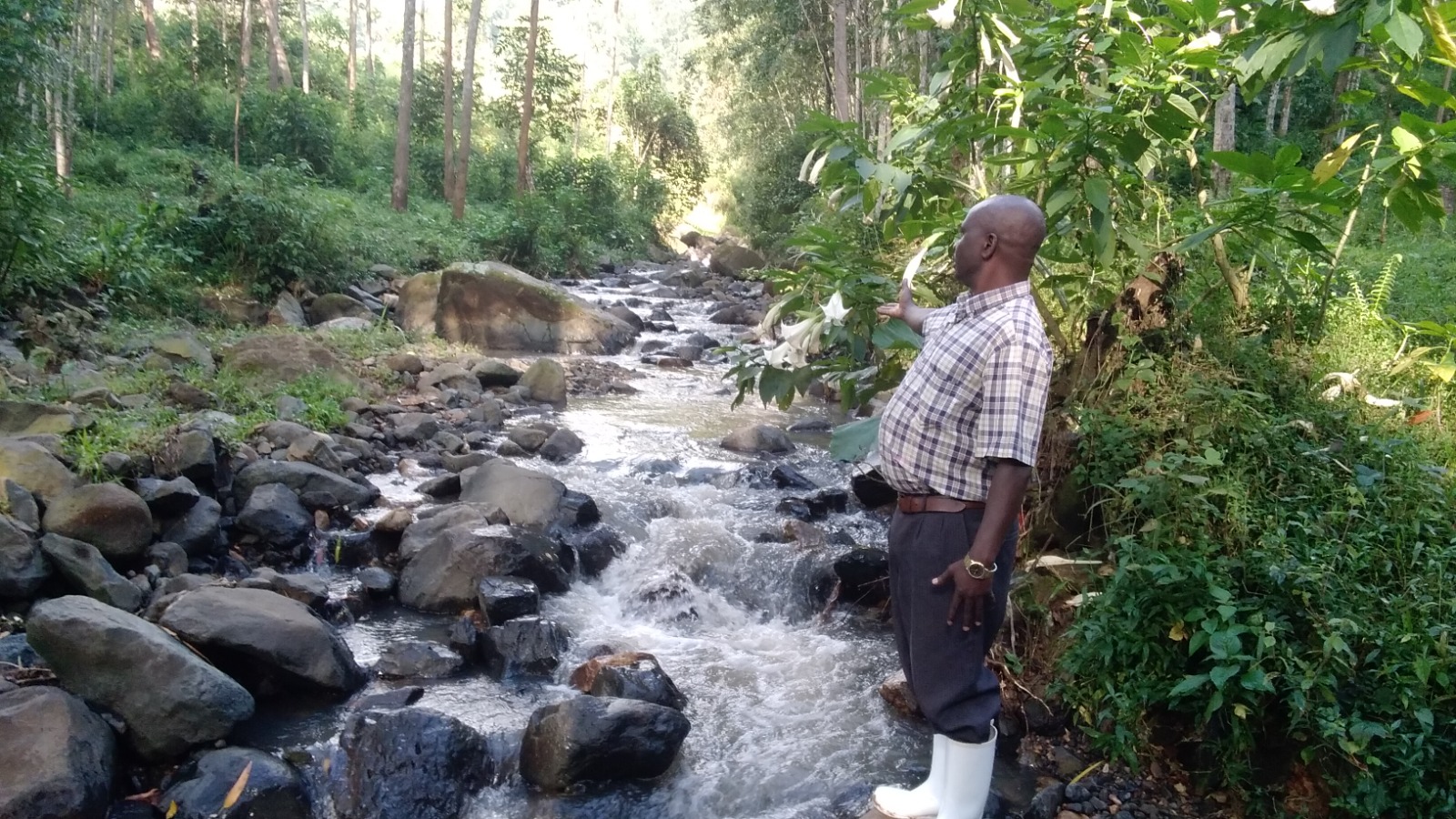
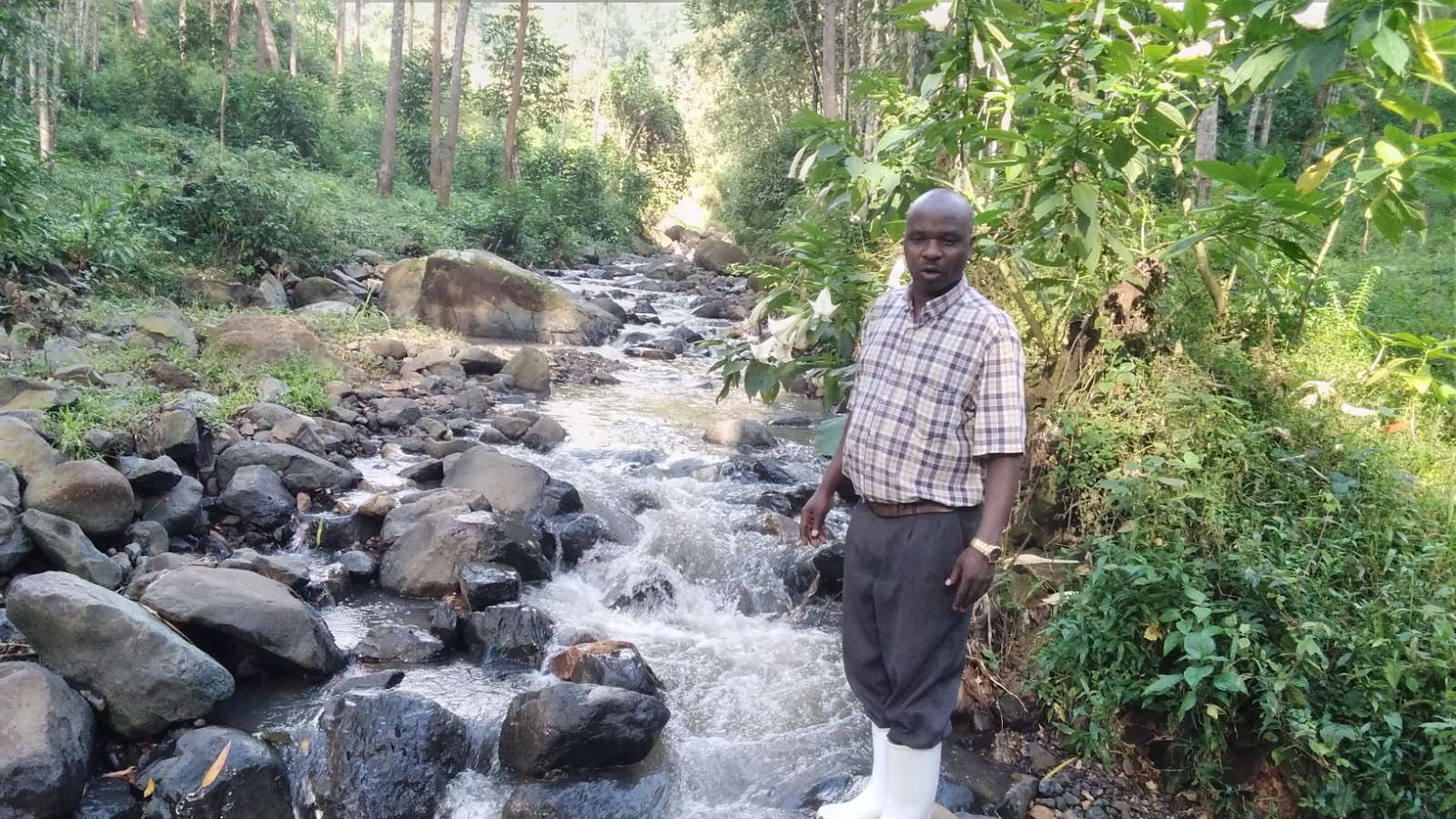
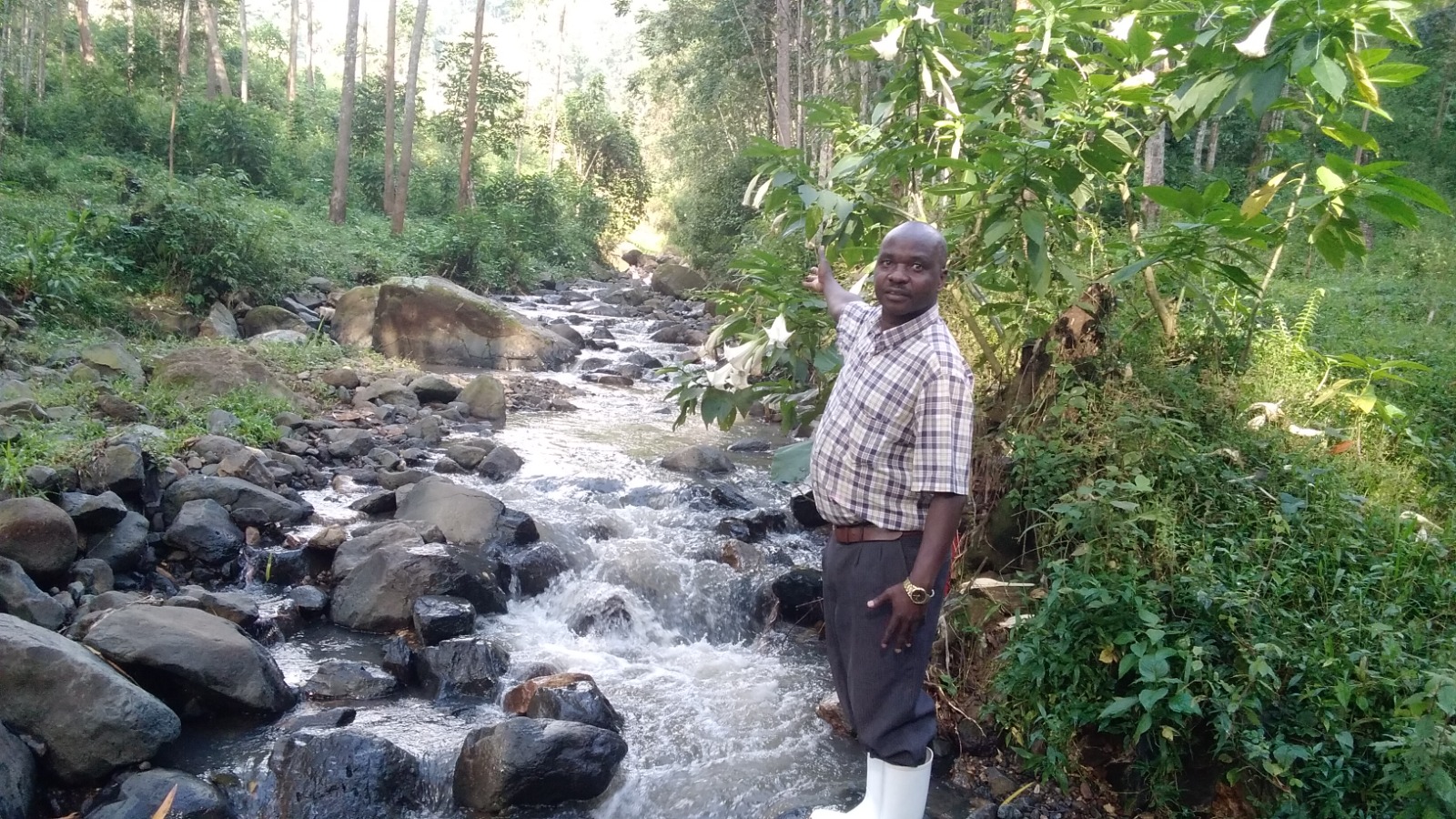
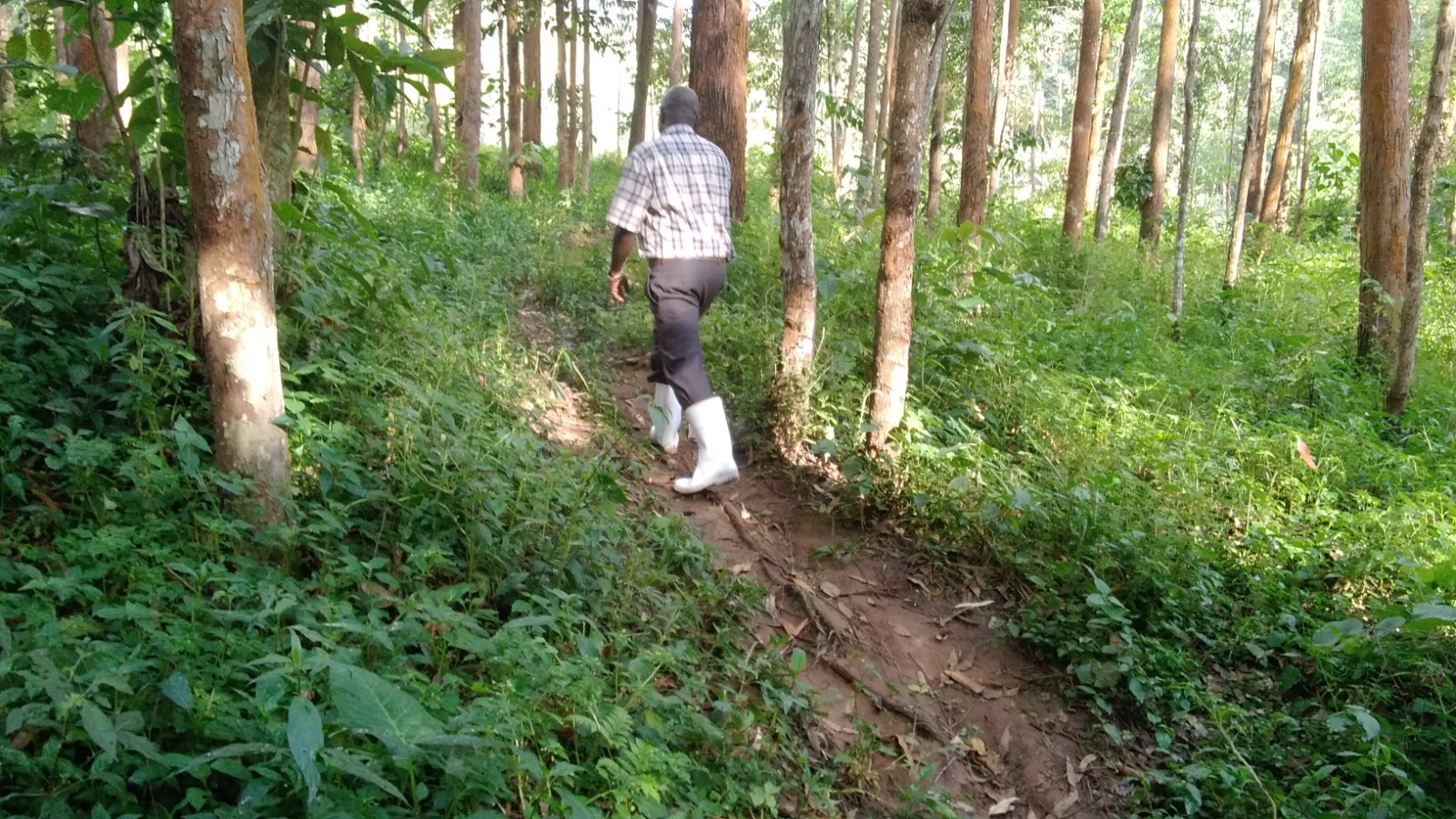
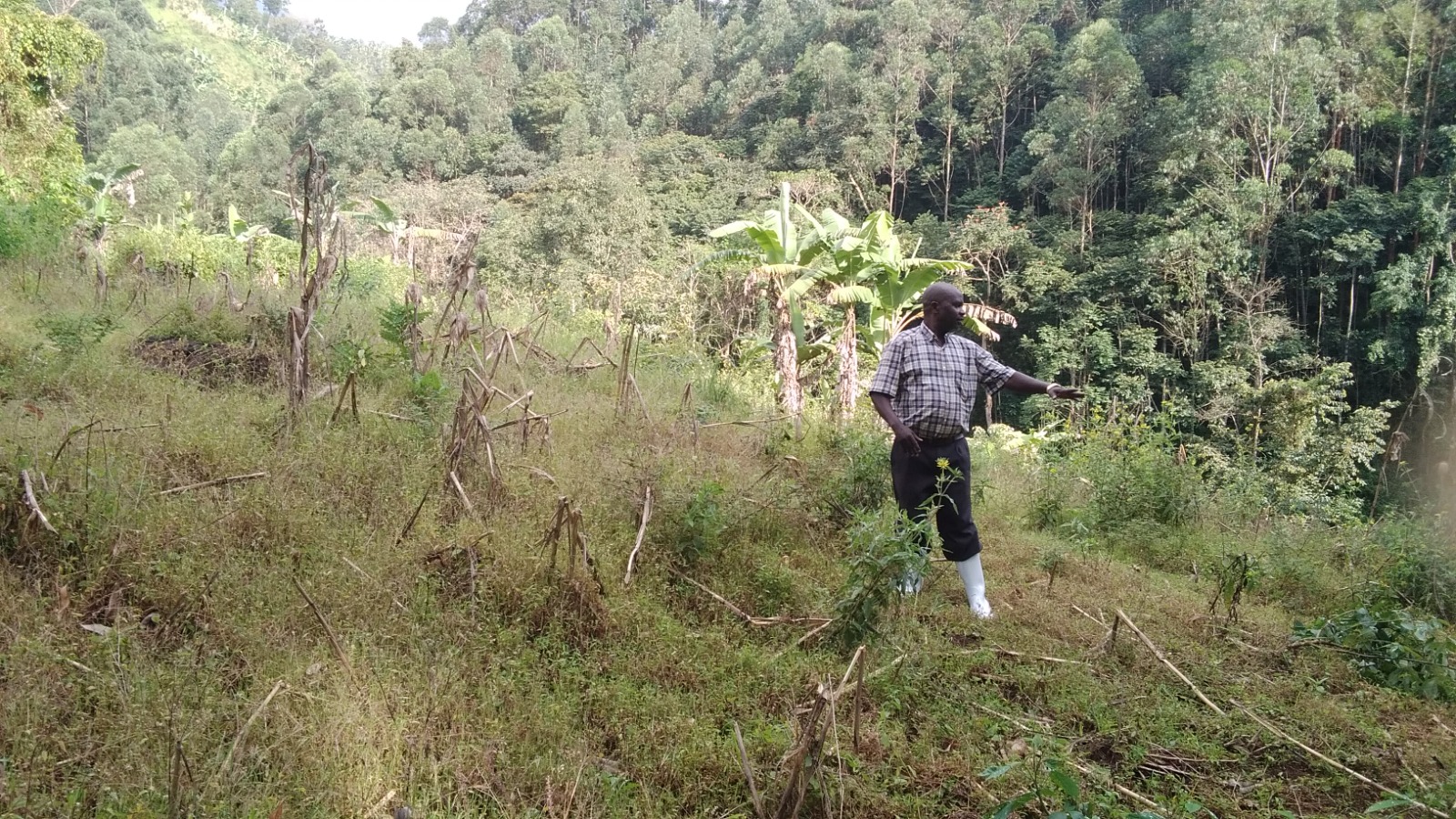
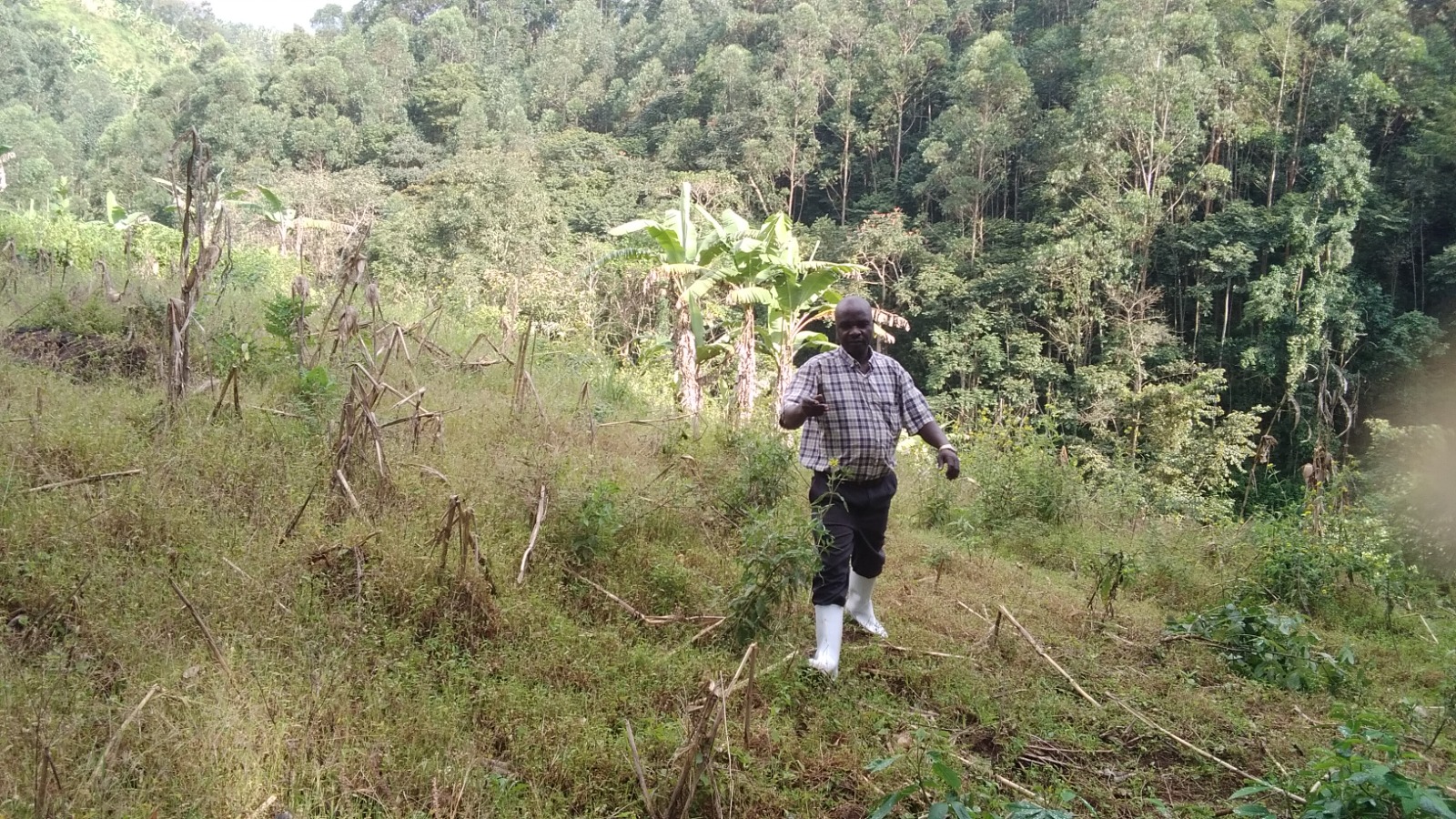
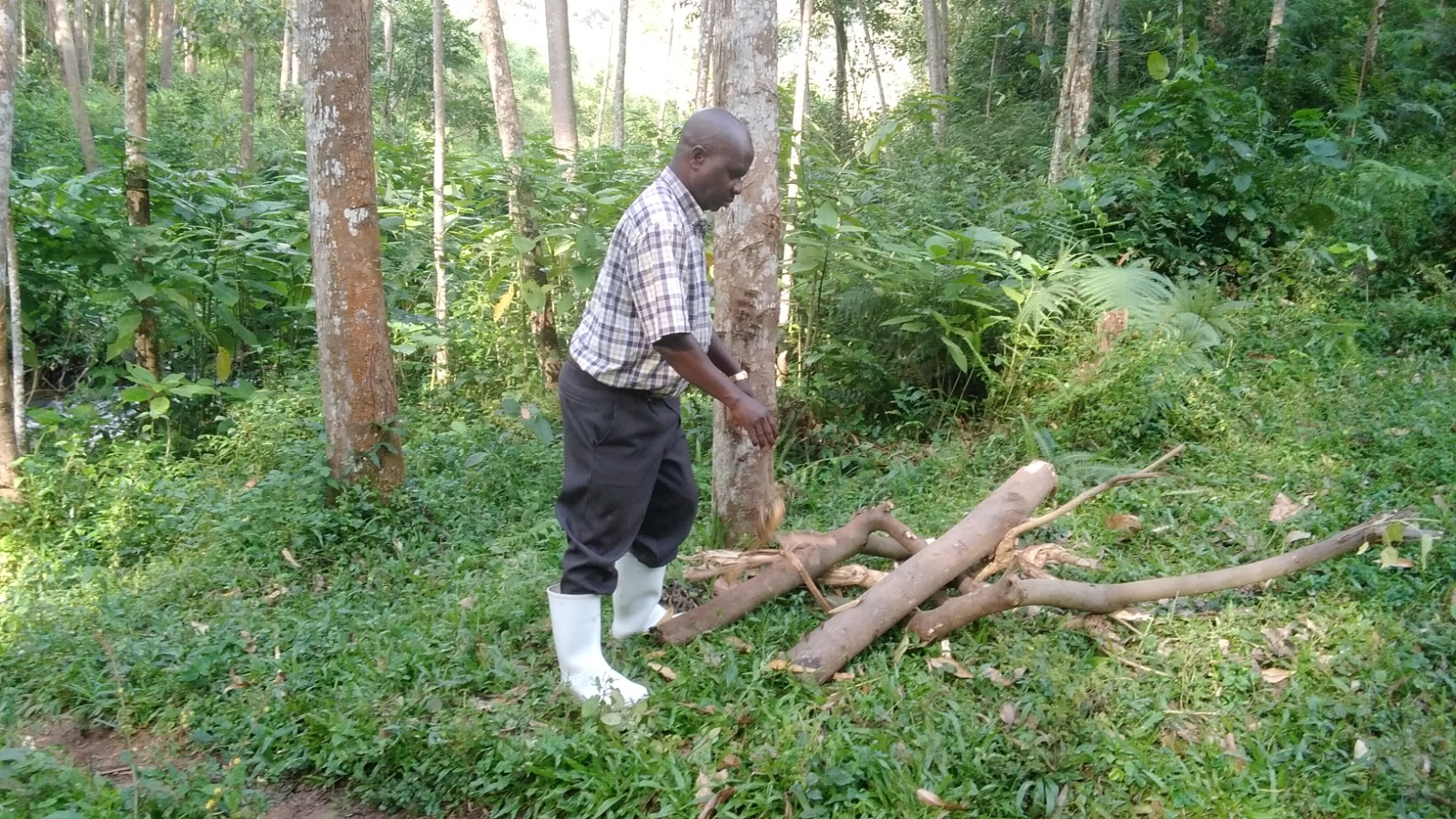
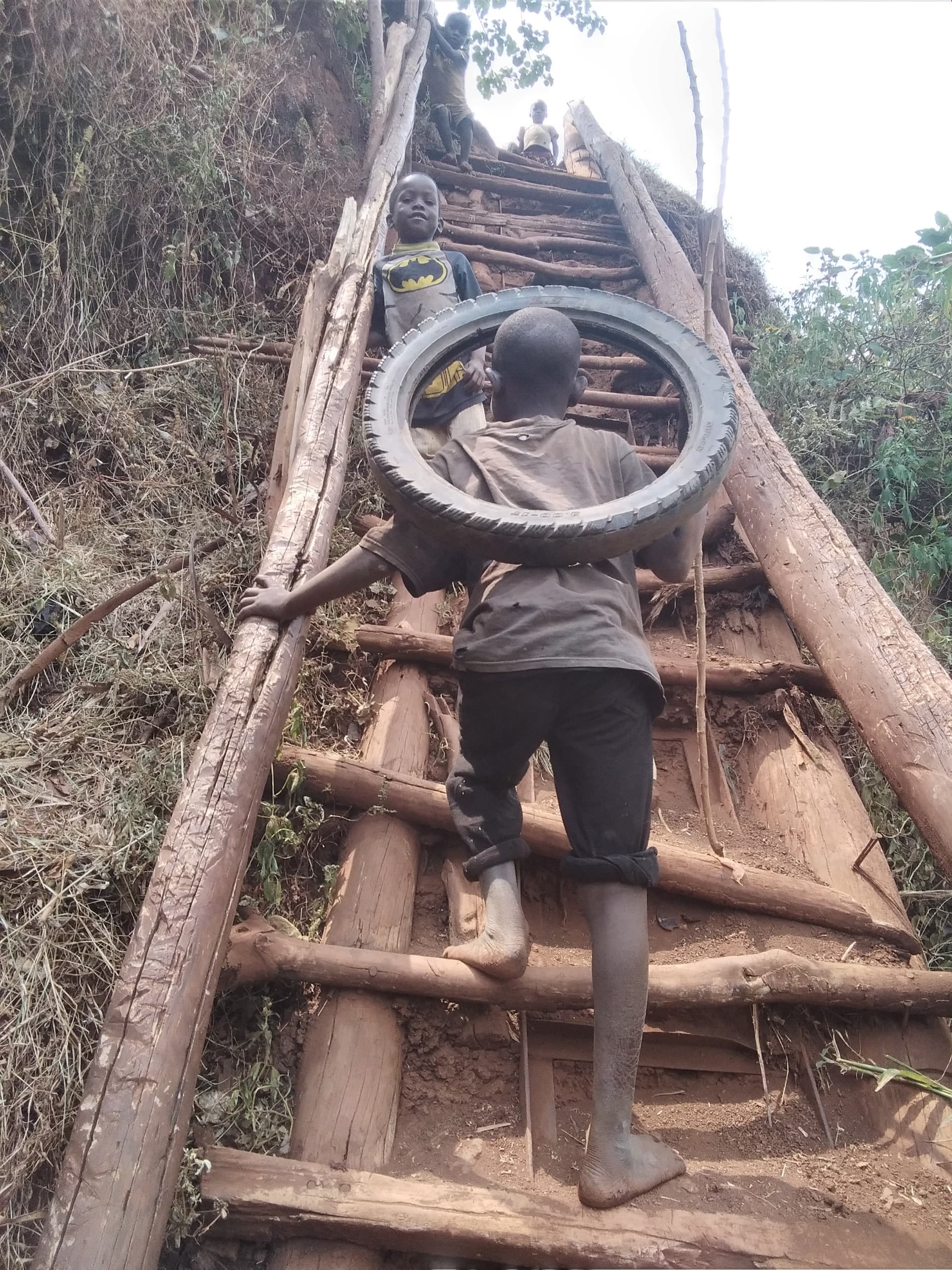
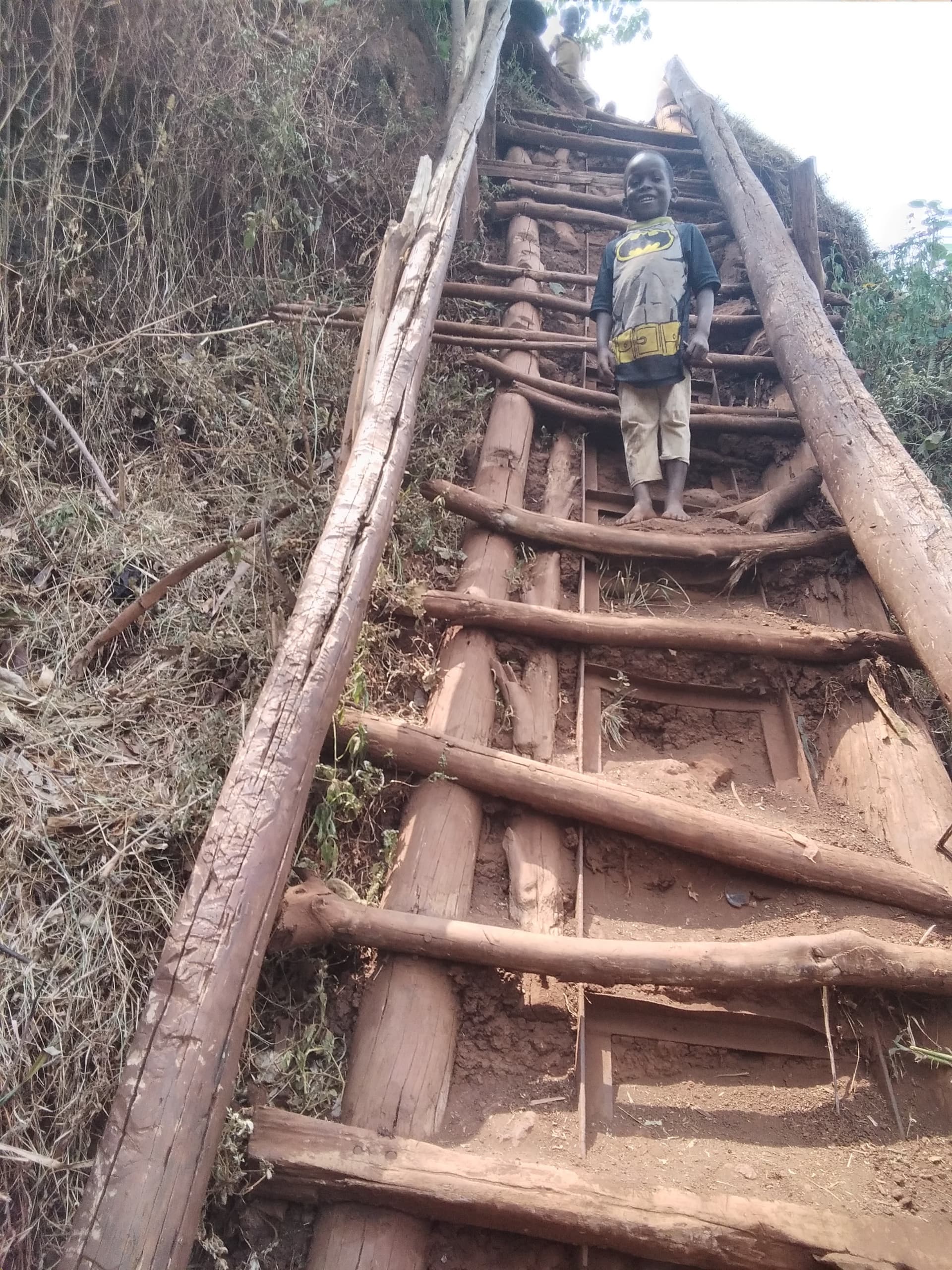
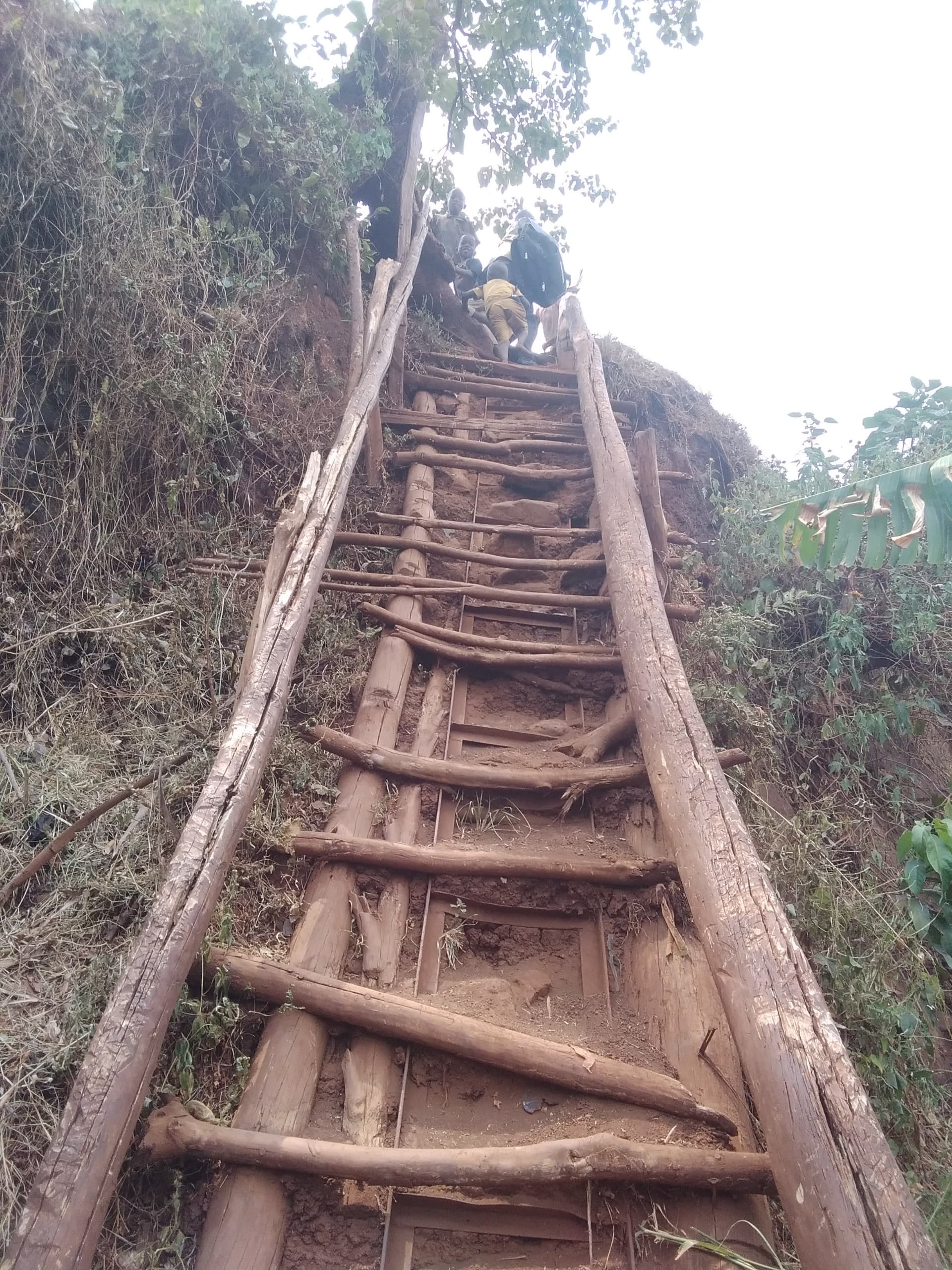
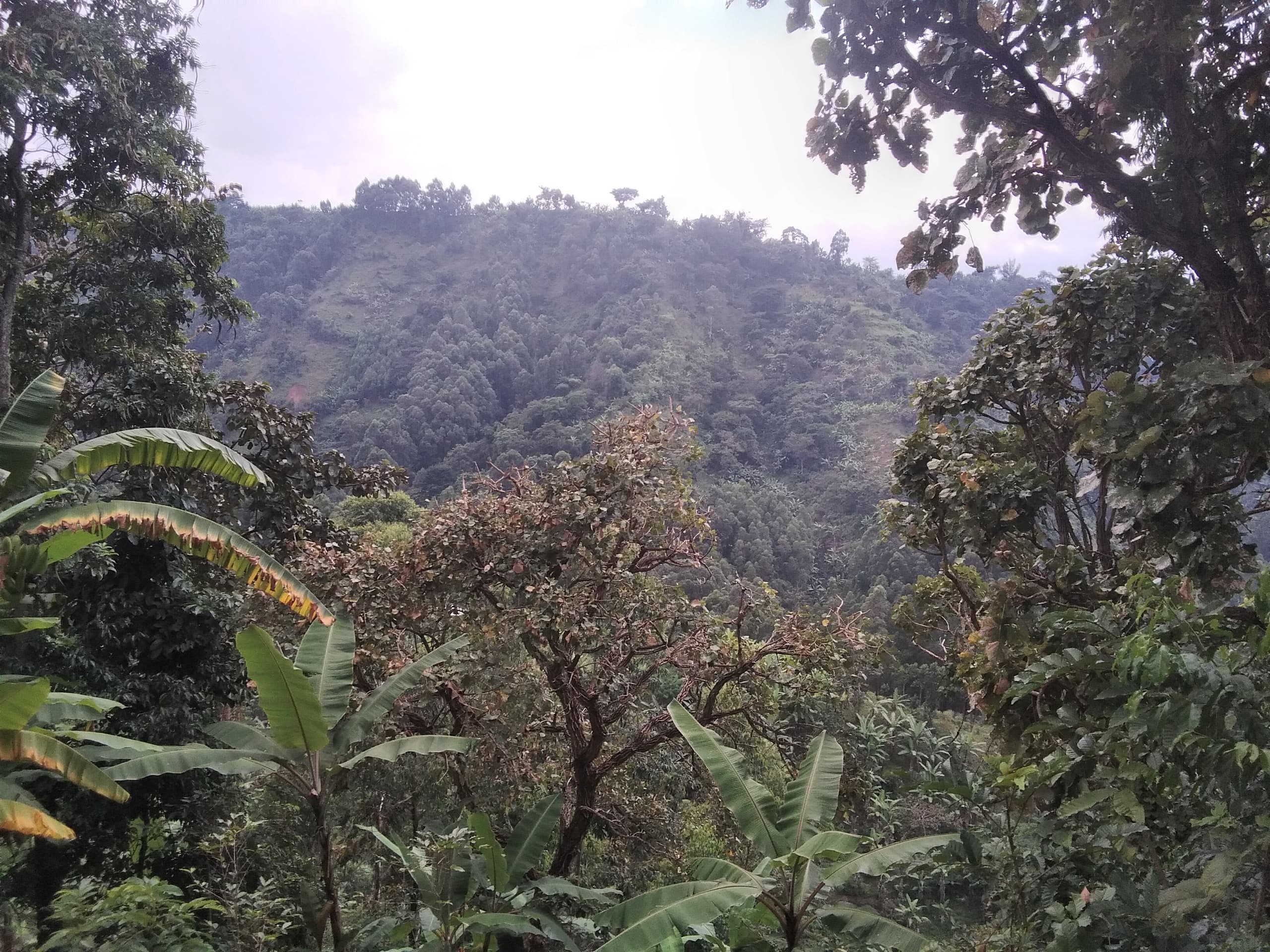
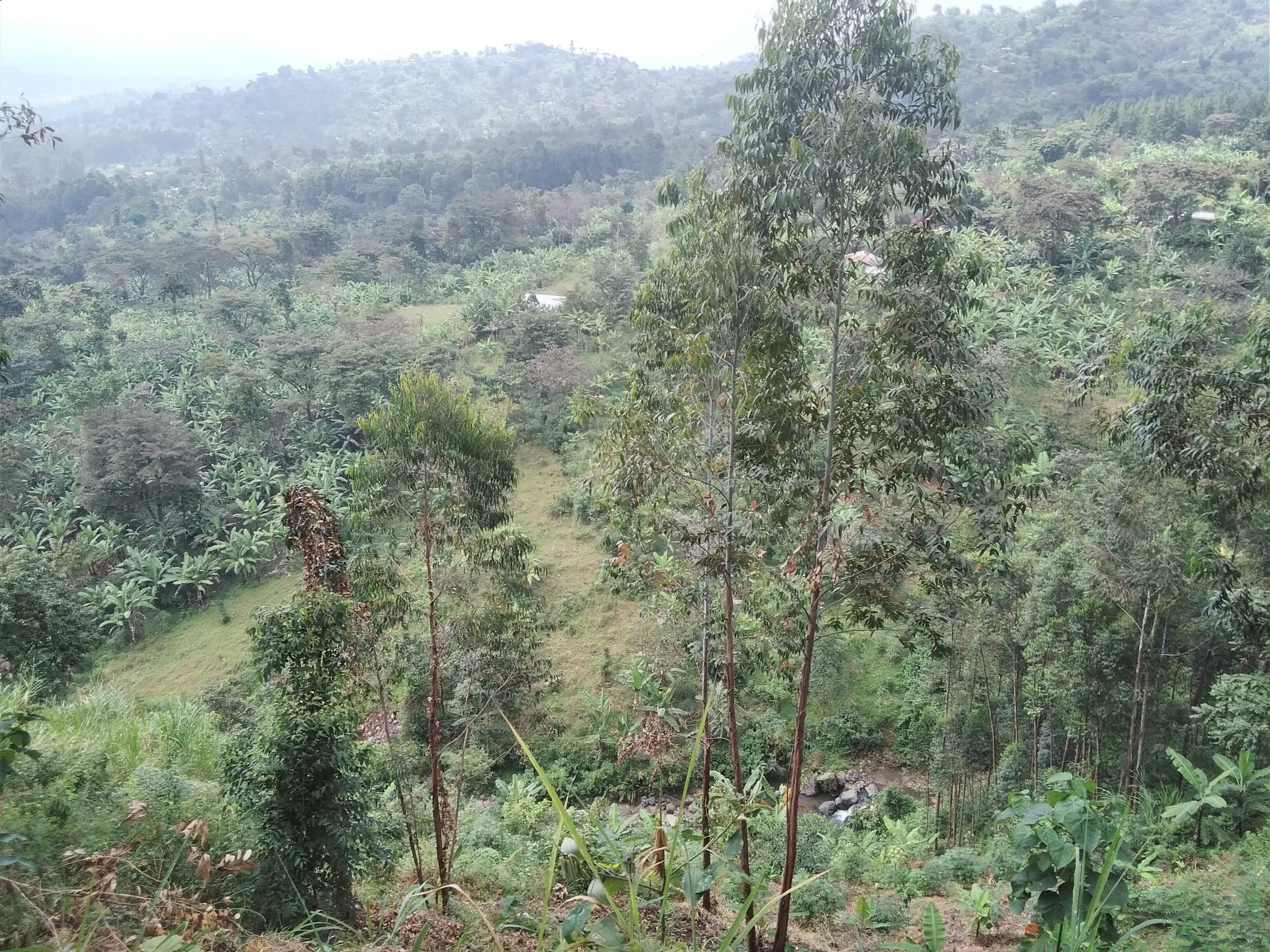
Our photo gallery showcases FSE's work in the community, including tree planting activities, community meetings, training sessions, and the impact of our environmental conservation initiatives across Bumasifwa Sub-county.
Featured photos below include titles and descriptions from FSE field work. Scroll further for the full photo archive.
Click any photo to view it larger. These photos document FSE community meetings, trainings, tree planting, and field activities across Bumasifwa Sub-county.
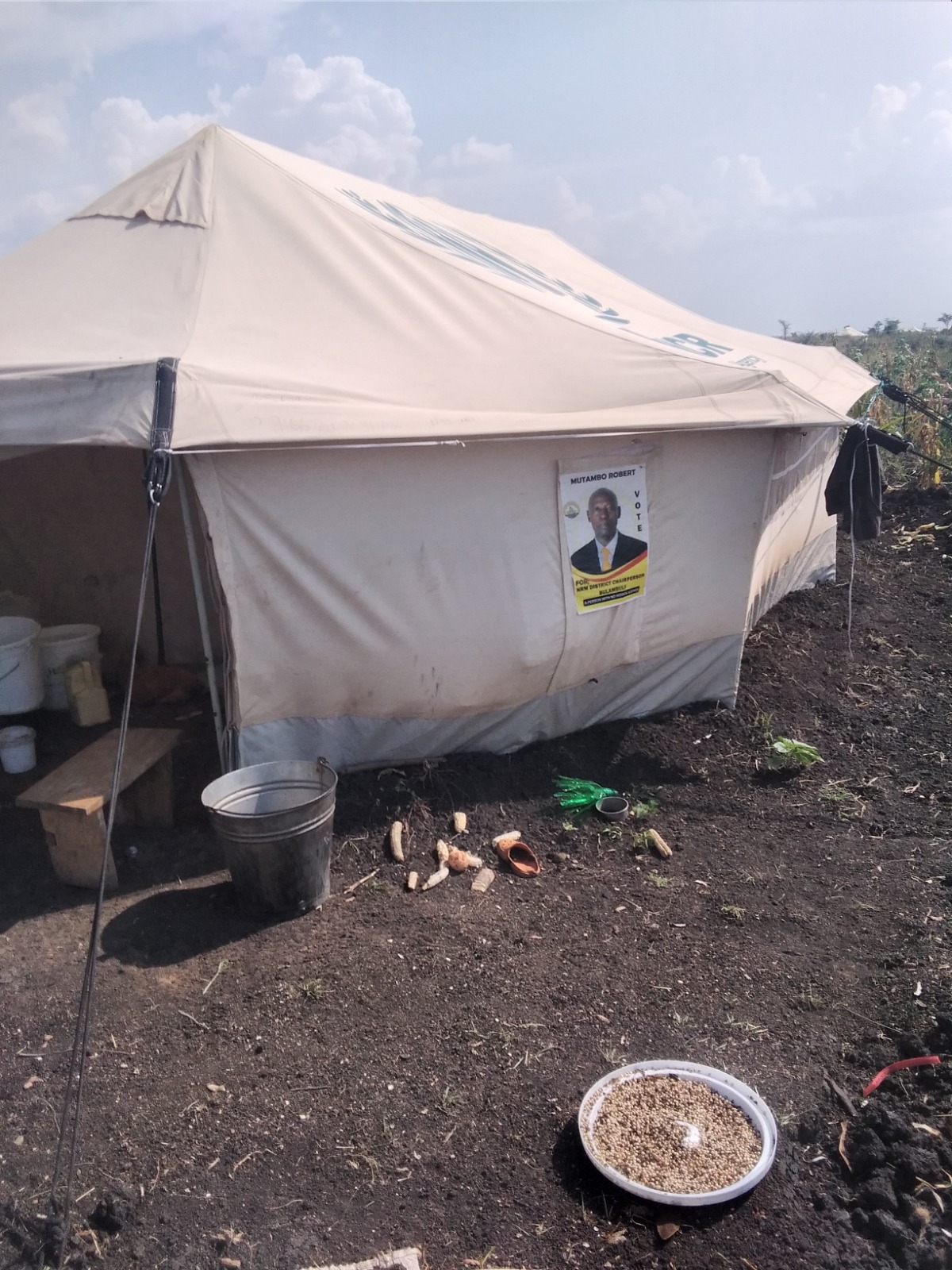
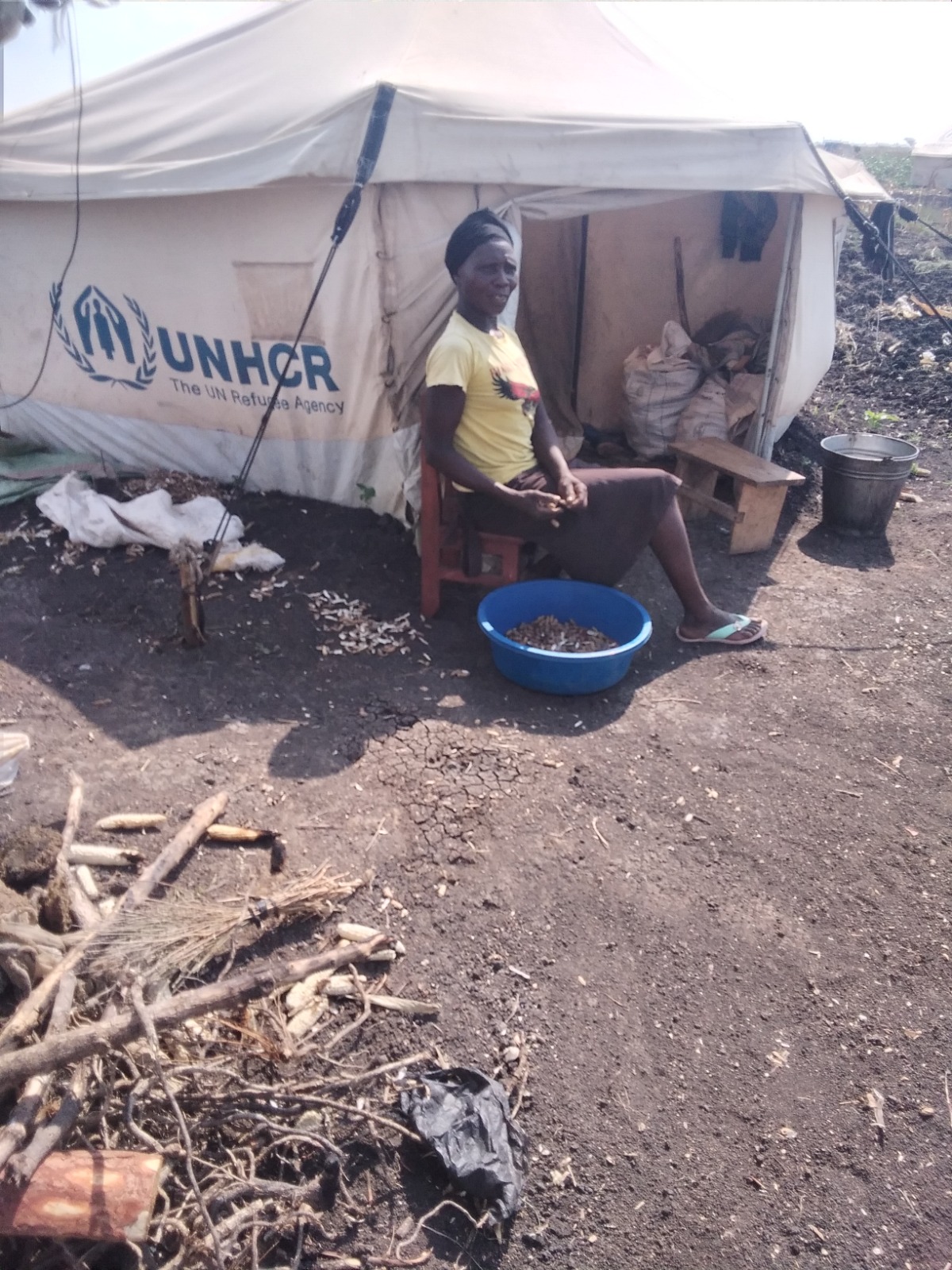
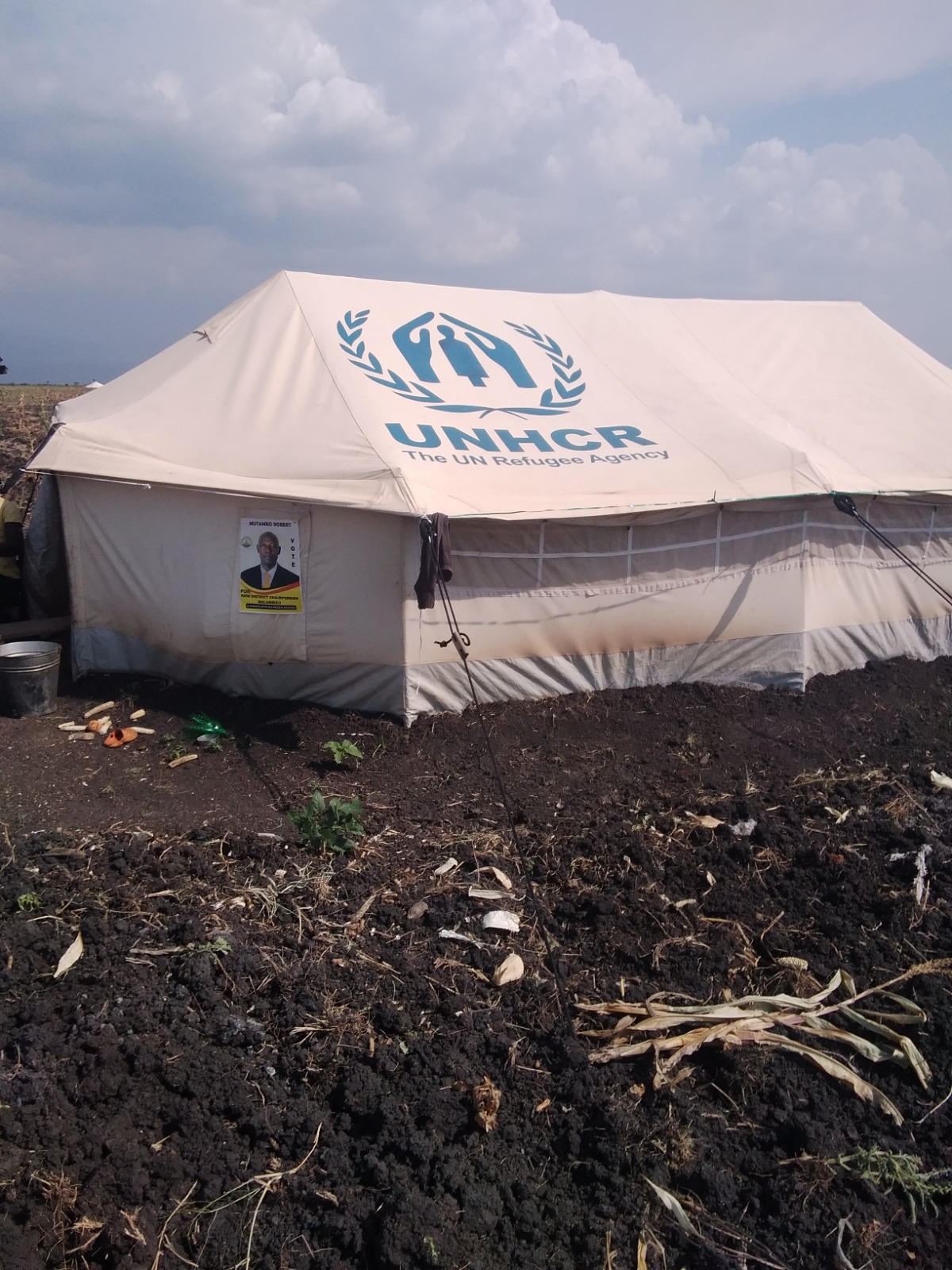
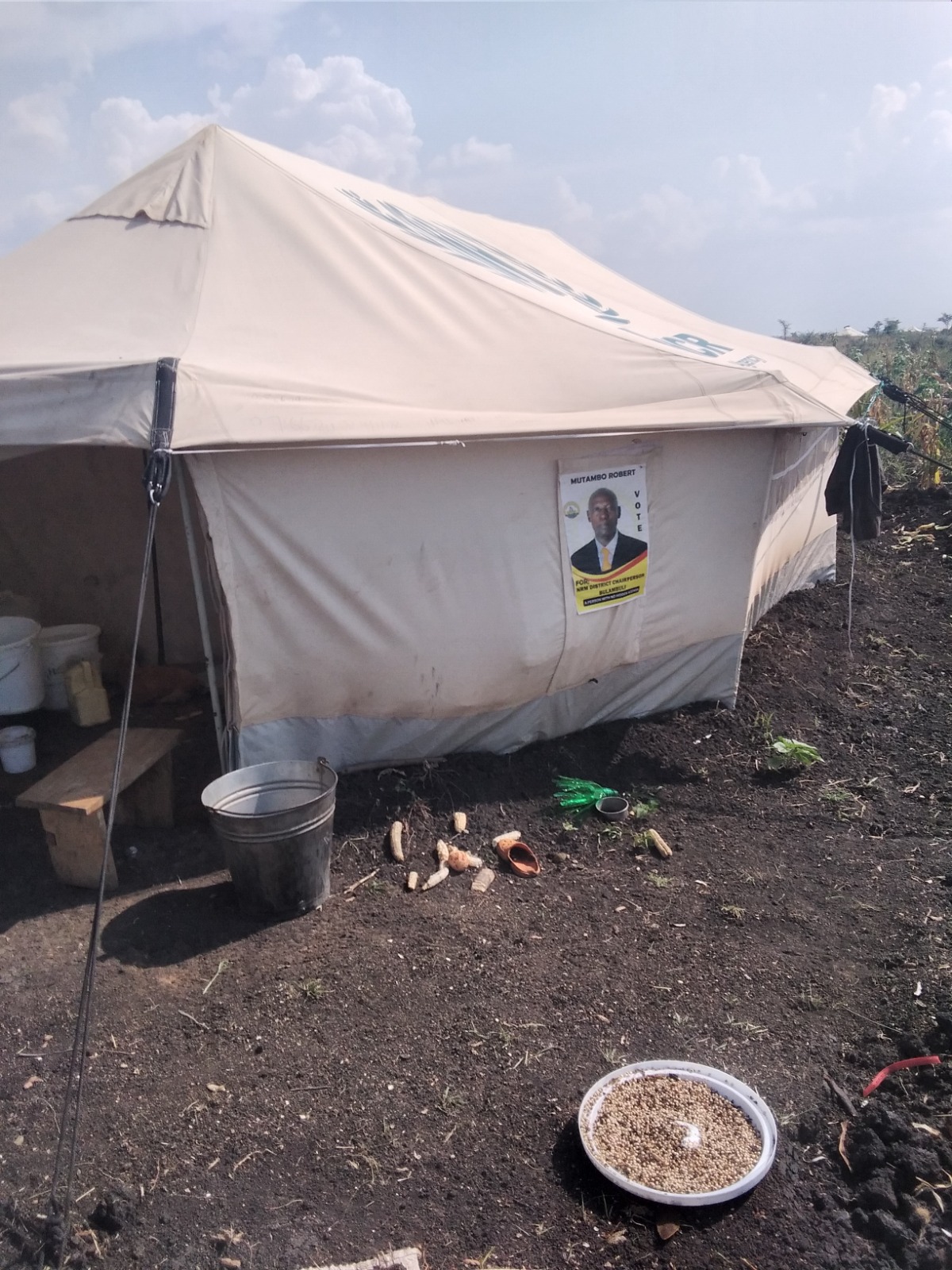
FSE is developing documentary content to showcase our community-driven environmental work. Video documentation will feature:
Documentary content will be available soon. Contact us for more information.
FSE's Board of Directors provides strategic oversight, governance, and guidance to ensure the organization fulfills its mission of empowering sustainable communities to address climate change and conserve the environment.
Board Chairperson
Leading FSE's governance and strategic oversight, providing vision and direction for the organization's growth and impact in environmental conservation and community empowerment.
Contact:
+256 782 221 096
+256 752 451 776
Secretary to the Board
Ensuring organizational compliance, documentation, and effective communication between the Board, management, and stakeholders. Maintaining records and facilitating Board meetings.
Contact:
+256 774 041 827 (WhatsApp)
Email: mugidesophie97@gmail.com
Financial Oversight
Overseeing financial management, accountability, and ensuring resources are used effectively and transparently to achieve FSE's environmental and community development objectives.
Providing strategic direction, setting organizational policies, and ensuring FSE operates in accordance with its mission, vision, and values.
Overseeing financial planning, budgeting, and resource mobilization to ensure sustainable operations and program implementation.
Ensuring FSE remains accountable to the communities it serves, maintaining transparency and upholding community-led principles.
Facilitating partnerships with government agencies, NGOs, development partners, and other stakeholders to expand FSE's impact.
Identifying and mitigating organizational risks while ensuring compliance with legal, regulatory, and ethical standards in all FSE operations.
FSE's dedicated team and volunteers work hand-in-hand with communities to implement environmental conservation, climate action, and sustainable development programs across Bumasifwa Sub-county.
Executive Director
Leading FSE's programmatic work, community engagement initiatives, and organizational development. Responsible for overall program implementation, strategic partnerships, and ensuring FSE's mission is achieved through community-driven approaches.
Contact:
+256 774 453 986 (WhatsApp)
+256 704 453 986
Email: wanzimac@gmail.com
Board Advisor
Providing strategic guidance and advisory support to FSE's Board of Directors and leadership team on organizational development, partnerships, and program growth.
Contact:
Email: polineni.sriram9@gmail.com
FSE's strength lies in its dedicated volunteers from the Bunamahande community and across Bumasifwa Sub-county. These community members are the backbone of our environmental conservation and climate action programs.
Volunteers who engage community members, facilitate meetings, and ensure broad participation in FSE programs across all villages in Bumasifwa Sub-county.
Dedicated volunteers who lead reforestation efforts, maintain tree nurseries, and promote agroforestry practices in their communities.
Female volunteers who champion gender equity, lead Village Savings and Loan Groups, and serve as role models for environmental stewardship in their communities.
Young volunteers who lead environmental clubs in schools, conduct peer education on climate change, and drive innovation in sustainable practices.
Volunteers with farming expertise who support climate-smart agriculture training, demonstrate sustainable practices, and mentor community members in food security initiatives.
Volunteers who coordinate project activities, monitor implementation, document progress, and ensure community feedback is incorporated into program design.
FSE welcomes volunteers who are passionate about environmental conservation, climate action, and community development. Whether you have technical expertise or simply want to contribute your time and energy to environmental stewardship, there are opportunities to get involved.
Areas where volunteers can contribute include:
Interested in volunteering? Contact us to learn about current opportunities and how you can contribute to FSE's mission.
FSE offers internships and fellowship opportunities for students, researchers, and professionals interested in gaining hands-on experience in community-based environmental conservation, climate action, and sustainable development.
These opportunities provide valuable experience in:
Contact us for information about current internship and fellowship opportunities.
FSE collaborates with various stakeholders to achieve its mission of empowering sustainable communities. We believe in the power of partnerships to leverage resources, expertise, and networks for greater environmental and community impact.
FSE is officially affiliated with NEMA, Uganda's principal agency for the management of the environment. This partnership ensures our work aligns with national environmental standards and policies.
Working closely with district environmental officers for technical guidance, policy implementation, and environmental monitoring across Bumasifwa Sub-county.
FSE works in partnership with local leaders including parish chiefs, village council members, and traditional leaders in Bunamahande Parish and across Bumasifwa Sub-county for community entry, mobilization, and program support.
Partnerships with schools in Bunamahande Parish for environmental education, school-based climate clubs, tree planting initiatives, and youth engagement programs.
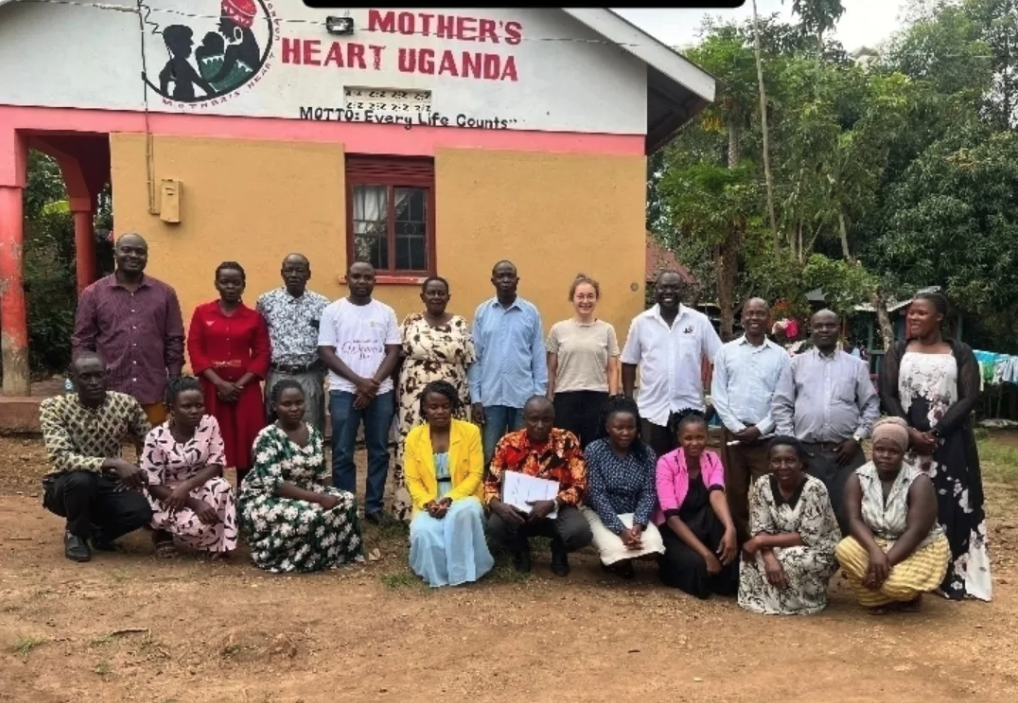
Mothers Heart is one of our key partners in maternal Health.
A youth-led environmental nonprofit from California partnering with FSE to bring collaborative environmental education and youth empowerment initiatives to students in Uganda through virtual learning events, hands-on challenges, and environmental stewardship programs.
FSE is actively seeking partnerships with development organizations, funding agencies, research institutions, NGOs, and private sector entities to expand our impact and implement our priority community projects.
We are open to various partnership models including:
Interested in partnering with FSE? Contact us to explore collaboration opportunities and discuss how we can work together to drive positive environmental change.
Your donation empowers communities to address climate change, conserve biodiversity, and build sustainable livelihoods. FSE is committed to transparent, community-led environmental action that creates lasting impact for present and future generations.
Your donation directly supports community-driven solutions designed and prioritized by the people we serve, ensuring relevance and sustainability.
70% of our program participants are women. Your support empowers women as environmental stewards and leaders in climate action.
We maintain high standards of financial transparency and regularly report on how funds are used and the impact achieved.
Your donation addresses interconnected challenges: climate change, water access, food security, gender equity, and economic empowerment.
Every contribution, regardless of size, makes a meaningful difference in our community's environmental future.
To make a donation to FSE, please contact us for our bank details, mobile money options, and other payment methods. We accept:
You can direct your donation to:
For donation information, please contact:
Executive Director: Charles Wanziima Samuel
Phone: +256 774 453 986 (WhatsApp) | +256 704 453 986
Email: wanzimac@gmail.com
Offer your skills and expertise to support FSE's programs. We welcome volunteers in areas like project management, M&E, research, training, and technical assistance.
Explore partnership opportunities for co-implementation, technical support, or resource mobilization. Together we can amplify our impact.
Share FSE's work with your networks, help us connect with potential partners and donors, and raise awareness about environmental challenges in rural Uganda.
Companies can sponsor specific projects or programs, providing both financial support and technical expertise aligned with corporate social responsibility goals.
FSE is committed to transparency and accountability. All donors receive:
Your trust is important to us. We ensure every donation is used effectively and efficiently to create lasting environmental and community impact.
Get in touch with the Foundation for Sustainable Environment. We welcome inquiries about our programs, partnership opportunities, volunteering, donations, and collaboration.
Charles Wanziima Samuel
Phone:
+256 774 453 986 (WhatsApp)
+256 704 453 986
Email:
wanzimac@gmail.com
Gwanduya Muduku Tom
Phone:
+256 782 221 096
+256 752 451 776
Mugide Florence
Phone:
+256 774 041 827 (WhatsApp)
Email:
mugidesophie97@gmail.com
Headquarters:
Kijewa Village, Bunamahande Parish
Bumasifwa Sub-County
Sironko District, Eastern Uganda
Directions:
Located about 2 kilometers off Budadiri road from Masaba Senior Secondary School. Take Bumasifwa road to the left before Masaba Police Station.
Geographical Focus:
FSE operates primarily in Bumasifwa Sub-County, Sironko District, with reach across all communities in the sub-county.
For general information about FSE, our programs, or activities, please contact our Executive Director.
Interested in partnering with FSE? Contact us to discuss collaboration opportunities, co-implementation, or resource sharing.
For information about making donations, bank details, or mobile money options, please reach out to our Executive Director.
Want to volunteer with FSE? Contact us to learn about current opportunities and how you can contribute your skills and time.
For media inquiries, interviews, or information about FSE's work for publication, please contact our Executive Director.
Interested in research collaboration or academic partnerships? We welcome inquiries from researchers and institutions.
We welcome all inquiries and look forward to hearing from you. Whether you're interested in our programs, want to partner with us, or simply want to learn more about our work, please don't hesitate to reach out.
Best ways to reach us:
We typically respond to inquiries within 1-2 business days.
FSE staff and volunteers work closely with communities and maintain flexible hours to accommodate community meetings and field activities. For office visits or meetings, please contact us in advance to schedule an appointment.